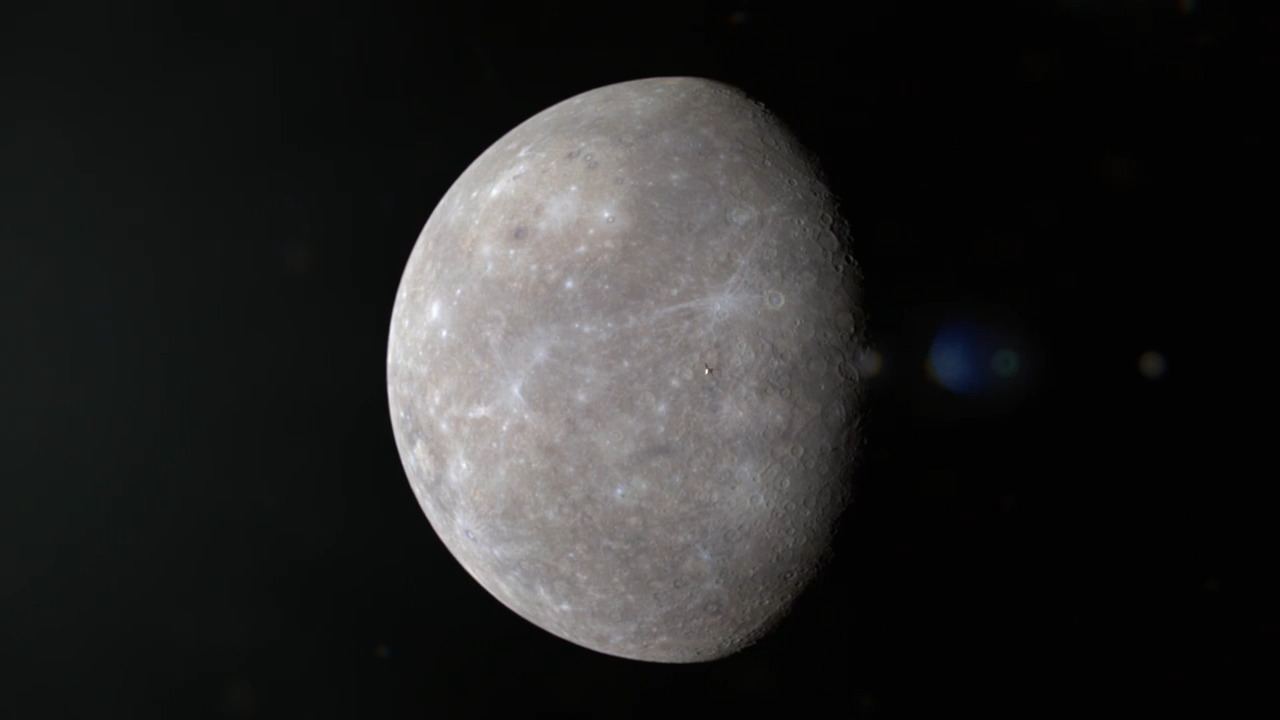
In Developing Theories From the Chemistry of Mercury, Professor Brian Cox explains why Mercury is an unusual planet. Learn how Mercury was formed and how scientists are using observations of the planet from the Messenger mission, to refine theories about how the planet came to be. This video is excerpted from BBC’s The Planets, a series that explores the dramatic lives of the eight planets in our Solar System.
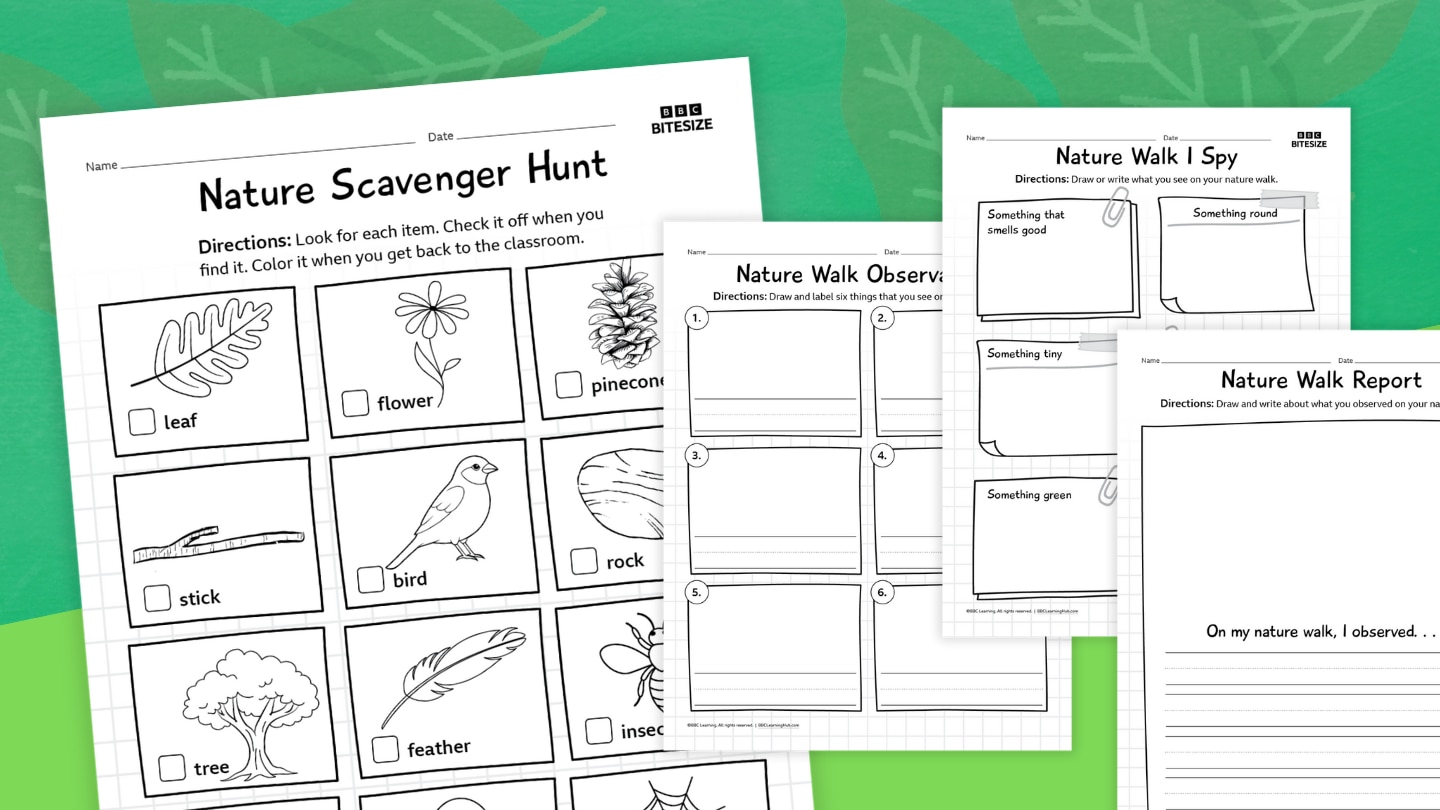
Everyone loves a nature walk! Take your PreK–Grade 2 students outside to observe the world around them. With these worksheets on a clipboard, you can make your nature walk more focused and a true learning experience (in addition to being loads of fun!).
- Nature Walk Scavenger Hunt: Students look for a leaf, flower, bird, and more. They can check off each item they find and then color them when they get back to the classroom.
- Nature Walk Observations: Encourage your kids to draw and write what they see on their nature walk.
- Nature Walk I Spy: Challenge your students to find something that smells good, something round, something tiny, something rough, something green, and something that flies.
- Nature Walk Report: When you get back to the room, have your kids draw and write about what they saw on their nature walk.
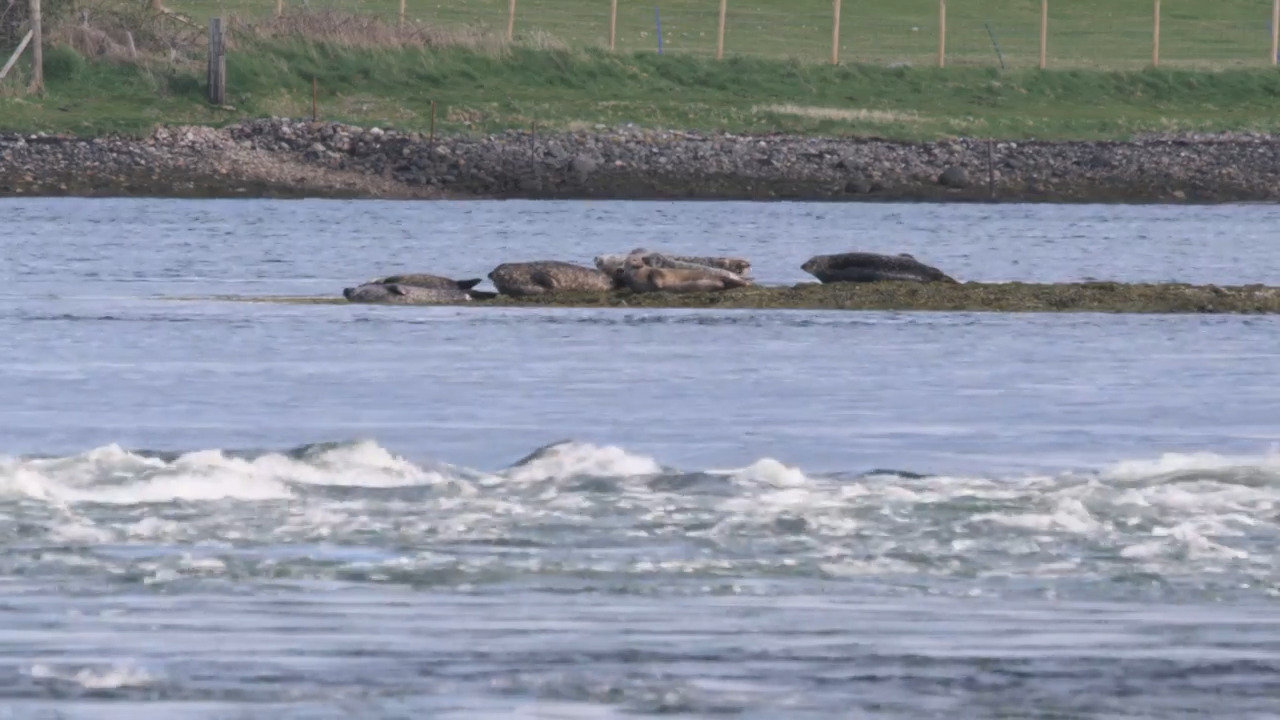
In Searching for Seals, Ranger Hamza and the Ramblers have their binoculars ready to spot seals. Join them as they learn why seals are so important to their environment, and use binoculars to spot seals in the sea. This video is excerpted from BBC’s Ranger Hamza’s Eco Quest, a nature exploration show in which Ranger Hamza and the Ramblers go on quests to discover nature’s wonders and the important role they play in our environment.
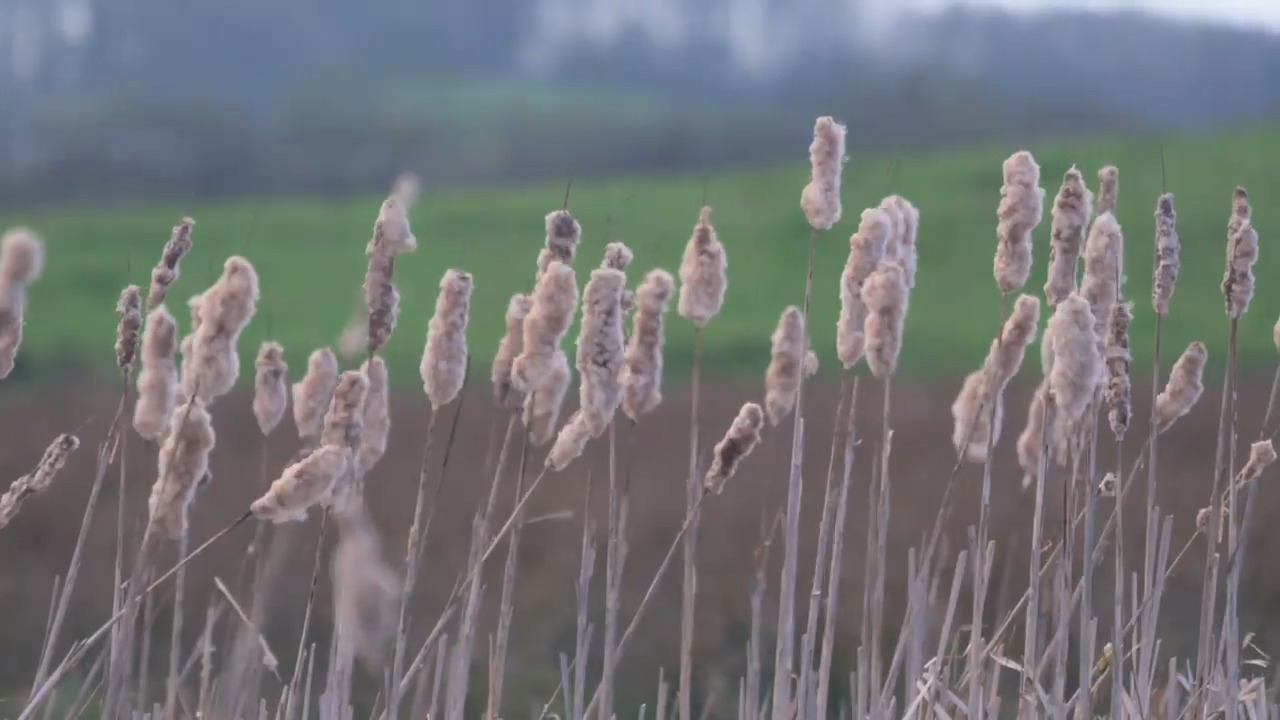
In The Soggy Marshland Ecosystem, Ranger Hamza and the Ramblers explore a marshland, a place where land is covered in water. Come along to see what animals and plants they find. This video is excerpted from BBC's Ranger Hamza’s Eco Quest, a nature exploration show in which Ranger Hamza and the Ramblers go on quests to discover nature’s wonders and the important role they play in our environment.

In Just Right! How Plants Grow, Ranger Hamza and the Ramblers are at the park. They get a close-up look at flowers and learn what plants need in order to grow. This video is excerpted from BBC's Ranger Hamza’s Eco Quest, a nature exploration show in which Ranger Hamza and the Ramblers go on quests to discover nature’s wonders and the important role they play in our environment.
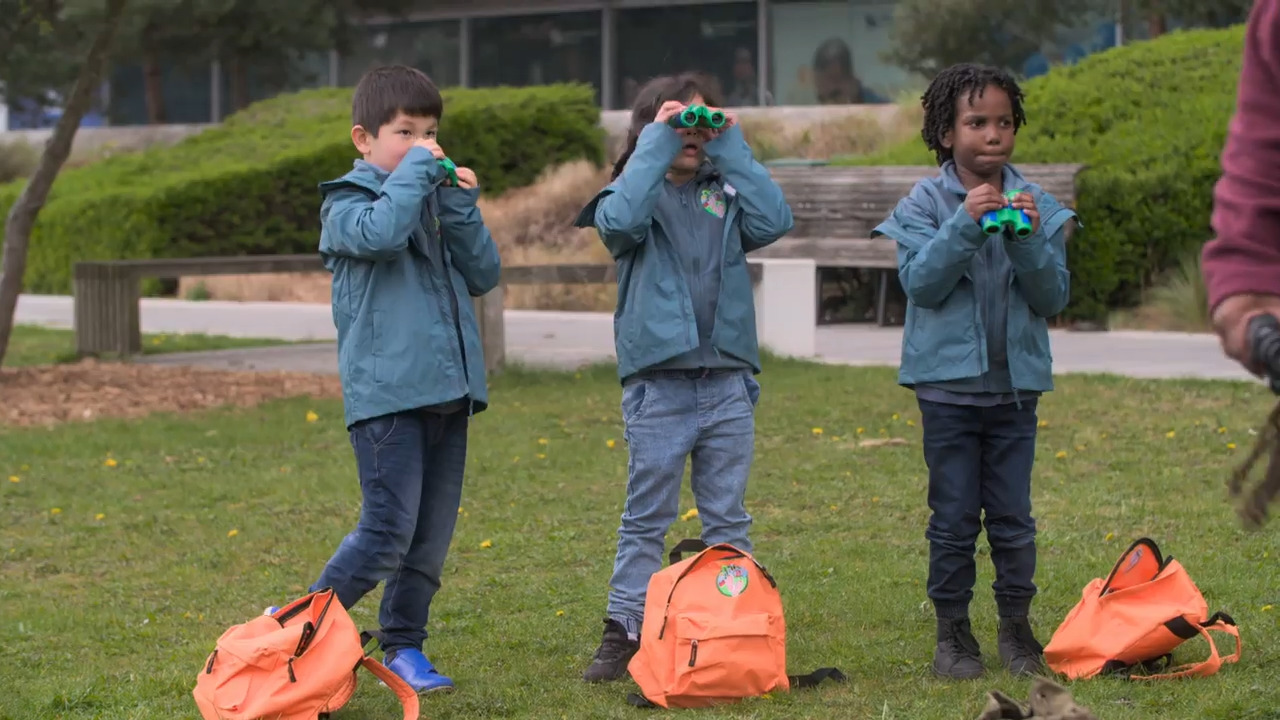
In Spotted! Birdwatching Using Our Five Senses, Ranger Hamza and the Ramblers use their five senses to find birds. Whether you call it bird spotting or birdwatching, it takes patience! Ranger Hamza and the Ramblers stay quiet so they can hear all the different birds in the park around them. Learn about the different birds they hear. This video is excerpted from BBC's Ranger Hamza’s Eco Quest, a nature exploration show in which Ranger Hamza and the Ramblers go on quests to discover nature’s wonders and the important role they play in our environment.
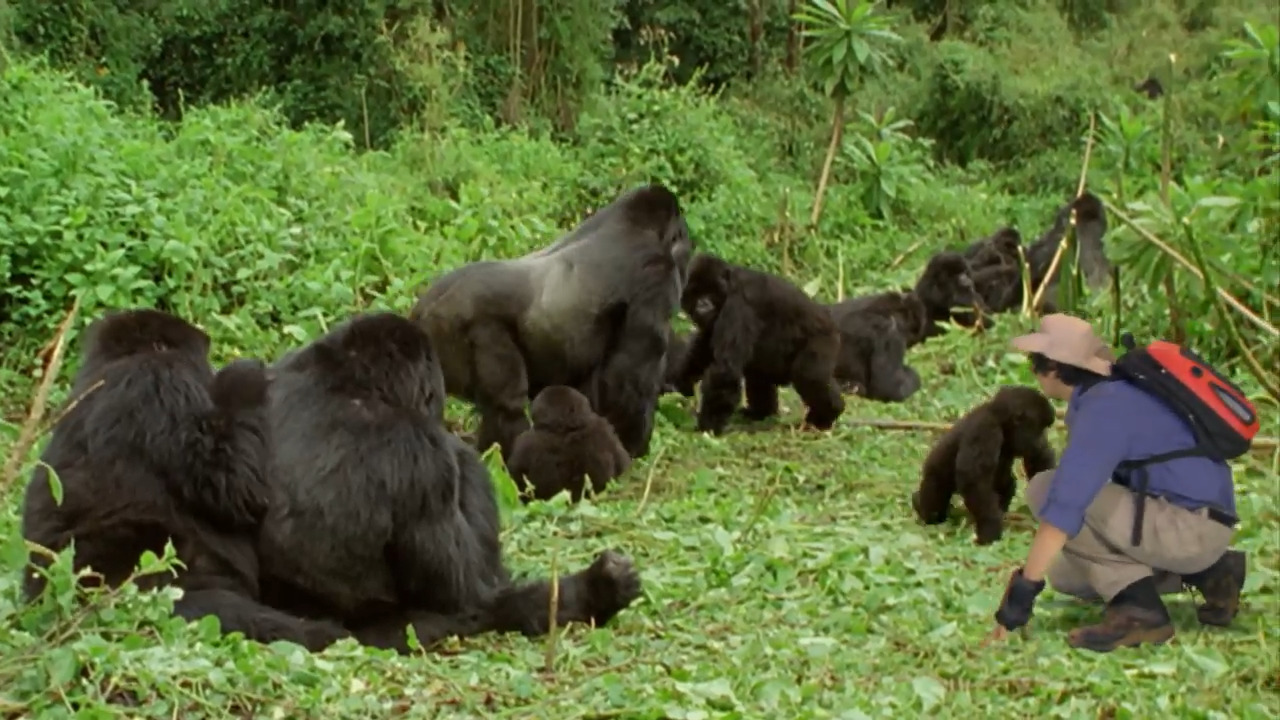
In Grunting With Gorillas, host Andy Day is in the mountains when he finds a family of gorillas. He grunts to let them know he’s approaching. Then he observes the gorillas taking care of each other. This video is excerpted from BBC’s Andy's Wild Adventures, in which Andy Day embarks on wild adventures with his puppet friend, Kip the cat.
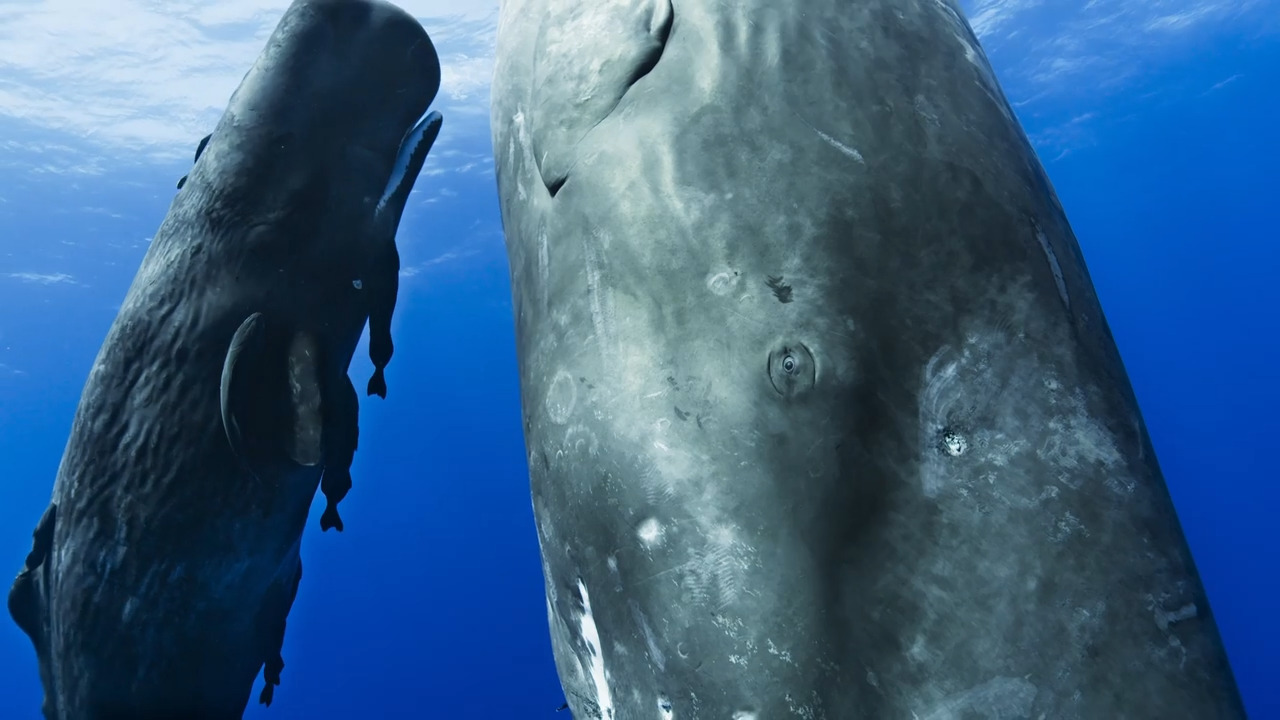
In The Sperm Whale Mother and Calf, narrator Sir David Attenborough observes a sperm whale and her calf, resting, communicating, and feeding. The calf won’t be able to dive deep enough to hunt for squid for the first six years of life, but the mother dives and hunts and returns with a store of milk for the waiting calf. This video is excerpted from BBC’s Blue Planet II, a natural history series that explores the world's oceans, the animals that live in them, and the threats they face, using modern filming techniques and equipment to capture previously unseen areas of the ocean.
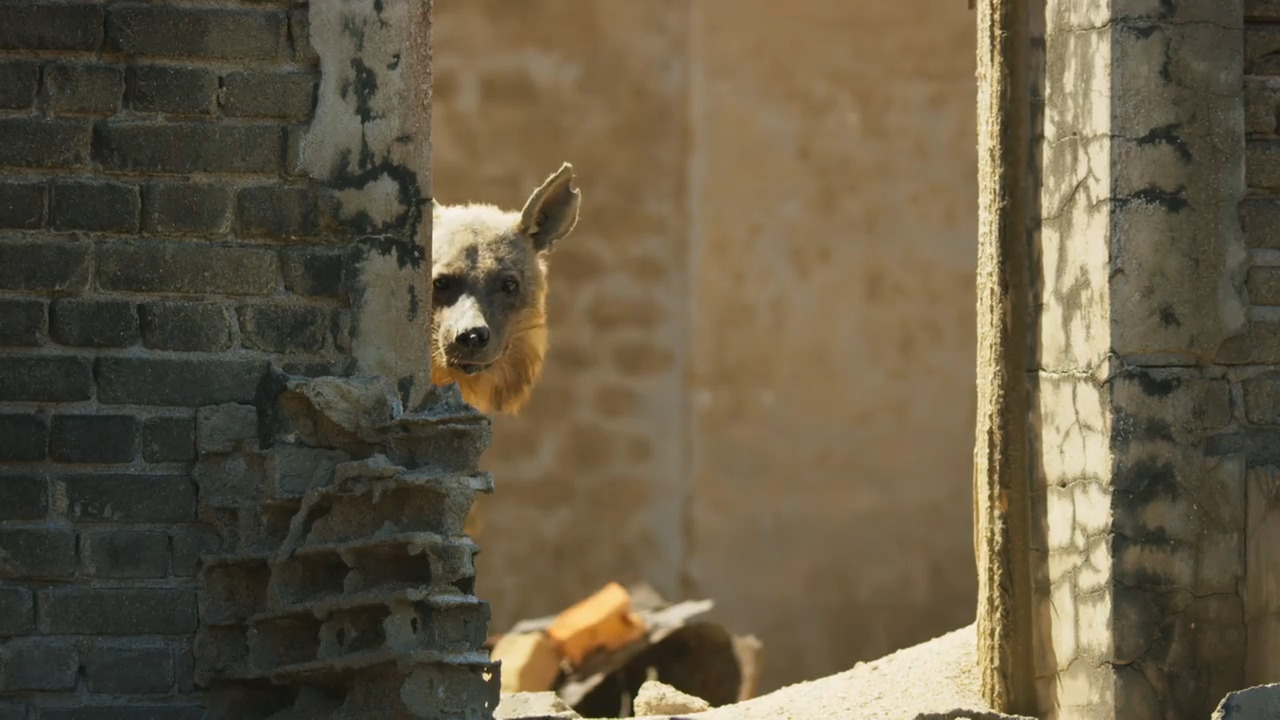
In Brown Hyenas of the Namib Desert, narrator Sir David Attenborough observes a female brown hyena living in the Namib Desert. Her home is an abandoned diamond mine, where she has reared nine generations of cubs. This video is excerpted from BBC’s Seven Worlds, One Planet, a series featuring remarkable animal behavior from all seven continents.
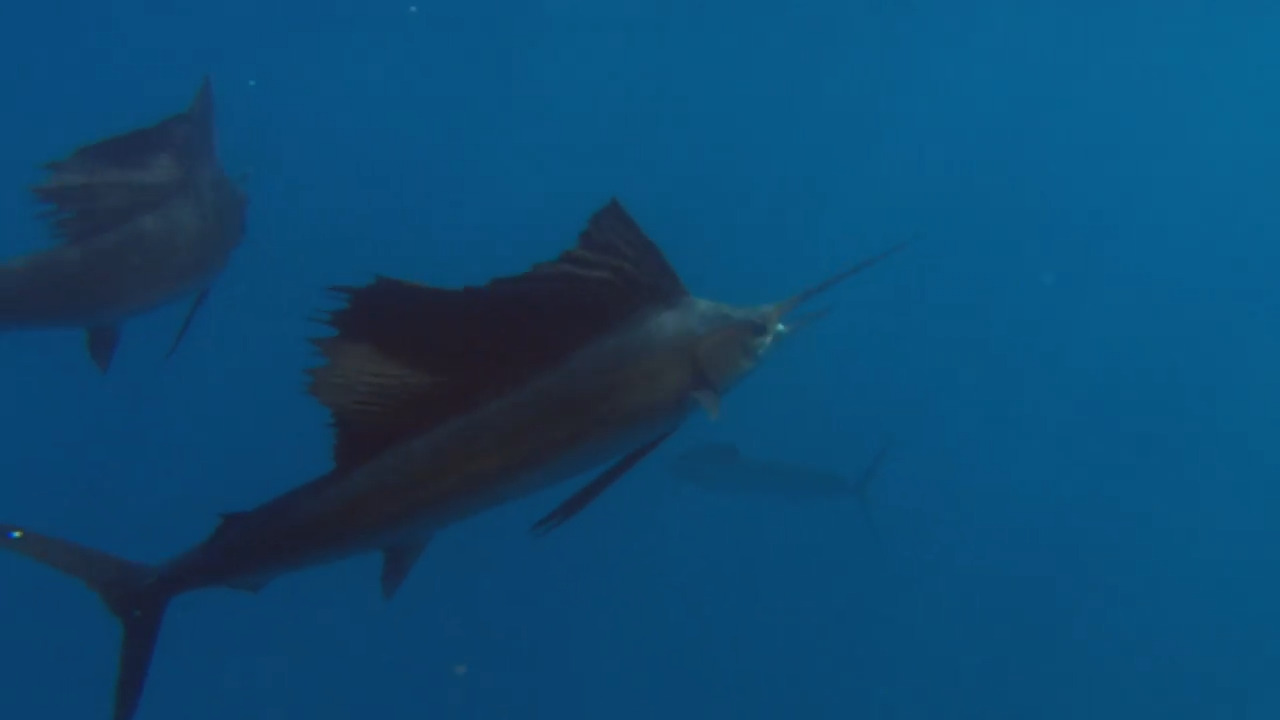
In Frigate Birds and Sailfish on the Hunt, narrator Sir David Attenborough observes the remarkable hunting techniques of frigate birds and sailfish in the open ocean. Frigate birds soar high above the water, scanning for fish below, while sailfish — some reaching lengths of 10 feet (3 meters) — surround schools of bait fish. The sailfish cooperate with one another, using their speed, agility, and color-changing abilities to confuse and catch their prey. As the bait fish move toward the surface, frigate birds dive down to snatch them. This video is excerpted from BBC’s Planet Earth, a breathtaking documentary series that highlights the natural wonders of our planet.
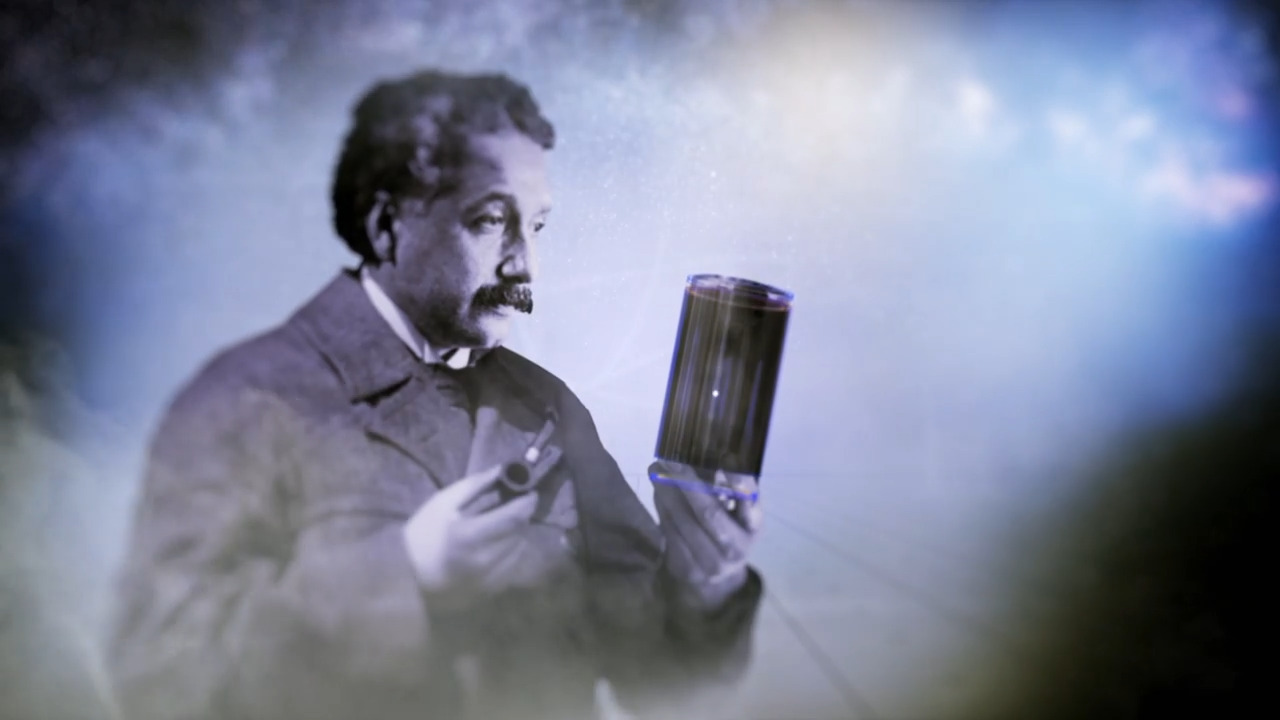
In The Time Dilation Effect, narrator Kate Yule investigates Einstein’s observation that the speed of light doesn't follow the same laws as the speed of objects. Einstein suggested that time is relative and can speed up or slow down depending on movement. Learn how NASA tested this theory using twin astronauts. This video is excerpted from BBC’s Einstein & Hawking: Masters of Our Universe, a mind-bending documentary that tells the story of how the two most famous scientists of the 20th Century transformed our understanding of the Universe and changed the world.
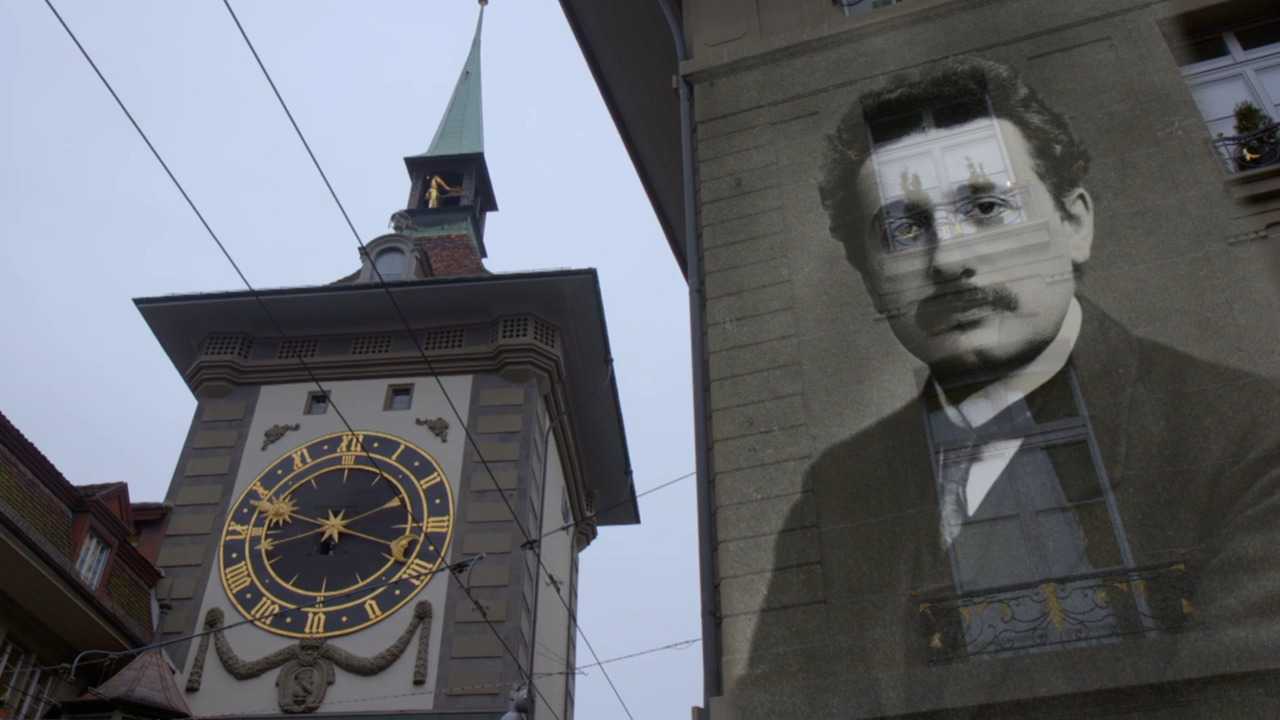
In Einstein’s Year of Miracles, narrator Kate Yule discusses the four papers that Einstein wrote in 1905, a year that is known as the Year of Miracles. One of those papers was on the Theory of Special Relativity. Watch how tennis balls being ejected from a moving truck appear stationary from the ground, but appear to move when observed from the truck. This illustrates how moving objects can appear differently when viewed alongside other moving objects. Learn how this theory can be applied to light to redefine the notion of time. This video is excerpted from BBC’s Einstein & Hawking: Masters of Our Universe, a mind-bending documentary that tells the story of how the two most famous scientists of the 20th Century transformed our understanding of the Universe and changed the world.
In Developing Theories From the Chemistry of Mercury, Professor Brian Cox explains why Mercury is an unusual planet. Learn how Mercury was formed and how scientists are using observations of the planet from the Messenger mission, to refine theories about how the planet came to be. This video is excerpted from BBC’s The Planets, a series that explores the dramatic lives of the eight planets in our Solar System.
Everyone loves a nature walk! Take your PreK–Grade 2 students outside to observe the world around them. With these worksheets on a clipboard, you can make your nature walk more focused and a true learning experience (in addition to being loads of fun!).
- Nature Walk Scavenger Hunt: Students look for a leaf, flower, bird, and more. They can check off each item they find and then color them when they get back to the classroom.
- Nature Walk Observations: Encourage your kids to draw and write what they see on their nature walk.
- Nature Walk I Spy: Challenge your students to find something that smells good, something round, something tiny, something rough, something green, and something that flies.
- Nature Walk Report: When you get back to the room, have your kids draw and write about what they saw on their nature walk.
In Searching for Seals, Ranger Hamza and the Ramblers have their binoculars ready to spot seals. Join them as they learn why seals are so important to their environment, and use binoculars to spot seals in the sea. This video is excerpted from BBC’s Ranger Hamza’s Eco Quest, a nature exploration show in which Ranger Hamza and the Ramblers go on quests to discover nature’s wonders and the important role they play in our environment.
In The Soggy Marshland Ecosystem, Ranger Hamza and the Ramblers explore a marshland, a place where land is covered in water. Come along to see what animals and plants they find. This video is excerpted from BBC's Ranger Hamza’s Eco Quest, a nature exploration show in which Ranger Hamza and the Ramblers go on quests to discover nature’s wonders and the important role they play in our environment.
In Just Right! How Plants Grow, Ranger Hamza and the Ramblers are at the park. They get a close-up look at flowers and learn what plants need in order to grow. This video is excerpted from BBC's Ranger Hamza’s Eco Quest, a nature exploration show in which Ranger Hamza and the Ramblers go on quests to discover nature’s wonders and the important role they play in our environment.
In Spotted! Birdwatching Using Our Five Senses, Ranger Hamza and the Ramblers use their five senses to find birds. Whether you call it bird spotting or birdwatching, it takes patience! Ranger Hamza and the Ramblers stay quiet so they can hear all the different birds in the park around them. Learn about the different birds they hear. This video is excerpted from BBC's Ranger Hamza’s Eco Quest, a nature exploration show in which Ranger Hamza and the Ramblers go on quests to discover nature’s wonders and the important role they play in our environment.
In Grunting With Gorillas, host Andy Day is in the mountains when he finds a family of gorillas. He grunts to let them know he’s approaching. Then he observes the gorillas taking care of each other. This video is excerpted from BBC’s Andy's Wild Adventures, in which Andy Day embarks on wild adventures with his puppet friend, Kip the cat.
In The Sperm Whale Mother and Calf, narrator Sir David Attenborough observes a sperm whale and her calf, resting, communicating, and feeding. The calf won’t be able to dive deep enough to hunt for squid for the first six years of life, but the mother dives and hunts and returns with a store of milk for the waiting calf. This video is excerpted from BBC’s Blue Planet II, a natural history series that explores the world's oceans, the animals that live in them, and the threats they face, using modern filming techniques and equipment to capture previously unseen areas of the ocean.
In Brown Hyenas of the Namib Desert, narrator Sir David Attenborough observes a female brown hyena living in the Namib Desert. Her home is an abandoned diamond mine, where she has reared nine generations of cubs. This video is excerpted from BBC’s Seven Worlds, One Planet, a series featuring remarkable animal behavior from all seven continents.
In Frigate Birds and Sailfish on the Hunt, narrator Sir David Attenborough observes the remarkable hunting techniques of frigate birds and sailfish in the open ocean. Frigate birds soar high above the water, scanning for fish below, while sailfish — some reaching lengths of 10 feet (3 meters) — surround schools of bait fish. The sailfish cooperate with one another, using their speed, agility, and color-changing abilities to confuse and catch their prey. As the bait fish move toward the surface, frigate birds dive down to snatch them. This video is excerpted from BBC’s Planet Earth, a breathtaking documentary series that highlights the natural wonders of our planet.
In The Time Dilation Effect, narrator Kate Yule investigates Einstein’s observation that the speed of light doesn't follow the same laws as the speed of objects. Einstein suggested that time is relative and can speed up or slow down depending on movement. Learn how NASA tested this theory using twin astronauts. This video is excerpted from BBC’s Einstein & Hawking: Masters of Our Universe, a mind-bending documentary that tells the story of how the two most famous scientists of the 20th Century transformed our understanding of the Universe and changed the world.
In Einstein’s Year of Miracles, narrator Kate Yule discusses the four papers that Einstein wrote in 1905, a year that is known as the Year of Miracles. One of those papers was on the Theory of Special Relativity. Watch how tennis balls being ejected from a moving truck appear stationary from the ground, but appear to move when observed from the truck. This illustrates how moving objects can appear differently when viewed alongside other moving objects. Learn how this theory can be applied to light to redefine the notion of time. This video is excerpted from BBC’s Einstein & Hawking: Masters of Our Universe, a mind-bending documentary that tells the story of how the two most famous scientists of the 20th Century transformed our understanding of the Universe and changed the world.