
The article "9 Stargazing Tips to Enjoy the Night Sky From Home" from BBC's Science Focus offers advice for stargazing without a telescope. It includes tips on dressing warmly, preparing your site, adjusting your eyes, spotting stars, planets, and meteors, and using apps to enhance your experience.

In The Go Jetters Chase the Northern Lights,the Go Jetters crew heads to Finland to witness the stunning Northern Lights! These bright, colorful lights swirl and dance across the night sky, creating a magical light show. The Northern Lights happen when beams from the Sun meet gases in the sky, but they only appear on clear nights in the far north. This video is excerpted from BBC’s Go Jetters, a series that follows the adventures of four plucky international heroes as they travel the globe visiting the world’s most famous landmarks with their friend and mentor, Ubercorn, a disco-dancing unicorn.
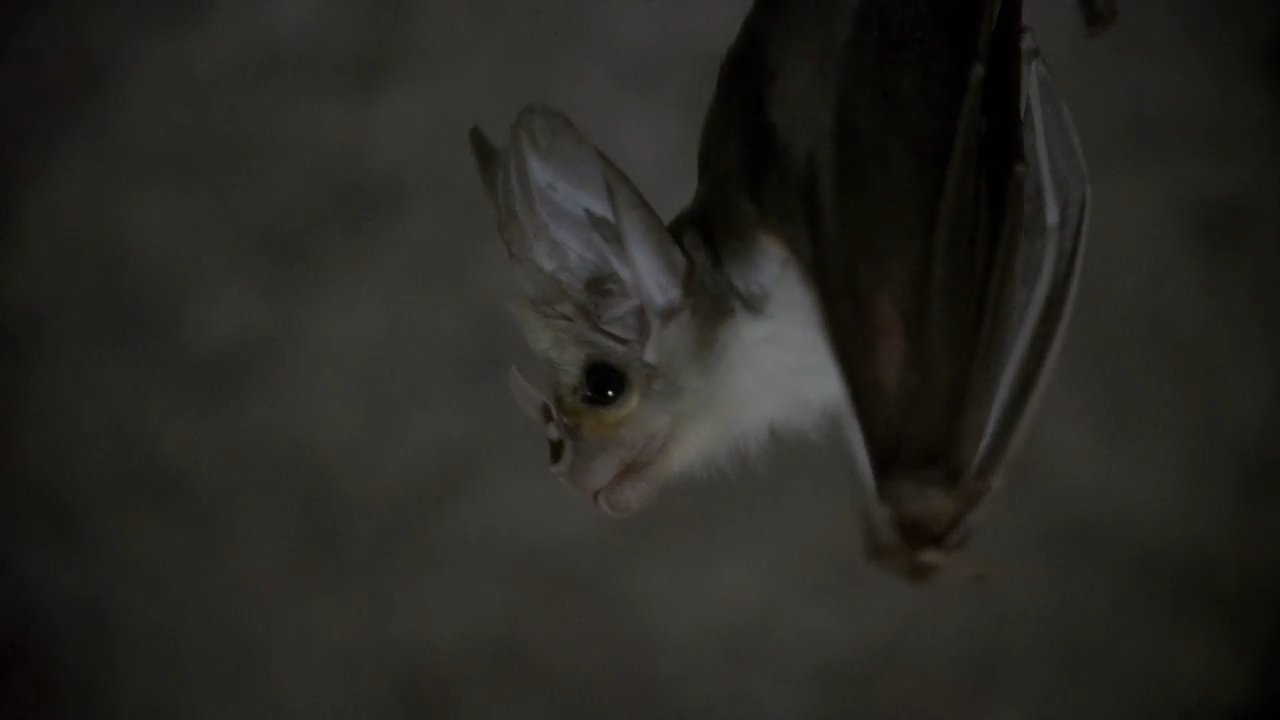
The end of the Cretaceous reshaped life on Earth, with the asteroid impact that wiped out more than 70% of species leaving a world where mammals could rapidly diversify. This clip from BBC’s Evolution episode "The Bat" follows that turning point to the emergence of early bats, including Icaronycteris, whose elongated fingers formed wings and whose specialized ear structures suggest that echolocation was already developing.
The combination of flight and echolocation allowed bats to exploit an entirely new environment, hunting for food in the night sky and eventually spreading across almost every continent. The video also connects the bat’s remarkable adaptations to features shared by all mammals, including jaws, complex teeth, a through gut, and specialized middle-ear bones, highlighting the deep evolutionary connections between bats, humans, and other mammals.

In Inside the Harbin Ice Festival, the Harbin Ice Festival lights up the night sky in Harbin, China for a few weeks each winter. Huge ice buildings are created and lit for tourists to visit before they melt in the spring. This video is excerpted from BBC’s Chinese New Year: The Biggest Celebration on Earth, a documentary series detailing the world's largest annual human migration (Chunyun), where over 1.5 billion people celebrate the Lunar New Year.

In The Dancing Lights and Shrinking Ice of Denali, host Simon Reeve ventures to a breathtaking hideaway in Denali Park, where the northernmost latitude and glaciers create an unforgettable setting. Surrounded by endless wilderness, he experiences the magic of the aurora borealis as it lights up the night sky. While the beauty is awe-inspiring, Simon also highlights a sobering reality: glaciers that once loomed hundreds of feet higher are shrinking, revealing the impact of climate change on the landscape. This video is excerpted from BBC’s The Americas With Simon Reeve, in which Simon Reeve explores the landscapes, cultures, and wildlife of North and South America.
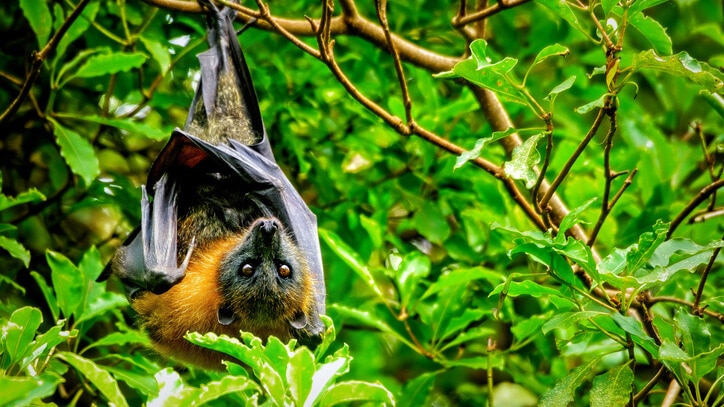
Wolves howl in the darkness, bats take to the night sky, spiders wait in carefully constructed webs, and owls hunt almost silently from above. These BBC videos explore the fascinating lives of animals that have become symbols of Halloween — and reveal that the truth behind their spooky reputations is often even more interesting.
Discover the remarkable senses, hunting strategies, and adaptations that help these animals thrive. See how bats navigate in darkness, how spiders use silk to capture prey, how wolves work together, and how owls are built for life as nighttime predators.
They may appear on decorations, costumes, and spooky stories every October, but these animals play important roles in real ecosystems around the world. Look beyond the myths and meet the science behind the creatures of Halloween.
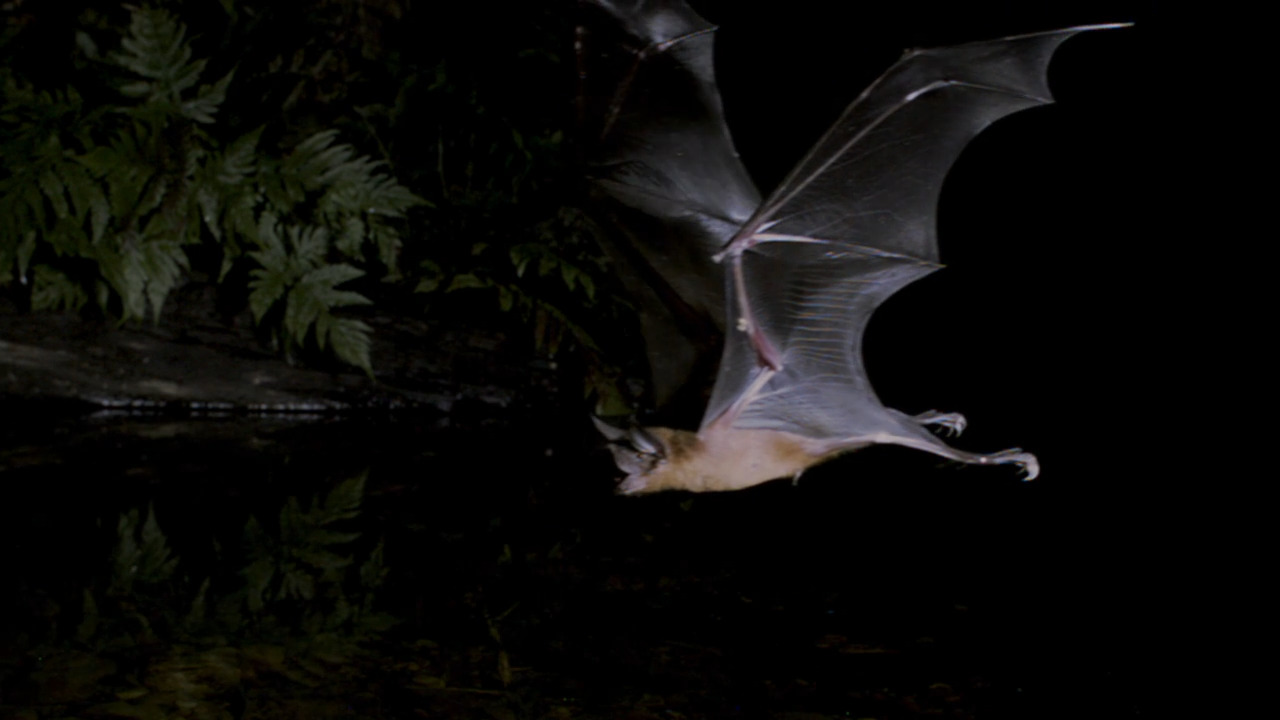
In How Bulldog Bats Hunt in the Night, Sir David Attenborough describes how, as night falls in Belize, bulldog bats take to the skies, ready for an evening feast. These incredible flying mammals are expert fishers, spotting tiny ripples on the water's surface to locate their prey. With lightning speed, they skim the water at 40 mph, snatching fish with their feet — but the splashy success attracts other bats to the scene. This video is excerpted from BBC's Life, a show that explores the remarkable strategies animals and plants use to ensure their survival.

It's Halloween (or Heelerween)! Grab your crayons and markers and finish this petrifying picture of costumed Bluey and Bingo as skeletons, witches, spiders, pumpkins, ghosts, and vampires.
Inspire by Season 1, Episode 8 "Fruit Bat": Not wanting to go to bed, Bluey tries to dream about being a nocturnal fruit bat so she can stay up all night long, and soon she finds herself flying through the night sky.
The article "9 Stargazing Tips to Enjoy the Night Sky From Home" from BBC's Science Focus offers advice for stargazing without a telescope. It includes tips on dressing warmly, preparing your site, adjusting your eyes, spotting stars, planets, and meteors, and using apps to enhance your experience.
In The Go Jetters Chase the Northern Lights,the Go Jetters crew heads to Finland to witness the stunning Northern Lights! These bright, colorful lights swirl and dance across the night sky, creating a magical light show. The Northern Lights happen when beams from the Sun meet gases in the sky, but they only appear on clear nights in the far north. This video is excerpted from BBC’s Go Jetters, a series that follows the adventures of four plucky international heroes as they travel the globe visiting the world’s most famous landmarks with their friend and mentor, Ubercorn, a disco-dancing unicorn.
The end of the Cretaceous reshaped life on Earth, with the asteroid impact that wiped out more than 70% of species leaving a world where mammals could rapidly diversify. This clip from BBC’s Evolution episode "The Bat" follows that turning point to the emergence of early bats, including Icaronycteris, whose elongated fingers formed wings and whose specialized ear structures suggest that echolocation was already developing.
The combination of flight and echolocation allowed bats to exploit an entirely new environment, hunting for food in the night sky and eventually spreading across almost every continent. The video also connects the bat’s remarkable adaptations to features shared by all mammals, including jaws, complex teeth, a through gut, and specialized middle-ear bones, highlighting the deep evolutionary connections between bats, humans, and other mammals.
In Inside the Harbin Ice Festival, the Harbin Ice Festival lights up the night sky in Harbin, China for a few weeks each winter. Huge ice buildings are created and lit for tourists to visit before they melt in the spring. This video is excerpted from BBC’s Chinese New Year: The Biggest Celebration on Earth, a documentary series detailing the world's largest annual human migration (Chunyun), where over 1.5 billion people celebrate the Lunar New Year.
In The Dancing Lights and Shrinking Ice of Denali, host Simon Reeve ventures to a breathtaking hideaway in Denali Park, where the northernmost latitude and glaciers create an unforgettable setting. Surrounded by endless wilderness, he experiences the magic of the aurora borealis as it lights up the night sky. While the beauty is awe-inspiring, Simon also highlights a sobering reality: glaciers that once loomed hundreds of feet higher are shrinking, revealing the impact of climate change on the landscape. This video is excerpted from BBC’s The Americas With Simon Reeve, in which Simon Reeve explores the landscapes, cultures, and wildlife of North and South America.
Wolves howl in the darkness, bats take to the night sky, spiders wait in carefully constructed webs, and owls hunt almost silently from above. These BBC videos explore the fascinating lives of animals that have become symbols of Halloween — and reveal that the truth behind their spooky reputations is often even more interesting.
Discover the remarkable senses, hunting strategies, and adaptations that help these animals thrive. See how bats navigate in darkness, how spiders use silk to capture prey, how wolves work together, and how owls are built for life as nighttime predators.
They may appear on decorations, costumes, and spooky stories every October, but these animals play important roles in real ecosystems around the world. Look beyond the myths and meet the science behind the creatures of Halloween.
In How Bulldog Bats Hunt in the Night, Sir David Attenborough describes how, as night falls in Belize, bulldog bats take to the skies, ready for an evening feast. These incredible flying mammals are expert fishers, spotting tiny ripples on the water's surface to locate their prey. With lightning speed, they skim the water at 40 mph, snatching fish with their feet — but the splashy success attracts other bats to the scene. This video is excerpted from BBC's Life, a show that explores the remarkable strategies animals and plants use to ensure their survival.
It's Halloween (or Heelerween)! Grab your crayons and markers and finish this petrifying picture of costumed Bluey and Bingo as skeletons, witches, spiders, pumpkins, ghosts, and vampires.
Inspire by Season 1, Episode 8 "Fruit Bat": Not wanting to go to bed, Bluey tries to dream about being a nocturnal fruit bat so she can stay up all night long, and soon she finds herself flying through the night sky.