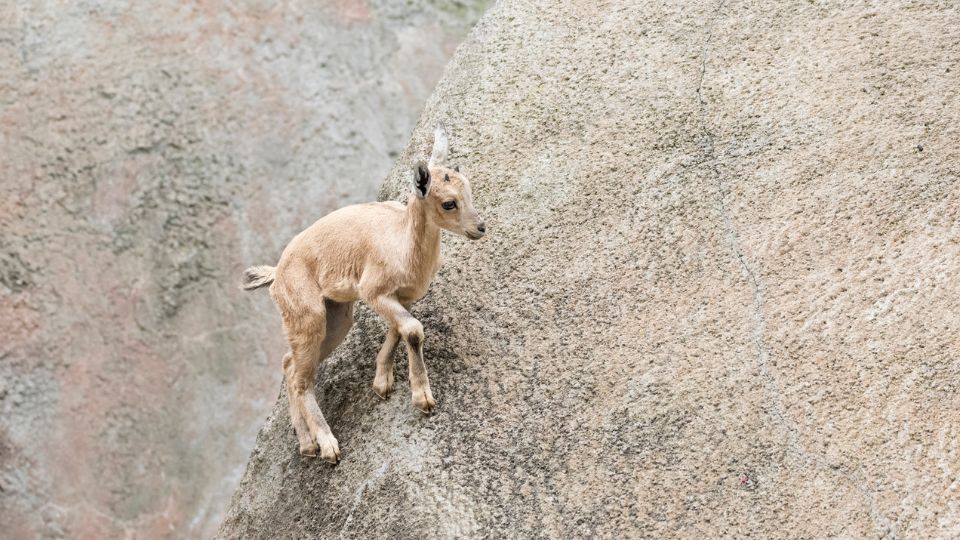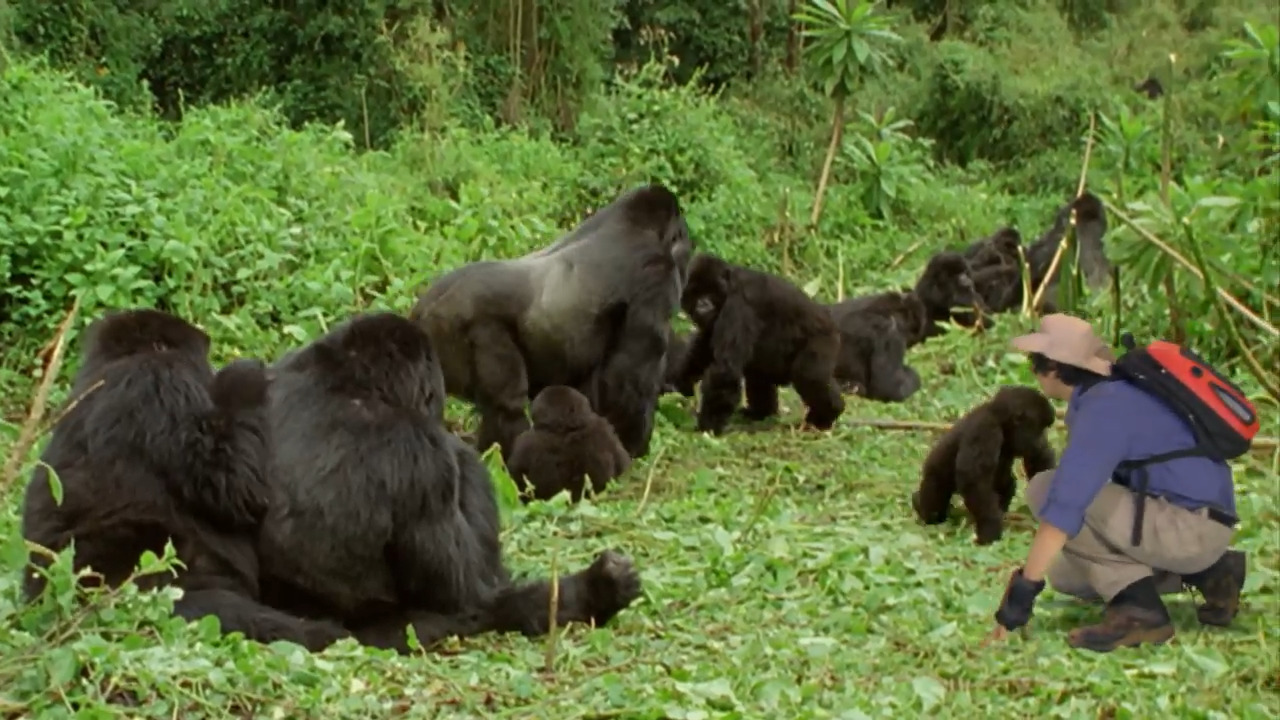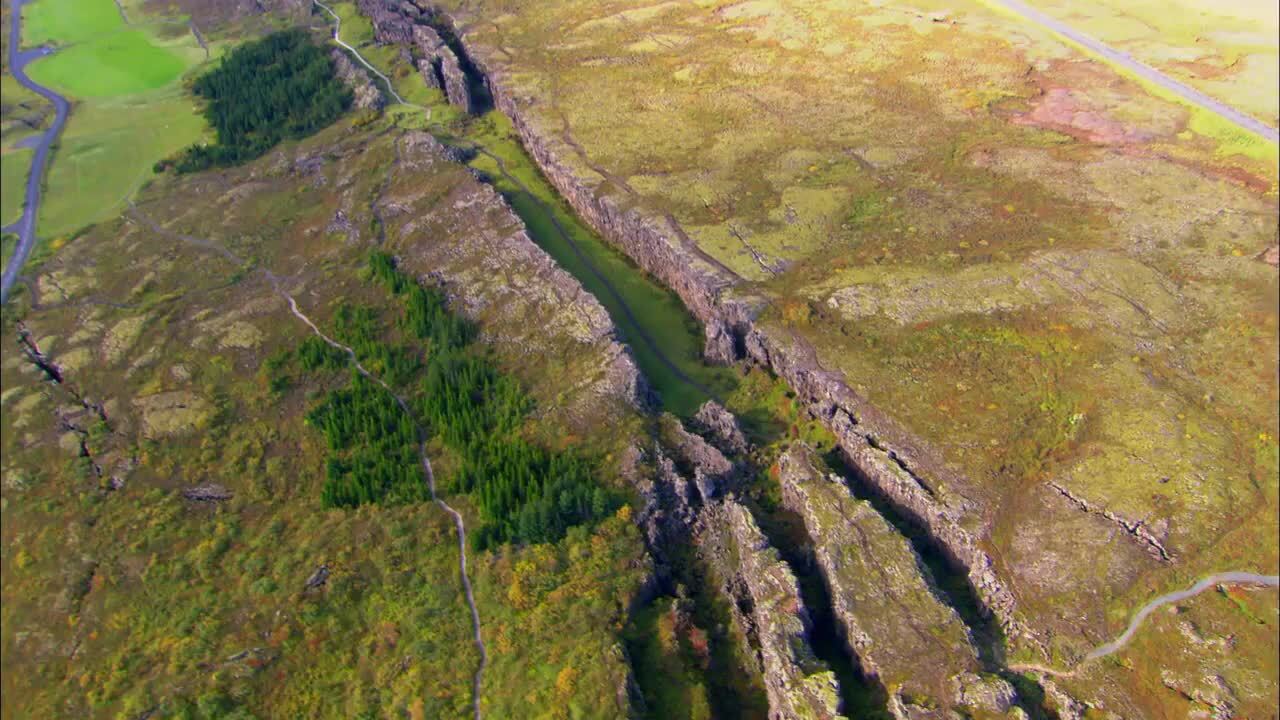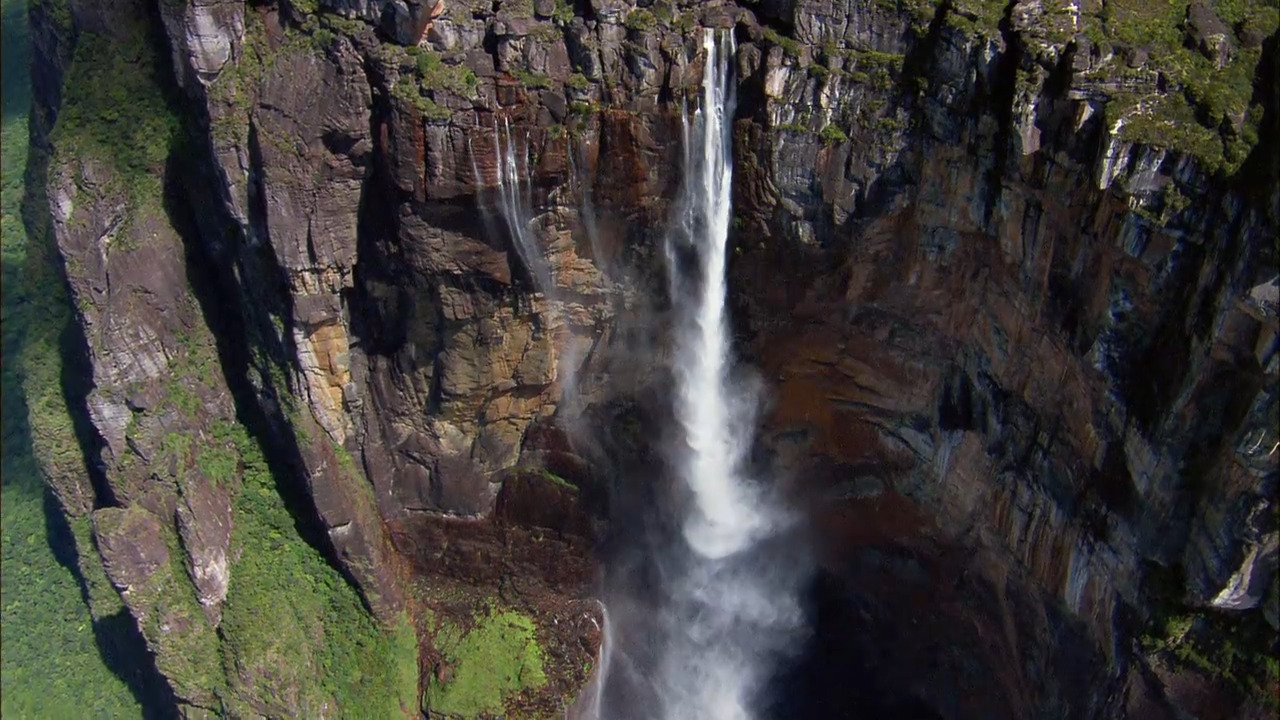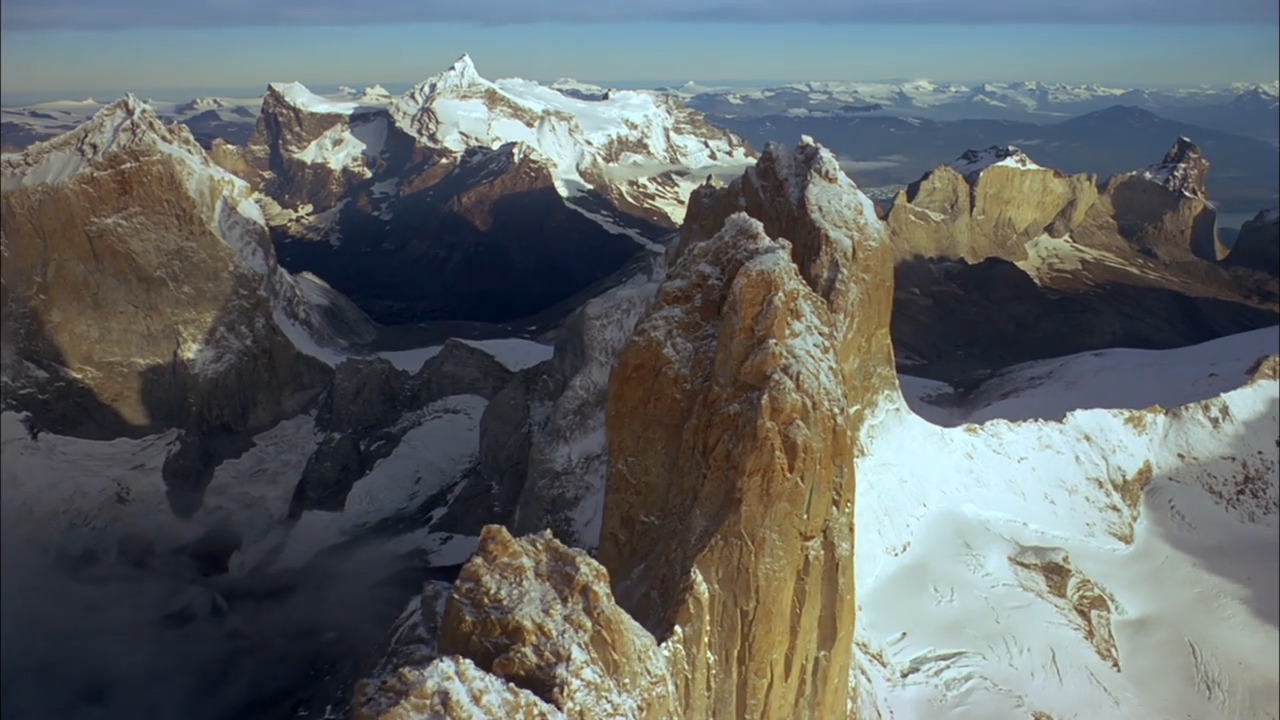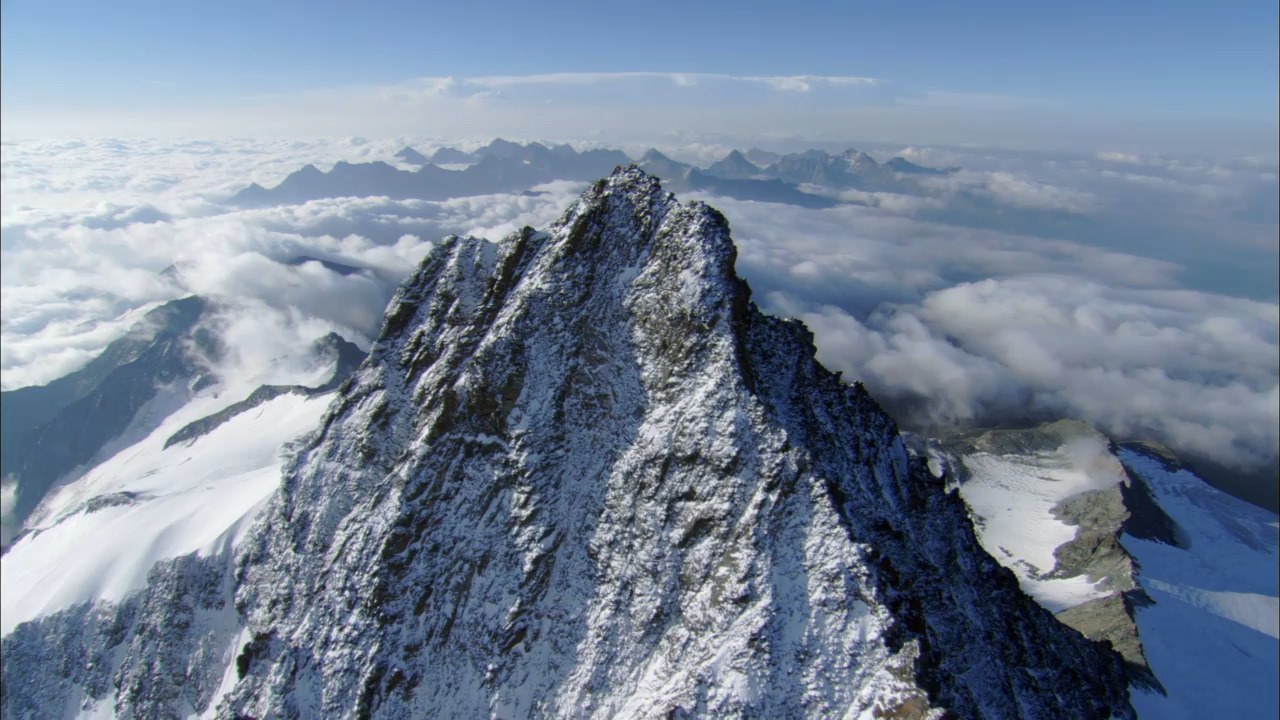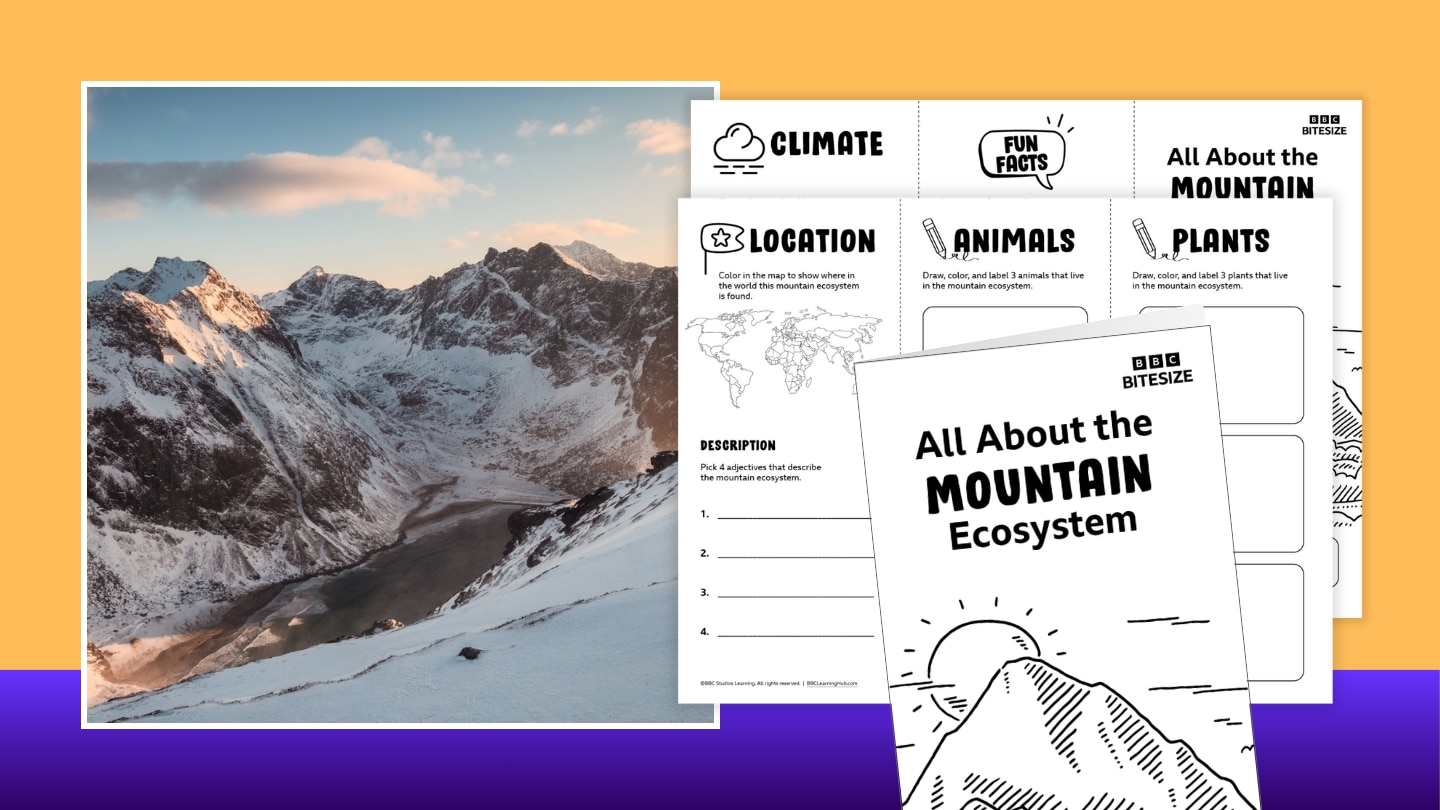
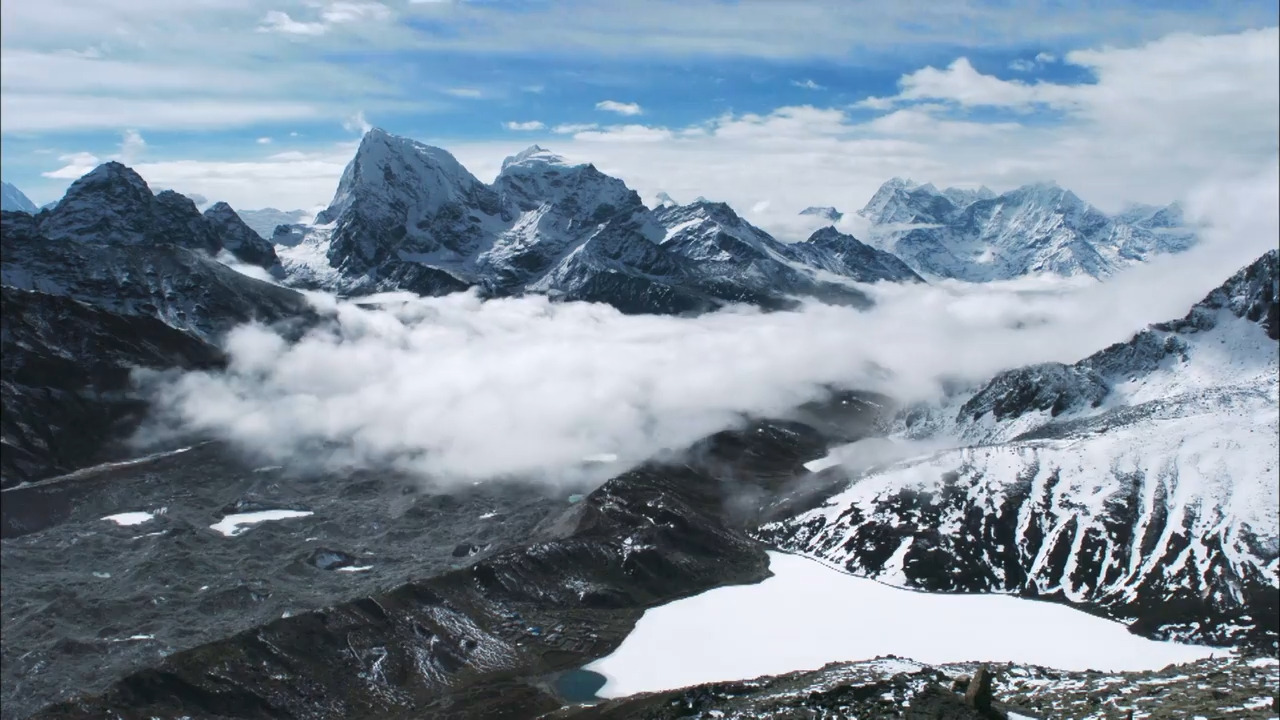
Take your students on a climb through the mountain ecosystem! From the towering Himalayas to the snowy Rockies, mountain ecosystems change as you climb, starting with green forests down low and ending with bare, windswept summits at the top.
✨ Perfect for grades 3–8, here’s what you need to bring ecosystems to life:
- Iconic BBC Videos: Share the clips on this page to introduce the location, plants, animals, and climate of the mountains. (Don't miss the grizzlies and snow leopards!) Brought to you by world-class BBC programs like Planet Earth.
- Free Printable: Use the Mountain Brochure Template to help students pull it all together in an ecosystem report with facts they’ve learned (and a little extra research).
It’s everything you need to make ecosystems easy to teach and truly memorable for your students.
What country is home to ancient pyramids, colorful monarch butterflies, towering volcanoes, and one of the world’s most famous celebrations? Meet Mexico, a country where ancient civilizations, diverse landscapes, and vibrant traditions come together.
From the Aztec and Maya to pumas and whale sharks, Mexico has a remarkable story to tell. Explore the civilizations that shaped the country, discover how Mexico gained independence from Spain, and learn about its food, festivals, languages, government, and cities. You’ll also discover how deserts, mountains, jungles, and coastlines provide habitats for an amazing variety of plants and animals.
Teachers and parents, you can use this fact file to:
- Introduce a geography or social studies unit
- Support nonfiction reading practice
- Compare countries and cultures
- Complete map and research activities
- Prepare students for projects or presentations (use our country report template!)
- Pair with videos, articles, or other informational texts (see Related Resources below)
What country is home to the Inca Empire, the Andes Mountains, and more than 3,000 varieties of potatoes? Meet Peru, a country where ancient civilizations and incredible natural landscapes come together.
From Machu Picchu and the ancient city of Cusco to alpacas and the towering Puya Raimondi plant, Peru is full of remarkable discoveries. Explore the civilizations that flourished here, learn how Spanish colonization changed the country, and discover Peru’s languages, traditions, foods, and government. You’ll also travel from the Pacific coast to the high Andes and deep into the Amazon to see how geography shapes life in Peru.
Teachers and parents, you can use this fact file to:
- Introduce a geography or social studies unit
- Support nonfiction reading practice
- Compare countries and cultures
- Complete map and research activities
- Prepare students for projects or presentations (use our country report template!)
- Pair with videos, articles, or other informational texts (see Related Resources below)
What country is home to the world’s highest waterfall, mysterious flat-topped mountains, and animals found nowhere else? Meet Venezuela, a country of spectacular landscapes and extraordinary biodiversity.
From Angel Falls and the tepuis to jaguars, tapirs, manatees, and the tiny Roraima bush toad, Venezuela is filled with natural wonders. Explore the Indigenous peoples and events that shaped the country’s history, learn about its government and oil-rich economy, and discover the foods, music, festivals, and traditions that make Venezuelan culture unique. You’ll also learn why Venezuela’s isolated tepuis are home to species that have adapted to life high above the surrounding landscape.
Teachers and parents, you can use this fact file to:
- Introduce a geography or social studies unit
- Support nonfiction reading practice
- Compare countries and cultures
- Complete map and research activities
- Prepare students for projects or presentations (use our country report template!)
- Pair with videos, articles, or other informational texts (see Related Resources below)
Discover the Heart of Africa! From sweeping savannas and deserts to forests, mountains, and mighty rivers, Africa is home to an incredible variety of landscapes — and an equally incredible variety of wildlife. Travel across the continent with Chester Zoo to explore some of its most fascinating habitats and discover how geography shapes the animals and people who live there.
Explore the countries and landscapes that make up Africa, identify different habitats, and see what makes each one unique. Then zoom in on the savanna to investigate its climate and discover what life is like in one of the world's most iconic ecosystems.
But the savanna is changing. Learn how shifts in climate are affecting this landscape and the wildlife that depends on it, and discover ways people can help protect these important habitats. Along the way, you'll build your geography skills while seeing Africa — and its wildlife — in a whole new way
Don't miss the geography worksheets that go with this lesson!
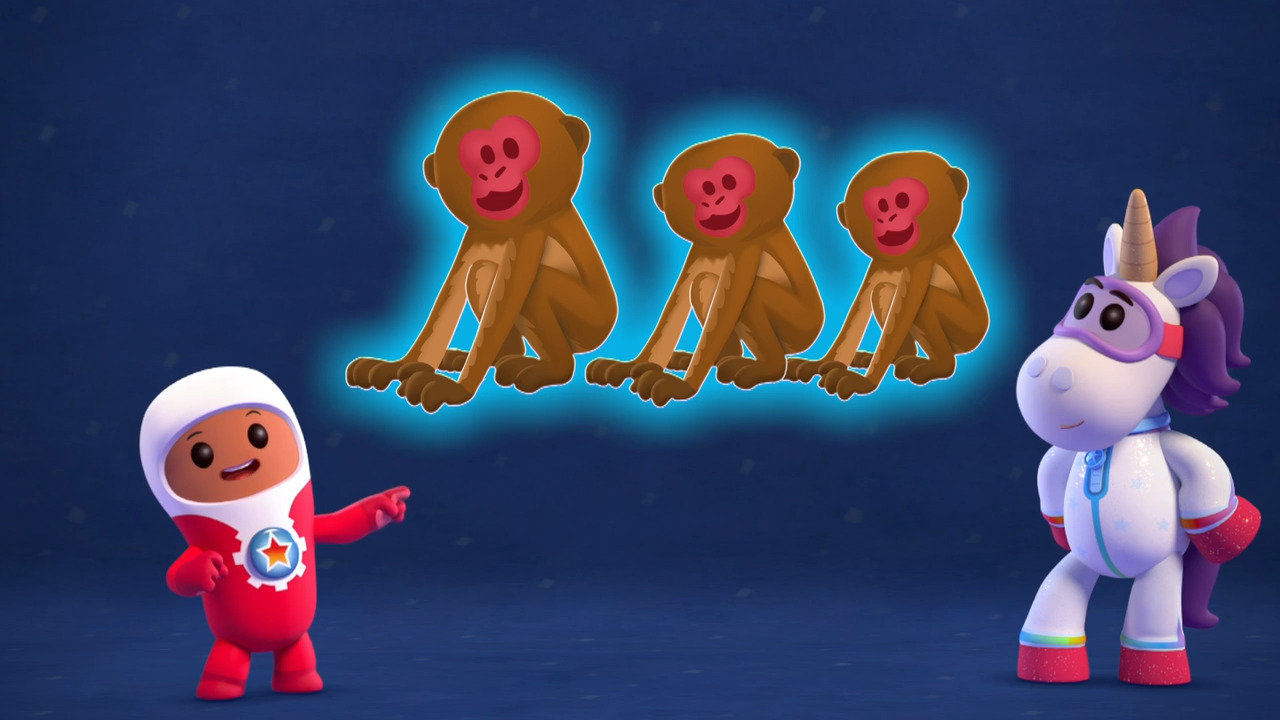
Meet the extreme survivors. Penguins, giraffes, golden snub-nosed monkeys, Namaqua chameleons — these animals have evolved remarkable ways to endure some of the harshest conditions on Earth. We've put together a collection of BBC video clips all about extreme survivors (see Related Resources below). Watch them, then take the Kahoot to see what stuck.
The adaptations are wide-ranging: penguins withstand sub-zero temperatures, giraffes manage naturally high blood pressure, snub-nosed monkeys huddle together to survive freezing nights, and Namaqua chameleons shift skin color to beat the heat of the day. Explore how these animals have adapted, body and behavior, to survive against the odds.
How did a small country on a mountainous peninsula become a global leader in technology, entertainment, and culture? Meet South Korea, a country where ancient traditions and modern innovation are woven together.
From the mountains and islands to the busy streets of Seoul, South Korea has much to explore. Learn how Korea’s history shaped the country it is today, discover the traditions and foods that bring people together, and explore South Korea’s government, economy, language, and culture. You’ll also meet native animals —including a flying squirrel — and discover how wildlife survives in a country where people and cities are never far away.
Teachers and parents, you can use this fact file to:
- Introduce a geography or social studies unit
- Support nonfiction reading practice
- Compare countries and cultures
- Complete map and research activities
- Prepare students for projects or presentations (use our country report template!)
- Pair with videos, articles, or other informational texts (see Related Resources below)
What country is home to more than a billion people, hundreds of languages, the Himalayan Mountains, and some of the world’s most iconic animals? Meet India, a country with an extraordinary mix of landscapes, cultures, religions, and traditions.
From Bengal tigers and colorful peafowl to the Taj Mahal and the mighty Himalayas, India is full of fascinating stories and discoveries. Explore the civilizations and empires that shaped its history, learn about Hinduism and other religions that began there, and discover the foods, festivals, languages, and traditions that make India unique. You’ll also explore the country’s incredible wildlife.
Teachers and parents, you can use this fact file to:
- Introduce a geography or social studies unit
- Support nonfiction reading practice
- Compare countries and cultures
- Complete map and research activities
- Prepare students for projects or presentations (use our country report template!)
- Pair with videos, articles, or other informational texts (see Related Resources below)
What island country is home to ancient temples, bustling cities, active volcanoes, and some of the world’s most unusual wildlife? Meet Japan, a country where centuries-old traditions and cutting-edge technology come together.
From Mount Fuji and the cherry blossoms to Japanese macaques and loggerhead turtles, Japan has an incredible variety of landscapes and living things. Discover how Japan’s islands and mountains have shaped its people and culture, explore key moments in its history, and learn about its government, language, food, and traditions. Along the way, you’ll uncover some surprising facts about this fascinating country.
Teachers and parents, you can use this fact file to:
- Introduce a geography or social studies unit
- Support nonfiction reading practice
- Compare countries and cultures
- Complete map and research activities
- Prepare students for projects or presentations (use our country report template!)
- Pair with videos, articles, or other informational texts (see Related Resources below)
What country has the world’s largest population, some of the oldest traditions on Earth, and landscapes ranging from towering mountains to vast deserts? Meet China, a country where ancient history and modern life exist side by side.
From the Forbidden City to giant pandas to the peaks of the Himalayas, China is filled with remarkable places, people, and wildlife. Explore how geography has shaped life across the country, discover important moments in China’s long history, and learn about its languages, government, food, traditions, and growing cities. You’ll also meet some of China’s unique animals!
Teachers and parents, you can use this fact file to:
- Introduce a geography or social studies unit
- Support nonfiction reading practice
- Compare countries and cultures
- Complete map and research activities
- Prepare students for projects or presentations (use our country report template!)
- Pair with videos, articles, or other informational texts (see Related Resources below)
Discover the story behind Christ the Redeemer, the towering statue that overlooks the city of Rio de Janeiro from high above the mountains. Students will explore how this famous monument was designed and built, what it symbolizes, and why it became one of the New Seven Wonders of the World.
This Kahoot examines the history, engineering, and cultural importance of Christ the Redeemer, including the challenges of constructing such a massive statue on a mountaintop and the meaning it holds as a symbol of faith, peace, and welcome. Students will also discover how the monument became one of the most recognizable landmarks in the world and an important part of Brazilian identity and culture.
Ideal for lessons on history, geography, engineering, religion, and world cultures, this Kahoot encourages students to explore the lasting impact of one of the world’s most iconic monuments.
Journey across Great Wall of China and discover the story behind one of the most impressive structures ever built. Students will explore how different sections of the wall were constructed over centuries, why rulers believed it was important for protection and defense, and what it reveals about power, leadership, and human determination.
This Kahoot examines the history and engineering of the Great Wall, including the materials used to build it, the soldiers and workers who maintained it, and the challenges of constructing such a massive structure across mountains and deserts. Students will also discover why the wall became one of the New Seven Wonders of the World and remains one of the world’s most recognizable landmarks.
Ideal for lessons on history, geography, engineering, and world cultures, this Kahoot encourages students to explore the lasting legacy of ancient Chinese civilization and one of humanity’s greatest building achievements.
Take your students on a climb through the mountain ecosystem! From the towering Himalayas to the snowy Rockies, mountain ecosystems change as you climb, starting with green forests down low and ending with bare, windswept summits at the top.
✨ Perfect for grades 3–8, here’s what you need to bring ecosystems to life:
- Iconic BBC Videos: Share the clips on this page to introduce the location, plants, animals, and climate of the mountains. (Don't miss the grizzlies and snow leopards!) Brought to you by world-class BBC programs like Planet Earth.
- Free Printable: Use the Mountain Brochure Template to help students pull it all together in an ecosystem report with facts they’ve learned (and a little extra research).
It’s everything you need to make ecosystems easy to teach and truly memorable for your students.
What country is home to ancient pyramids, colorful monarch butterflies, towering volcanoes, and one of the world’s most famous celebrations? Meet Mexico, a country where ancient civilizations, diverse landscapes, and vibrant traditions come together.
From the Aztec and Maya to pumas and whale sharks, Mexico has a remarkable story to tell. Explore the civilizations that shaped the country, discover how Mexico gained independence from Spain, and learn about its food, festivals, languages, government, and cities. You’ll also discover how deserts, mountains, jungles, and coastlines provide habitats for an amazing variety of plants and animals.
Teachers and parents, you can use this fact file to:
- Introduce a geography or social studies unit
- Support nonfiction reading practice
- Compare countries and cultures
- Complete map and research activities
- Prepare students for projects or presentations (use our country report template!)
- Pair with videos, articles, or other informational texts (see Related Resources below)
What country is home to the Inca Empire, the Andes Mountains, and more than 3,000 varieties of potatoes? Meet Peru, a country where ancient civilizations and incredible natural landscapes come together.
From Machu Picchu and the ancient city of Cusco to alpacas and the towering Puya Raimondi plant, Peru is full of remarkable discoveries. Explore the civilizations that flourished here, learn how Spanish colonization changed the country, and discover Peru’s languages, traditions, foods, and government. You’ll also travel from the Pacific coast to the high Andes and deep into the Amazon to see how geography shapes life in Peru.
Teachers and parents, you can use this fact file to:
- Introduce a geography or social studies unit
- Support nonfiction reading practice
- Compare countries and cultures
- Complete map and research activities
- Prepare students for projects or presentations (use our country report template!)
- Pair with videos, articles, or other informational texts (see Related Resources below)
What country is home to the world’s highest waterfall, mysterious flat-topped mountains, and animals found nowhere else? Meet Venezuela, a country of spectacular landscapes and extraordinary biodiversity.
From Angel Falls and the tepuis to jaguars, tapirs, manatees, and the tiny Roraima bush toad, Venezuela is filled with natural wonders. Explore the Indigenous peoples and events that shaped the country’s history, learn about its government and oil-rich economy, and discover the foods, music, festivals, and traditions that make Venezuelan culture unique. You’ll also learn why Venezuela’s isolated tepuis are home to species that have adapted to life high above the surrounding landscape.
Teachers and parents, you can use this fact file to:
- Introduce a geography or social studies unit
- Support nonfiction reading practice
- Compare countries and cultures
- Complete map and research activities
- Prepare students for projects or presentations (use our country report template!)
- Pair with videos, articles, or other informational texts (see Related Resources below)
Discover the Heart of Africa! From sweeping savannas and deserts to forests, mountains, and mighty rivers, Africa is home to an incredible variety of landscapes — and an equally incredible variety of wildlife. Travel across the continent with Chester Zoo to explore some of its most fascinating habitats and discover how geography shapes the animals and people who live there.
Explore the countries and landscapes that make up Africa, identify different habitats, and see what makes each one unique. Then zoom in on the savanna to investigate its climate and discover what life is like in one of the world's most iconic ecosystems.
But the savanna is changing. Learn how shifts in climate are affecting this landscape and the wildlife that depends on it, and discover ways people can help protect these important habitats. Along the way, you'll build your geography skills while seeing Africa — and its wildlife — in a whole new way
Don't miss the geography worksheets that go with this lesson!
Meet the extreme survivors. Penguins, giraffes, golden snub-nosed monkeys, Namaqua chameleons — these animals have evolved remarkable ways to endure some of the harshest conditions on Earth. We've put together a collection of BBC video clips all about extreme survivors (see Related Resources below). Watch them, then take the Kahoot to see what stuck.
The adaptations are wide-ranging: penguins withstand sub-zero temperatures, giraffes manage naturally high blood pressure, snub-nosed monkeys huddle together to survive freezing nights, and Namaqua chameleons shift skin color to beat the heat of the day. Explore how these animals have adapted, body and behavior, to survive against the odds.
How did a small country on a mountainous peninsula become a global leader in technology, entertainment, and culture? Meet South Korea, a country where ancient traditions and modern innovation are woven together.
From the mountains and islands to the busy streets of Seoul, South Korea has much to explore. Learn how Korea’s history shaped the country it is today, discover the traditions and foods that bring people together, and explore South Korea’s government, economy, language, and culture. You’ll also meet native animals —including a flying squirrel — and discover how wildlife survives in a country where people and cities are never far away.
Teachers and parents, you can use this fact file to:
- Introduce a geography or social studies unit
- Support nonfiction reading practice
- Compare countries and cultures
- Complete map and research activities
- Prepare students for projects or presentations (use our country report template!)
- Pair with videos, articles, or other informational texts (see Related Resources below)
What country is home to more than a billion people, hundreds of languages, the Himalayan Mountains, and some of the world’s most iconic animals? Meet India, a country with an extraordinary mix of landscapes, cultures, religions, and traditions.
From Bengal tigers and colorful peafowl to the Taj Mahal and the mighty Himalayas, India is full of fascinating stories and discoveries. Explore the civilizations and empires that shaped its history, learn about Hinduism and other religions that began there, and discover the foods, festivals, languages, and traditions that make India unique. You’ll also explore the country’s incredible wildlife.
Teachers and parents, you can use this fact file to:
- Introduce a geography or social studies unit
- Support nonfiction reading practice
- Compare countries and cultures
- Complete map and research activities
- Prepare students for projects or presentations (use our country report template!)
- Pair with videos, articles, or other informational texts (see Related Resources below)
What island country is home to ancient temples, bustling cities, active volcanoes, and some of the world’s most unusual wildlife? Meet Japan, a country where centuries-old traditions and cutting-edge technology come together.
From Mount Fuji and the cherry blossoms to Japanese macaques and loggerhead turtles, Japan has an incredible variety of landscapes and living things. Discover how Japan’s islands and mountains have shaped its people and culture, explore key moments in its history, and learn about its government, language, food, and traditions. Along the way, you’ll uncover some surprising facts about this fascinating country.
Teachers and parents, you can use this fact file to:
- Introduce a geography or social studies unit
- Support nonfiction reading practice
- Compare countries and cultures
- Complete map and research activities
- Prepare students for projects or presentations (use our country report template!)
- Pair with videos, articles, or other informational texts (see Related Resources below)
What country has the world’s largest population, some of the oldest traditions on Earth, and landscapes ranging from towering mountains to vast deserts? Meet China, a country where ancient history and modern life exist side by side.
From the Forbidden City to giant pandas to the peaks of the Himalayas, China is filled with remarkable places, people, and wildlife. Explore how geography has shaped life across the country, discover important moments in China’s long history, and learn about its languages, government, food, traditions, and growing cities. You’ll also meet some of China’s unique animals!
Teachers and parents, you can use this fact file to:
- Introduce a geography or social studies unit
- Support nonfiction reading practice
- Compare countries and cultures
- Complete map and research activities
- Prepare students for projects or presentations (use our country report template!)
- Pair with videos, articles, or other informational texts (see Related Resources below)
Discover the story behind Christ the Redeemer, the towering statue that overlooks the city of Rio de Janeiro from high above the mountains. Students will explore how this famous monument was designed and built, what it symbolizes, and why it became one of the New Seven Wonders of the World.
This Kahoot examines the history, engineering, and cultural importance of Christ the Redeemer, including the challenges of constructing such a massive statue on a mountaintop and the meaning it holds as a symbol of faith, peace, and welcome. Students will also discover how the monument became one of the most recognizable landmarks in the world and an important part of Brazilian identity and culture.
Ideal for lessons on history, geography, engineering, religion, and world cultures, this Kahoot encourages students to explore the lasting impact of one of the world’s most iconic monuments.
Journey across Great Wall of China and discover the story behind one of the most impressive structures ever built. Students will explore how different sections of the wall were constructed over centuries, why rulers believed it was important for protection and defense, and what it reveals about power, leadership, and human determination.
This Kahoot examines the history and engineering of the Great Wall, including the materials used to build it, the soldiers and workers who maintained it, and the challenges of constructing such a massive structure across mountains and deserts. Students will also discover why the wall became one of the New Seven Wonders of the World and remains one of the world’s most recognizable landmarks.
Ideal for lessons on history, geography, engineering, and world cultures, this Kahoot encourages students to explore the lasting legacy of ancient Chinese civilization and one of humanity’s greatest building achievements.