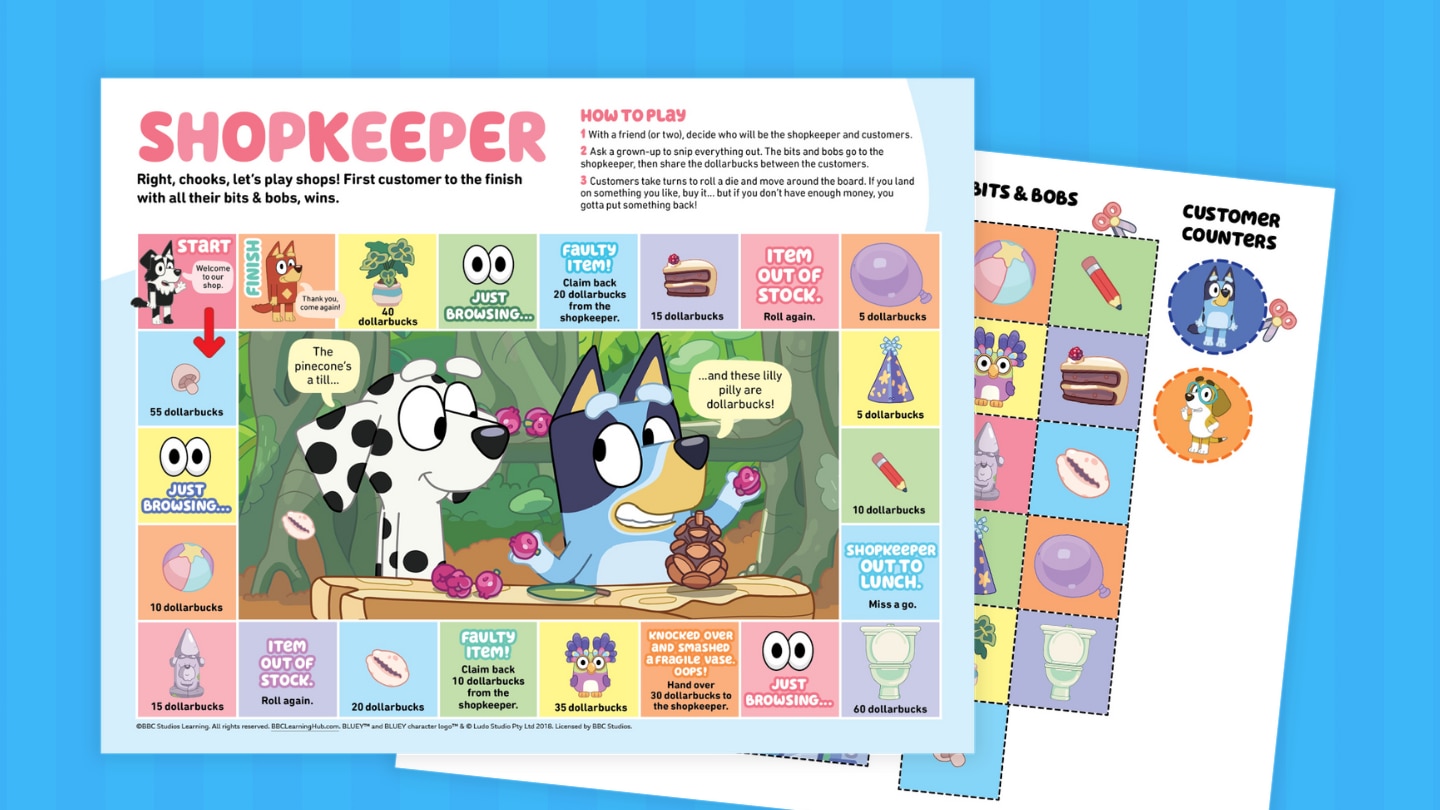
Right, chooks, let’s play shops! First customer to the finish with all their bits & bobs, wins. Here's how to play:
- With a friend (or two), decide who will be the shopkeeper and customers.
- Ask a grown-up to snip everything out. The bits and bobs go to the shopkeeper, then share the dollarbucks between the customers.
- Customers take turns to roll a die and move around the board. If you land on something you like, buy it... but if you don’t have enough money, you gotta put something back!
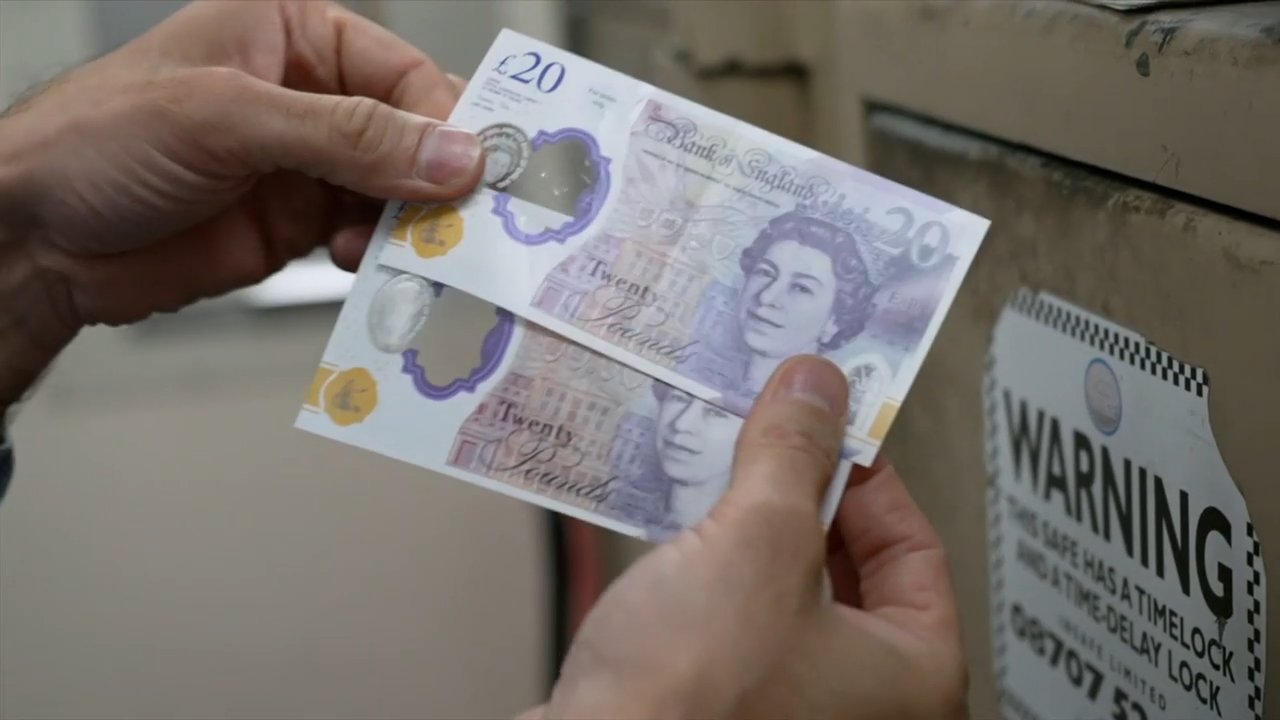
“Flush with cash” might need to turn into “flush that cash” if fake money keeps popping up! Counterfeit cash used to be a problem for mostly shops and retailers, but there’s been a recent rise in fake cash popping up in the home! That doesn’t mean that more of your neighborhood pals have decided to print their own money, or that fake bills are appearing out of thin air, but enough of it is in circulation that everyday people are going to make a purchase or deposit money with counterfeit cash, very possibly by accident.
In 2024, there were 99,000 fake notes in circulation. Last year, that doubled to 200,000, partly because of a rise in organized crime. While the fake bills make their way between hands and households and businesses, people become increasingly reliant on electronic methods of payment (like cards and Venmo), so they fall a bit out of practice of knowing what physical, paper money looks and feels like.
Unfortunately, it’s not always the people making counterfeit bills that are punished. Shops and retailers are hurting, and customers go into banks and post offices to deposit money that can’t be accepted because it ends up being fake.
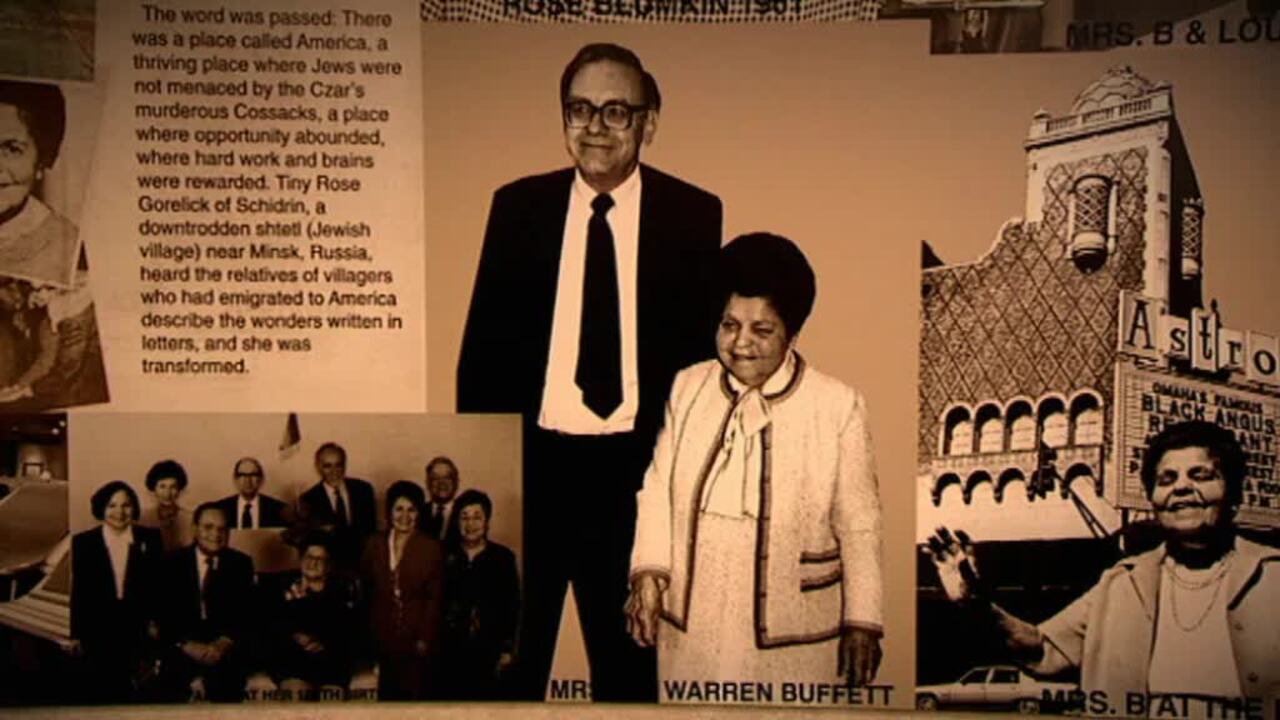
In How Warren Buffett Turned Smart Deals Into Billions, learn about Warren Buffett, famous for his unique way of making deals and spotting great business opportunities. When he bought Nebraska Furniture Mart, he skipped the usual long negotiations and paperwork, sealing the deal for $50 million — way less than it was actually worth! Buffett has a talent for staying calm and letting sellers lower their own prices without even realizing it. Thanks to his sharp business skills, he quickly turned his smart investments into a billion-dollar empire. This video is excerpted from BBC’s Warren Buffett: The World’s Greatest Money Maker, which explores Warren Buffett’s unique investment strategies and business mindset.
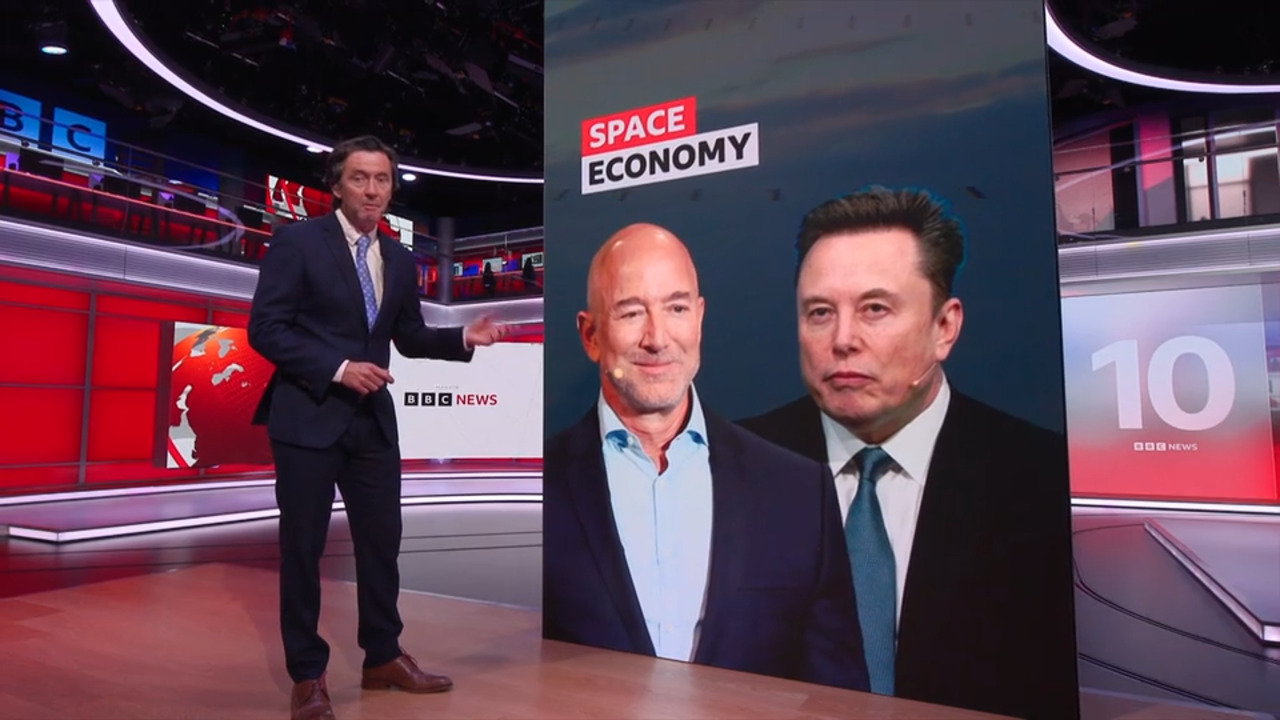
The “global space economy” refers to pretty much everything having to do with human progress through space, including exploration, research, management, and use. It also generates hundreds of billions of dollars every year.
You may not have heard the term “global space economy,” but you’ve probably heard of at least two of the big players: Jeff Bezos and Elon Musk. As founders of Blue Origin and SpaceX, their companies are estimated to be worth $100 billion and $1.8 trillion, respectively. If you took 1.8 trillion standard dollar bills end-to-end, it would stretch 100 million miles — more than the distance from the Earth to the Sun! Imagine walking to the Sun on a bridge made of money! You couldn’t, because of all of the “zero gravity.” Your feet would also get very tired. There’s also no oxygen. But we know all of this because of how much we’ve studied space!
So why spend so much time and money on the space industry, which has expanded massively in the last few decades? Don’t only a few select astronauts go to space? Shouldn’t we be focusing on Earth? Well, what we learn in space has a big impact on what we do on the ground. Our findings from space show up as the GPS on our phones, in ships navigating the oceans, even as farmers using satellite photography to plan their crops.
There’s no sign of slowing down on the space front — the UK is focusing on small satellites, America is hoping to put astronauts back on the moon by 2028, and China is planning its own lunar landing by 2030. These explorations could provide valuable minerals, insight to getting past the Moon (like to Mars), and open up space tourism opportunities.

The RSPB (Royal Society for the Protection of Birds) is investigating attacks on birds of prey, also called raptors. Raptors hunt and feed on other animals, but even though they're near the top of the food chain, one of their biggest threats is humans.
There have been reports of raptors found dead in suspicious circumstances or caught in illegal traps. Investigators are reviewing footage from cameras near some traps to help identify who's responsible. The traps themselves are legal when used correctly, and any animal that isn't the intended target must be released unharmed. But footage has shown some people mistreating or killing these protected birds instead.
Investigators believe money is behind some of the attacks. Raptors sometimes hunt game birds, which people also hunt for sport or profit. By illegally removing birds of prey, some people may be trying to leave more game birds available for shooting. Officials are struggling to find ways to reduce these attacks — fines and prosecution haven't been very effective so far. Some campaigners want stronger licensing rules for trap use, while others argue that would be hard to enforce and might not stop illegal attacks either.
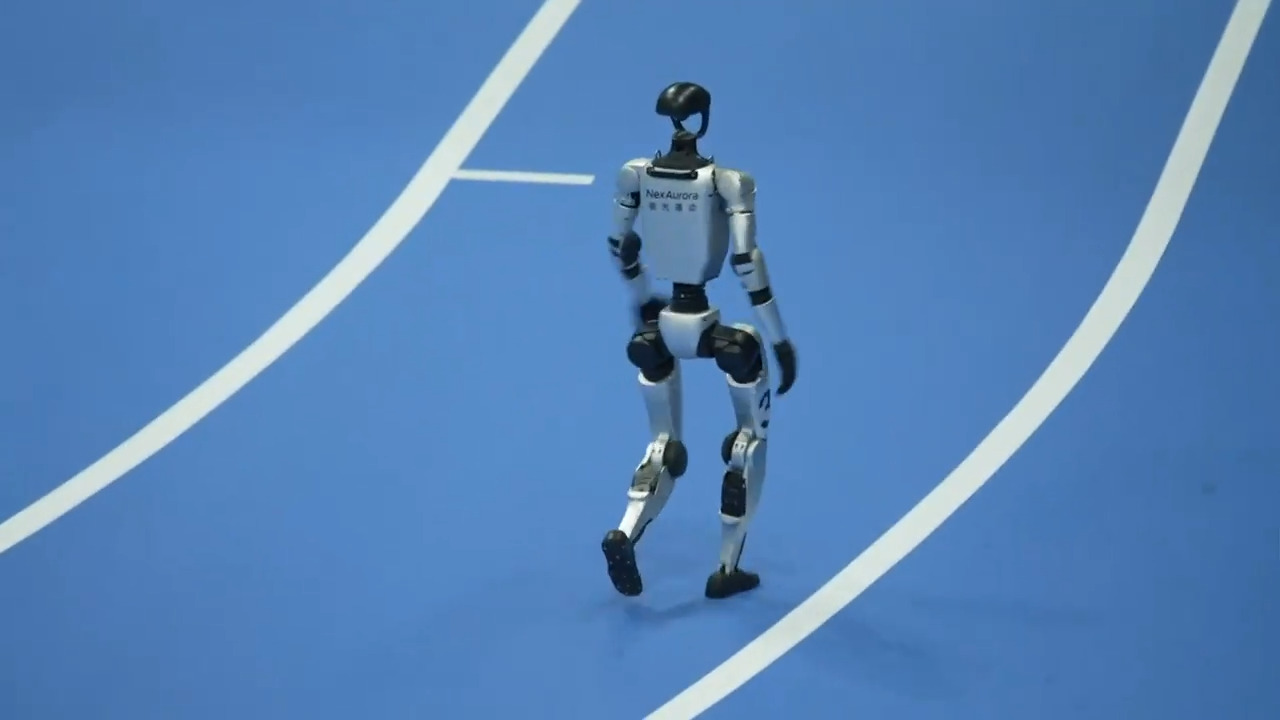
If humans have the Olympics, robots have their own ultimate showdown: the World Humanoid Robot Games in Beijing, China. It’s a high-energy mix of sport and science where humanoid robots sprint, box, and compete in athletic challenges designed to test just how “human-like” they really are.
But this isn’t just for fun (though it definitely looks fun to watch). Engineers use the competition to push their robots to the limit — testing speed, balance, coordination, and decision-making. Every stumble or success helps them figure out how to build smarter, stronger machines for the future. There’s prize money and recognition on the line too, which helps fuel a fast-growing robotics industry already backed by billions of dollars.
And no, this doesn’t mean robot athletes are about to take over your school sports day. Experts say humanoid robots are still mostly heading toward factories and specialized jobs — not everyday life. So for now, the biggest robot “athlete” you’ll probably meet is still your vacuum cleaner doing laps around the living room.
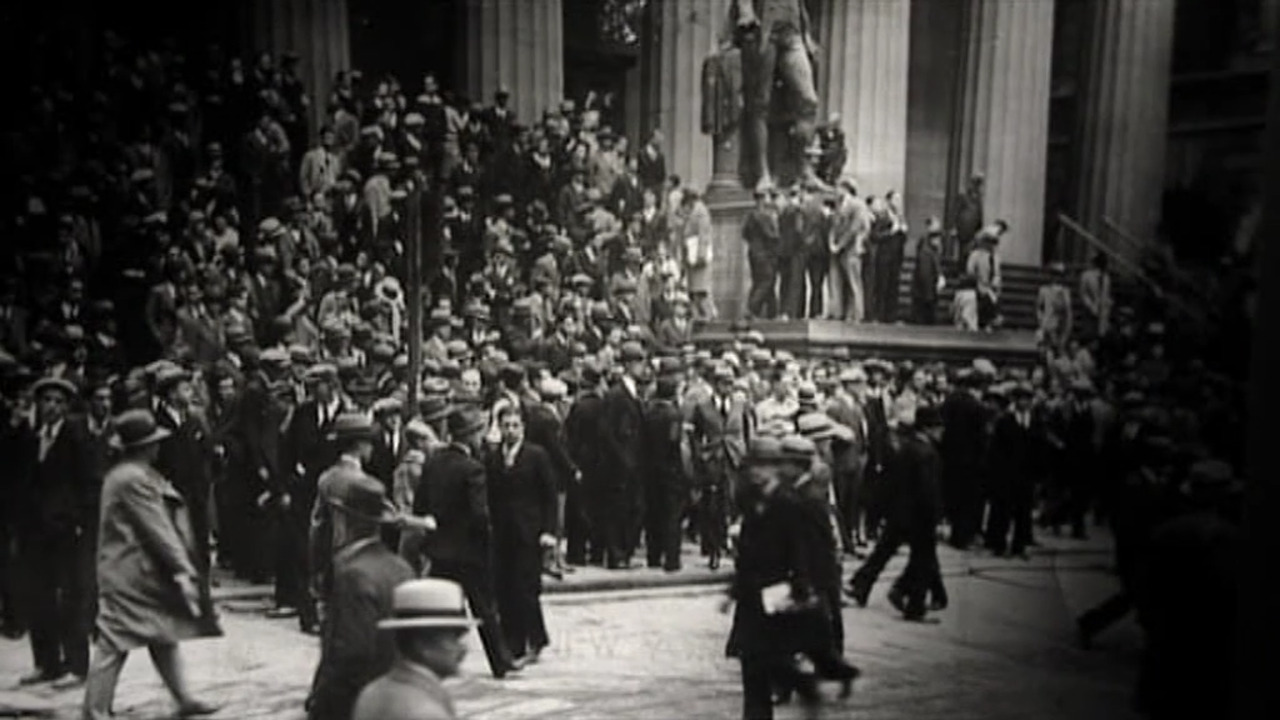
In The Stock Market Crash of 1929, learn about one of the most shocking financial disasters in history, which unfolded on the floor of the New York Stock Exchange. At the Museum of Financial History, you can see a replica of the ticker tape machine that delivered the news — and the actual ticker tape from that fateful day. People watched in fear as their hard-earned money vanished, and the panic that followed changed the economy forever. This video is excerpted from BBC’s Road to Riches, which explores the history of money, wealth, and economic power.
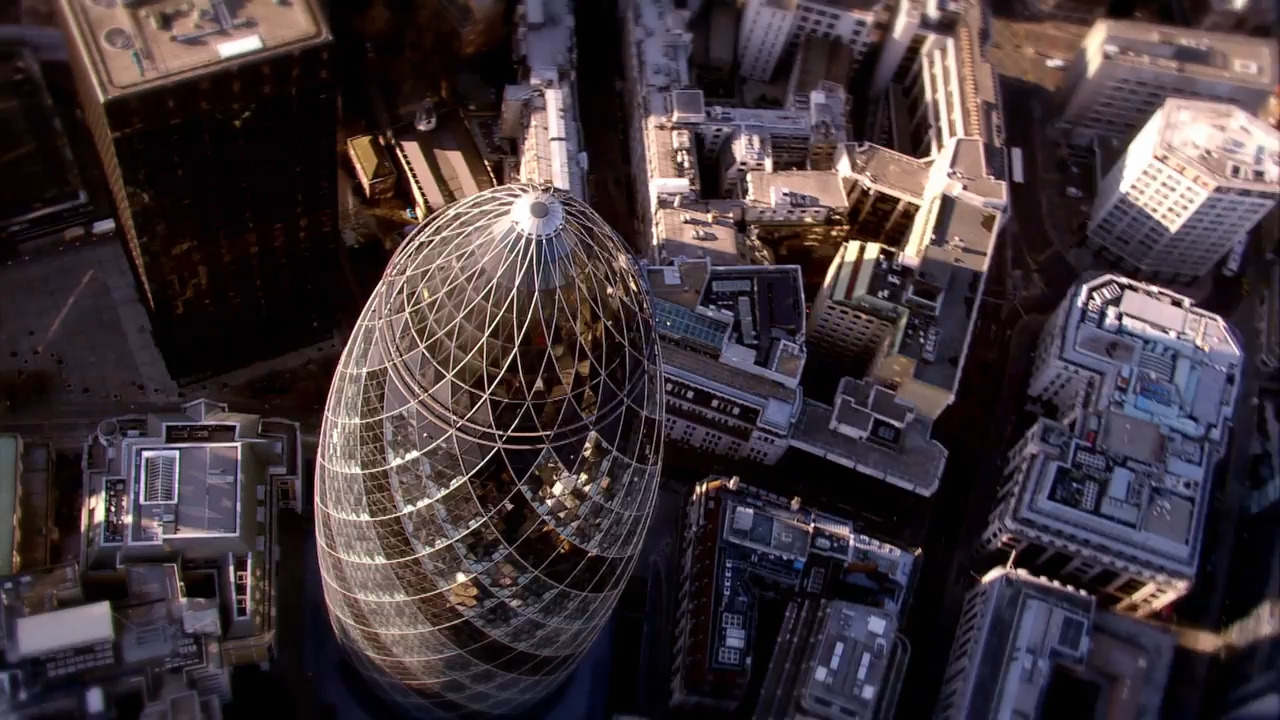
In How Data Transformed Trading, discover how data became a powerful tool for understanding human behavior — and making big money! Meet David Harding, a science graduate who shook up the chaotic world of trading by using math and data to predict price patterns. While others trusted their gut, Harding believed data and the right computer algorithms could crack the code of the stock market. Today, his company invests billions, proving that smart data (and a little science) can change the game! This video is excerpted from BBC’s Horizon: The Age of Big Data, which explores how data has shaped industries, economies, and human behavior.
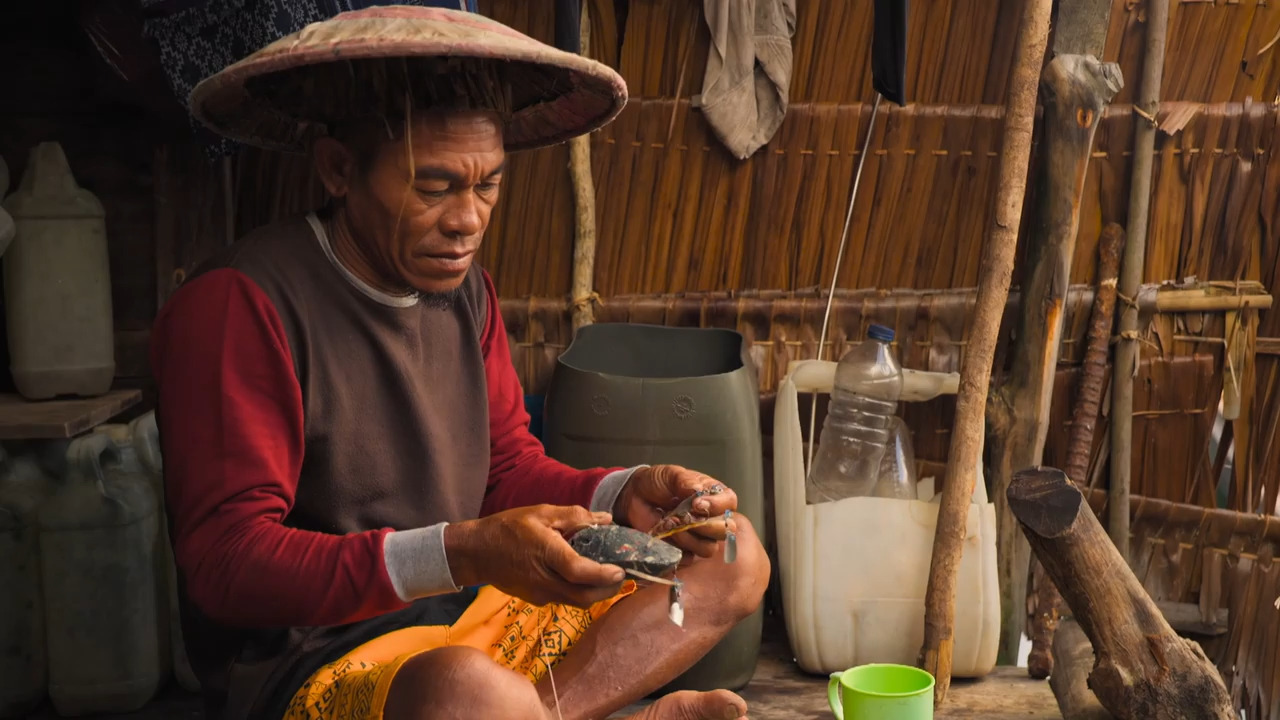
In The Sea Nomads of Southeast Asia, host Simon Reeve visits the Bajau community, known as the sea nomads of Southeast Asia, who live their entire lives on the water. He spends a night with Bari and his family, learning how they rely on Bari’s daily fishing trips to survive and earn money for essentials. Despite the dangers of diving alone in tiger shark territory, Bari provides for his family while they also raise chickens for extra food. This video is excerpted from BBC’s Wilderness With Simon Reeve, an epic adventure into the heart of Earth’s last great wild areas, where nature is at its most beautiful and fragile.
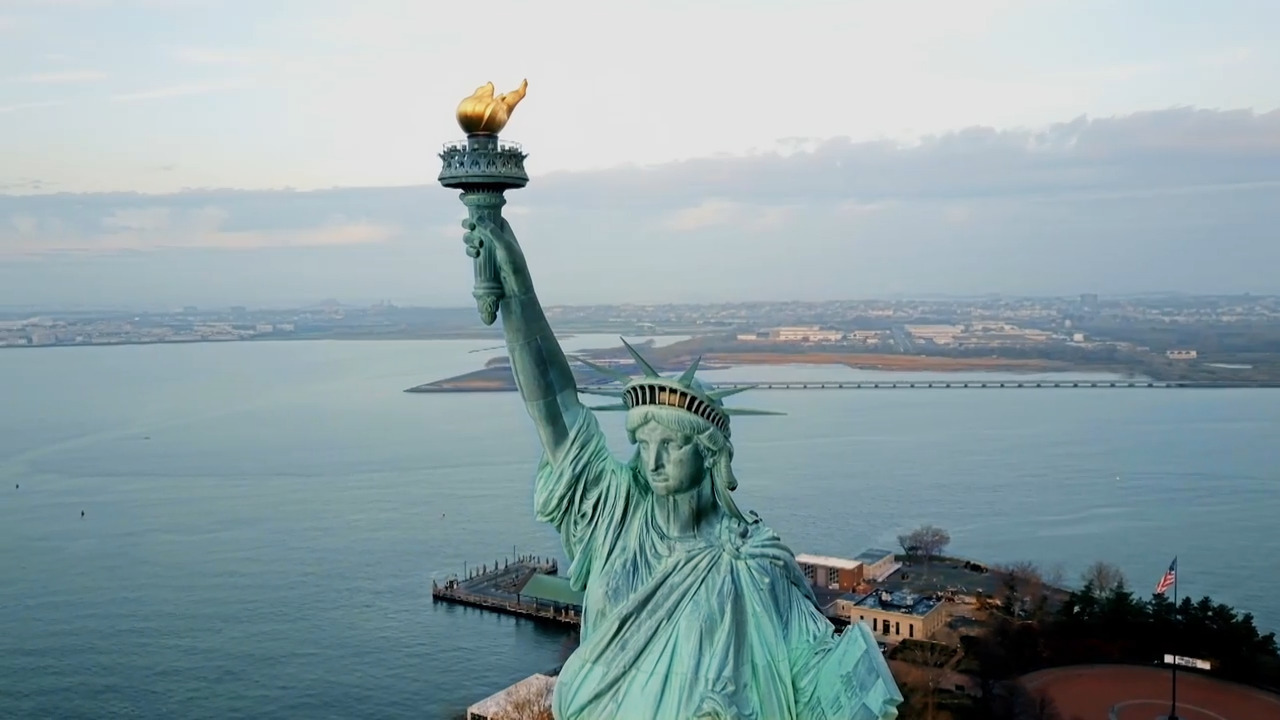
In What Does the Statue of Liberty Stand For?, historian Lucy Worsley investigates the origins and meanings of the Statue of Liberty. When it was unveiled in 1886, women protested that women did not have liberty; neither was there liberty and equality for African Americans. Emma Lazarus wrote a poem, The New Colossus, which not only raised money for the statue but gave her a new purpose: to welcome immigrants from the rest of the world. This video is excerpted from BBC's American History's Biggest Fibs with Lucy Worsley, in which Worsley reveals the myths and manipulations behind American history.
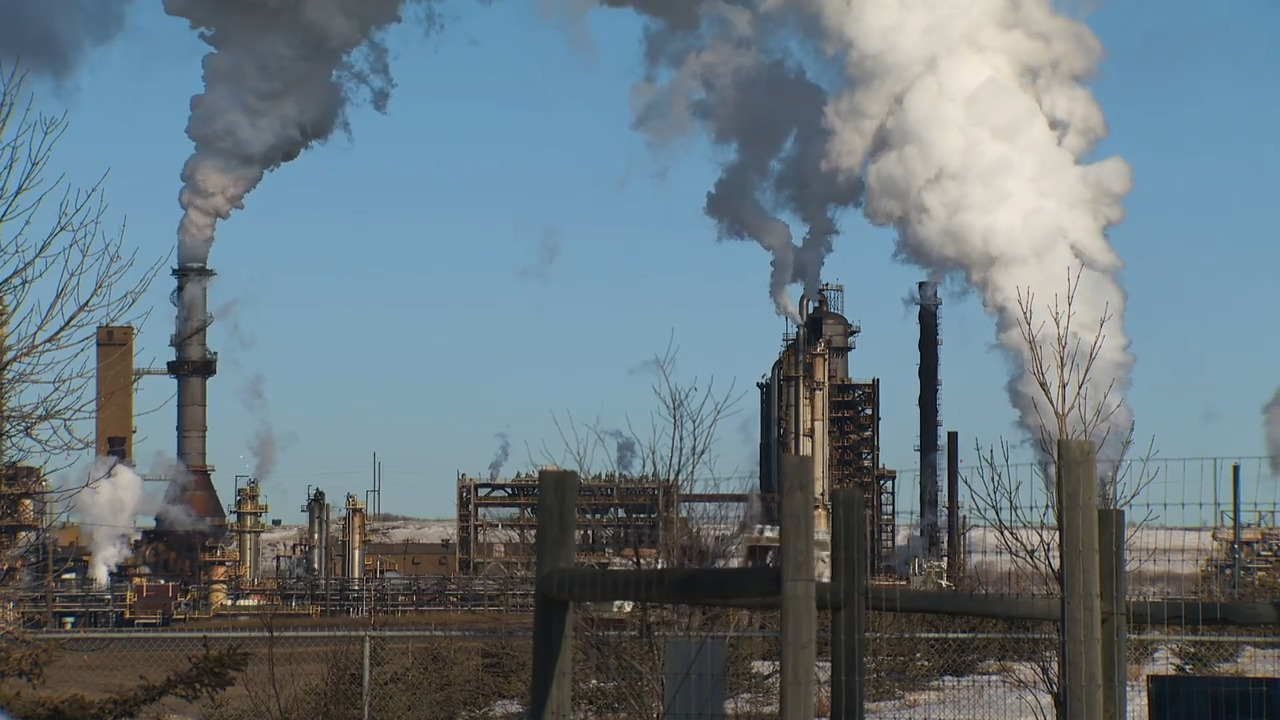
In The Alberta Oil Sands Crisis, host Simon Reeve takes us deep into the Alberta oil sands, an operation that generates billions of dollars for Canada but leaves behind environmental destruction and toxic waste. Simon learns that while the oil makes a lot of money, it’s not helping the local community, especially an Indigenous group struggling to survive. He meets Grace, who lives in a camper with no running water or heat in freezing temperatures, showing the harsh reality that many face in the area. This video is excerpted from BBC’s The Americas With Simon Reeve, in which Simon Reeve explores the landscapes, cultures, and wildlife of North and South America.

Football, rugby… esports? At Countesthorpe Academy, a secondary school in the UK, students can step into a full esports arena packed with high-end gaming computers — but it’s about a lot more than just playing games.
The school is one of the first to offer an esports qualification, helping students explore how the gaming industry really works and what kinds of careers exist behind the screens.
Esports might feel like entertainment, but it’s also a fast-growing global industry. In fact, the video game industry is now worth several times more than both the music and movie industries combined.
Students studying esports look at everything from how games make money and the strategies players use, to teamwork, mental health, and building skills like focus and resilience — skills that matter in gaming and way beyond it.
Right, chooks, let’s play shops! First customer to the finish with all their bits & bobs, wins. Here's how to play:
- With a friend (or two), decide who will be the shopkeeper and customers.
- Ask a grown-up to snip everything out. The bits and bobs go to the shopkeeper, then share the dollarbucks between the customers.
- Customers take turns to roll a die and move around the board. If you land on something you like, buy it... but if you don’t have enough money, you gotta put something back!
“Flush with cash” might need to turn into “flush that cash” if fake money keeps popping up! Counterfeit cash used to be a problem for mostly shops and retailers, but there’s been a recent rise in fake cash popping up in the home! That doesn’t mean that more of your neighborhood pals have decided to print their own money, or that fake bills are appearing out of thin air, but enough of it is in circulation that everyday people are going to make a purchase or deposit money with counterfeit cash, very possibly by accident.
In 2024, there were 99,000 fake notes in circulation. Last year, that doubled to 200,000, partly because of a rise in organized crime. While the fake bills make their way between hands and households and businesses, people become increasingly reliant on electronic methods of payment (like cards and Venmo), so they fall a bit out of practice of knowing what physical, paper money looks and feels like.
Unfortunately, it’s not always the people making counterfeit bills that are punished. Shops and retailers are hurting, and customers go into banks and post offices to deposit money that can’t be accepted because it ends up being fake.
In How Warren Buffett Turned Smart Deals Into Billions, learn about Warren Buffett, famous for his unique way of making deals and spotting great business opportunities. When he bought Nebraska Furniture Mart, he skipped the usual long negotiations and paperwork, sealing the deal for $50 million — way less than it was actually worth! Buffett has a talent for staying calm and letting sellers lower their own prices without even realizing it. Thanks to his sharp business skills, he quickly turned his smart investments into a billion-dollar empire. This video is excerpted from BBC’s Warren Buffett: The World’s Greatest Money Maker, which explores Warren Buffett’s unique investment strategies and business mindset.
The “global space economy” refers to pretty much everything having to do with human progress through space, including exploration, research, management, and use. It also generates hundreds of billions of dollars every year.
You may not have heard the term “global space economy,” but you’ve probably heard of at least two of the big players: Jeff Bezos and Elon Musk. As founders of Blue Origin and SpaceX, their companies are estimated to be worth $100 billion and $1.8 trillion, respectively. If you took 1.8 trillion standard dollar bills end-to-end, it would stretch 100 million miles — more than the distance from the Earth to the Sun! Imagine walking to the Sun on a bridge made of money! You couldn’t, because of all of the “zero gravity.” Your feet would also get very tired. There’s also no oxygen. But we know all of this because of how much we’ve studied space!
So why spend so much time and money on the space industry, which has expanded massively in the last few decades? Don’t only a few select astronauts go to space? Shouldn’t we be focusing on Earth? Well, what we learn in space has a big impact on what we do on the ground. Our findings from space show up as the GPS on our phones, in ships navigating the oceans, even as farmers using satellite photography to plan their crops.
There’s no sign of slowing down on the space front — the UK is focusing on small satellites, America is hoping to put astronauts back on the moon by 2028, and China is planning its own lunar landing by 2030. These explorations could provide valuable minerals, insight to getting past the Moon (like to Mars), and open up space tourism opportunities.
The RSPB (Royal Society for the Protection of Birds) is investigating attacks on birds of prey, also called raptors. Raptors hunt and feed on other animals, but even though they're near the top of the food chain, one of their biggest threats is humans.
There have been reports of raptors found dead in suspicious circumstances or caught in illegal traps. Investigators are reviewing footage from cameras near some traps to help identify who's responsible. The traps themselves are legal when used correctly, and any animal that isn't the intended target must be released unharmed. But footage has shown some people mistreating or killing these protected birds instead.
Investigators believe money is behind some of the attacks. Raptors sometimes hunt game birds, which people also hunt for sport or profit. By illegally removing birds of prey, some people may be trying to leave more game birds available for shooting. Officials are struggling to find ways to reduce these attacks — fines and prosecution haven't been very effective so far. Some campaigners want stronger licensing rules for trap use, while others argue that would be hard to enforce and might not stop illegal attacks either.
If humans have the Olympics, robots have their own ultimate showdown: the World Humanoid Robot Games in Beijing, China. It’s a high-energy mix of sport and science where humanoid robots sprint, box, and compete in athletic challenges designed to test just how “human-like” they really are.
But this isn’t just for fun (though it definitely looks fun to watch). Engineers use the competition to push their robots to the limit — testing speed, balance, coordination, and decision-making. Every stumble or success helps them figure out how to build smarter, stronger machines for the future. There’s prize money and recognition on the line too, which helps fuel a fast-growing robotics industry already backed by billions of dollars.
And no, this doesn’t mean robot athletes are about to take over your school sports day. Experts say humanoid robots are still mostly heading toward factories and specialized jobs — not everyday life. So for now, the biggest robot “athlete” you’ll probably meet is still your vacuum cleaner doing laps around the living room.
In The Stock Market Crash of 1929, learn about one of the most shocking financial disasters in history, which unfolded on the floor of the New York Stock Exchange. At the Museum of Financial History, you can see a replica of the ticker tape machine that delivered the news — and the actual ticker tape from that fateful day. People watched in fear as their hard-earned money vanished, and the panic that followed changed the economy forever. This video is excerpted from BBC’s Road to Riches, which explores the history of money, wealth, and economic power.
In How Data Transformed Trading, discover how data became a powerful tool for understanding human behavior — and making big money! Meet David Harding, a science graduate who shook up the chaotic world of trading by using math and data to predict price patterns. While others trusted their gut, Harding believed data and the right computer algorithms could crack the code of the stock market. Today, his company invests billions, proving that smart data (and a little science) can change the game! This video is excerpted from BBC’s Horizon: The Age of Big Data, which explores how data has shaped industries, economies, and human behavior.
In The Sea Nomads of Southeast Asia, host Simon Reeve visits the Bajau community, known as the sea nomads of Southeast Asia, who live their entire lives on the water. He spends a night with Bari and his family, learning how they rely on Bari’s daily fishing trips to survive and earn money for essentials. Despite the dangers of diving alone in tiger shark territory, Bari provides for his family while they also raise chickens for extra food. This video is excerpted from BBC’s Wilderness With Simon Reeve, an epic adventure into the heart of Earth’s last great wild areas, where nature is at its most beautiful and fragile.
In What Does the Statue of Liberty Stand For?, historian Lucy Worsley investigates the origins and meanings of the Statue of Liberty. When it was unveiled in 1886, women protested that women did not have liberty; neither was there liberty and equality for African Americans. Emma Lazarus wrote a poem, The New Colossus, which not only raised money for the statue but gave her a new purpose: to welcome immigrants from the rest of the world. This video is excerpted from BBC's American History's Biggest Fibs with Lucy Worsley, in which Worsley reveals the myths and manipulations behind American history.
In The Alberta Oil Sands Crisis, host Simon Reeve takes us deep into the Alberta oil sands, an operation that generates billions of dollars for Canada but leaves behind environmental destruction and toxic waste. Simon learns that while the oil makes a lot of money, it’s not helping the local community, especially an Indigenous group struggling to survive. He meets Grace, who lives in a camper with no running water or heat in freezing temperatures, showing the harsh reality that many face in the area. This video is excerpted from BBC’s The Americas With Simon Reeve, in which Simon Reeve explores the landscapes, cultures, and wildlife of North and South America.
Football, rugby… esports? At Countesthorpe Academy, a secondary school in the UK, students can step into a full esports arena packed with high-end gaming computers — but it’s about a lot more than just playing games.
The school is one of the first to offer an esports qualification, helping students explore how the gaming industry really works and what kinds of careers exist behind the screens.
Esports might feel like entertainment, but it’s also a fast-growing global industry. In fact, the video game industry is now worth several times more than both the music and movie industries combined.
Students studying esports look at everything from how games make money and the strategies players use, to teamwork, mental health, and building skills like focus and resilience — skills that matter in gaming and way beyond it.