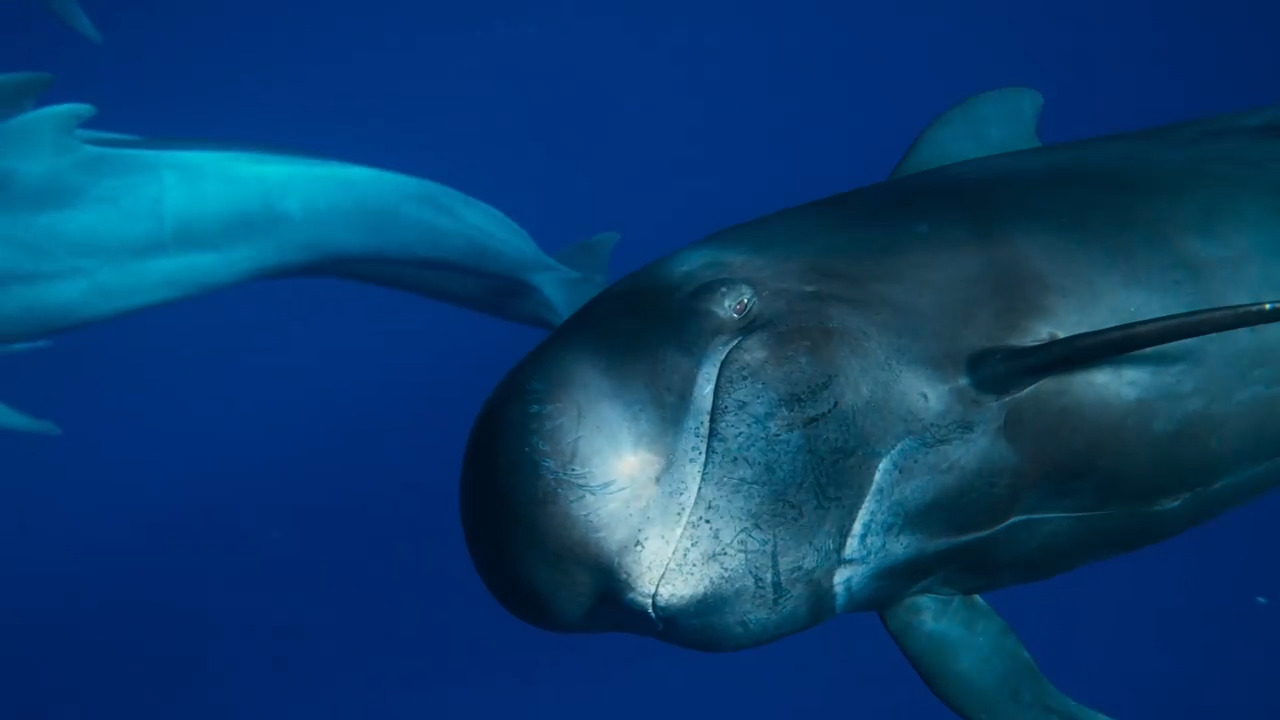
In A Plastic Problem for Pilot Whales, narrator Sir David Attenborough describes the grim effects plastic pollution has had on short-finned pilot whales. Because this species lives in tight-knit families, the negative effects of pollution on one whale is felt by the others. This video is excerpted from BBC’s Blue Planet II, a natural history series that explores the world's oceans, the animals that live in them, and the threats they face, using modern filming techniques and equipment to capture previously unseen areas of the ocean.

In this lesson, students will collaborate to understand how marine life is affected by human actions. The Dive into this engaging lesson where your students will uncover how human actions affect marine life. Kick things off with a fun game of Three Truths and a Lie about the ocean to spark curiosity and get everyone talking. Then, break into small groups and tackle a jigsaw activity as students watch short, thought-provoking videos about ocean animals and human impact. Together, they’ll share insights, tackle discussion questions, and use their newfound knowledge to create eye-catching infographics. These creations will inspire others to take action and protect our incredible oceans!

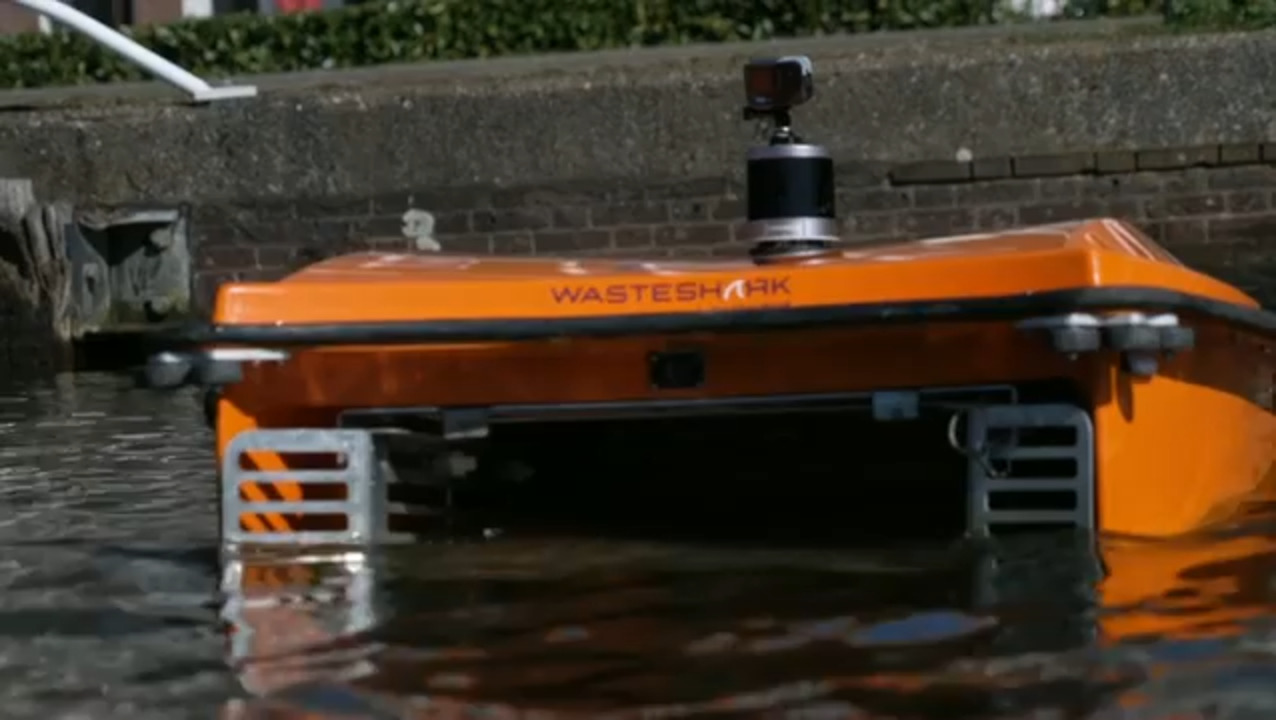
There’s a shark in the water! No, no, it’s good — we promise! The WasteShark is not actually a shark, but an autonomous robot that was built to tackle a big problem: plastic pollution in the water. Some estimates put the amount of plastic waste in the hundreds of millions of metric tons. Between canals, rivers, and oceans, waterways around the world are affected.
To make things worse, marine plastic is a relatively new problem, so the solutions haven’t caught up to the issue. The old methods of putting people in boats to fish out plastic isn’t enough, so Richard Hardiman, CEO of RanMarine Technology, took to the drawing board and built a robot.
The WasteShark is basically a vacuum that cruises around the water and sucks up trash, without needing a person to sit and drive it. It can be controlled remotely or put in autonomous mode, because of its sophisticated addition: software that helps it identify and avoid sucking up items that are not trash. The ducks and fish are very grateful. Despite its sophistication, there are still challenges with developing the robot, since scientists have to figure out how to program it to recognize and act on reflections, currents, and wind.
The shark can gather up to a ton of trash over a 24 hour period, which is just the beginning of what needs to be done to reverse the pollution issue. Luckily, the next step is already in the works: the MegaShark.
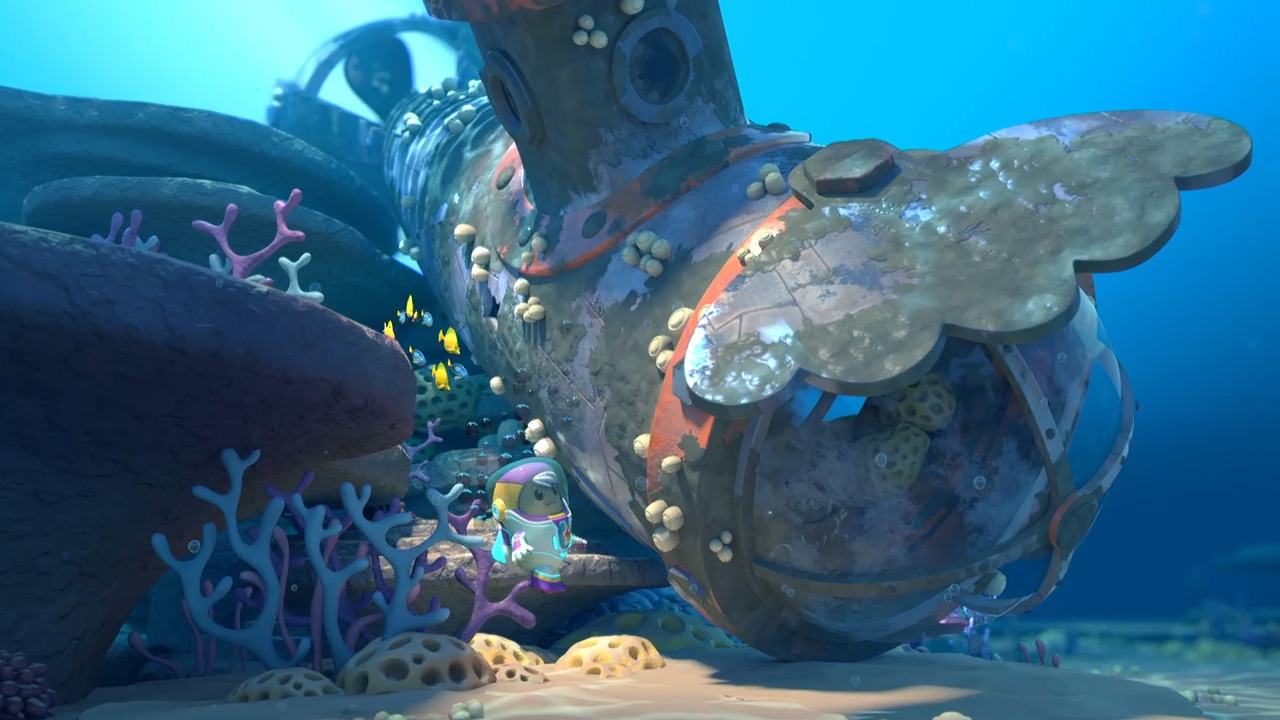
In The Go Jetters Clean Up Oil on the Reef, the Go Jetters crew discovers a submarine leaking oil onto a reef. They head to the location to clean up the spill and protect the vital underwater ecosystem. This video is excerpted from BBC’s Go Jetters, a series that follows the adventures of four international heroes as they travel the globe visiting landmarks and solving environmental problems with Ubercorn, a disco-dancing unicorn.
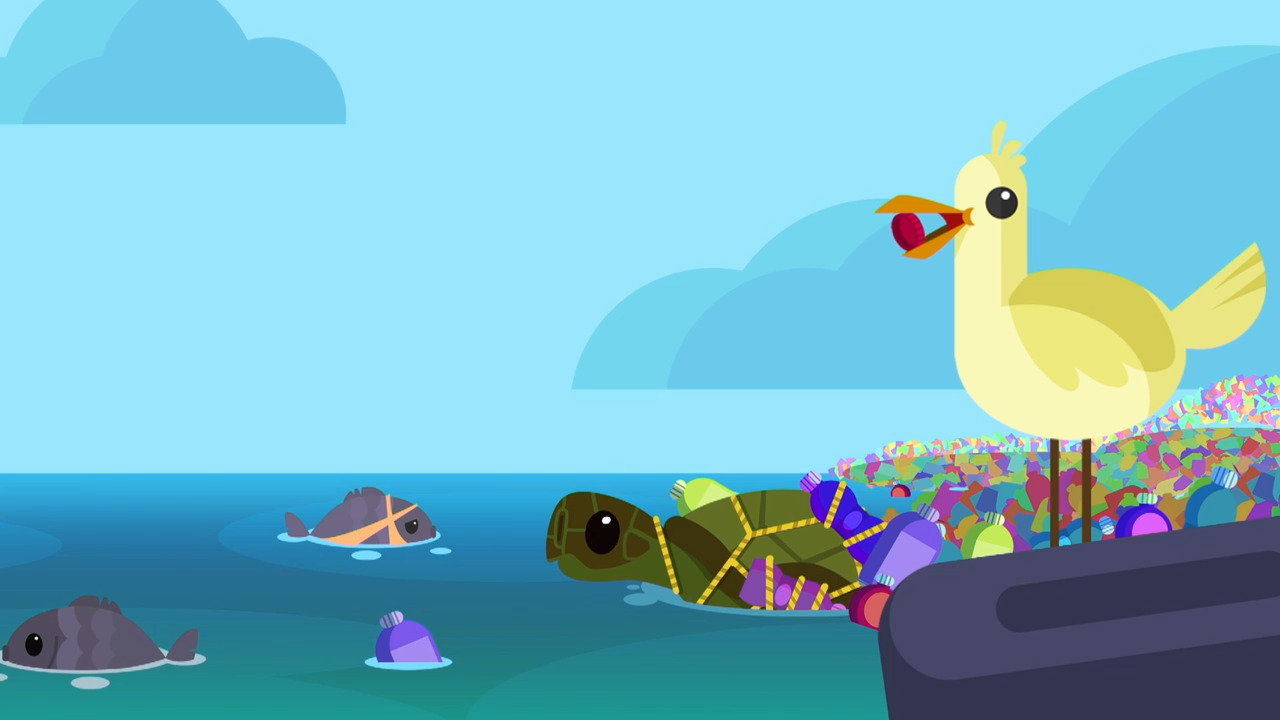
In The Go Jetters at the Great Pacific Garbage Patch, the Go Jetters crew learns about the Great Pacific Garbage Patch. Ubercorn shares facts about how garbage gets into the ocean and how large the garbage patches are. This video is excerpted from BBC’s Go Jetters, a series that follows the adventures of four international heroes as they travel the globe visiting landmarks and solving environmental problems with Ubercorn, a disco-dancing unicorn.

The article "Everything You Need to Know About Microplastics" from BBC's Science Focus explores the origins, distribution, and impacts of microplastics. Experts Dr. Laura Foster and Thomas Stanton discuss how these particles enter ecosystems, their effects on wildlife and potential human health risks, and suggest measures individuals and governments can take to mitigate the problem.
This Earth Day (or anytime this month), share this inspiring video playlist designed to spark curiosity and action in students ages 8–14. From incredible wildlife conservation stories to real-world environmental solutions, each clip invites students to explore the beauty of our planet — and the challenges it faces.
Get a closer look at how forests support life on Earth, discover innovative ideas like renewable energy, and meet the people working to protect endangered species and restore habitats. Along the way, students will see how small choices can make a big difference for our world.
Packed with powerful moments and meaningful learning, this playlist encourages students not just to learn about the Earth — but to think about how they can help protect it.

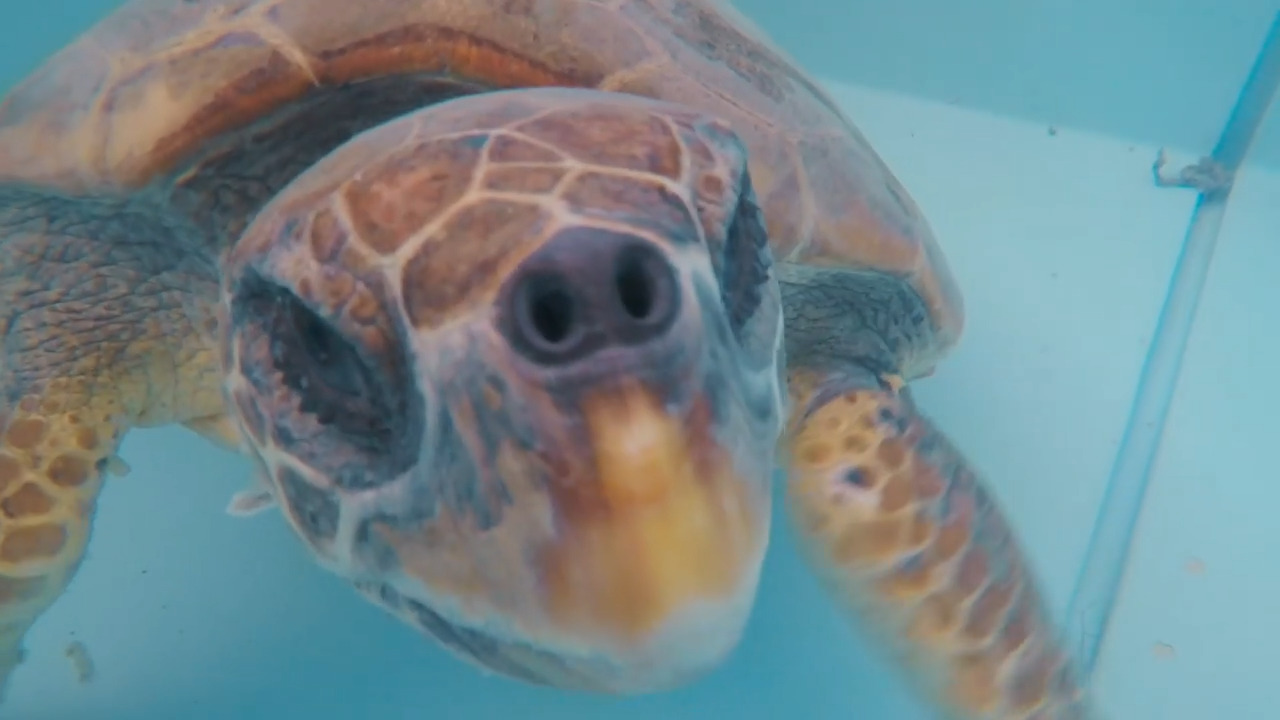
In Turtles and the Problem With Plastic, host Simon Reeve visits a turtle rescue center and observes the devastating ways plastic is harming marine wildlife. This video is excerpted from BBC's Incredible Journeys With Simon Reeve, a series that highlights one journalist’s travels across the globe and the diverse cultures and peoples he meets along the way.
In A Plastic Problem for Pilot Whales, narrator Sir David Attenborough describes the grim effects plastic pollution has had on short-finned pilot whales. Because this species lives in tight-knit families, the negative effects of pollution on one whale is felt by the others. This video is excerpted from BBC’s Blue Planet II, a natural history series that explores the world's oceans, the animals that live in them, and the threats they face, using modern filming techniques and equipment to capture previously unseen areas of the ocean.
In this lesson, students will collaborate to understand how marine life is affected by human actions. The Dive into this engaging lesson where your students will uncover how human actions affect marine life. Kick things off with a fun game of Three Truths and a Lie about the ocean to spark curiosity and get everyone talking. Then, break into small groups and tackle a jigsaw activity as students watch short, thought-provoking videos about ocean animals and human impact. Together, they’ll share insights, tackle discussion questions, and use their newfound knowledge to create eye-catching infographics. These creations will inspire others to take action and protect our incredible oceans!
There’s a shark in the water! No, no, it’s good — we promise! The WasteShark is not actually a shark, but an autonomous robot that was built to tackle a big problem: plastic pollution in the water. Some estimates put the amount of plastic waste in the hundreds of millions of metric tons. Between canals, rivers, and oceans, waterways around the world are affected.
To make things worse, marine plastic is a relatively new problem, so the solutions haven’t caught up to the issue. The old methods of putting people in boats to fish out plastic isn’t enough, so Richard Hardiman, CEO of RanMarine Technology, took to the drawing board and built a robot.
The WasteShark is basically a vacuum that cruises around the water and sucks up trash, without needing a person to sit and drive it. It can be controlled remotely or put in autonomous mode, because of its sophisticated addition: software that helps it identify and avoid sucking up items that are not trash. The ducks and fish are very grateful. Despite its sophistication, there are still challenges with developing the robot, since scientists have to figure out how to program it to recognize and act on reflections, currents, and wind.
The shark can gather up to a ton of trash over a 24 hour period, which is just the beginning of what needs to be done to reverse the pollution issue. Luckily, the next step is already in the works: the MegaShark.
In The Go Jetters Clean Up Oil on the Reef, the Go Jetters crew discovers a submarine leaking oil onto a reef. They head to the location to clean up the spill and protect the vital underwater ecosystem. This video is excerpted from BBC’s Go Jetters, a series that follows the adventures of four international heroes as they travel the globe visiting landmarks and solving environmental problems with Ubercorn, a disco-dancing unicorn.
In The Go Jetters at the Great Pacific Garbage Patch, the Go Jetters crew learns about the Great Pacific Garbage Patch. Ubercorn shares facts about how garbage gets into the ocean and how large the garbage patches are. This video is excerpted from BBC’s Go Jetters, a series that follows the adventures of four international heroes as they travel the globe visiting landmarks and solving environmental problems with Ubercorn, a disco-dancing unicorn.
The article "Everything You Need to Know About Microplastics" from BBC's Science Focus explores the origins, distribution, and impacts of microplastics. Experts Dr. Laura Foster and Thomas Stanton discuss how these particles enter ecosystems, their effects on wildlife and potential human health risks, and suggest measures individuals and governments can take to mitigate the problem.
This Earth Day (or anytime this month), share this inspiring video playlist designed to spark curiosity and action in students ages 8–14. From incredible wildlife conservation stories to real-world environmental solutions, each clip invites students to explore the beauty of our planet — and the challenges it faces.
Get a closer look at how forests support life on Earth, discover innovative ideas like renewable energy, and meet the people working to protect endangered species and restore habitats. Along the way, students will see how small choices can make a big difference for our world.
Packed with powerful moments and meaningful learning, this playlist encourages students not just to learn about the Earth — but to think about how they can help protect it.
In Turtles and the Problem With Plastic, host Simon Reeve visits a turtle rescue center and observes the devastating ways plastic is harming marine wildlife. This video is excerpted from BBC's Incredible Journeys With Simon Reeve, a series that highlights one journalist’s travels across the globe and the diverse cultures and peoples he meets along the way.