The article "3D-Printed Terracotta Reefs Offer New Hope for Saving Coral Ecosystems" from BBC's Science Focus reveals that Israeli researchers are creating detailed artificial coral reefs using 3D printing. These terracotta reefs mimic real coral shapes and offer homes for marine organisms, helping coral reefs recover. The goal is to use this technology in oceans around the world to support marine biodiversity.
In Resharking the Oceans, host Simon Reeve learns about the struggles sharks face due to overfishing, with millions killed each year. Sharks in Raja Ampat were on the brink of extinction, but thanks to the area’s now protected status, their numbers have increased 25 times. Simon also discovers "resharking," a conservation effort to repopulate the oceans with sharks. This initiative not only helps save sharks but also creates jobs for the local community. This video is excerpted from BBC’s Wilderness With Simon Reeve, an epic adventure into the heart of Earth’s last great wild areas, where nature is at its most beautiful and fragile.
In The Majestic Whale Shark host Simon Reeve sails through Indonesia’s Cenderawasih Bay, searching for the elusive whale shark. These gentle giants can grow as long as a bus and weigh up to 30 tons, yet much about them, like where they breed, remains unknown. At a fishing platform called a bagan, Simon spots one and marvels at its size and grace. He discovers how this area helps scientists study and protect these mysterious creatures. This video is excerpted from BBC’s Wilderness With Simon Reeve, an epic adventure into the heart of Earth’s last great wild areas, where nature is at its most beautiful and fragile.
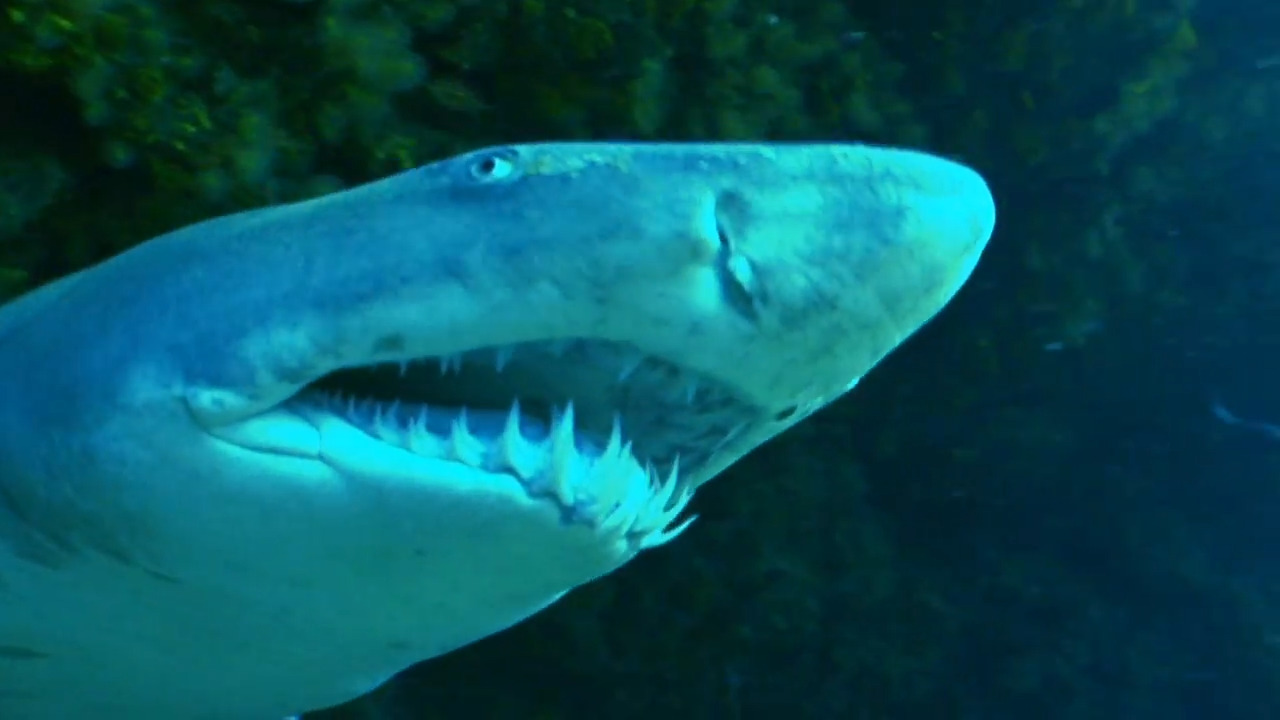
Dive into the incredible world of sharks with this thrilling BBC Learning Hub playlist! From the sleek and powerful great white to the gentle giant whale shark and the uniquely shaped hammerhead, these videos showcase the beauty and mystery of the ocean's most iconic predators. Perfect for sparking curiosity and a little shark-inspired awe in your classroom! 🦈
In Sharks and the Marine Ecosystem, host Simon Reeve goes diving with sharks off the coast of South Africa, where he learns about the important work of a shark conservation organization. This video is excerpted from BBC's Incredible Journeys With Simon Reeve, a series that highlights one journalist’s travels across the globe and the diverse cultures and peoples he meets along the way.
In How the Walrus Stays Warm in Cold Waters, narrator Sir David Attenborough explains how walruses conserve heat and how an annual visit to land helps them with body regulation. Learn how their color changes from sea to land. This video is excerpted from BBC’s Blue Planet, a definitive documentary series diving into the mysterious depths of the sea to discover the natural history of the world’s oceans and the rarely seen marine life that reside there.
In this lesson, students will collaborate to understand how marine life is affected by human actions. The Dive into this engaging lesson where your students will uncover how human actions affect marine life. Kick things off with a fun game of Three Truths and a Lie about the ocean to spark curiosity and get everyone talking. Then, break into small groups and tackle a jigsaw activity as students watch short, thought-provoking videos about ocean animals and human impact. Together, they’ll share insights, tackle discussion questions, and use their newfound knowledge to create eye-catching infographics. These creations will inspire others to take action and protect our incredible oceans!
This Earth Day (or anytime this month), share this inspiring video playlist designed to spark curiosity and action in students ages 8–14. From incredible wildlife conservation stories to real-world environmental solutions, each clip invites students to explore the beauty of our planet — and the challenges it faces.
Get a closer look at how forests support life on Earth, discover innovative ideas like renewable energy, and meet the people working to protect endangered species and restore habitats. Along the way, students will see how small choices can make a big difference for our world.
Packed with powerful moments and meaningful learning, this playlist encourages students not just to learn about the Earth — but to think about how they can help protect it.
In Protecting the Manatee in Belize, host Simon Reeve journeys to Belize, home to one of the last large populations of manatees. These gentle marine giants, surprisingly related to elephants, face grave danger as reckless boating claims around 50 lives annually. Simon visits Wild Tracks, a rehabilitation center, where he meets baby manatees in recovery and witnesses a heartwarming release of one back into the wild. This video is excerpted from BBC’s The Americas With Simon Reeve, in which Simon Reeve explores the landscapes, cultures, and wildlife of North and South America.
Celebrate the incredible work of Sir David Attenborough — a storyteller who has helped millions of students and viewers explore the natural world. On the occasion of his 100th birthday on May 8, 2026, we honor his enormous accomplishments in the field of environmental advocacy and his role in revolutionizing nature documentaries.
This playlist brings together 10 unforgettable clips from landmark BBC series like Planet Earth, Blue Planet, and Frozen Planet. Each video showcases amazing wildlife, powerful storytelling, and moments that spark curiosity and wonder.
Perfect for the classroom or at home, these videos help students connect with nature, understand our planet, and feel inspired to protect it.
Take your class on an exciting journey through Florida’s amazing wildlife and habitats! This playlist explores the warm springs where manatees gather in winter and shows how dolphins team up in Florida Bay to catch their food in clever ways. Along the way, your students will discover what makes Florida’s ecosystems so special and why they’re worth protecting. These clips are perfect for sparking curiosity, starting great classroom discussions, and inspiring kids to think like young scientists and conservationists.
The article "3D-Printed Terracotta Reefs Offer New Hope for Saving Coral Ecosystems" from BBC's Science Focus reveals that Israeli researchers are creating detailed artificial coral reefs using 3D printing. These terracotta reefs mimic real coral shapes and offer homes for marine organisms, helping coral reefs recover. The goal is to use this technology in oceans around the world to support marine biodiversity.
In Resharking the Oceans, host Simon Reeve learns about the struggles sharks face due to overfishing, with millions killed each year. Sharks in Raja Ampat were on the brink of extinction, but thanks to the area’s now protected status, their numbers have increased 25 times. Simon also discovers "resharking," a conservation effort to repopulate the oceans with sharks. This initiative not only helps save sharks but also creates jobs for the local community. This video is excerpted from BBC’s Wilderness With Simon Reeve, an epic adventure into the heart of Earth’s last great wild areas, where nature is at its most beautiful and fragile.
In The Majestic Whale Shark host Simon Reeve sails through Indonesia’s Cenderawasih Bay, searching for the elusive whale shark. These gentle giants can grow as long as a bus and weigh up to 30 tons, yet much about them, like where they breed, remains unknown. At a fishing platform called a bagan, Simon spots one and marvels at its size and grace. He discovers how this area helps scientists study and protect these mysterious creatures. This video is excerpted from BBC’s Wilderness With Simon Reeve, an epic adventure into the heart of Earth’s last great wild areas, where nature is at its most beautiful and fragile.
Dive into the incredible world of sharks with this thrilling BBC Learning Hub playlist! From the sleek and powerful great white to the gentle giant whale shark and the uniquely shaped hammerhead, these videos showcase the beauty and mystery of the ocean's most iconic predators. Perfect for sparking curiosity and a little shark-inspired awe in your classroom! 🦈
In Sharks and the Marine Ecosystem, host Simon Reeve goes diving with sharks off the coast of South Africa, where he learns about the important work of a shark conservation organization. This video is excerpted from BBC's Incredible Journeys With Simon Reeve, a series that highlights one journalist’s travels across the globe and the diverse cultures and peoples he meets along the way.
In How the Walrus Stays Warm in Cold Waters, narrator Sir David Attenborough explains how walruses conserve heat and how an annual visit to land helps them with body regulation. Learn how their color changes from sea to land. This video is excerpted from BBC’s Blue Planet, a definitive documentary series diving into the mysterious depths of the sea to discover the natural history of the world’s oceans and the rarely seen marine life that reside there.
In this lesson, students will collaborate to understand how marine life is affected by human actions. The Dive into this engaging lesson where your students will uncover how human actions affect marine life. Kick things off with a fun game of Three Truths and a Lie about the ocean to spark curiosity and get everyone talking. Then, break into small groups and tackle a jigsaw activity as students watch short, thought-provoking videos about ocean animals and human impact. Together, they’ll share insights, tackle discussion questions, and use their newfound knowledge to create eye-catching infographics. These creations will inspire others to take action and protect our incredible oceans!
This Earth Day (or anytime this month), share this inspiring video playlist designed to spark curiosity and action in students ages 8–14. From incredible wildlife conservation stories to real-world environmental solutions, each clip invites students to explore the beauty of our planet — and the challenges it faces.
Get a closer look at how forests support life on Earth, discover innovative ideas like renewable energy, and meet the people working to protect endangered species and restore habitats. Along the way, students will see how small choices can make a big difference for our world.
Packed with powerful moments and meaningful learning, this playlist encourages students not just to learn about the Earth — but to think about how they can help protect it.
In Protecting the Manatee in Belize, host Simon Reeve journeys to Belize, home to one of the last large populations of manatees. These gentle marine giants, surprisingly related to elephants, face grave danger as reckless boating claims around 50 lives annually. Simon visits Wild Tracks, a rehabilitation center, where he meets baby manatees in recovery and witnesses a heartwarming release of one back into the wild. This video is excerpted from BBC’s The Americas With Simon Reeve, in which Simon Reeve explores the landscapes, cultures, and wildlife of North and South America.
Celebrate the incredible work of Sir David Attenborough — a storyteller who has helped millions of students and viewers explore the natural world. On the occasion of his 100th birthday on May 8, 2026, we honor his enormous accomplishments in the field of environmental advocacy and his role in revolutionizing nature documentaries.
This playlist brings together 10 unforgettable clips from landmark BBC series like Planet Earth, Blue Planet, and Frozen Planet. Each video showcases amazing wildlife, powerful storytelling, and moments that spark curiosity and wonder.
Perfect for the classroom or at home, these videos help students connect with nature, understand our planet, and feel inspired to protect it.
Take your class on an exciting journey through Florida’s amazing wildlife and habitats! This playlist explores the warm springs where manatees gather in winter and shows how dolphins team up in Florida Bay to catch their food in clever ways. Along the way, your students will discover what makes Florida’s ecosystems so special and why they’re worth protecting. These clips are perfect for sparking curiosity, starting great classroom discussions, and inspiring kids to think like young scientists and conservationists.