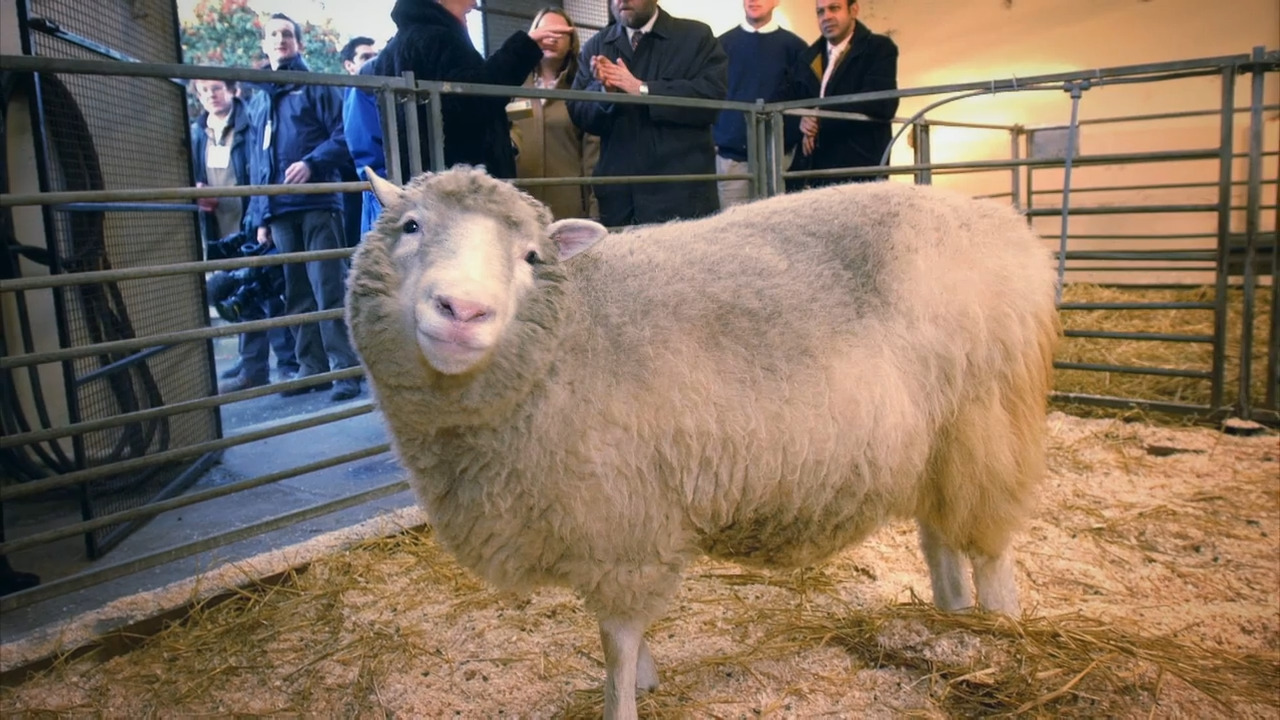
In Tu Youyou's Malaria Breakthrough, host Chris Packham tells the story of Tu Youyou’s groundbreaking discovery of artemisinin, a drug that transformed the fight against malaria. Her extraordinary courage, including volunteering as the first test subject, went unnoticed as she was never named on the research papers that led to the breakthrough. This video is excerpted from BBC’s Icons: The Greatest Person of the 20th Century, a documentary series celebrating the achievements of the most influential figures of the era.
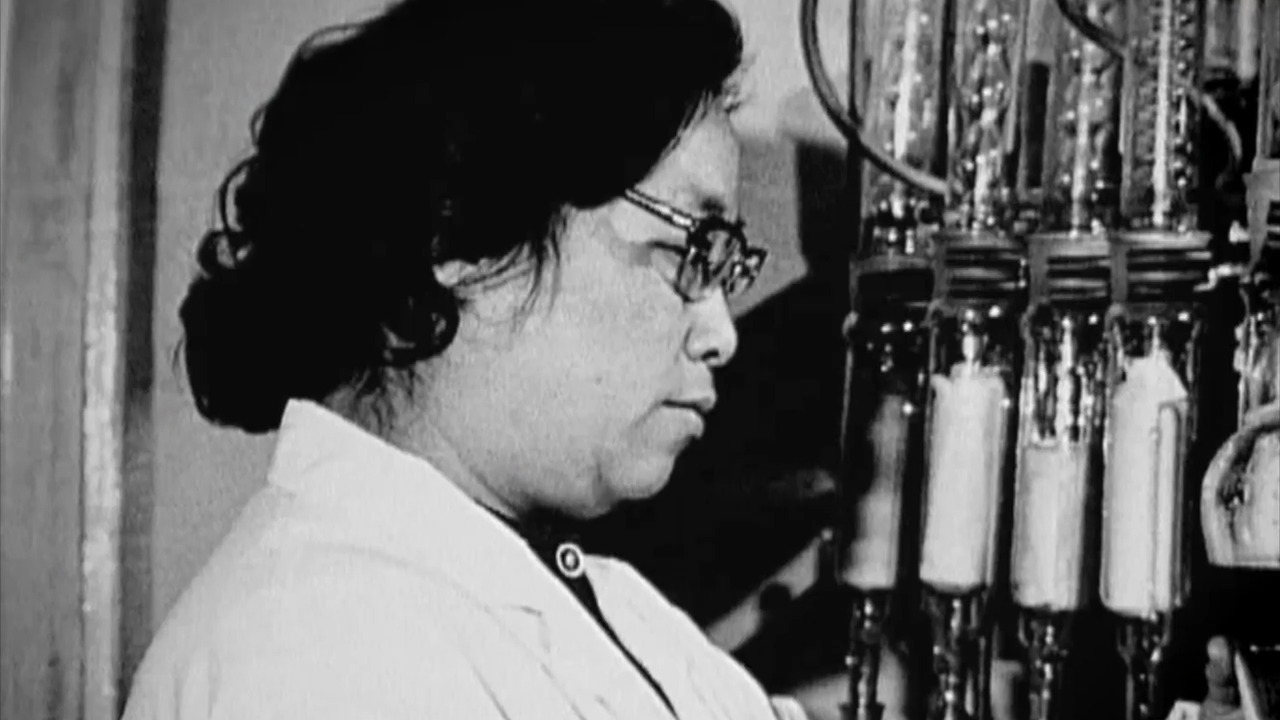
In Tu Youyou and the Discovery of Artemisinin, host Chris Packham recounts the extraordinary journey of Chinese scientist Tu Youyou. Driven by determination, she unearthed an ancient remedy to combat malaria, ultimately saving millions of lives worldwide. This video is excerpted from BBC’s Icons: The Greatest Person of the 20th Century, a documentary series celebrating the achievements of the most influential figures of the era.
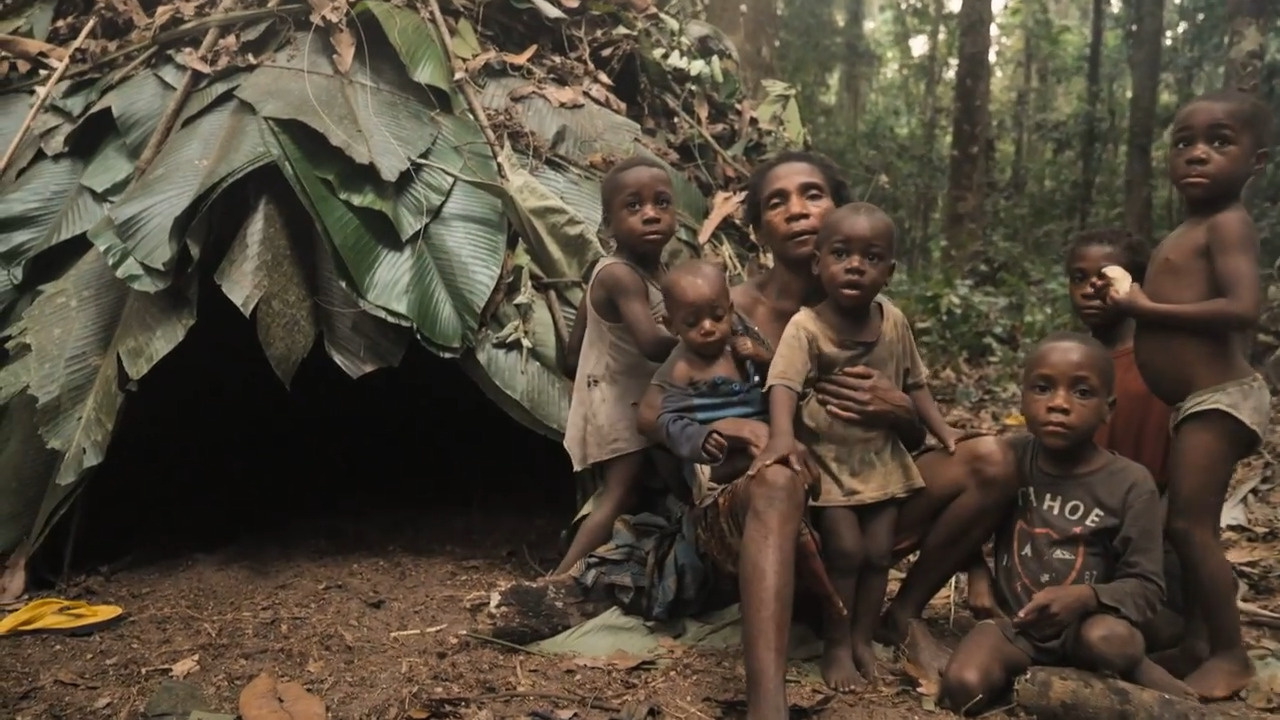
In The Baka People Confront Deforestation and Disease, host Simon Reeve spends time with the Baka people in the Congo, who live peacefully in the rainforest. He learns their biggest challenges aren't from nature, but from medical issues like malaria and conflicts with neighboring people. The dense rainforest canopy helps protect them from mosquitoes, but deforestation is making the situation worse. They share their struggles, including the long trek to get medical help and the violence they face from the Bantu. This video is excerpted from BBC’s Wilderness With Simon Reeve, an epic adventure into the heart of Earth’s last great wild areas, where nature is at its most beautiful and fragile.

The article "Always Bugged By Mosquitoes? Blame Your Body Odor" from BBC's Science Focus explores a unique study using a huge mosquito-testing arena in Zambia. Scientists found that body odor plays a key role in how mosquitoes choose people to bite. The results could lead to better mosquito traps and tools to fight diseases like malaria.
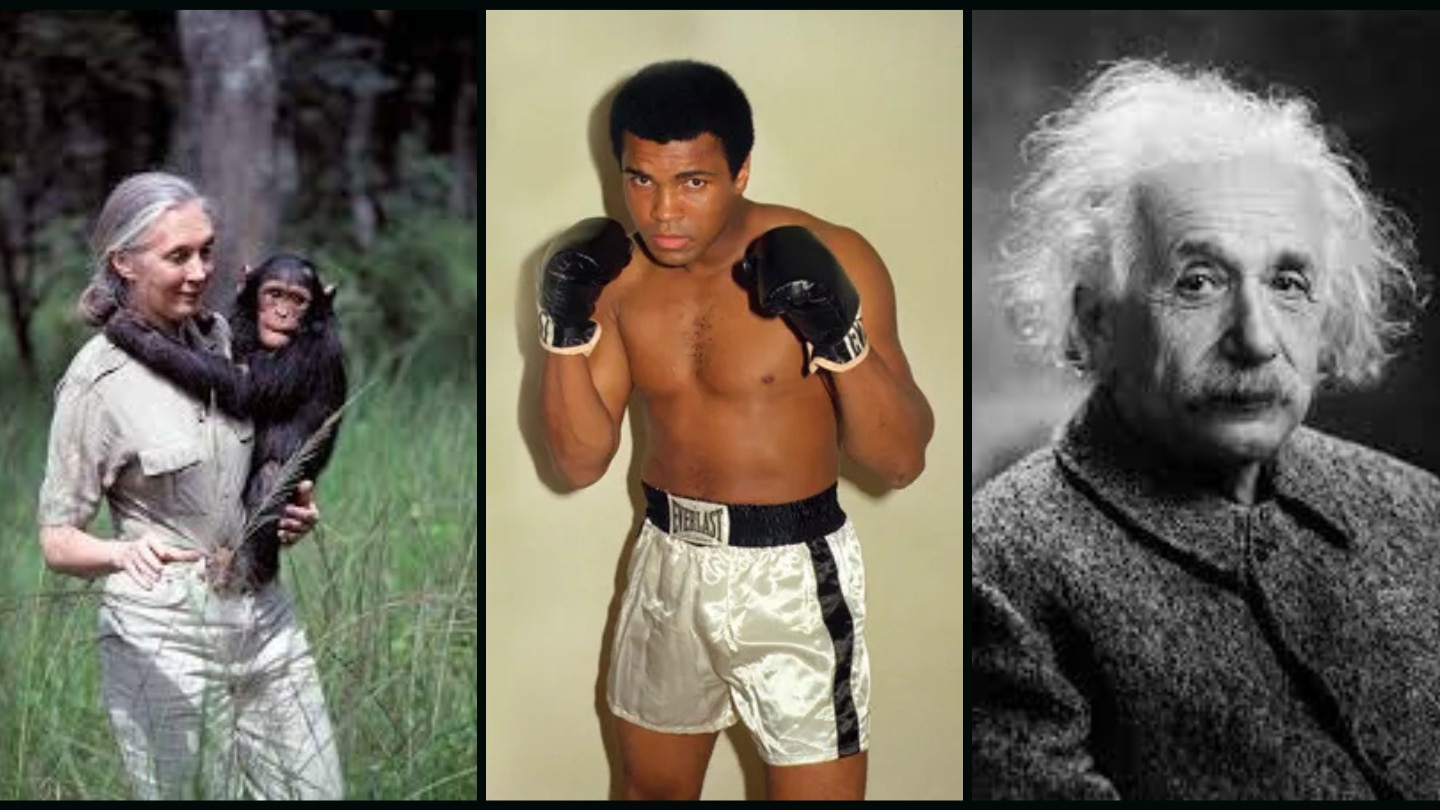
Drawn from the BBC series Icons: The Greatest Person of the 20th Century, this video playlist introduces influential figures from science, politics, civil rights, sports, art, music, exploration, and more. Meet Muhammad Ali, Helen Keller, Albert Einstein, Martin Luther King Jr., Jane Goodall, Pelé, and others whose work challenged conventions, broke barriers, or changed how people understood the world.
Explore the discoveries and ideas that transformed science, the movements that pushed societies toward change, and the creative achievements that reshaped art and culture. Along the way, consider the historical circumstances these figures lived through, the obstacles they faced, and the choices that shaped their public legacies.
What makes someone an icon? Is it achievement, influence, courage, originality — or something more complicated? These BBC videos invite viewers to look beyond famous names and consider how individuals can shape history, as well as how history shapes the way we remember them.
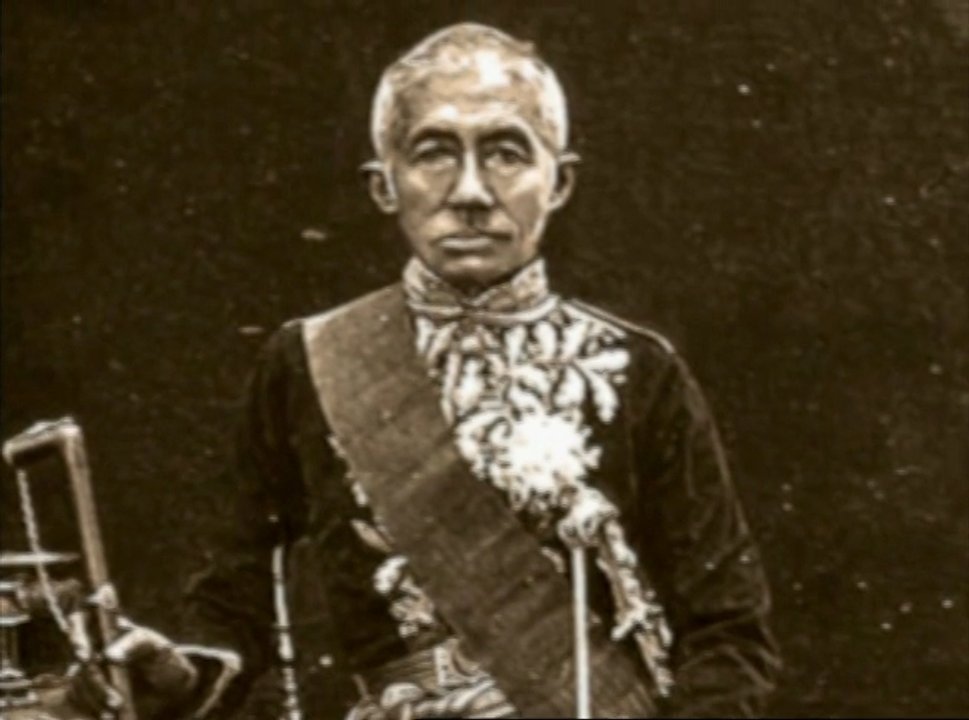
In the mid-19th Century, Siam, now known as Thailand, faced growing pressure from Western powers to open its economy to international trade. When King Mongkut took the throne in 1851, he drew on his years as a Buddhist monk and his studies of Western languages and science to guide the kingdom through a period of change. He established diplomatic relationships with foreign nations, including Great Britain through the 1855 Bowring Treaty, while working to protect Siam’s independence and manage the influence of foreign commerce.
Mongkut also promoted education, introduced new approaches to royal government, and encouraged the study of science. British governess Anna Leonowens arrived in 1862 to teach members of the royal household, and her experiences later inspired the highly fictionalized musical and film The King and I. Mongkut died of malaria in 1868 after traveling to observe a solar eclipse he had predicted. His son, King Chulalongkorn, continued modernizing the country and abolished slavery. Mongkut’s legacy remains closely associated with scientific learning, diplomacy, and Siam’s efforts to preserve its independence during an era of Western imperial expansion.
In Tu Youyou's Malaria Breakthrough, host Chris Packham tells the story of Tu Youyou’s groundbreaking discovery of artemisinin, a drug that transformed the fight against malaria. Her extraordinary courage, including volunteering as the first test subject, went unnoticed as she was never named on the research papers that led to the breakthrough. This video is excerpted from BBC’s Icons: The Greatest Person of the 20th Century, a documentary series celebrating the achievements of the most influential figures of the era.
In Tu Youyou and the Discovery of Artemisinin, host Chris Packham recounts the extraordinary journey of Chinese scientist Tu Youyou. Driven by determination, she unearthed an ancient remedy to combat malaria, ultimately saving millions of lives worldwide. This video is excerpted from BBC’s Icons: The Greatest Person of the 20th Century, a documentary series celebrating the achievements of the most influential figures of the era.
In The Baka People Confront Deforestation and Disease, host Simon Reeve spends time with the Baka people in the Congo, who live peacefully in the rainforest. He learns their biggest challenges aren't from nature, but from medical issues like malaria and conflicts with neighboring people. The dense rainforest canopy helps protect them from mosquitoes, but deforestation is making the situation worse. They share their struggles, including the long trek to get medical help and the violence they face from the Bantu. This video is excerpted from BBC’s Wilderness With Simon Reeve, an epic adventure into the heart of Earth’s last great wild areas, where nature is at its most beautiful and fragile.
The article "Always Bugged By Mosquitoes? Blame Your Body Odor" from BBC's Science Focus explores a unique study using a huge mosquito-testing arena in Zambia. Scientists found that body odor plays a key role in how mosquitoes choose people to bite. The results could lead to better mosquito traps and tools to fight diseases like malaria.
Drawn from the BBC series Icons: The Greatest Person of the 20th Century, this video playlist introduces influential figures from science, politics, civil rights, sports, art, music, exploration, and more. Meet Muhammad Ali, Helen Keller, Albert Einstein, Martin Luther King Jr., Jane Goodall, Pelé, and others whose work challenged conventions, broke barriers, or changed how people understood the world.
Explore the discoveries and ideas that transformed science, the movements that pushed societies toward change, and the creative achievements that reshaped art and culture. Along the way, consider the historical circumstances these figures lived through, the obstacles they faced, and the choices that shaped their public legacies.
What makes someone an icon? Is it achievement, influence, courage, originality — or something more complicated? These BBC videos invite viewers to look beyond famous names and consider how individuals can shape history, as well as how history shapes the way we remember them.
In the mid-19th Century, Siam, now known as Thailand, faced growing pressure from Western powers to open its economy to international trade. When King Mongkut took the throne in 1851, he drew on his years as a Buddhist monk and his studies of Western languages and science to guide the kingdom through a period of change. He established diplomatic relationships with foreign nations, including Great Britain through the 1855 Bowring Treaty, while working to protect Siam’s independence and manage the influence of foreign commerce.
Mongkut also promoted education, introduced new approaches to royal government, and encouraged the study of science. British governess Anna Leonowens arrived in 1862 to teach members of the royal household, and her experiences later inspired the highly fictionalized musical and film The King and I. Mongkut died of malaria in 1868 after traveling to observe a solar eclipse he had predicted. His son, King Chulalongkorn, continued modernizing the country and abolished slavery. Mongkut’s legacy remains closely associated with scientific learning, diplomacy, and Siam’s efforts to preserve its independence during an era of Western imperial expansion.