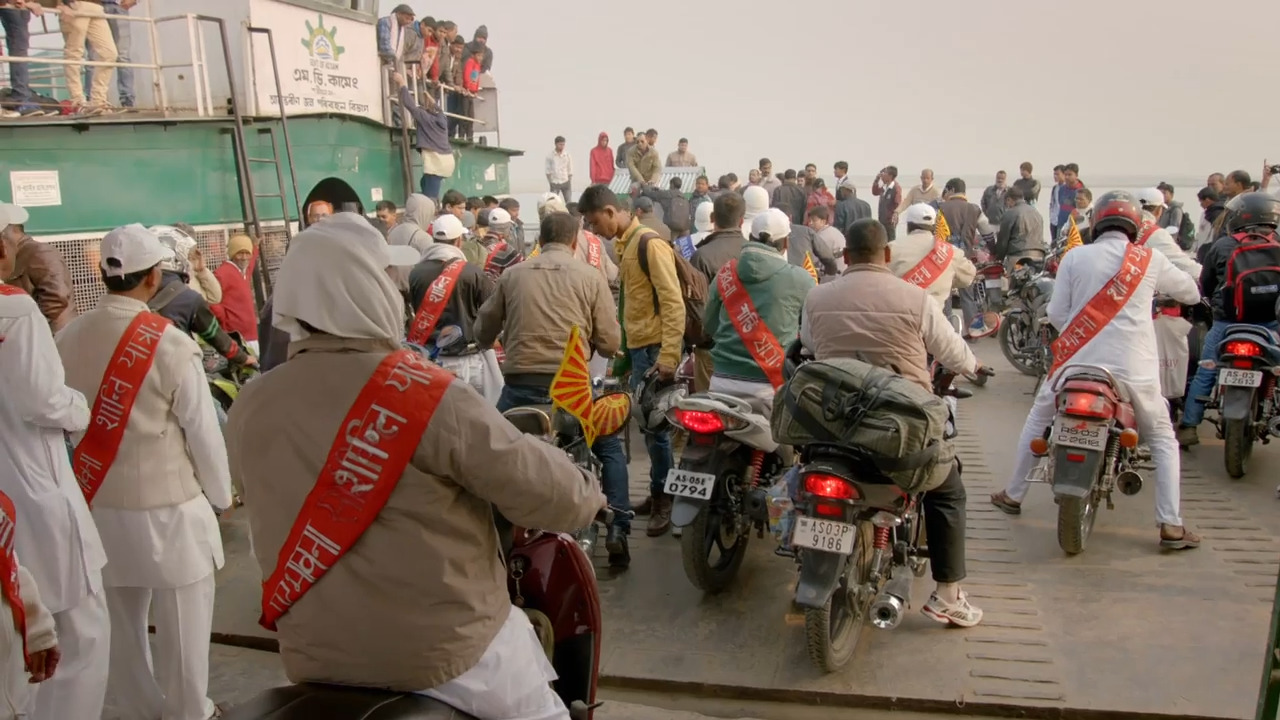
In Majuli: A River Island in India, learn about Majuli, the largest river island in Assam. It’s a busy place that’s an example of how Indian people work with each other and the natural world. This video is from the BBC’s Hidden India, in which presenter Geraldine James explores India’s diverse environments.
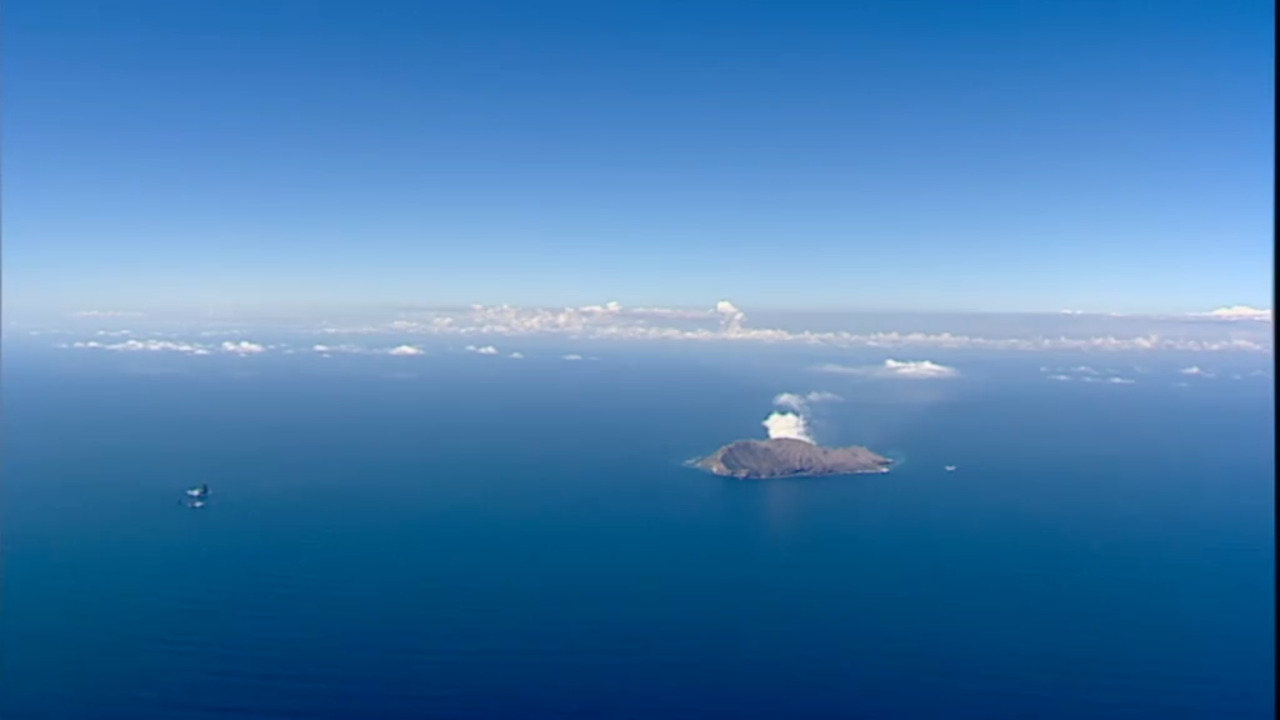
In How Volcanic Islands Form, narrator Sir David Attenborough explains how an island forms in the middle of the ocean, fueling the development of a new ecosystem. This video is excerpted from BBC’s Blue Planet, a definitive documentary series diving into the mysterious depths of the sea to discover the natural history of the world’s oceans and the rarely seen marine life that reside there.
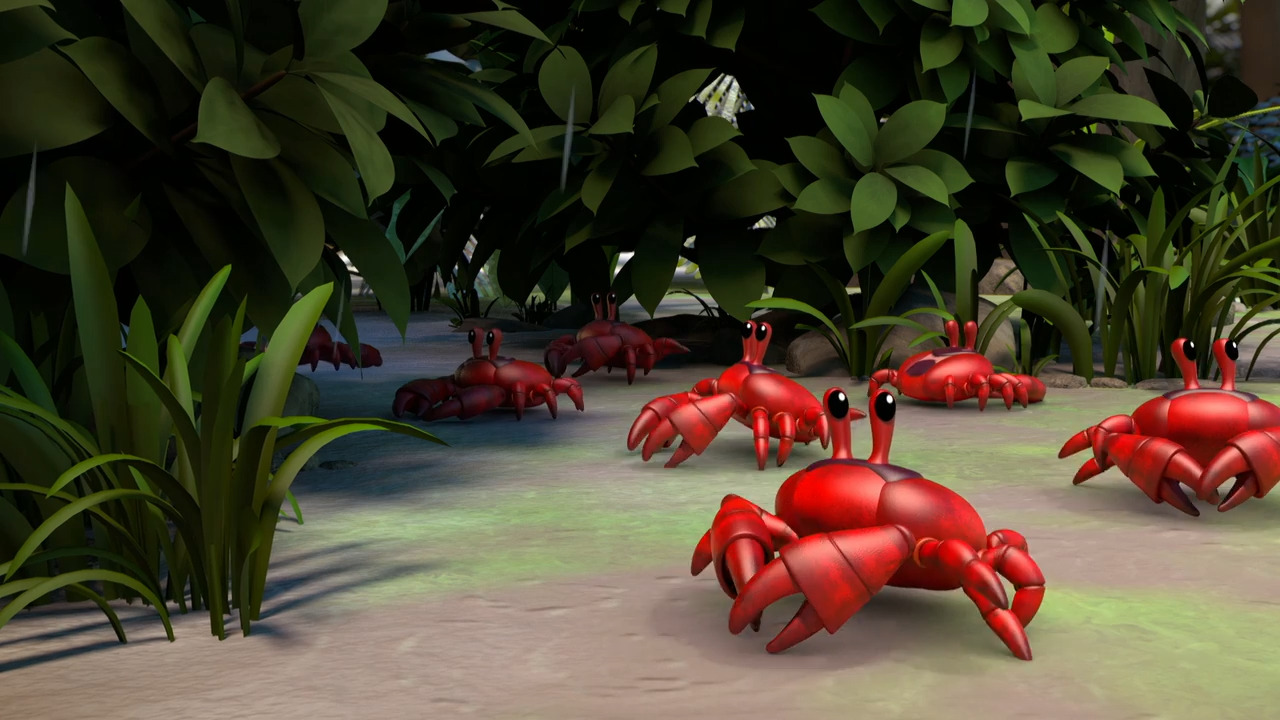
In The Go Jetters Learn About the Christmas Island Crab Migration, the Go Jetters crew visits Christmas Island to learn about the annual red crab migration. Ubercorn shares funky facts about the island and how the islanders help the crabs during their migration from the center of the island to the sea. This video is excerpted from BBC’s Go Jetters, a series that follows the adventures of four international heroes as they travel the globe visiting landmarks and solving environmental problems with Ubercorn, a disco-dancing unicorn.
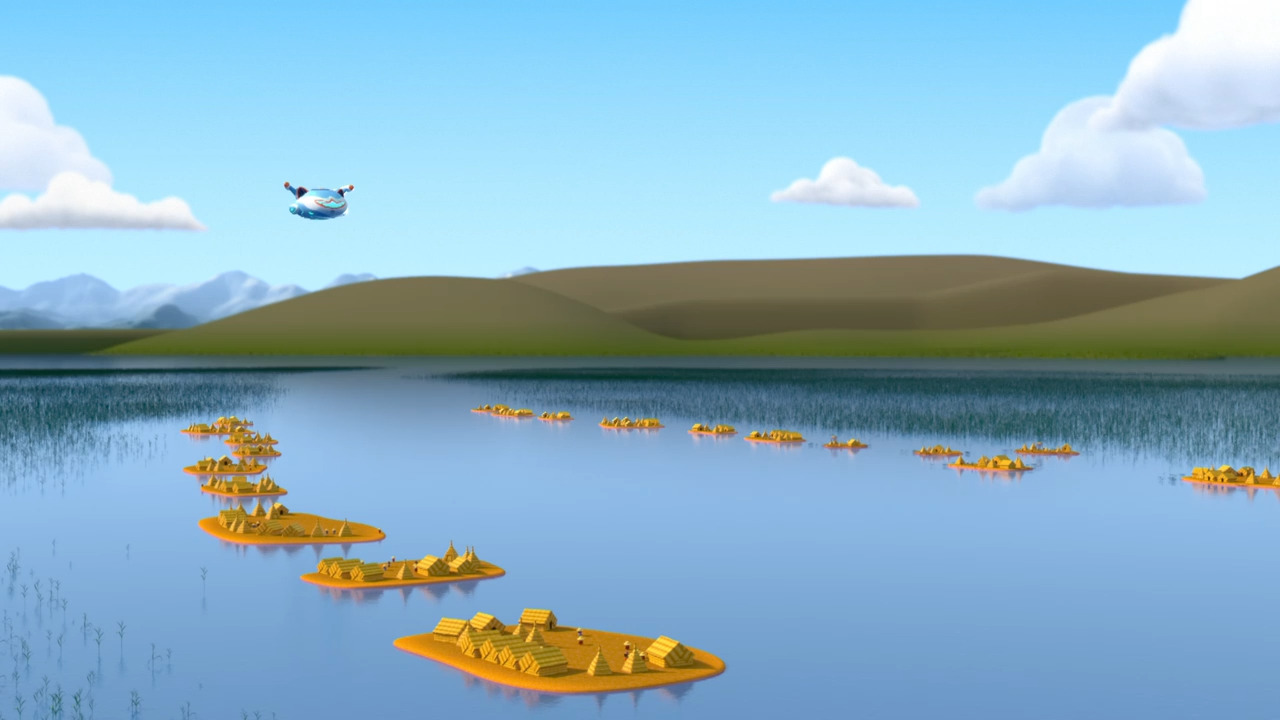
In The Go Jetters Explore the Floating Islands of Lake Titicaca!, the Go Jetters crew visits Lake Titicaca in South America, the biggest lake on that continent, and discovers floating islands made of reeds! The Uros people live on these islands, which they build from reeds, and they also use the reeds to make boats, homes, and ropes. It's amazing how they use these plants for things they need every day! This video is excerpted from BBC’s Go Jetters, a series that follows the adventures of four plucky international heroes as they travel the globe visiting the world’s most famous landmarks with their friend and mentor, Ubercorn, a disco-dancing unicorn.
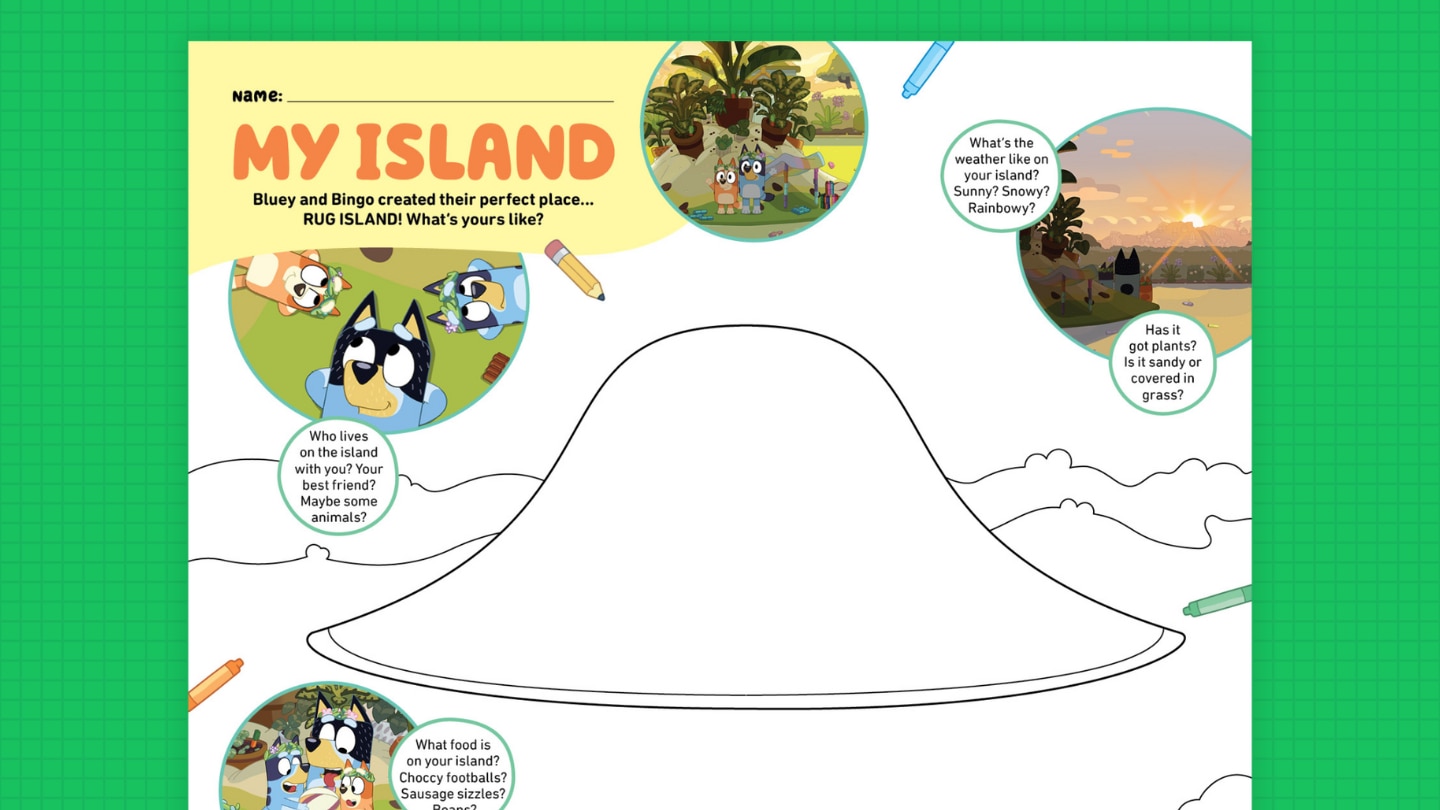
Bluey and Bingo created their perfect place... RUG ISLAND? What's yours like? Think about:
- Who lives on the island?
- What food is on your island?
- What's the weather like?
Inspired by Season 2, Episode 10 "Rug Island": Dad washes up on Bluey and Bingo’s deserted island and while Bingo takes pity on him and tries to help him survive, Bluey doesn’t think a grown-up can adapt. Will Dad prove his worth?
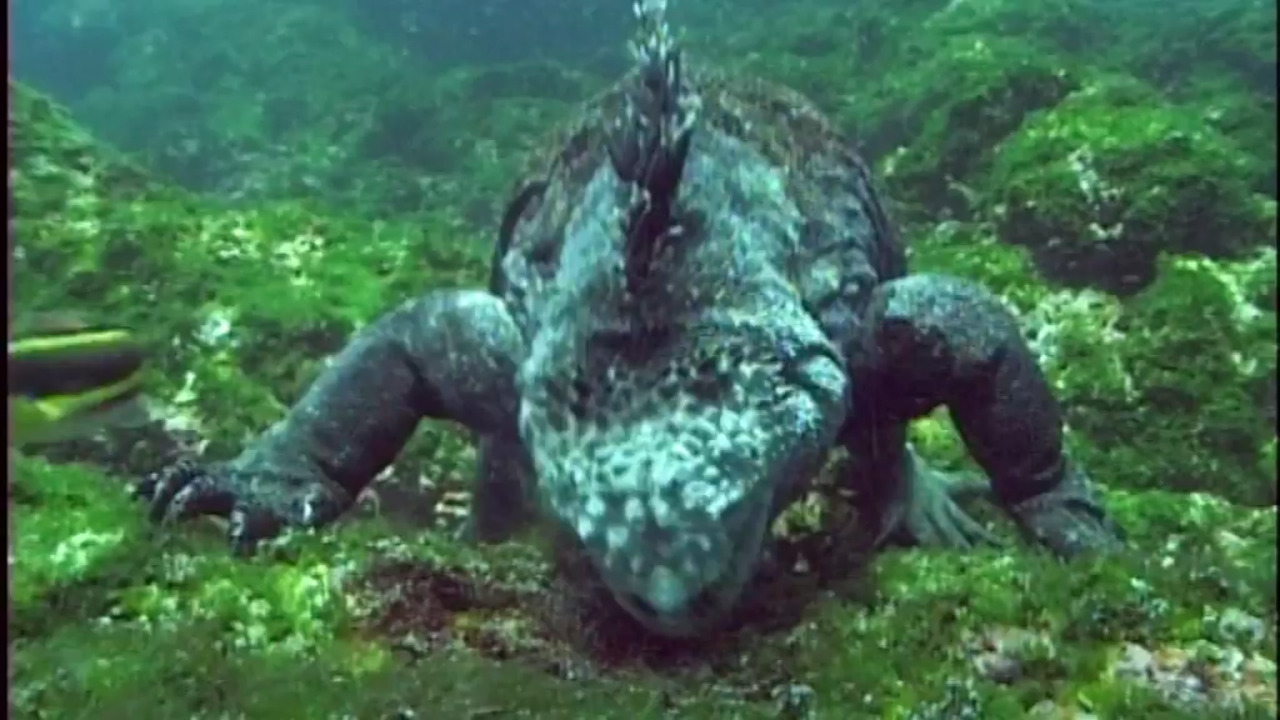
In The Life of Galapagos Iguanas, narrator Sir David Attenborough looks at how the Galapagos iguanas survive in the remote Galapagos Islands. The iguanas eat seaweed on the rocks amidst the crashing waves, and the females must journey inland to lay their eggs in burrows. This video is excerpted from BBC’s Blue Planet, a definitive documentary series diving into the mysterious depths of the sea to discover the natural history of the world’s oceans and the rarely seen marine life that reside there.
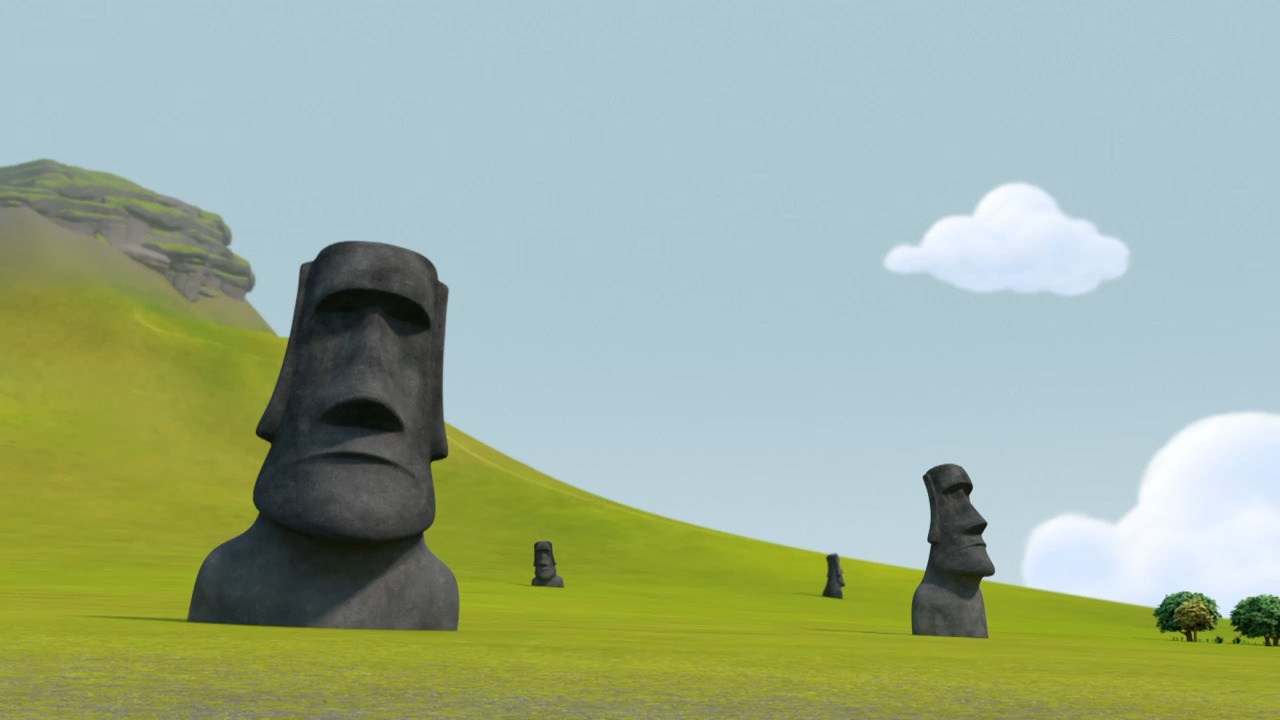
In The Go Jetters Meet the Giant Moai Statues in the Pacific Ocean, the Go Jetters crew visits Easter Island, a tiny island in the middle of the big South Pacific Ocean, far away from anything else! The people who first settled there were amazing navigators and built giant stone statues called moai to honor their families and protect the island. These statues still stand tall today and are a favorite spot for visitors from all over the world. This video is excerpted from BBC’s Go Jetters, a series that follows the adventures of four plucky international heroes as they travel the globe visiting the world’s most famous landmarks with their friend and mentor, Ubercorn, a disco-dancing unicorn.
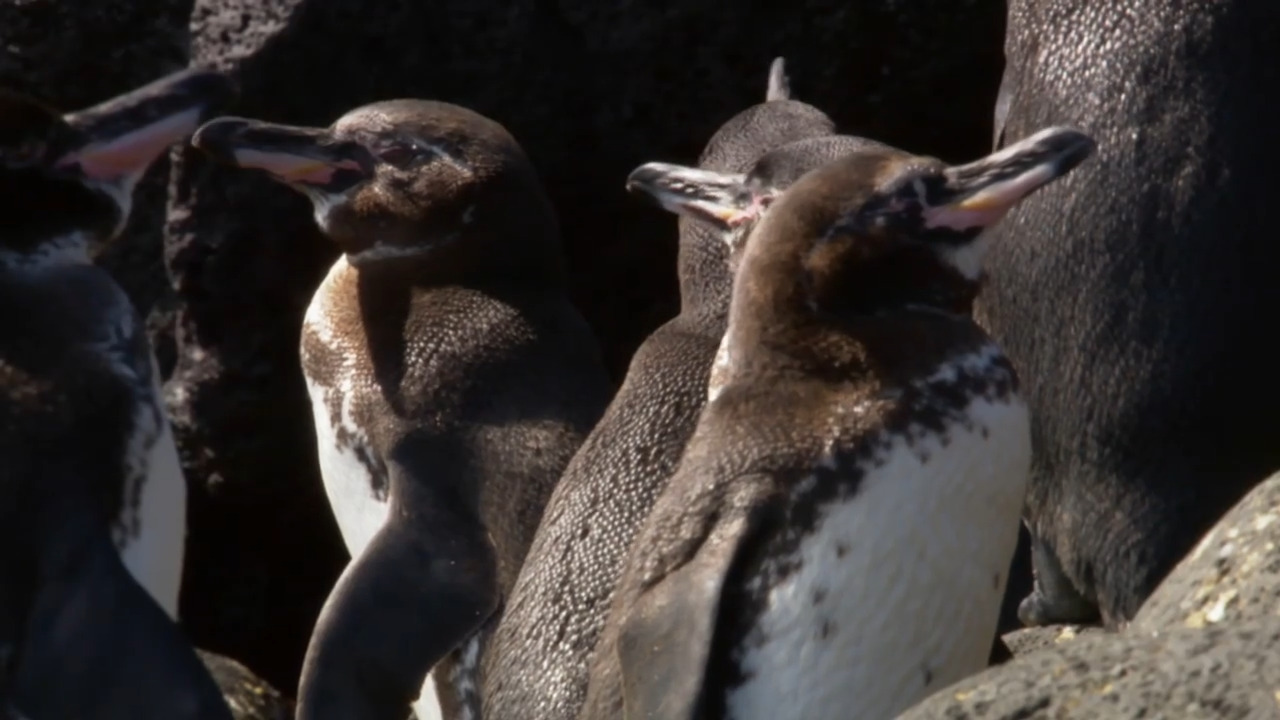
In The Surprising Life of Galapagos Penguin Chicks, narrator Gordon Buchanan explains how penguins have adapted to life by sticking to cool waters and underground lava tubes. Meanwhile, a Sally Lightfoot crab feels its way through the dark to hunt penguin chicks but is dissuaded by their size and beaks. This video is excerpted from BBC's Animal Babies, a heartwarming show that follows the first breaths, first steps, and first feeds of some adorable baby animals, revealing the challenges they face to survive in some of the toughest but most beautiful places on the planet.
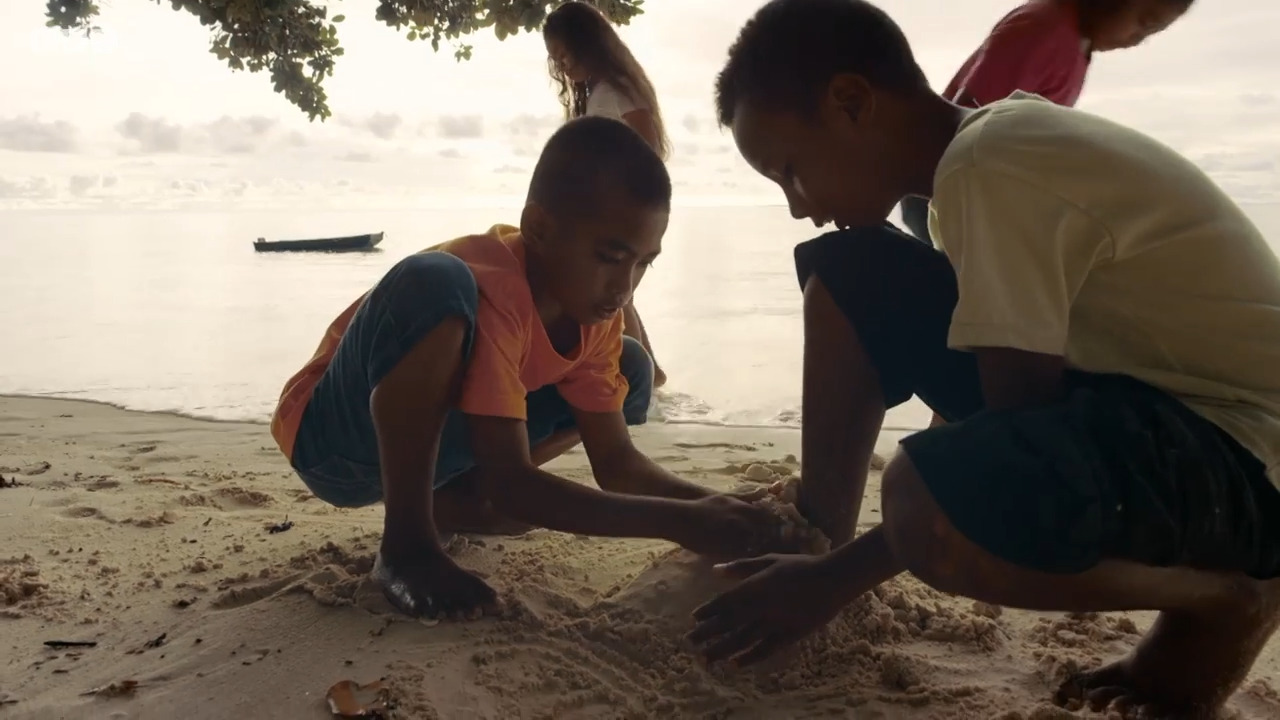
In Protecting the World’s Smallest Islands, host Radzi Chinyanganya highlights the efforts of children in Palau, a small Pacific Island nation, as they fight to protect their environment from the effects of climate change. These young activists are taking action to preserve their island’s natural beauty and ecosystem, which are being threatened by rising sea levels and extreme weather patterns. Through their activism, they are calling for greater global attention to the vulnerabilities of small island nations and their urgent need for climate action. This video is excerpted from BBC’s My World, a program created for teenagers eager to learn more about the important stories shaping our world.
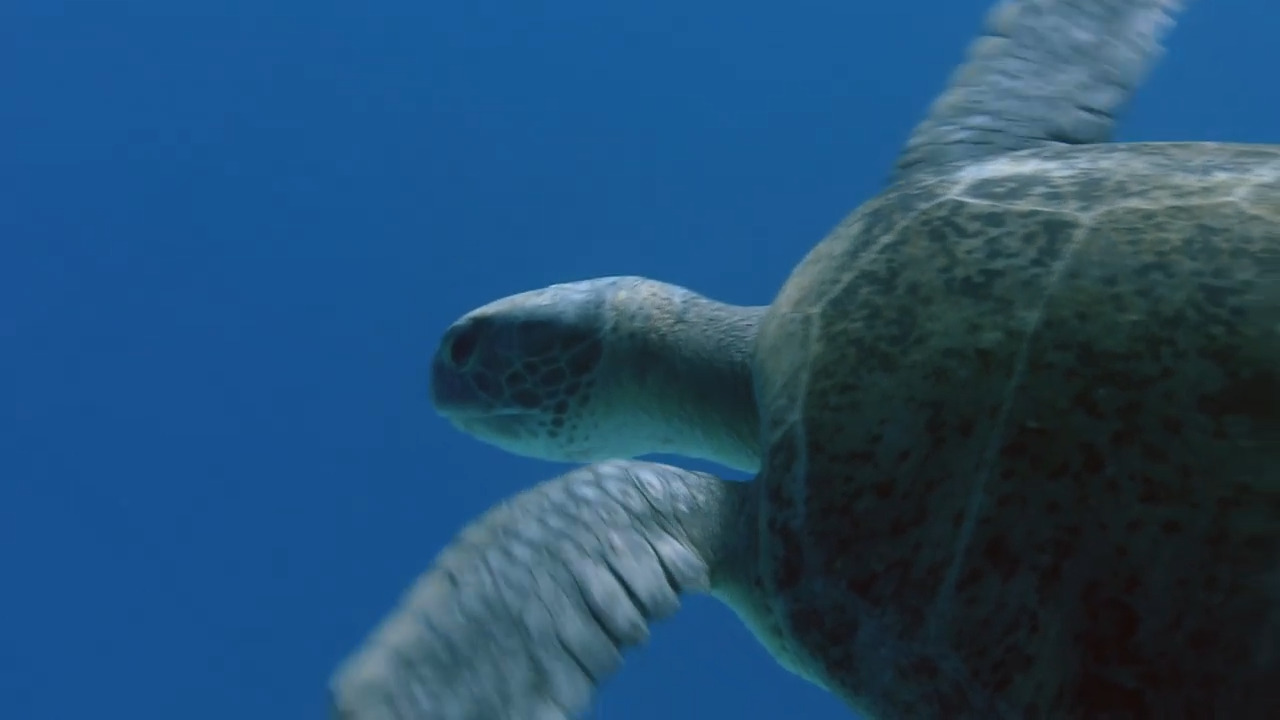
In Turtles on Ascension Island, narrator David Attenborough highlights the green sea turtles that travel incredible distances to lay their eggs on the beaches of Ascension Island. A female turtle may swim over 1,000 miles from her feeding grounds without eating for two months. At night, female turtles come ashore to nest, while eggs laid earlier in the season begin to hatch. Newly hatched turtles must quickly reach the ocean to avoid predators. However, their journey is just beginning — most will not survive the next 20 years. Yet, those that do will return to the same beach where they were born, guided by an instinct that scientists still do not fully understand. This video is excerpted from BBC’s Planet Earth, a breathtaking documentary series that highlights the natural wonders of our planet.
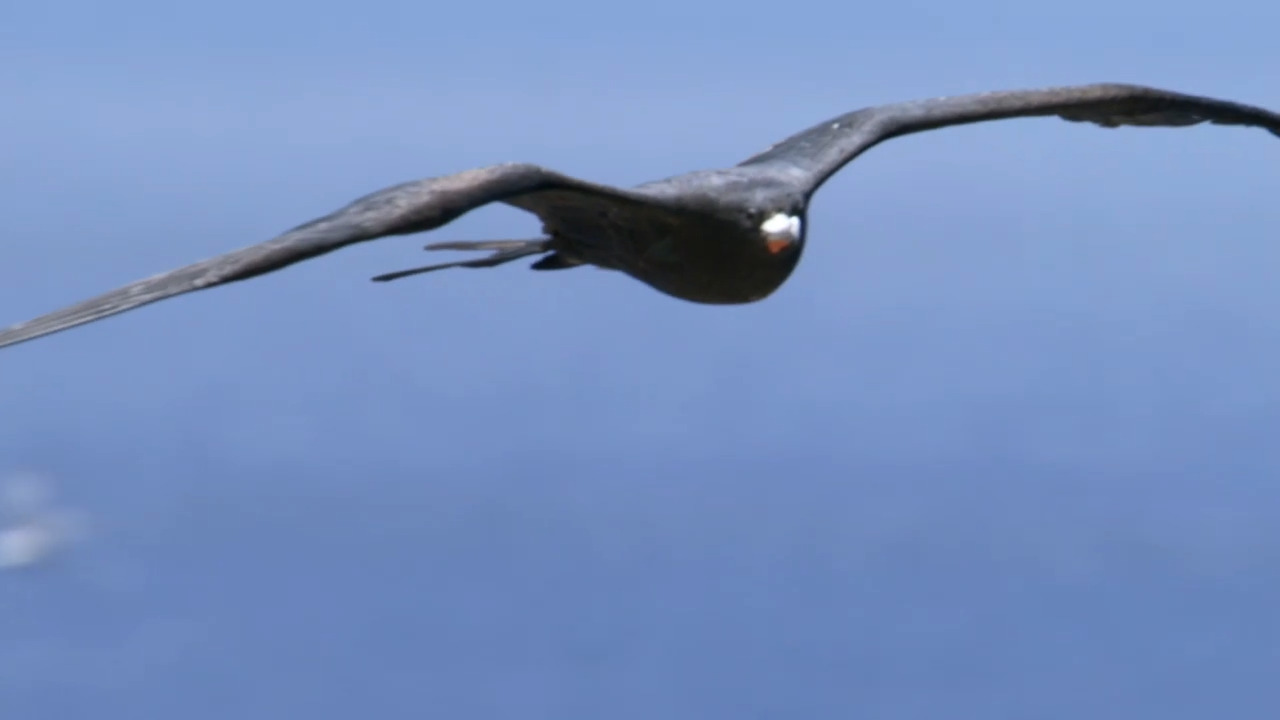
In Frigate Birds Nesting on Ascension Island, narrator David Attenborough highlights frigate birds, who travel across vast stretches of the ocean but return to Ascension Island to nest. This isolated volcanic island, located 800 miles from any other land, provides a vital refuge. Instead of choosing the island's main slopes, frigate birds nest on the even more remote Boatswain Bird Island, a rocky outcrop just off the coast. With the lightest body relative to their wings, these birds can soar for weeks with minimal effort, making them much more at home in the sky than on land. This video is excerpted from BBC’s Planet Earth, a breathtaking documentary series that highlights the natural wonders of our planet.
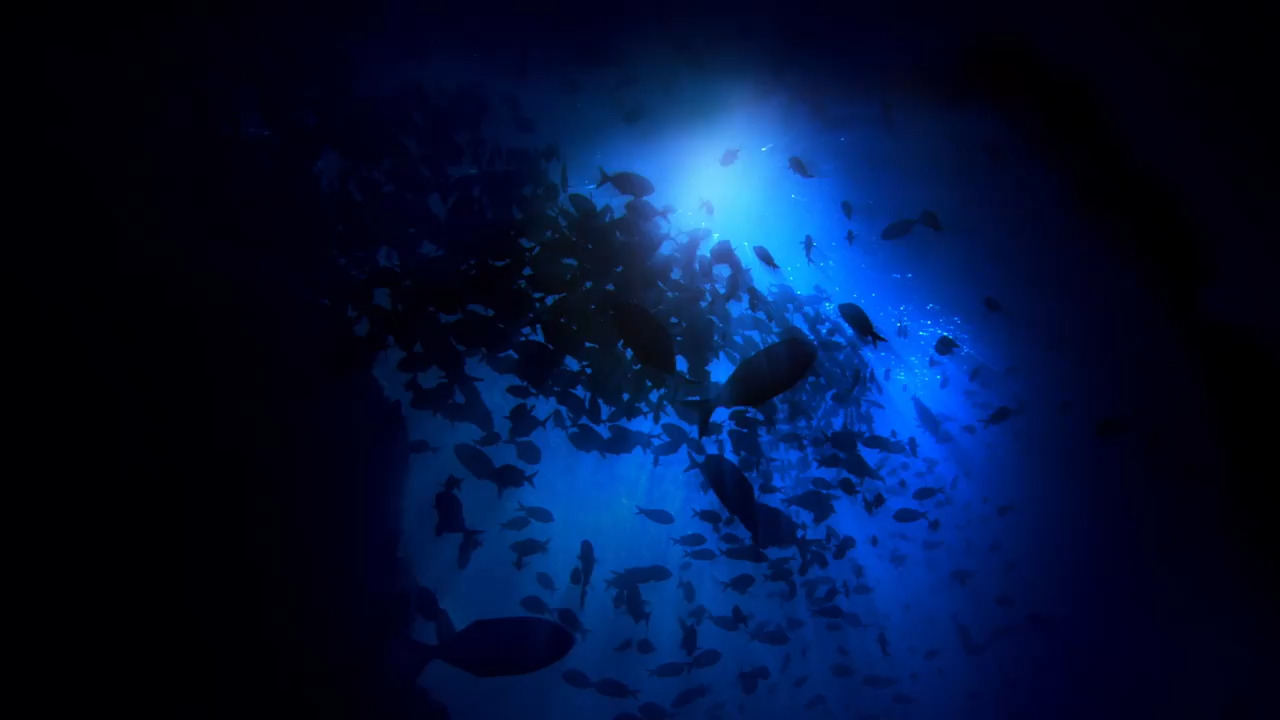
In Finding Refuge in the Sea Caves of Poor Knights Islands, narrator Sir David Attenborough explores the Poor Knights Islands in New Zealand, focusing on the survival strategies of fish and bats that use sea caves as their refuge. After feeding in the open water, demersal fish return to the caves to avoid predators. Big-eyes are night-feeding fish that leave the caves each evening. Bats face danger from snakes that sense their body heat and strike at them as they exit the caves. This video is excerpted from BBC’s Planet Earth, a breathtaking documentary series that highlights the natural wonders of our planet.
In Majuli: A River Island in India, learn about Majuli, the largest river island in Assam. It’s a busy place that’s an example of how Indian people work with each other and the natural world. This video is from the BBC’s Hidden India, in which presenter Geraldine James explores India’s diverse environments.
In How Volcanic Islands Form, narrator Sir David Attenborough explains how an island forms in the middle of the ocean, fueling the development of a new ecosystem. This video is excerpted from BBC’s Blue Planet, a definitive documentary series diving into the mysterious depths of the sea to discover the natural history of the world’s oceans and the rarely seen marine life that reside there.
In The Go Jetters Learn About the Christmas Island Crab Migration, the Go Jetters crew visits Christmas Island to learn about the annual red crab migration. Ubercorn shares funky facts about the island and how the islanders help the crabs during their migration from the center of the island to the sea. This video is excerpted from BBC’s Go Jetters, a series that follows the adventures of four international heroes as they travel the globe visiting landmarks and solving environmental problems with Ubercorn, a disco-dancing unicorn.
In The Go Jetters Explore the Floating Islands of Lake Titicaca!, the Go Jetters crew visits Lake Titicaca in South America, the biggest lake on that continent, and discovers floating islands made of reeds! The Uros people live on these islands, which they build from reeds, and they also use the reeds to make boats, homes, and ropes. It's amazing how they use these plants for things they need every day! This video is excerpted from BBC’s Go Jetters, a series that follows the adventures of four plucky international heroes as they travel the globe visiting the world’s most famous landmarks with their friend and mentor, Ubercorn, a disco-dancing unicorn.
Bluey and Bingo created their perfect place... RUG ISLAND? What's yours like? Think about:
- Who lives on the island?
- What food is on your island?
- What's the weather like?
Inspired by Season 2, Episode 10 "Rug Island": Dad washes up on Bluey and Bingo’s deserted island and while Bingo takes pity on him and tries to help him survive, Bluey doesn’t think a grown-up can adapt. Will Dad prove his worth?
In The Life of Galapagos Iguanas, narrator Sir David Attenborough looks at how the Galapagos iguanas survive in the remote Galapagos Islands. The iguanas eat seaweed on the rocks amidst the crashing waves, and the females must journey inland to lay their eggs in burrows. This video is excerpted from BBC’s Blue Planet, a definitive documentary series diving into the mysterious depths of the sea to discover the natural history of the world’s oceans and the rarely seen marine life that reside there.
In The Go Jetters Meet the Giant Moai Statues in the Pacific Ocean, the Go Jetters crew visits Easter Island, a tiny island in the middle of the big South Pacific Ocean, far away from anything else! The people who first settled there were amazing navigators and built giant stone statues called moai to honor their families and protect the island. These statues still stand tall today and are a favorite spot for visitors from all over the world. This video is excerpted from BBC’s Go Jetters, a series that follows the adventures of four plucky international heroes as they travel the globe visiting the world’s most famous landmarks with their friend and mentor, Ubercorn, a disco-dancing unicorn.
In The Surprising Life of Galapagos Penguin Chicks, narrator Gordon Buchanan explains how penguins have adapted to life by sticking to cool waters and underground lava tubes. Meanwhile, a Sally Lightfoot crab feels its way through the dark to hunt penguin chicks but is dissuaded by their size and beaks. This video is excerpted from BBC's Animal Babies, a heartwarming show that follows the first breaths, first steps, and first feeds of some adorable baby animals, revealing the challenges they face to survive in some of the toughest but most beautiful places on the planet.
In Protecting the World’s Smallest Islands, host Radzi Chinyanganya highlights the efforts of children in Palau, a small Pacific Island nation, as they fight to protect their environment from the effects of climate change. These young activists are taking action to preserve their island’s natural beauty and ecosystem, which are being threatened by rising sea levels and extreme weather patterns. Through their activism, they are calling for greater global attention to the vulnerabilities of small island nations and their urgent need for climate action. This video is excerpted from BBC’s My World, a program created for teenagers eager to learn more about the important stories shaping our world.
In Turtles on Ascension Island, narrator David Attenborough highlights the green sea turtles that travel incredible distances to lay their eggs on the beaches of Ascension Island. A female turtle may swim over 1,000 miles from her feeding grounds without eating for two months. At night, female turtles come ashore to nest, while eggs laid earlier in the season begin to hatch. Newly hatched turtles must quickly reach the ocean to avoid predators. However, their journey is just beginning — most will not survive the next 20 years. Yet, those that do will return to the same beach where they were born, guided by an instinct that scientists still do not fully understand. This video is excerpted from BBC’s Planet Earth, a breathtaking documentary series that highlights the natural wonders of our planet.
In Frigate Birds Nesting on Ascension Island, narrator David Attenborough highlights frigate birds, who travel across vast stretches of the ocean but return to Ascension Island to nest. This isolated volcanic island, located 800 miles from any other land, provides a vital refuge. Instead of choosing the island's main slopes, frigate birds nest on the even more remote Boatswain Bird Island, a rocky outcrop just off the coast. With the lightest body relative to their wings, these birds can soar for weeks with minimal effort, making them much more at home in the sky than on land. This video is excerpted from BBC’s Planet Earth, a breathtaking documentary series that highlights the natural wonders of our planet.
In Finding Refuge in the Sea Caves of Poor Knights Islands, narrator Sir David Attenborough explores the Poor Knights Islands in New Zealand, focusing on the survival strategies of fish and bats that use sea caves as their refuge. After feeding in the open water, demersal fish return to the caves to avoid predators. Big-eyes are night-feeding fish that leave the caves each evening. Bats face danger from snakes that sense their body heat and strike at them as they exit the caves. This video is excerpted from BBC’s Planet Earth, a breathtaking documentary series that highlights the natural wonders of our planet.