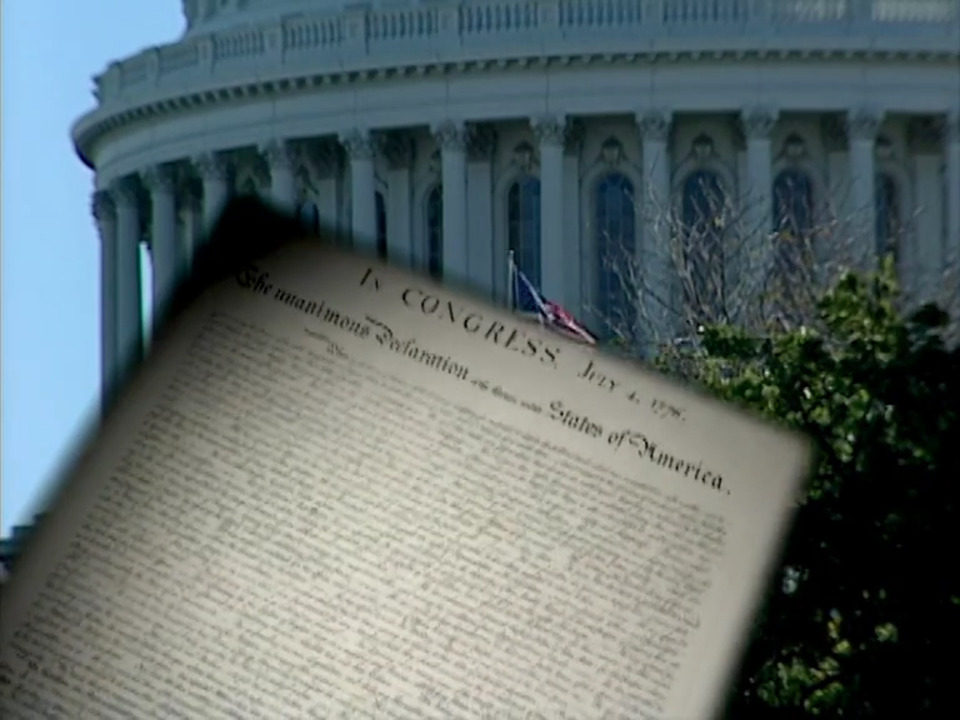
In Thomas Jefferson and the Declaration of Independence, learn how the colonies made the case for independence from Britain during the Revolutionary War. A Committee of Five, including Thomas Jefferson, drafted the document, drawing on ideas from the Virginia Declaration of Rights and John Locke. The Declaration outlined reasons for independence, the philosophy behind it, the king’s offenses, and concluded with the resolution for freedom. It was approved on July 4, 1776, and its original draft is now on permanent display in Washington, D.C.

The article "The Declaration of Independence: A Revolutionary Document and Its Unfinished Promise" from BBC's HistoryExtra explains the origins and content of the Declaration of Independence, which declared the American colonies free from British rule. The document outlined grievances against King George III and promised freedom and equality, yet it ignored key groups like enslaved people and Native Americans.
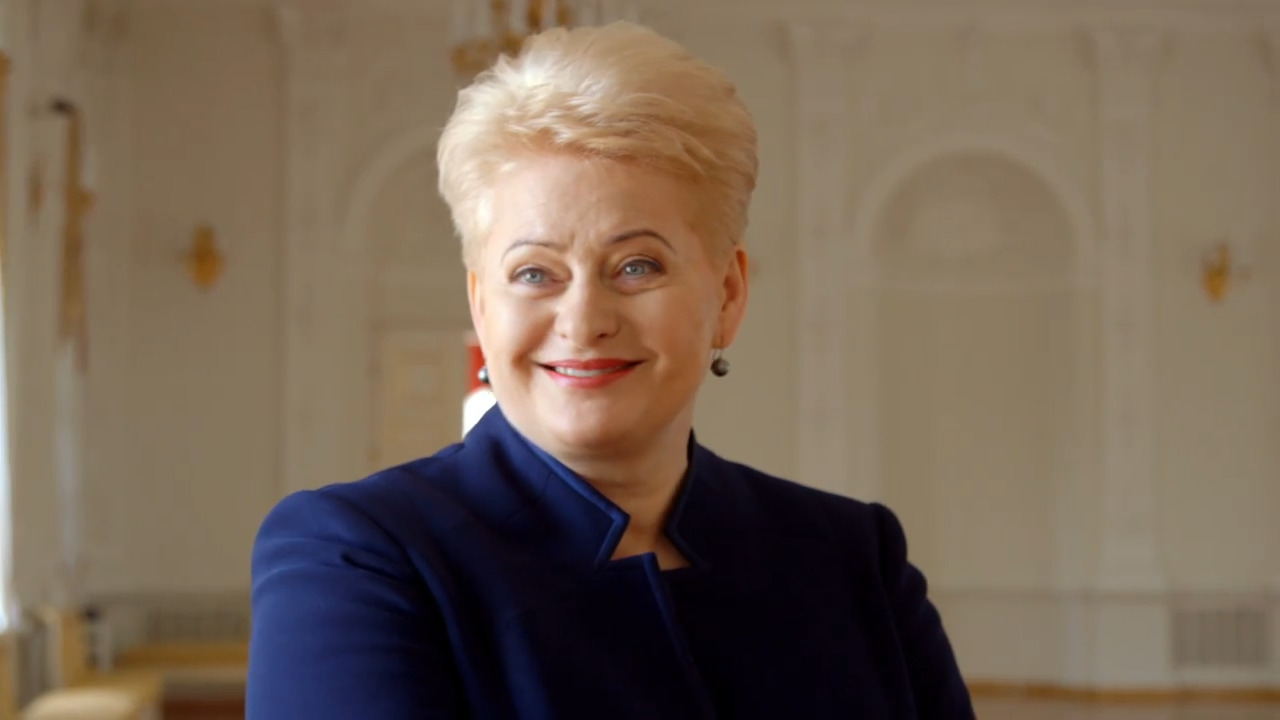
In Dalia Grybauskaitė, President of Lithuania, learn how Grybauskaitė rose to leadership in a country shaped by Soviet control and conflict. Although she never planned to become a leader, she accepted the responsibility and later defended Lithuania’s independence with confidence, even when facing powerful leaders who expected her to be afraid. This video is excerpted from BBC's Her Story: The Female Revolution, which explores the history and impact of women’s rights movements and achievements of women.
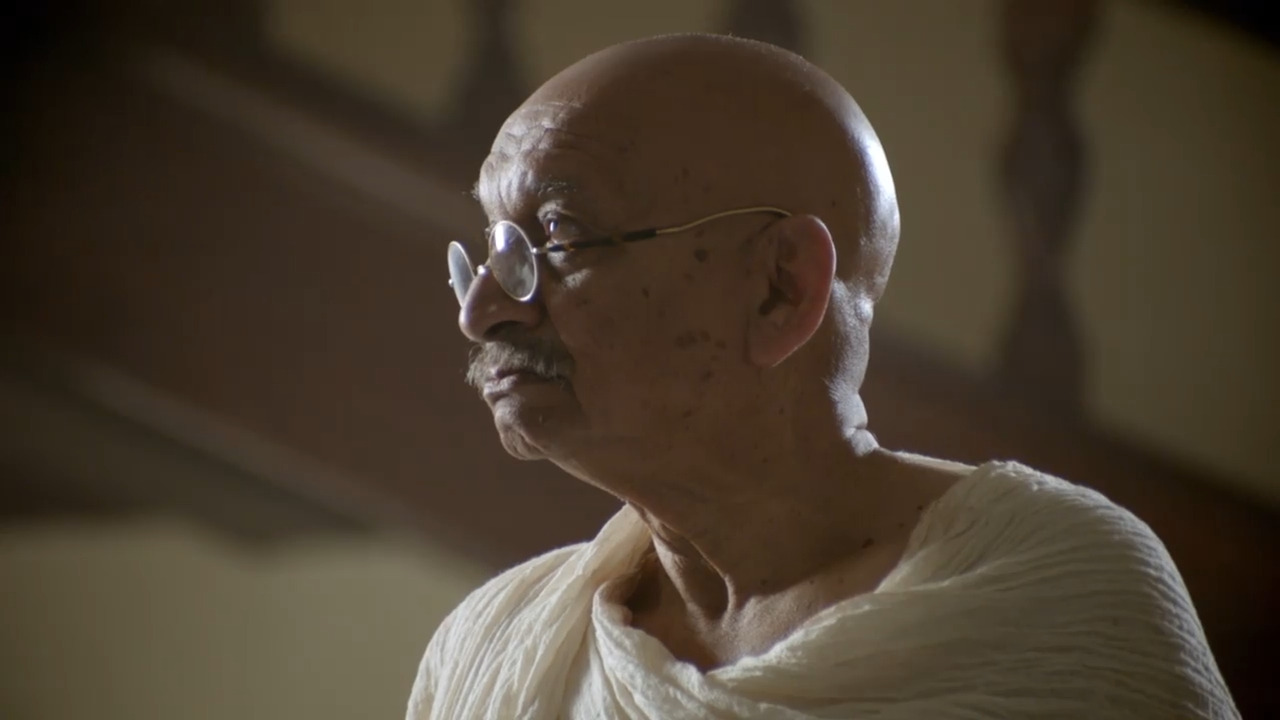
In Gandhi’s Campaign and the Fall of an Empire, host Andrew Marr details how Gandhi sent a letter to the Viceroy demanding freedom from British rule. When the letter was ignored, Gandhi began his campaign for Indian freedom. Inspired by the Boston Tea Party, and using the media to garner support, Gandhi engaged in protests that led to India’s independence. This video is excerpted from BBC’s Andrew Marr's History of the World, a story of human history that uses reenactments, modern footage, and storytelling to explain history’s greatest achievements.
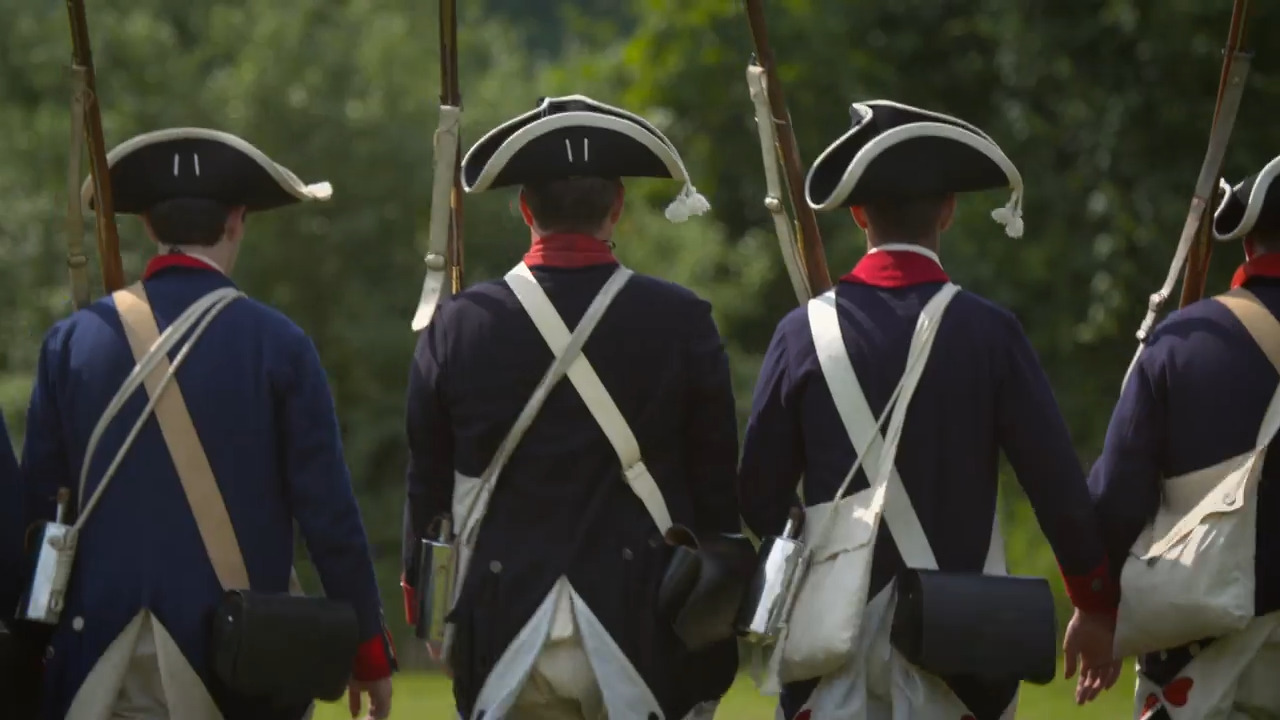
In Who Helped Win the Revolutionary Way — Farmers or Soldiers?, historian Lucy Worsley investigates whether local militia or trained soldiers helped win the War of Independence and why the army disbanded when the war was won. This video is excerpted from BBC's American History's Biggest Fibs with Lucy Worsley, in which Worsley reveals the myths and manipulations behind American history.
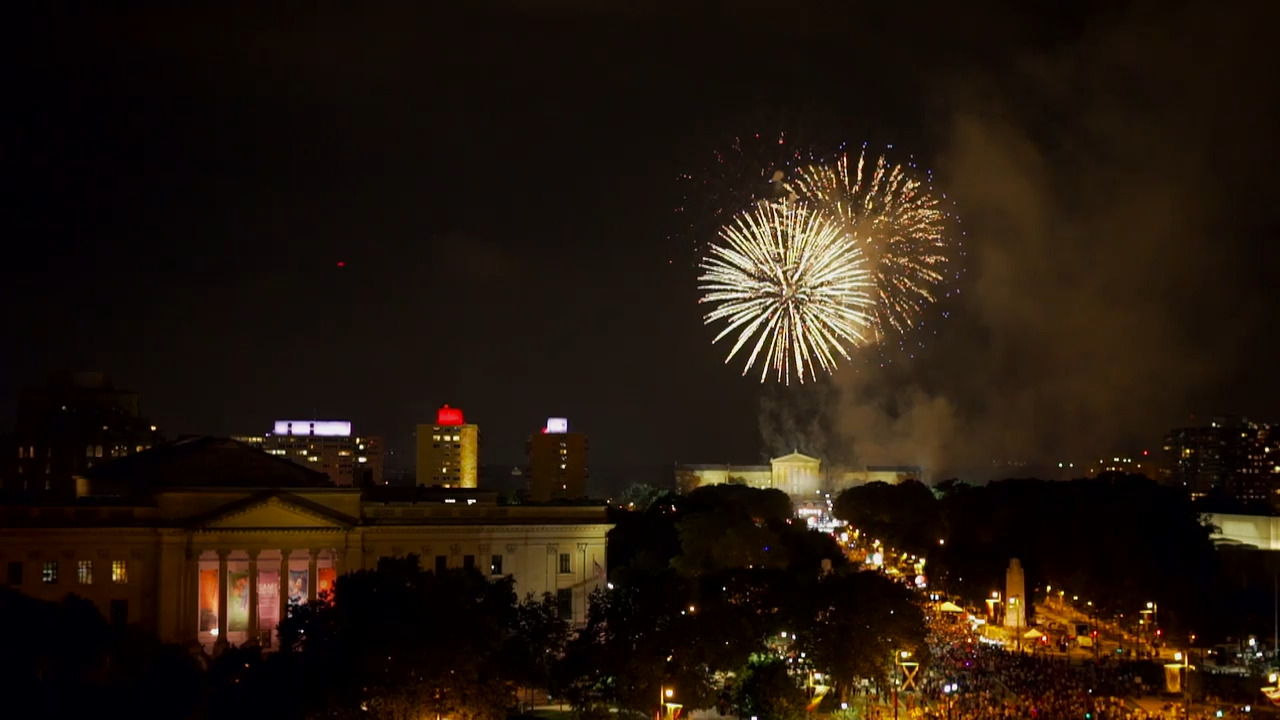
In How the French Supported the Birth of the United States, historian Lucy Worsley learns how Americans turned to the French king, Louis XVI for help. France saw Britain as an enemy and was happy to support the fight for Independence. They sent their navy to America and helped to win the war. This video is excerpted from BBC's American History's Biggest Fibs with Lucy Worsley, in which Worsley reveals the myths and manipulations behind American history.
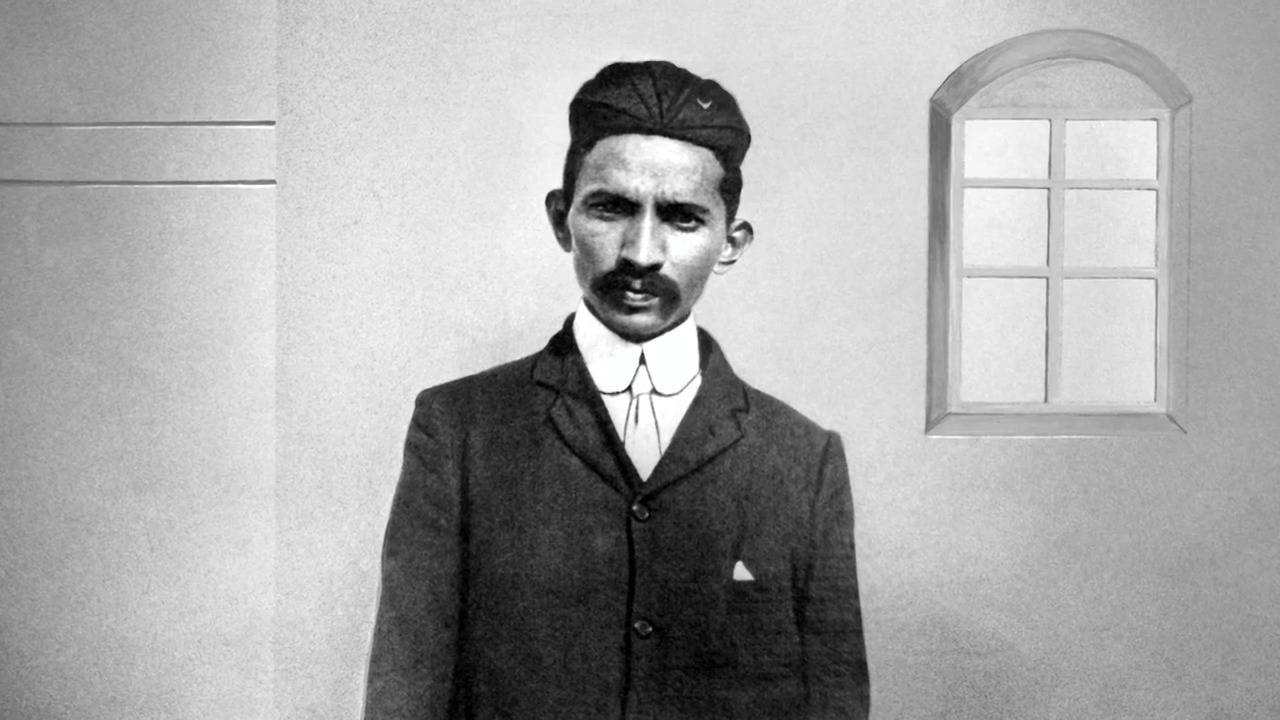
In The Life and Legacy of Mahatma Gandhi, host Sanjeev Bhaskar discusses the life of Mahatma Gandhi, his peaceful protests, and his ability to shake the foundations of the British Empire. This video is excerpted from BBC’s Icons: The Greatest Person of the 20th Century, a documentary series celebrating the achievements of the most influential figures of the era.
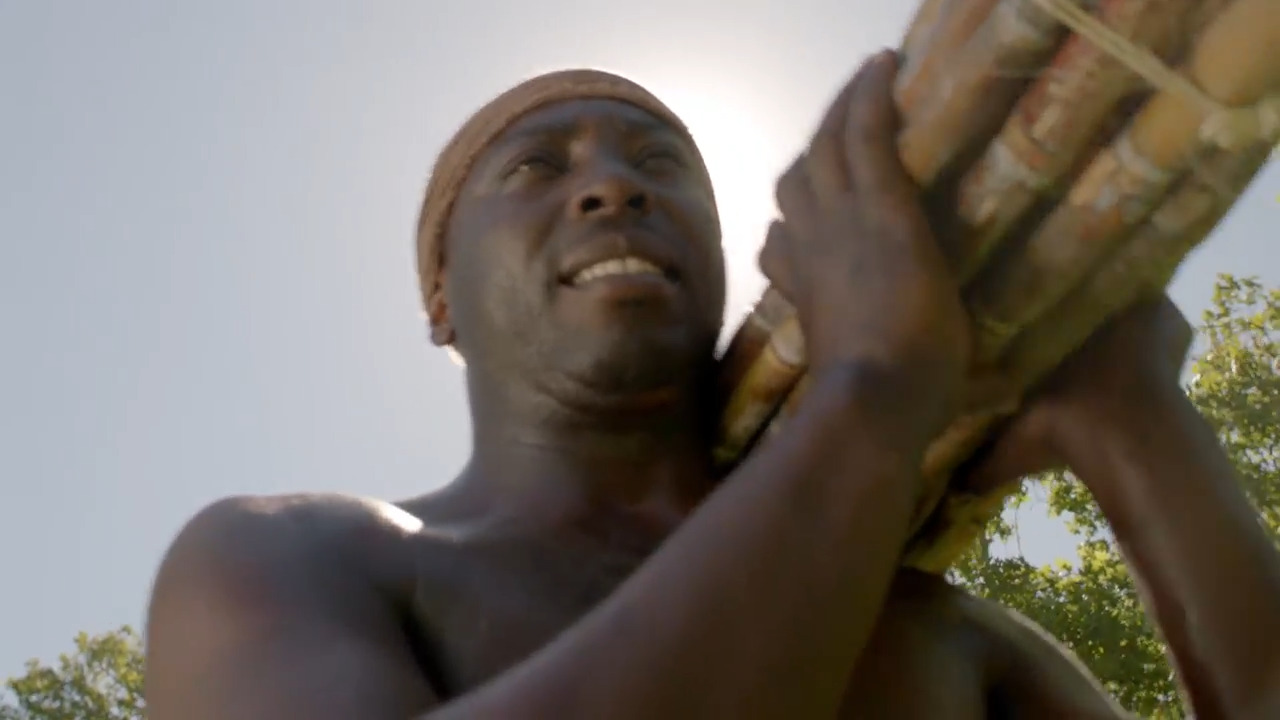
In The Fight for Freedom and Democracy in Haiti, host Andrew Marr describes how enslaved people in the French colony of Saint-Domingue learned about the ideals of the French Revolution. The idea of freedom and democracy spread from plantation to plantation through voodoo ceremonies. One leader, Dutty Boukman, was instrumental in inspiring Haitians to revolt, which led to the creation of the first Black republic. This video is excerpted from BBC’s A History of the World, a story of human history that uses reenactments, modern footage, and storytelling to explain history’s greatest achievements.
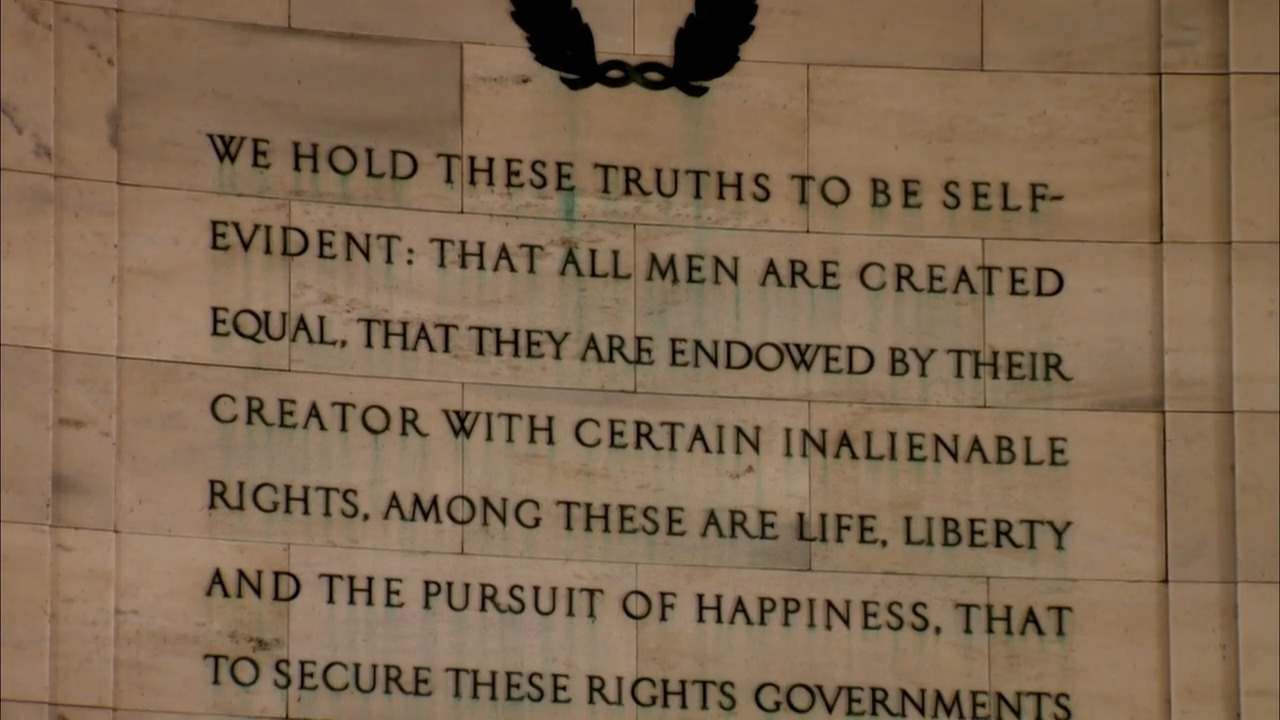
In The Boston Tea Party Ignites the Revolutionary War, host Andrew Marr describes how Samuel Adams and fellow colonists rebelled against British rule by destroying a shipment of tea in Boston Harbor. This act of defiance would ignite the Revolutionary War and set the stage for the birth of a new nation governed by revolutionary ideals. This video is excerpted from BBC’s Andrew Marr's History of the World, a story of human history that uses reenactments, modern footage, and storytelling to explain history’s greatest achievements.
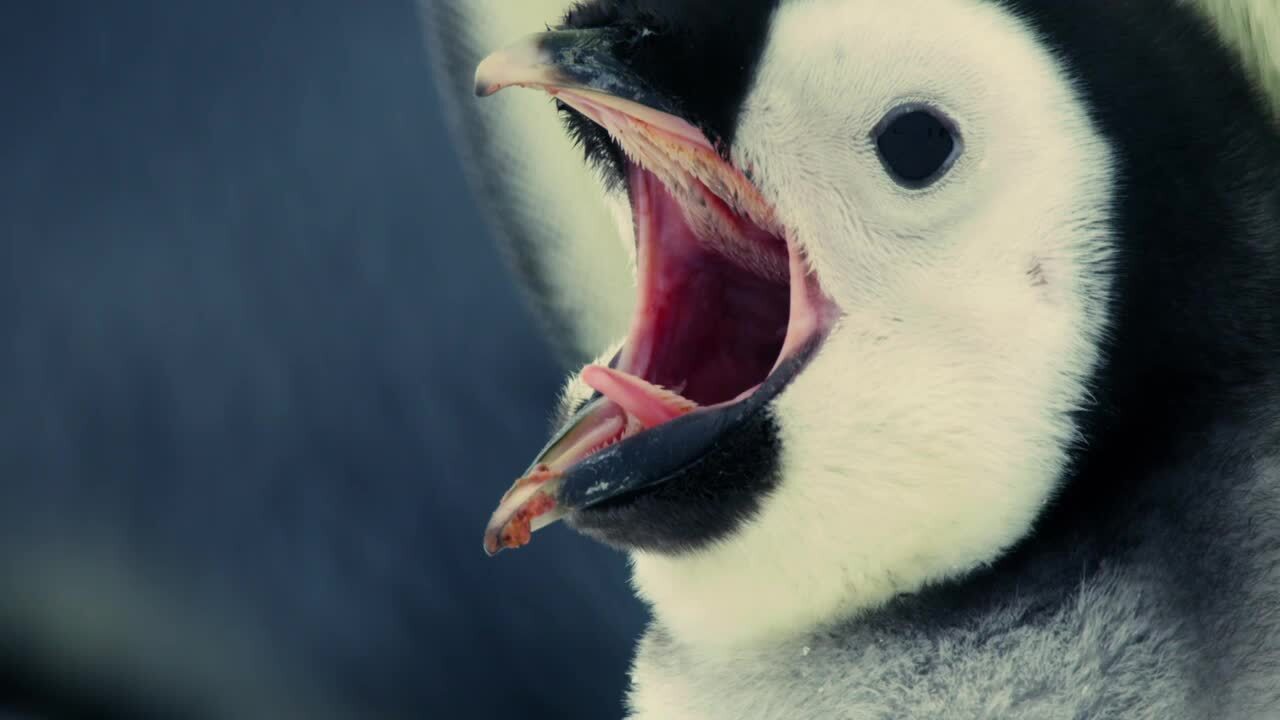
In Penguin Chicks Growing Up, narrator Sir David Attenborough describes how the penguin chick is a month old and growing fast. Both its parents leave to gather food, leaving the chick alone. What instincts will kick in to help it survive when the temperature drops again? This video is excerpted from BBC’s Dynasties, a documentary that follows endangered species fighting for their survival.
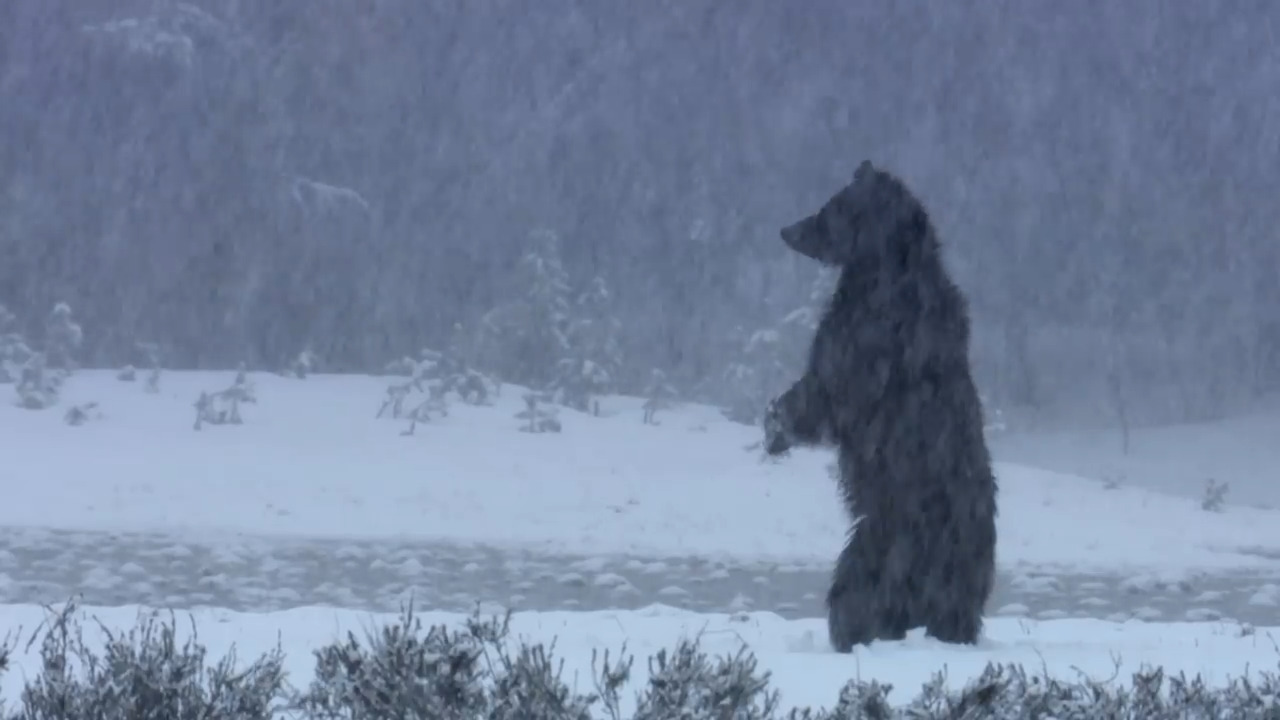
In Grizzly Bear Cubs Lost in a Snowstorm, narrator Gordon Buchanan explains how the weather can change quickly in the high altitudes of Yellowstone National Park. A heavy snowstorm could cause grizzly bear cubs to get lost from their mother. The baby cubs are also threatened by an adult male grizzly bear. This video is excerpted from BBC's Animal Babies, a heartwarming show that follows the first breaths, first steps, and first feeds of some adorable baby animals, revealing the challenges they face to survive in some of the toughest but most beautiful places on the planet.
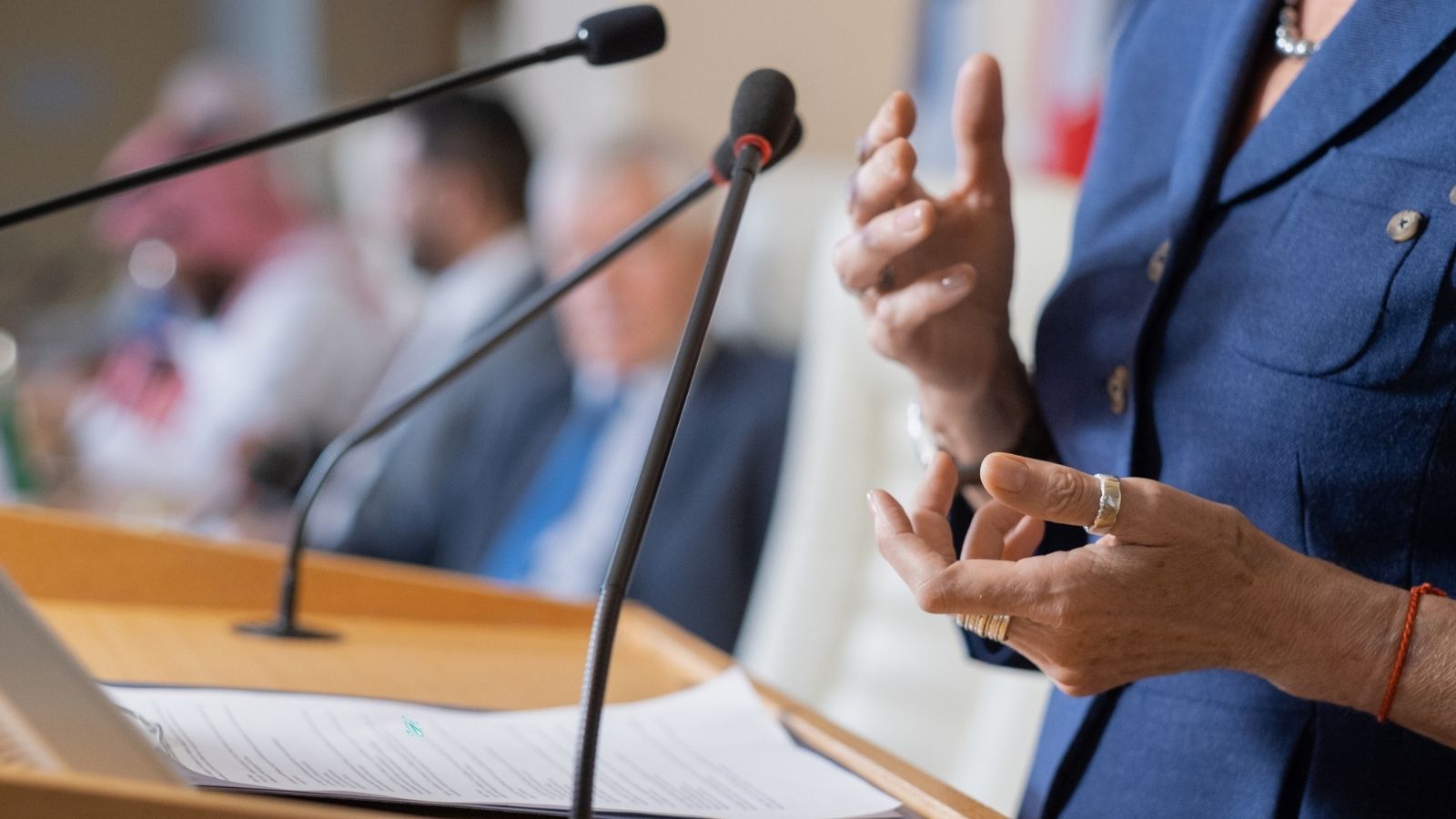
Meet Seven Women Leaders From All Around the World Who Broke Barriers.
They navigated crisis, criticism, and political pressure. They were pioneers, reformers, and power brokers — but they were also complex figures shaped by culture, controversy, and the eras in which they governed. In honor of Women’s History Month, this video playlist explores influential leaders from around the globe through BBC clips featuring Hillary Clinton, Margaret Thatcher, Michelle Bachelet, and more.
From national parliaments to international financial institutions, these women led in vastly different political systems and cultural landscapes. Some championed social reform. Others advanced market-driven policies. All faced intense scrutiny — not only for their decisions, but for their leadership styles, identities, and the expectations placed upon women in power.
This thoughtful playlist invites students to examine leadership with nuance: How do gender and politics intersect? How do public expectations shape women leaders differently? And what can we learn from both their accomplishments and their controversies?
In Thomas Jefferson and the Declaration of Independence, learn how the colonies made the case for independence from Britain during the Revolutionary War. A Committee of Five, including Thomas Jefferson, drafted the document, drawing on ideas from the Virginia Declaration of Rights and John Locke. The Declaration outlined reasons for independence, the philosophy behind it, the king’s offenses, and concluded with the resolution for freedom. It was approved on July 4, 1776, and its original draft is now on permanent display in Washington, D.C.
The article "The Declaration of Independence: A Revolutionary Document and Its Unfinished Promise" from BBC's HistoryExtra explains the origins and content of the Declaration of Independence, which declared the American colonies free from British rule. The document outlined grievances against King George III and promised freedom and equality, yet it ignored key groups like enslaved people and Native Americans.
In Dalia Grybauskaitė, President of Lithuania, learn how Grybauskaitė rose to leadership in a country shaped by Soviet control and conflict. Although she never planned to become a leader, she accepted the responsibility and later defended Lithuania’s independence with confidence, even when facing powerful leaders who expected her to be afraid. This video is excerpted from BBC's Her Story: The Female Revolution, which explores the history and impact of women’s rights movements and achievements of women.
In Gandhi’s Campaign and the Fall of an Empire, host Andrew Marr details how Gandhi sent a letter to the Viceroy demanding freedom from British rule. When the letter was ignored, Gandhi began his campaign for Indian freedom. Inspired by the Boston Tea Party, and using the media to garner support, Gandhi engaged in protests that led to India’s independence. This video is excerpted from BBC’s Andrew Marr's History of the World, a story of human history that uses reenactments, modern footage, and storytelling to explain history’s greatest achievements.
In Who Helped Win the Revolutionary Way — Farmers or Soldiers?, historian Lucy Worsley investigates whether local militia or trained soldiers helped win the War of Independence and why the army disbanded when the war was won. This video is excerpted from BBC's American History's Biggest Fibs with Lucy Worsley, in which Worsley reveals the myths and manipulations behind American history.
In How the French Supported the Birth of the United States, historian Lucy Worsley learns how Americans turned to the French king, Louis XVI for help. France saw Britain as an enemy and was happy to support the fight for Independence. They sent their navy to America and helped to win the war. This video is excerpted from BBC's American History's Biggest Fibs with Lucy Worsley, in which Worsley reveals the myths and manipulations behind American history.
In The Life and Legacy of Mahatma Gandhi, host Sanjeev Bhaskar discusses the life of Mahatma Gandhi, his peaceful protests, and his ability to shake the foundations of the British Empire. This video is excerpted from BBC’s Icons: The Greatest Person of the 20th Century, a documentary series celebrating the achievements of the most influential figures of the era.
In The Fight for Freedom and Democracy in Haiti, host Andrew Marr describes how enslaved people in the French colony of Saint-Domingue learned about the ideals of the French Revolution. The idea of freedom and democracy spread from plantation to plantation through voodoo ceremonies. One leader, Dutty Boukman, was instrumental in inspiring Haitians to revolt, which led to the creation of the first Black republic. This video is excerpted from BBC’s A History of the World, a story of human history that uses reenactments, modern footage, and storytelling to explain history’s greatest achievements.
In The Boston Tea Party Ignites the Revolutionary War, host Andrew Marr describes how Samuel Adams and fellow colonists rebelled against British rule by destroying a shipment of tea in Boston Harbor. This act of defiance would ignite the Revolutionary War and set the stage for the birth of a new nation governed by revolutionary ideals. This video is excerpted from BBC’s Andrew Marr's History of the World, a story of human history that uses reenactments, modern footage, and storytelling to explain history’s greatest achievements.
In Penguin Chicks Growing Up, narrator Sir David Attenborough describes how the penguin chick is a month old and growing fast. Both its parents leave to gather food, leaving the chick alone. What instincts will kick in to help it survive when the temperature drops again? This video is excerpted from BBC’s Dynasties, a documentary that follows endangered species fighting for their survival.
In Grizzly Bear Cubs Lost in a Snowstorm, narrator Gordon Buchanan explains how the weather can change quickly in the high altitudes of Yellowstone National Park. A heavy snowstorm could cause grizzly bear cubs to get lost from their mother. The baby cubs are also threatened by an adult male grizzly bear. This video is excerpted from BBC's Animal Babies, a heartwarming show that follows the first breaths, first steps, and first feeds of some adorable baby animals, revealing the challenges they face to survive in some of the toughest but most beautiful places on the planet.
Meet Seven Women Leaders From All Around the World Who Broke Barriers.
They navigated crisis, criticism, and political pressure. They were pioneers, reformers, and power brokers — but they were also complex figures shaped by culture, controversy, and the eras in which they governed. In honor of Women’s History Month, this video playlist explores influential leaders from around the globe through BBC clips featuring Hillary Clinton, Margaret Thatcher, Michelle Bachelet, and more.
From national parliaments to international financial institutions, these women led in vastly different political systems and cultural landscapes. Some championed social reform. Others advanced market-driven policies. All faced intense scrutiny — not only for their decisions, but for their leadership styles, identities, and the expectations placed upon women in power.
This thoughtful playlist invites students to examine leadership with nuance: How do gender and politics intersect? How do public expectations shape women leaders differently? And what can we learn from both their accomplishments and their controversies?