
Explore the impact of human activity on our oceans with this comprehensive lesson collection. Featuring curated BBC video clips and printable activities, these resources dive into topics like pollution, overfishing, and ocean habitats, helping students understand the challenges facing ocean life and inspiring them to become ocean conservation advocates.
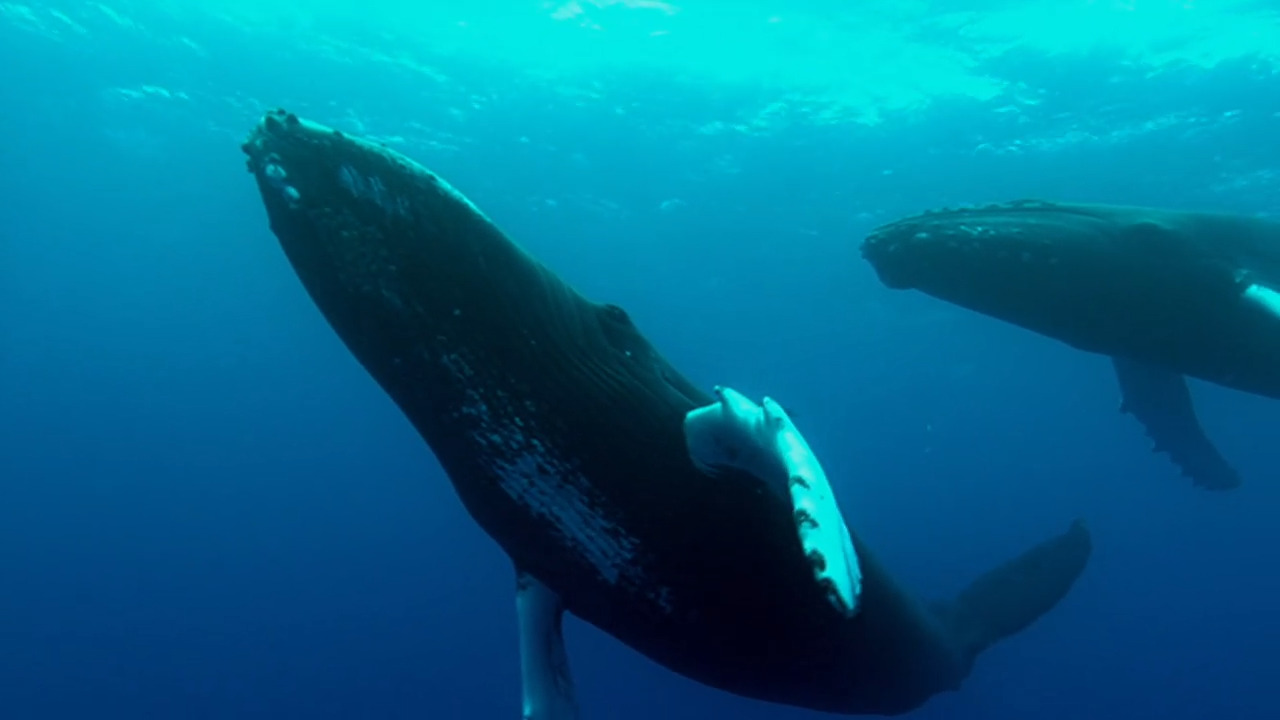
In A World of Whale Sound Beneath the Sea, narrator Sir David Attenborough follows scientists as they track whales. This tracking enables the scientists to redirect shipping and reduce collisions. Tracking also allows them to monitor how the whales use sound as a vital means of communication deep beneath the sea. Unfortunately, human activity and noise pollution is masking some of that sound, having an impact on whale behavior in ways that we’re still learning about. This video is excerpted from BBC’s Horizon: The Death of the Oceans, which reveals what scientists are learning about what is happening in the oceans and whether it is too late to save their remarkable diversity.
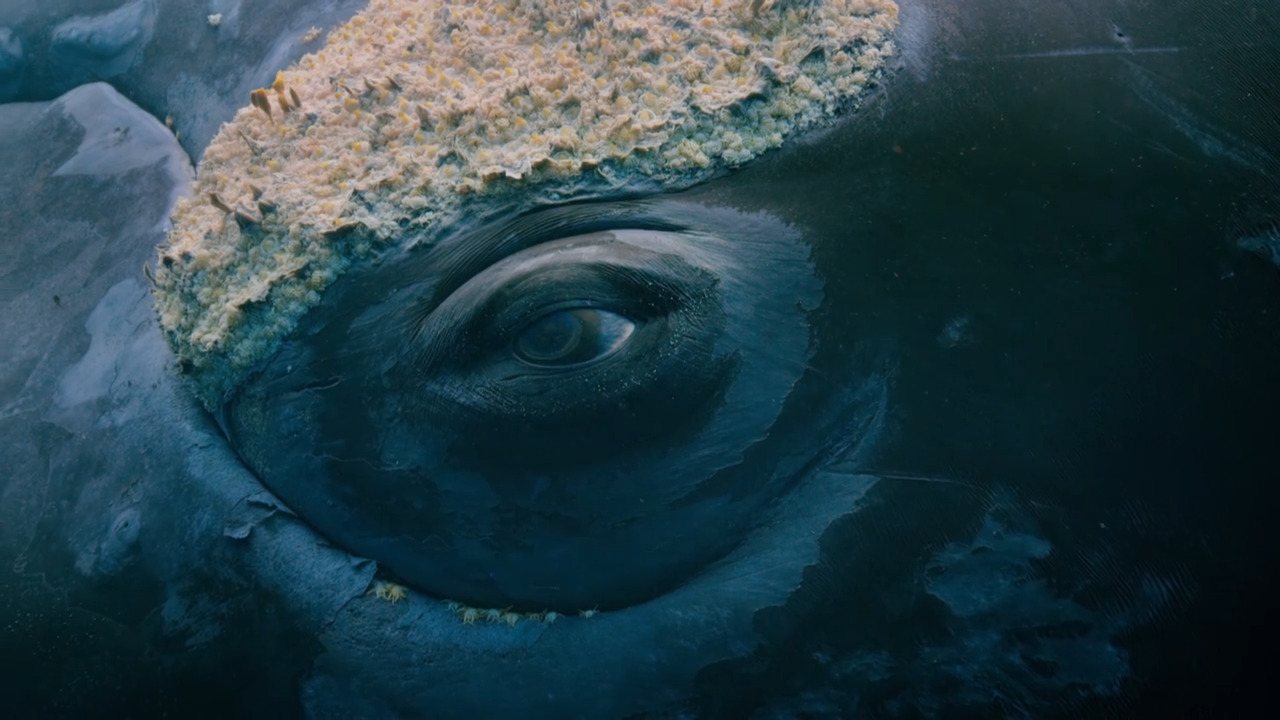
In The Tragic History of the Antarctica Whaling Industry, learn about the devastating impact of industrial whaling. Human activity has transformed the Southern Ocean, nearly driving iconic species like the blue whale and southern right whale to extinction. This video is excerpted from BBC’s Seven Worlds, One Planet, a series featuring remarkable animal behavior from all seven continents.
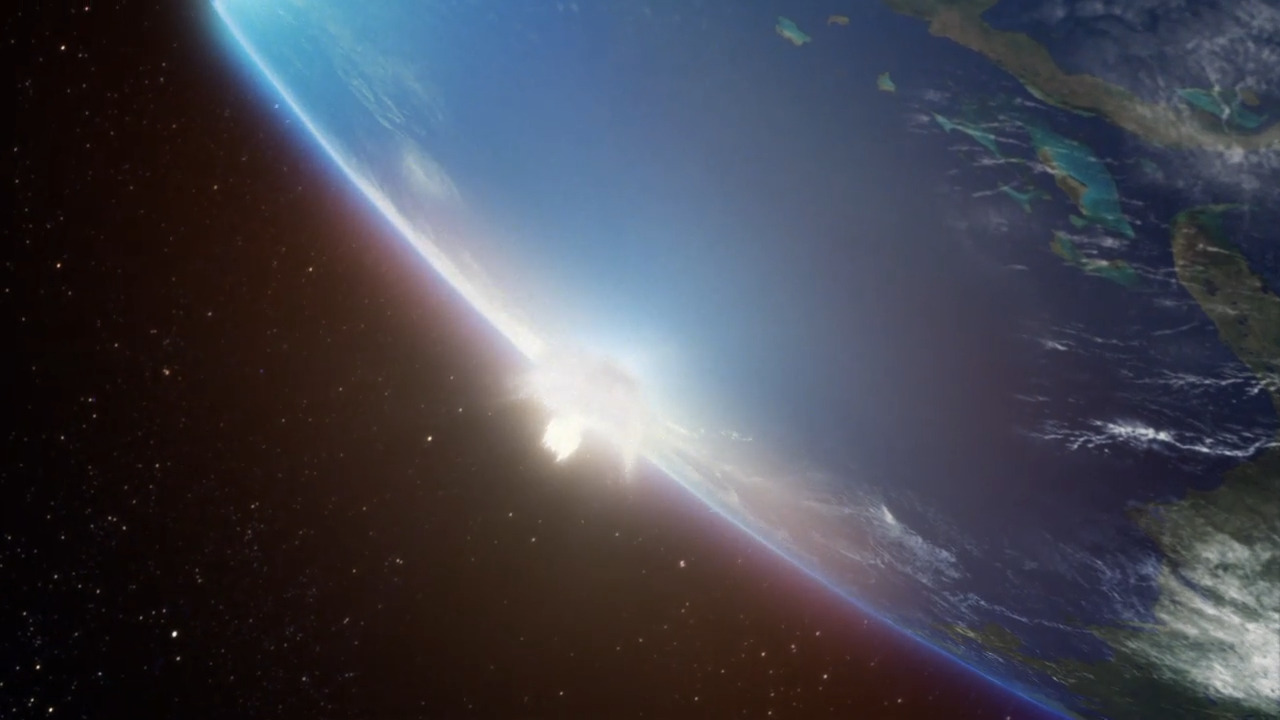
In Earth's Epic Comebacks, geologist Iain Stewart explores how Earth's history of disasters has shaped life and sparked evolution. From dinosaurs thriving after a mass extinction to bacteria surviving an ice age, Earth has always found a balance between stability and chaos. Now, humans are changing the climate and marking a new era called the Anthropocene. The question is: can we protect the planet that makes life so incredible? This video is excerpted from BBC’s Earth: The Power of the Planet, a documentary series in which Dr. Iain Stewart discovers how Earth's forces can shape nature, species, and even the climate.
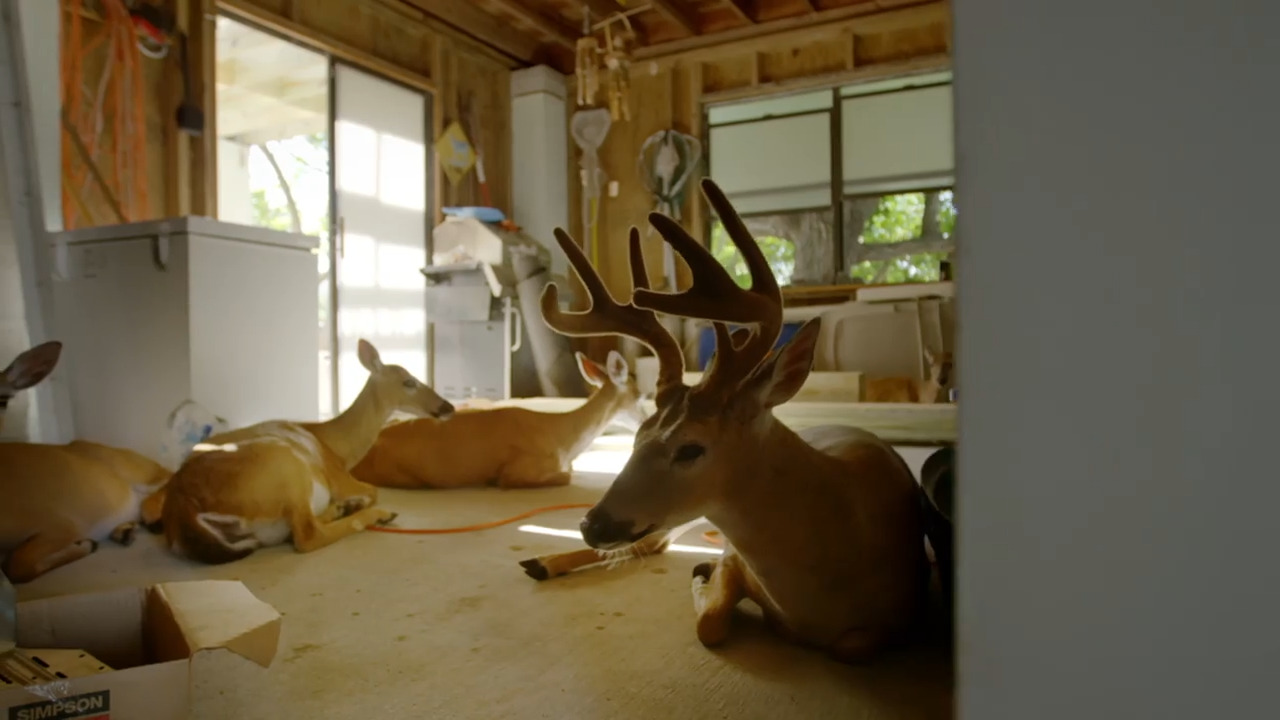
In One Deer Species' "Key" to Survival this smaller subspecies of white-tailed deer survived the devastating effects of Hurricane Irma by moving in closer to human habitats. But will this help or hurt the deer in the long run? This video is excerpted from BBC's Natural World: Florida - America's Animal Paradise, a series displaying Florida’s diverse wildlife and its resilience against increasing environmental threats.
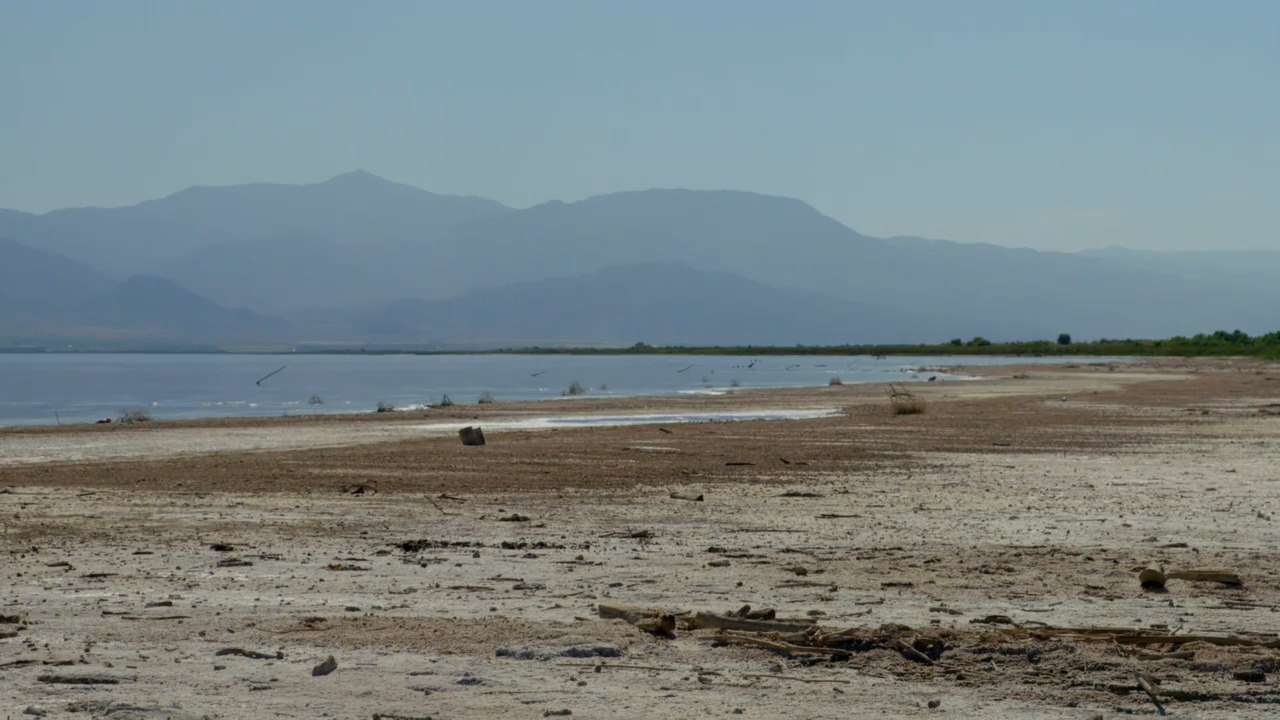
In Bombay Beach and the Salton Sea Crisis, host Simon Reeve takes you to Bombay Beach, a once-glamorous hot spot by California’s largest lake, the Salton Sea. Originally formed by accident when a canal burst, the area became a booming resort. Now, it’s saturated with pesticides and drying up, leaving behind toxic dust — a stark reminder of how human actions can wreak havoc on the environment. This video is excerpted from BBC’s The Americas With Simon Reeve, in which Simon Reeve explores the landscapes, cultures, and wildlife of North and South America.

In Singapore, an Urban Habitat, narrator Sir David Attenborough explores urban habitats. Though urban habitats aren’t usually conducive to plant and animal life, he suggests that humans can design cities more in harmony with nature. For example, Singapore has more species of life than any other in the world, thanks to intentional planting of trees, metal “supertrees,” and the cleaning of waterways. This video is excerpted from BBC’s Planet Earth II, a breathtaking documentary series that highlights the natural wonders of our planet.

Play Three Truths and a Lie about oceans and answer questions about human impact on whales, tusk fish, and the Great Barrier Reef. Plus, complete an infographic activity on how to reduce human impact on our oceans.

These printable activity sheets are used with lessons in the BBC Learning Hub Oceans Collection.
Three Truths and a Lie: Play this quick game with students to activate their prior knowledge about the ocean biome. What do they know?
Activity Sheets: The activity sheets are intended to be shared after students watch the three related video clips about whales, tusk fish, and the Great Barrier Reef.
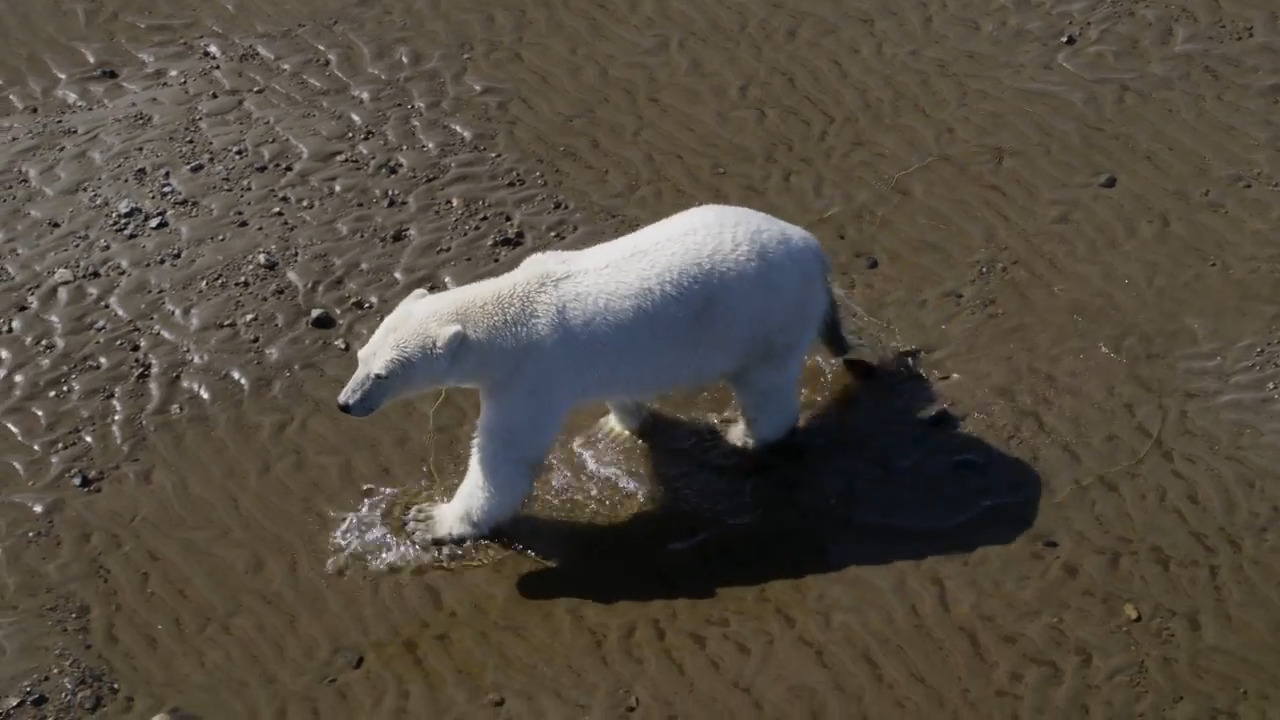
In The Human Impact on Wildlife narrator Sir David Attenborough explains the devastating impact human activities have had on wildlife. Many species are now under threat, but decisions must be made to help reverse these harmful activities. This video is excerpted from BBC’s Seven Worlds, One Planet, a series featuring remarkable animal behavior from all seven continents.
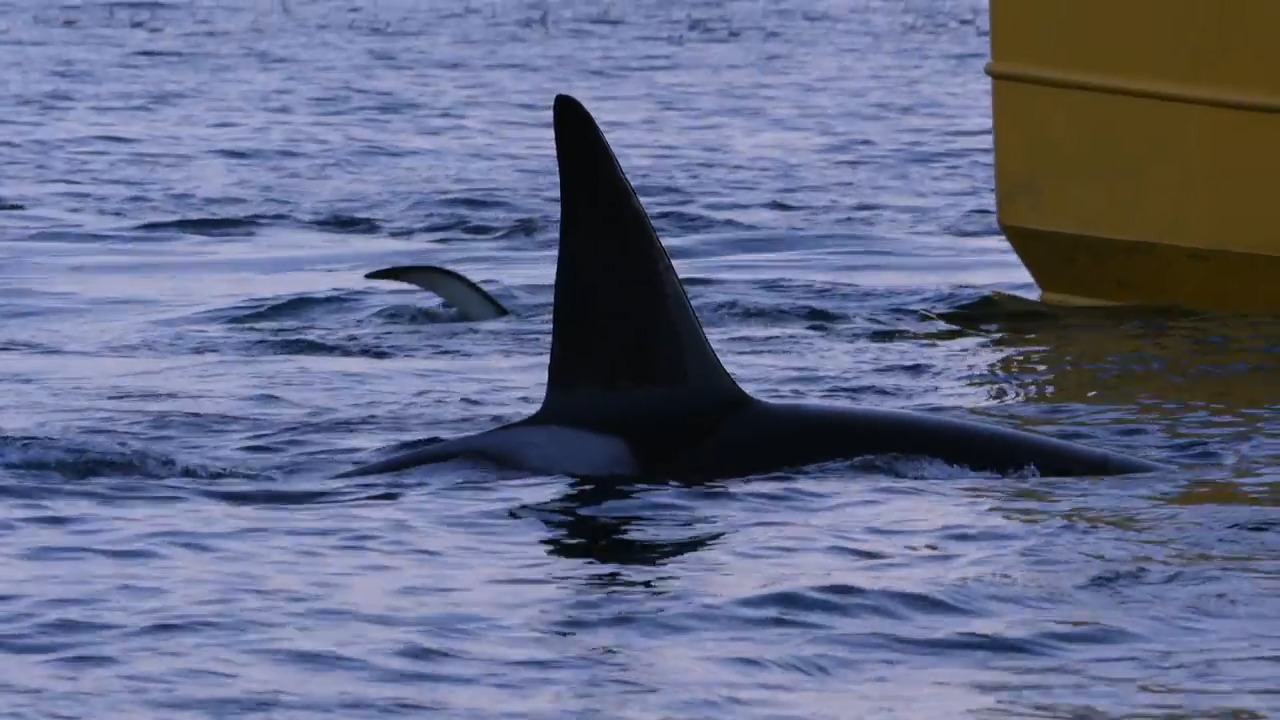
In The Human Impact on Orca, naturalist Steve Backshall is in Norway to observe orca feeding on herring. He explains how humans are taking orcas into captivity and how tourism is protecting them. This video is excerpted from BBC's Deadly 60, an award-winning nature and adventure show for kids in which narrator Steve Backshall has one mission: to travel the globe in search of 60 of the world's deadliest animals.

In this lesson, students will collaborate to understand how marine life is affected by human actions. The Dive into this engaging lesson where your students will uncover how human actions affect marine life. Kick things off with a fun game of Three Truths and a Lie about the ocean to spark curiosity and get everyone talking. Then, break into small groups and tackle a jigsaw activity as students watch short, thought-provoking videos about ocean animals and human impact. Together, they’ll share insights, tackle discussion questions, and use their newfound knowledge to create eye-catching infographics. These creations will inspire others to take action and protect our incredible oceans!
Explore the impact of human activity on our oceans with this comprehensive lesson collection. Featuring curated BBC video clips and printable activities, these resources dive into topics like pollution, overfishing, and ocean habitats, helping students understand the challenges facing ocean life and inspiring them to become ocean conservation advocates.
In A World of Whale Sound Beneath the Sea, narrator Sir David Attenborough follows scientists as they track whales. This tracking enables the scientists to redirect shipping and reduce collisions. Tracking also allows them to monitor how the whales use sound as a vital means of communication deep beneath the sea. Unfortunately, human activity and noise pollution is masking some of that sound, having an impact on whale behavior in ways that we’re still learning about. This video is excerpted from BBC’s Horizon: The Death of the Oceans, which reveals what scientists are learning about what is happening in the oceans and whether it is too late to save their remarkable diversity.
In The Tragic History of the Antarctica Whaling Industry, learn about the devastating impact of industrial whaling. Human activity has transformed the Southern Ocean, nearly driving iconic species like the blue whale and southern right whale to extinction. This video is excerpted from BBC’s Seven Worlds, One Planet, a series featuring remarkable animal behavior from all seven continents.
In Earth's Epic Comebacks, geologist Iain Stewart explores how Earth's history of disasters has shaped life and sparked evolution. From dinosaurs thriving after a mass extinction to bacteria surviving an ice age, Earth has always found a balance between stability and chaos. Now, humans are changing the climate and marking a new era called the Anthropocene. The question is: can we protect the planet that makes life so incredible? This video is excerpted from BBC’s Earth: The Power of the Planet, a documentary series in which Dr. Iain Stewart discovers how Earth's forces can shape nature, species, and even the climate.
In One Deer Species' "Key" to Survival this smaller subspecies of white-tailed deer survived the devastating effects of Hurricane Irma by moving in closer to human habitats. But will this help or hurt the deer in the long run? This video is excerpted from BBC's Natural World: Florida - America's Animal Paradise, a series displaying Florida’s diverse wildlife and its resilience against increasing environmental threats.
In Bombay Beach and the Salton Sea Crisis, host Simon Reeve takes you to Bombay Beach, a once-glamorous hot spot by California’s largest lake, the Salton Sea. Originally formed by accident when a canal burst, the area became a booming resort. Now, it’s saturated with pesticides and drying up, leaving behind toxic dust — a stark reminder of how human actions can wreak havoc on the environment. This video is excerpted from BBC’s The Americas With Simon Reeve, in which Simon Reeve explores the landscapes, cultures, and wildlife of North and South America.
In Singapore, an Urban Habitat, narrator Sir David Attenborough explores urban habitats. Though urban habitats aren’t usually conducive to plant and animal life, he suggests that humans can design cities more in harmony with nature. For example, Singapore has more species of life than any other in the world, thanks to intentional planting of trees, metal “supertrees,” and the cleaning of waterways. This video is excerpted from BBC’s Planet Earth II, a breathtaking documentary series that highlights the natural wonders of our planet.
Play Three Truths and a Lie about oceans and answer questions about human impact on whales, tusk fish, and the Great Barrier Reef. Plus, complete an infographic activity on how to reduce human impact on our oceans.
These printable activity sheets are used with lessons in the BBC Learning Hub Oceans Collection.
Three Truths and a Lie: Play this quick game with students to activate their prior knowledge about the ocean biome. What do they know?
Activity Sheets: The activity sheets are intended to be shared after students watch the three related video clips about whales, tusk fish, and the Great Barrier Reef.
In The Human Impact on Wildlife narrator Sir David Attenborough explains the devastating impact human activities have had on wildlife. Many species are now under threat, but decisions must be made to help reverse these harmful activities. This video is excerpted from BBC’s Seven Worlds, One Planet, a series featuring remarkable animal behavior from all seven continents.
In The Human Impact on Orca, naturalist Steve Backshall is in Norway to observe orca feeding on herring. He explains how humans are taking orcas into captivity and how tourism is protecting them. This video is excerpted from BBC's Deadly 60, an award-winning nature and adventure show for kids in which narrator Steve Backshall has one mission: to travel the globe in search of 60 of the world's deadliest animals.
In this lesson, students will collaborate to understand how marine life is affected by human actions. The Dive into this engaging lesson where your students will uncover how human actions affect marine life. Kick things off with a fun game of Three Truths and a Lie about the ocean to spark curiosity and get everyone talking. Then, break into small groups and tackle a jigsaw activity as students watch short, thought-provoking videos about ocean animals and human impact. Together, they’ll share insights, tackle discussion questions, and use their newfound knowledge to create eye-catching infographics. These creations will inspire others to take action and protect our incredible oceans!