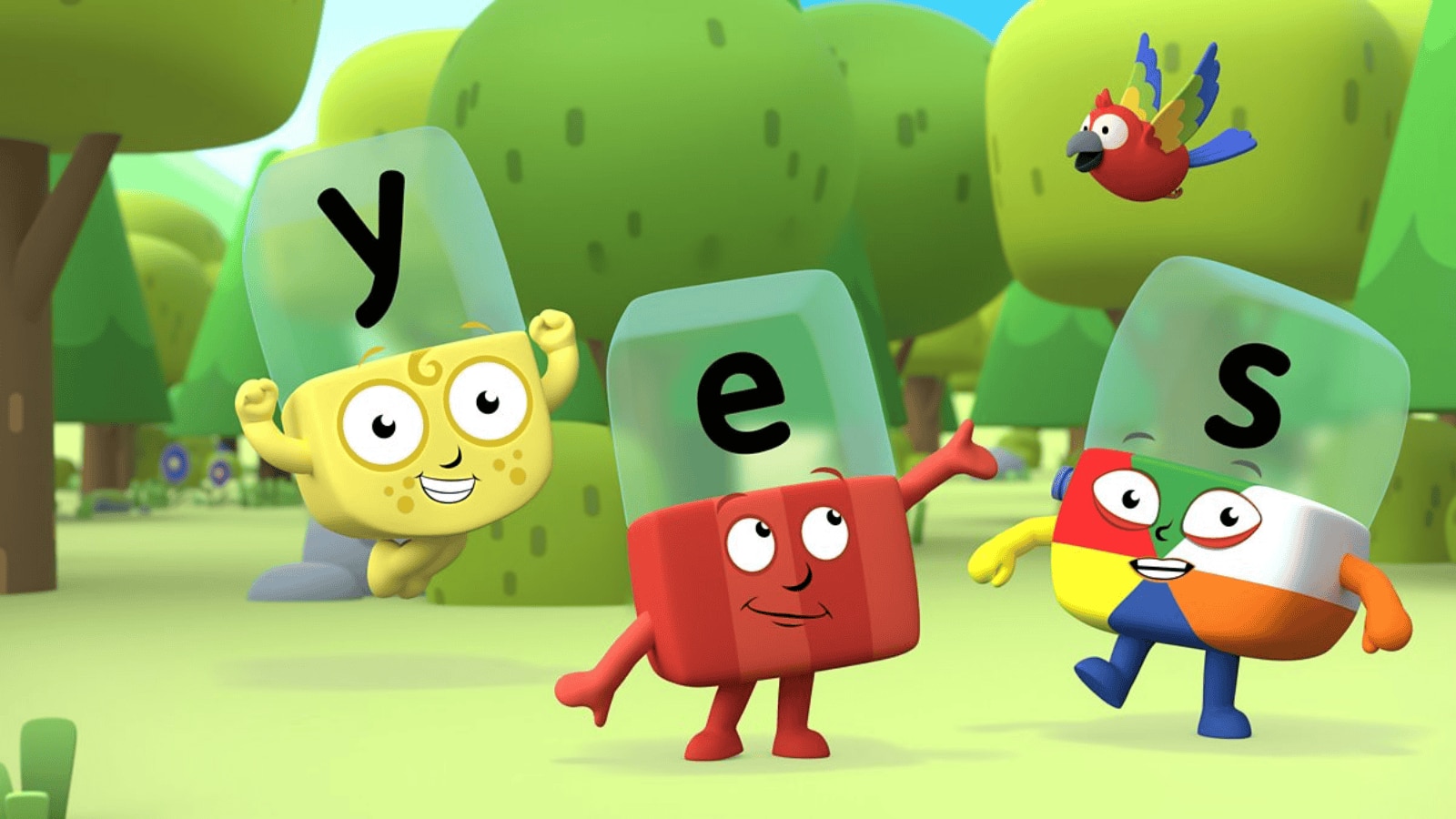
Meet the Alphablocks — 26 living letters who discover that when they hold hands to make a word, something magical happens. Celebrated for its innovative approach to teaching reading, Alphablocks makes learning joyful, active, and engaging for early learners. This free collection of Alphablocks worksheets brings that magic to life at home or in the classroom, with Alphablocks letter cards kids can use to build words, alphabet finger puppets, and playful worksheets that teach letter sounds.
Watch full episodes of the award-winning show for kids ages 3–6 on the official Alphablocks YouTube channel!
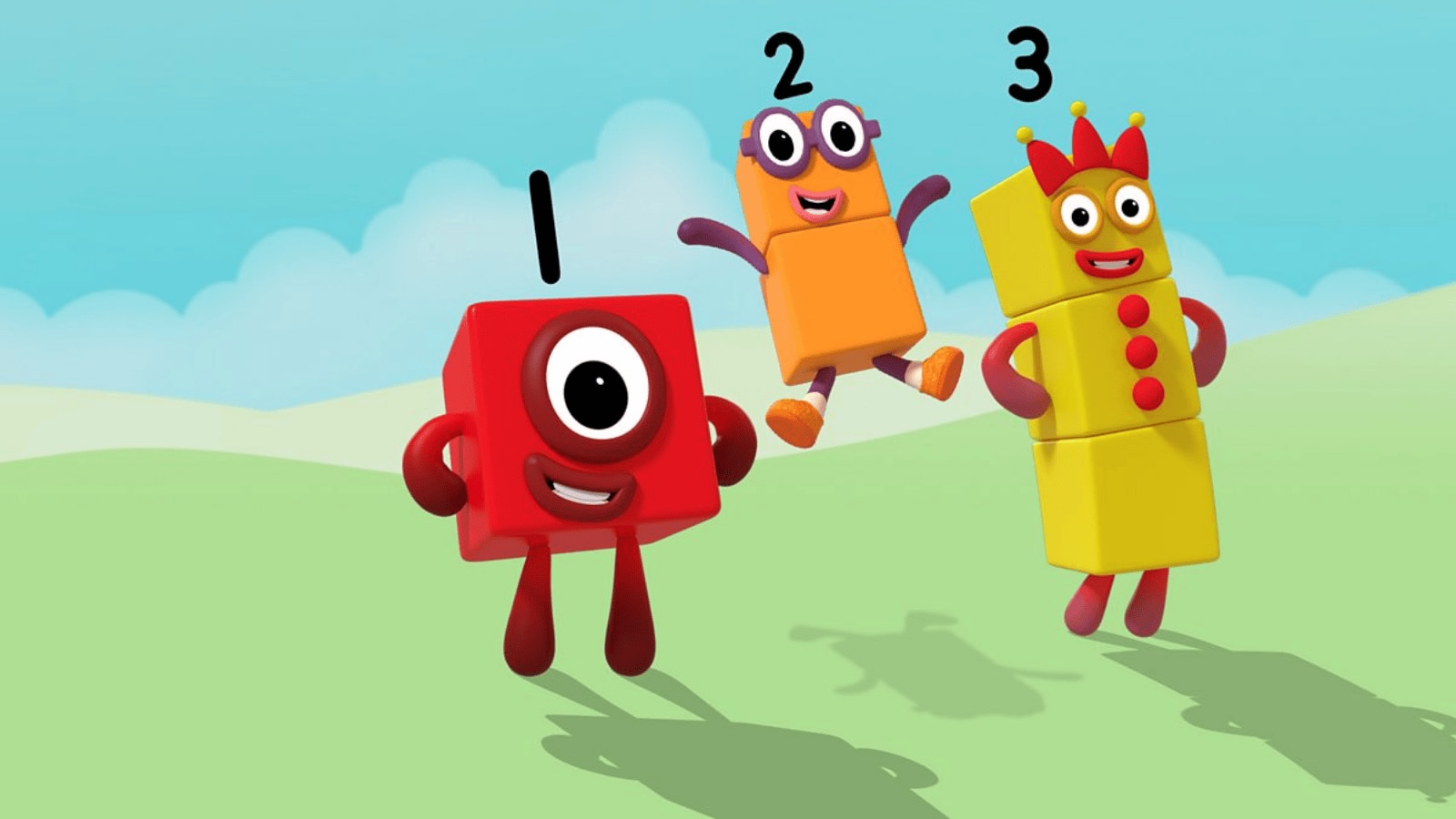
Meet the Numberblocks — little blocks with big ideas who make learning numbers fun and exciting for young children ages 3–7. Numberblocks helps kids build number sense as the characters come together, break apart, and explore how numbers really work. This free collection of printable games and colorful worksheets games give little learners hands-on practice with counting, odd and even numbers, and simple addition and subtraction. Perfect for use at home or in the classroom, these ready-to-use activities turn math practice into joyful play.
Plus, watch full episodes on the official Numberblocks YouTube channel!

Knock, knock! Tell Bluey and Bingo all about where you live. Who do you live with? What is your house number? What does your front door look like? Where can you usually be found (the living room, kitchen, bedroom, bathroom, or dining room?). Draw what you can see out your bedroom window!

Grab your favorite pens, pencils, crayons, or markers and add some color to Bluey and Bingo's house. What's happenin' at home today? The Heeler house is a two-story Queenslander home located at the end of a cul-de-sac in a Brisbane neighborhood. It features a front yard, a back yard with a large poinciana tree, and a view of downtown Brisbane.
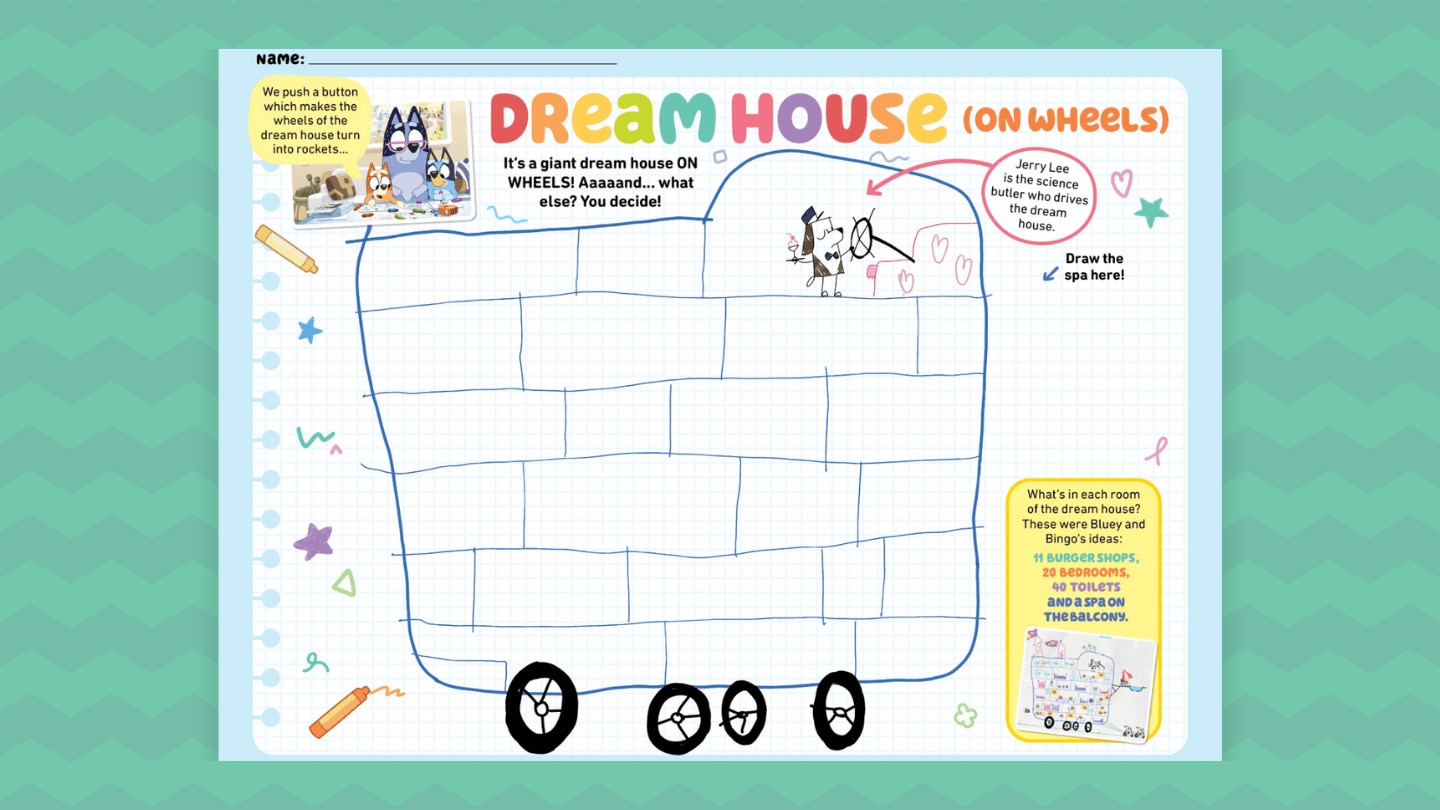
It’s a giant dream house ON WHEELS! Aaaaand... what else? You decide! What’s in each room of the dream house? These were Bluey and Bingo’s ideas: 11 burger shops, 20 bedrooms, 40 toilets, and a spa on the balcony.
Inspired by Season 2 Episode 21 "Escape": The kids are going to Nana’s so Mum and Dad can get alone time. They plan a blissful day, but Bluey and Bingo think of imaginative ways to ruin it — Mum and Dad will have to escape!
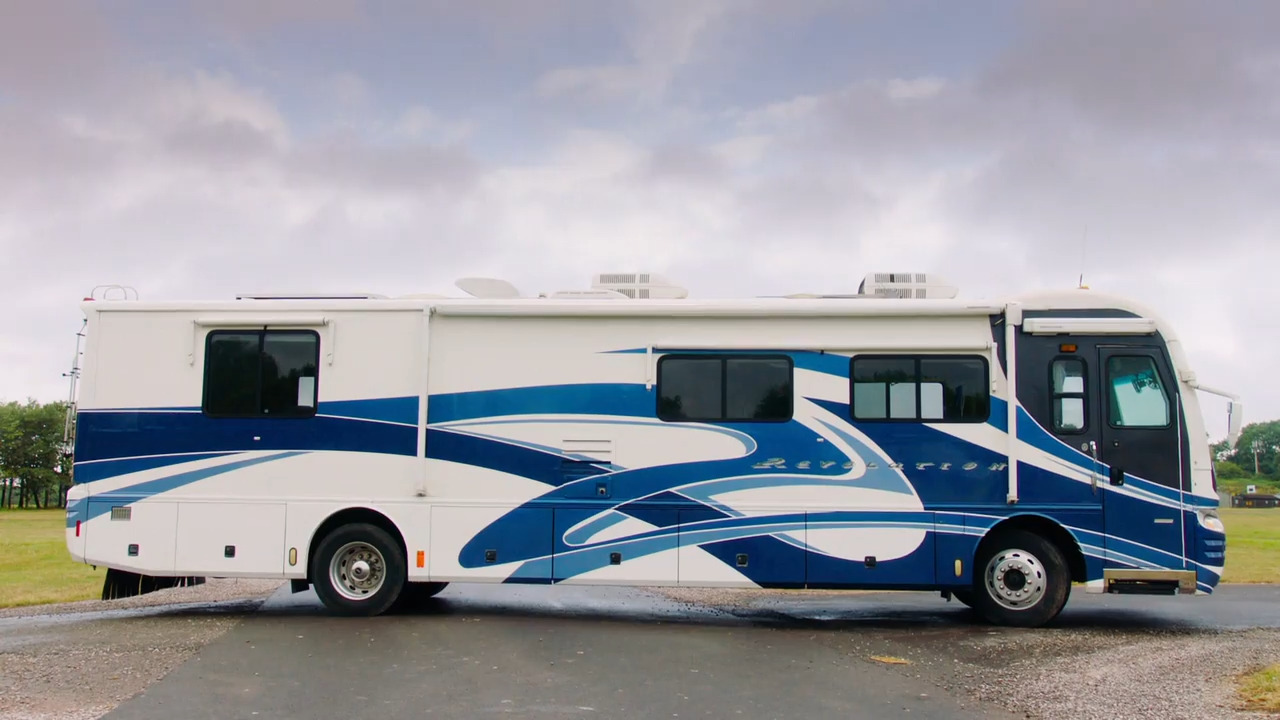
In Hitting the Road in a Motor Home, presenter and motorbike racer Grace Webb explores the inside of a motor home and tries her hand at driving one. Can she drive smoothly enough to keep objects from tipping over? This video is excerpted from BBC’s Grace’s Amazing Machines, a children’s show that introduces kids to some of the biggest, fastest, and most amazing machines in the world.
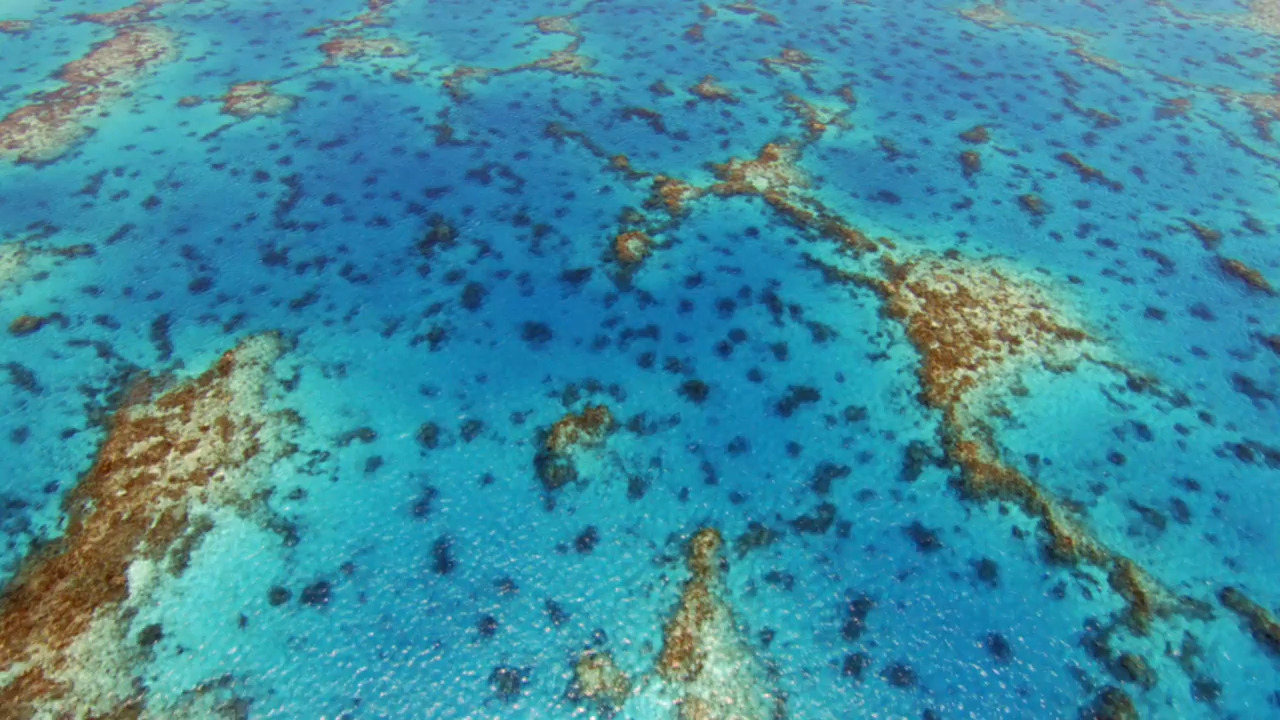
In The Home of the Dugong, narrator Sir David Attenborough explains that survival is not easy for animals that live outside the coral reef. Witness their defense mechanisms, and get to know the huge and gentle dugong. This video is excerpted from BBC's Planet Earth, a breathtaking documentary series that highlights the natural wonders of our planet.
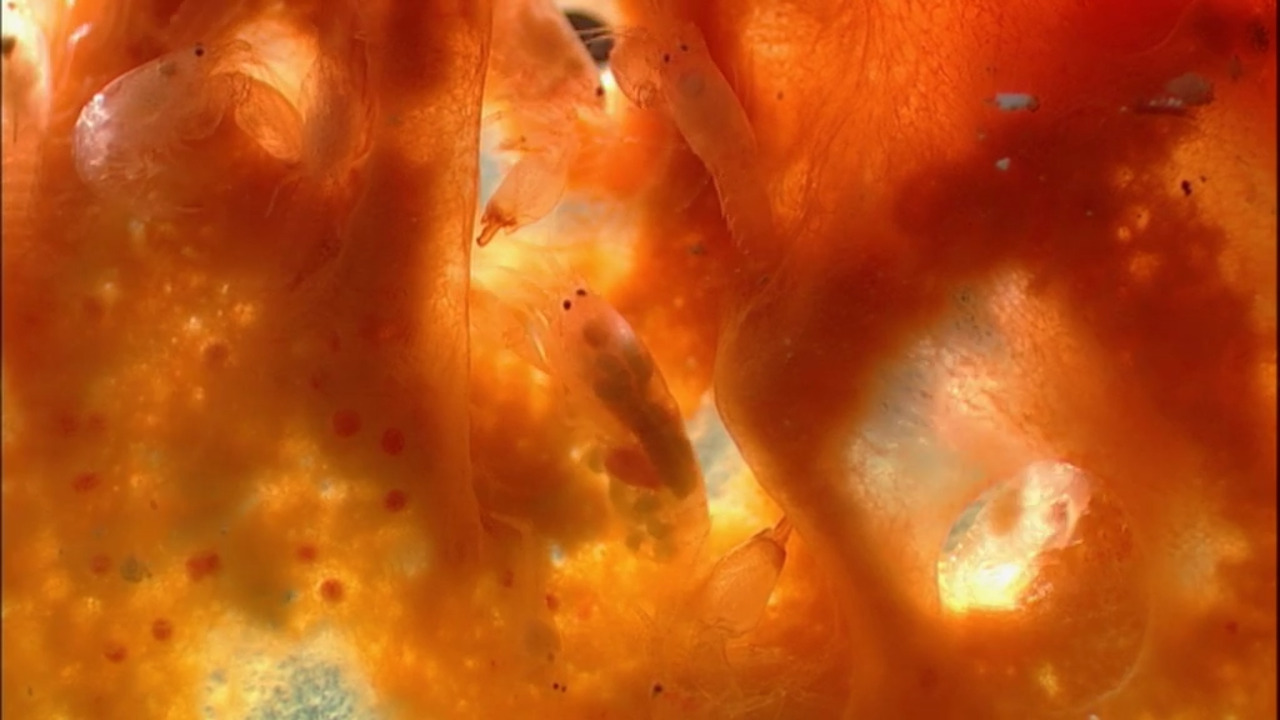
In Sponges on the Reef Are a Home Worth Defending, narrator Sir David Attenborough explains how shrimp inhabit sponges and how they help the sponge and the sponge helps them. Learn about a shrimp colony. This video is excerpted from BBC’s Blue Planet, a definitive documentary series diving into the mysterious depths of the sea to discover the natural history of the world’s oceans and the rarely seen marine life that reside there.

The article "Who Really Built the White House? The Hidden Story Behind America’s Presidential Home" from BBC's HistoryExtra explores the creation of the White House, from George Washington’s vision to James Hoban’s design. It highlights how enslaved people and immigrant craftsmen built the home, revealing the untold history behind one of America’s most iconic buildings.

The article "9 Stargazing Tips to Enjoy the Night Sky From Home" from BBC's Science Focus offers advice for stargazing without a telescope. It includes tips on dressing warmly, preparing your site, adjusting your eyes, spotting stars, planets, and meteors, and using apps to enhance your experience.
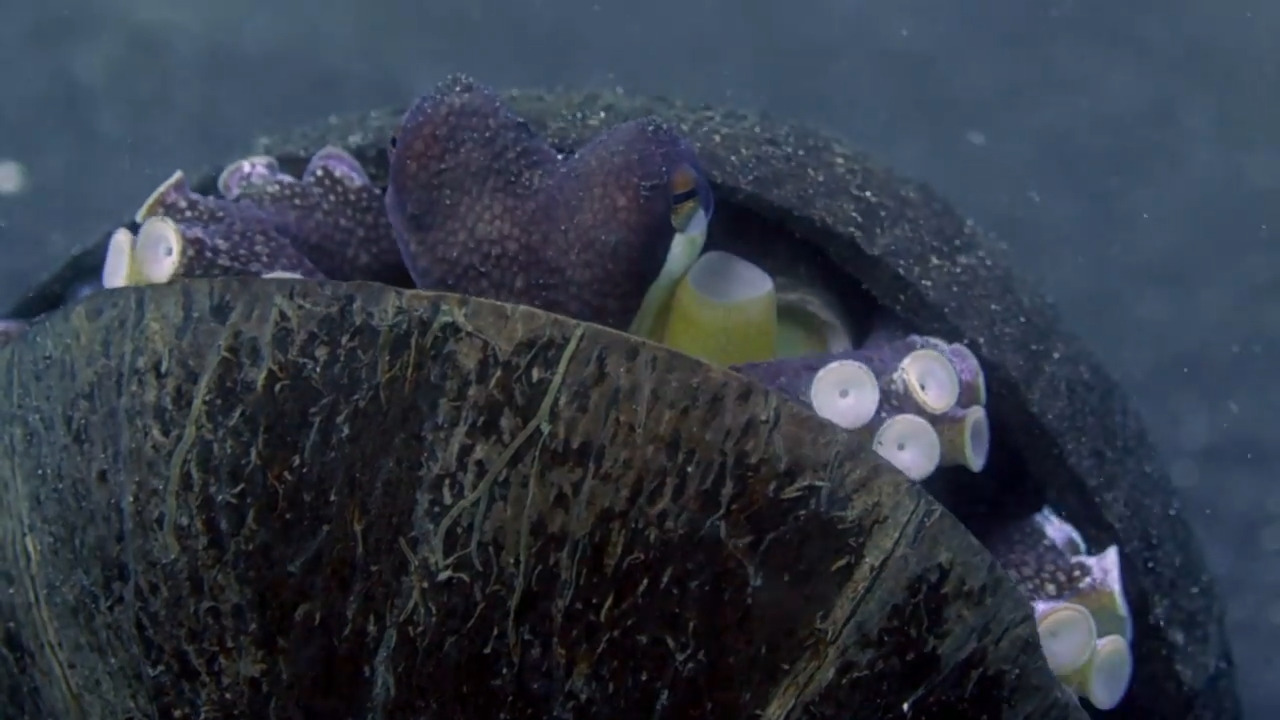
In The Octopus That Invented a Mobile Home, a veined octopus in Indonesia amazes researchers with its clever survival skills. Living on sandy ocean flats, it carries coconut shells to create a portable shelter. By using these shells to hide and ambush prey, the octopus becomes one of the rare animals — less than 1% — to demonstrate tool use and thinking ahead. This video is excerpted from BBC’s Natural World: The Octopus in My House, a remarkable series about a professor and the extraordinary relationship he develops with an octopus when he invites it to live in his home.
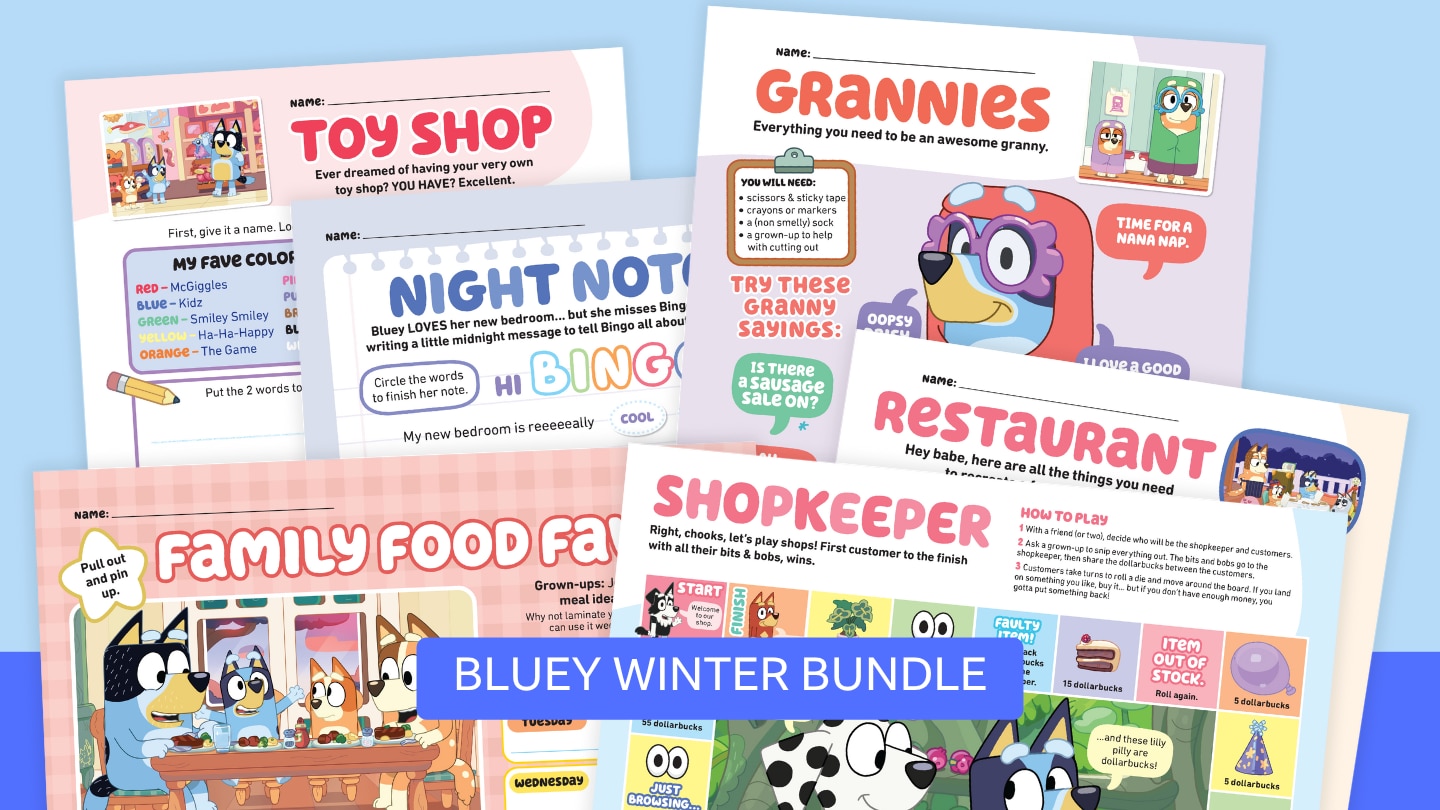
For the winter season, we've pulled together some of our favorite Bluey printables just for you and yours! And we've got you covered all the way through the winter holidays. We picked out some great shopping- and dining-themed activities to kick off the season plus Santa letters for later on. Here's some of what's included:
- Shopkeeper: First customer to the finish with all their bits 'n' bobs is the winner!
- Restaurant: Everything you need to recreate a fancy meal out!
- My Christmas: Tell Bluey and Bingo how your family celebrates
Want more? We have tons on the site. Just search "Bluey"!
Meet the Alphablocks — 26 living letters who discover that when they hold hands to make a word, something magical happens. Celebrated for its innovative approach to teaching reading, Alphablocks makes learning joyful, active, and engaging for early learners. This free collection of Alphablocks worksheets brings that magic to life at home or in the classroom, with Alphablocks letter cards kids can use to build words, alphabet finger puppets, and playful worksheets that teach letter sounds.
Watch full episodes of the award-winning show for kids ages 3–6 on the official Alphablocks YouTube channel!
Meet the Numberblocks — little blocks with big ideas who make learning numbers fun and exciting for young children ages 3–7. Numberblocks helps kids build number sense as the characters come together, break apart, and explore how numbers really work. This free collection of printable games and colorful worksheets games give little learners hands-on practice with counting, odd and even numbers, and simple addition and subtraction. Perfect for use at home or in the classroom, these ready-to-use activities turn math practice into joyful play.
Plus, watch full episodes on the official Numberblocks YouTube channel!
Knock, knock! Tell Bluey and Bingo all about where you live. Who do you live with? What is your house number? What does your front door look like? Where can you usually be found (the living room, kitchen, bedroom, bathroom, or dining room?). Draw what you can see out your bedroom window!
Grab your favorite pens, pencils, crayons, or markers and add some color to Bluey and Bingo's house. What's happenin' at home today? The Heeler house is a two-story Queenslander home located at the end of a cul-de-sac in a Brisbane neighborhood. It features a front yard, a back yard with a large poinciana tree, and a view of downtown Brisbane.
It’s a giant dream house ON WHEELS! Aaaaand... what else? You decide! What’s in each room of the dream house? These were Bluey and Bingo’s ideas: 11 burger shops, 20 bedrooms, 40 toilets, and a spa on the balcony.
Inspired by Season 2 Episode 21 "Escape": The kids are going to Nana’s so Mum and Dad can get alone time. They plan a blissful day, but Bluey and Bingo think of imaginative ways to ruin it — Mum and Dad will have to escape!
In Hitting the Road in a Motor Home, presenter and motorbike racer Grace Webb explores the inside of a motor home and tries her hand at driving one. Can she drive smoothly enough to keep objects from tipping over? This video is excerpted from BBC’s Grace’s Amazing Machines, a children’s show that introduces kids to some of the biggest, fastest, and most amazing machines in the world.
In The Home of the Dugong, narrator Sir David Attenborough explains that survival is not easy for animals that live outside the coral reef. Witness their defense mechanisms, and get to know the huge and gentle dugong. This video is excerpted from BBC's Planet Earth, a breathtaking documentary series that highlights the natural wonders of our planet.
In Sponges on the Reef Are a Home Worth Defending, narrator Sir David Attenborough explains how shrimp inhabit sponges and how they help the sponge and the sponge helps them. Learn about a shrimp colony. This video is excerpted from BBC’s Blue Planet, a definitive documentary series diving into the mysterious depths of the sea to discover the natural history of the world’s oceans and the rarely seen marine life that reside there.
The article "Who Really Built the White House? The Hidden Story Behind America’s Presidential Home" from BBC's HistoryExtra explores the creation of the White House, from George Washington’s vision to James Hoban’s design. It highlights how enslaved people and immigrant craftsmen built the home, revealing the untold history behind one of America’s most iconic buildings.
The article "9 Stargazing Tips to Enjoy the Night Sky From Home" from BBC's Science Focus offers advice for stargazing without a telescope. It includes tips on dressing warmly, preparing your site, adjusting your eyes, spotting stars, planets, and meteors, and using apps to enhance your experience.
In The Octopus That Invented a Mobile Home, a veined octopus in Indonesia amazes researchers with its clever survival skills. Living on sandy ocean flats, it carries coconut shells to create a portable shelter. By using these shells to hide and ambush prey, the octopus becomes one of the rare animals — less than 1% — to demonstrate tool use and thinking ahead. This video is excerpted from BBC’s Natural World: The Octopus in My House, a remarkable series about a professor and the extraordinary relationship he develops with an octopus when he invites it to live in his home.
For the winter season, we've pulled together some of our favorite Bluey printables just for you and yours! And we've got you covered all the way through the winter holidays. We picked out some great shopping- and dining-themed activities to kick off the season plus Santa letters for later on. Here's some of what's included:
- Shopkeeper: First customer to the finish with all their bits 'n' bobs is the winner!
- Restaurant: Everything you need to recreate a fancy meal out!
- My Christmas: Tell Bluey and Bingo how your family celebrates
Want more? We have tons on the site. Just search "Bluey"!