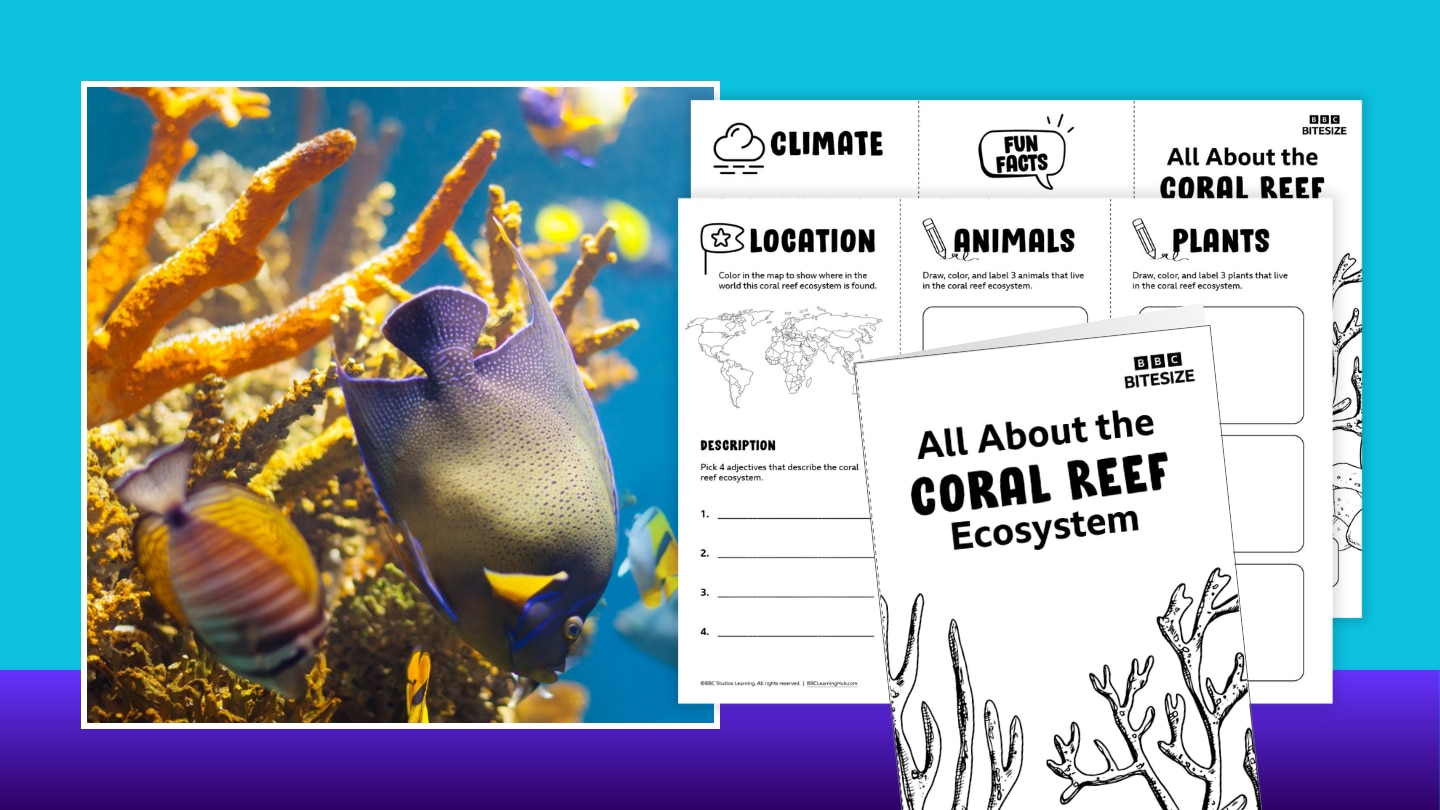
Bring your students on an underwater adventure into the coral reef ecosystem! Whether you're exploring the vast beauty of the Great Barrier Reef in Australia or diving into the rich, biodiverse waters of Indonesia, coral reefs are some of the most vibrant and important ecosystems on Earth.
✨ Perfect for grades 3–8, here’s what you need to bring ecosystems to life:
- Iconic BBC Videos: Share the clips on this page to introduce the location, plants, animals, and climate of the coral reefs. (Don't miss the tusk fish and octopuses!) Brought to you by world-class BBC programs like Planet Earth, Blue Planet, Animal Babies, and Life.
- Free Printable: Use the Coral Reef Brochure Template to help students pull it all together in an ecosystem report with facts they’ve learned (and a little extra research).
It’s everything you need to make ecosystems easy to teach and truly memorable for your students.
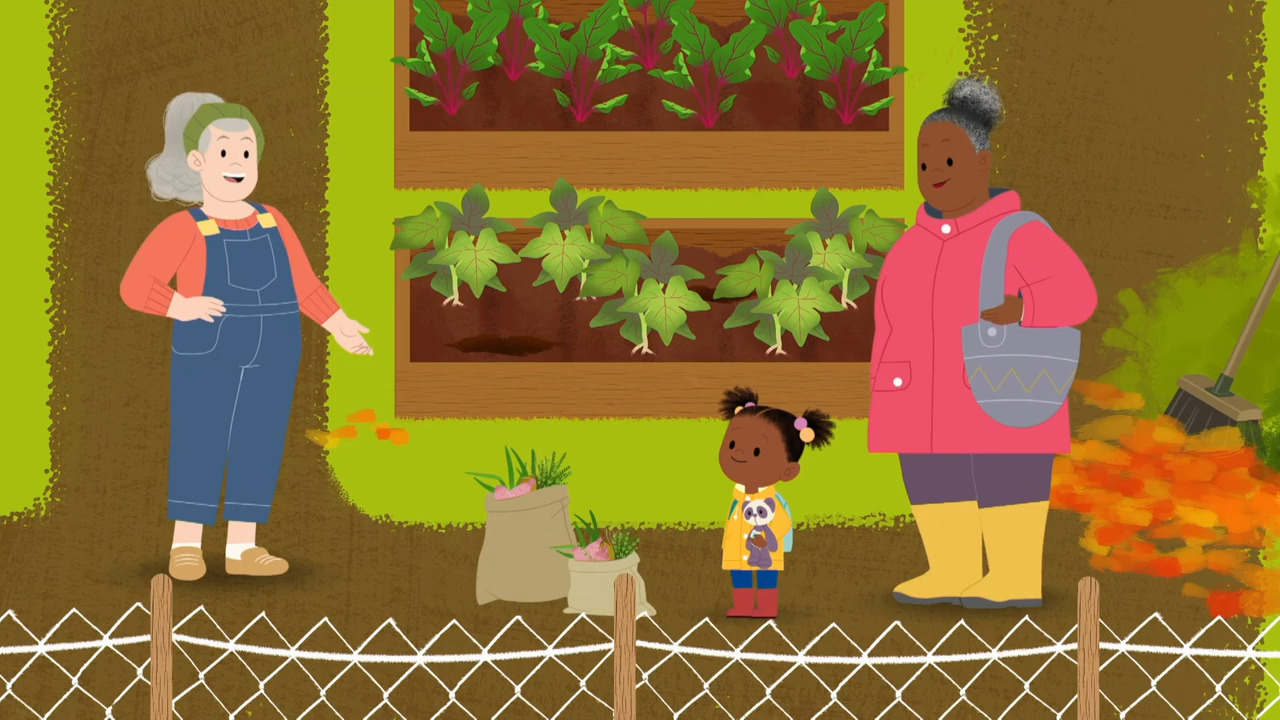
In JoJo and Gran Gran Visit the Community Garden, JoJo and her grandmother head to the local allotment, or community garden, to harvest some vegetables. Real-life children visit a community garden to see the vegetables that grow there. This video is excerpted from BBC’s JoJo & Gran Gran, a children's animated television series following JoJo, an inquisitive and cheerful 4-and-a-half-year-old girl and her loving Gran Gran, who always has something new to teach her.

The article "Creating a Butterfly-Friendly Garden: Essential Caterpillar Food Plants" from BBC's Discover Wildlife explains how growing specific plants in your garden can help support butterfly populations. By planting food plants like nettles for peacock and small tortoiseshell butterflies, and cuckoo flower for orange-tips, you can encourage caterpillars to thrive and ensure butterflies have a safe space to lay eggs and feed.
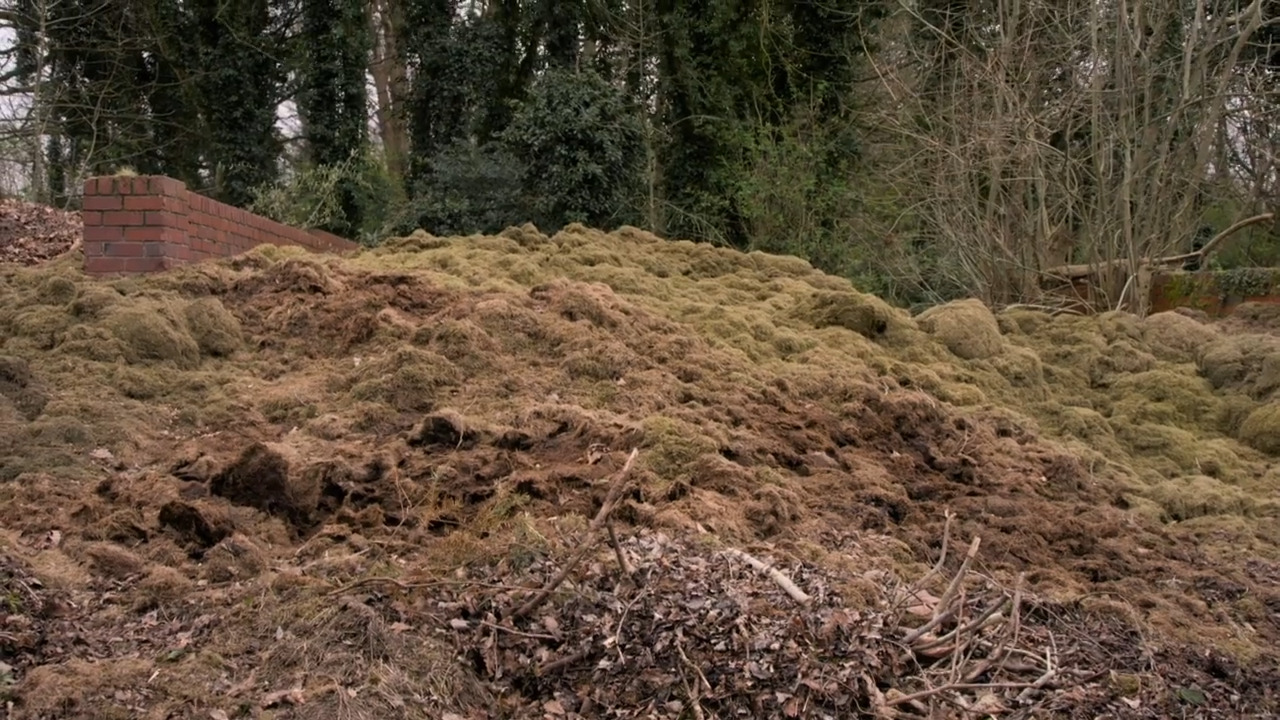
In Building Community Gardens, Ranger Hamza and the Ramblers visit an allotment or a community garden. They learn how gardens are spaces to grow food and to engage with nature. Then they come across a compost pile and investigate why worms and robins are also at the compost pile. This video is excerpted from BBC's Ranger Hamza’s Eco Quest, a nature exploration show in which Ranger Hamza and the Ramblers go on quests to discover nature’s wonders and the important role they play in our environment.
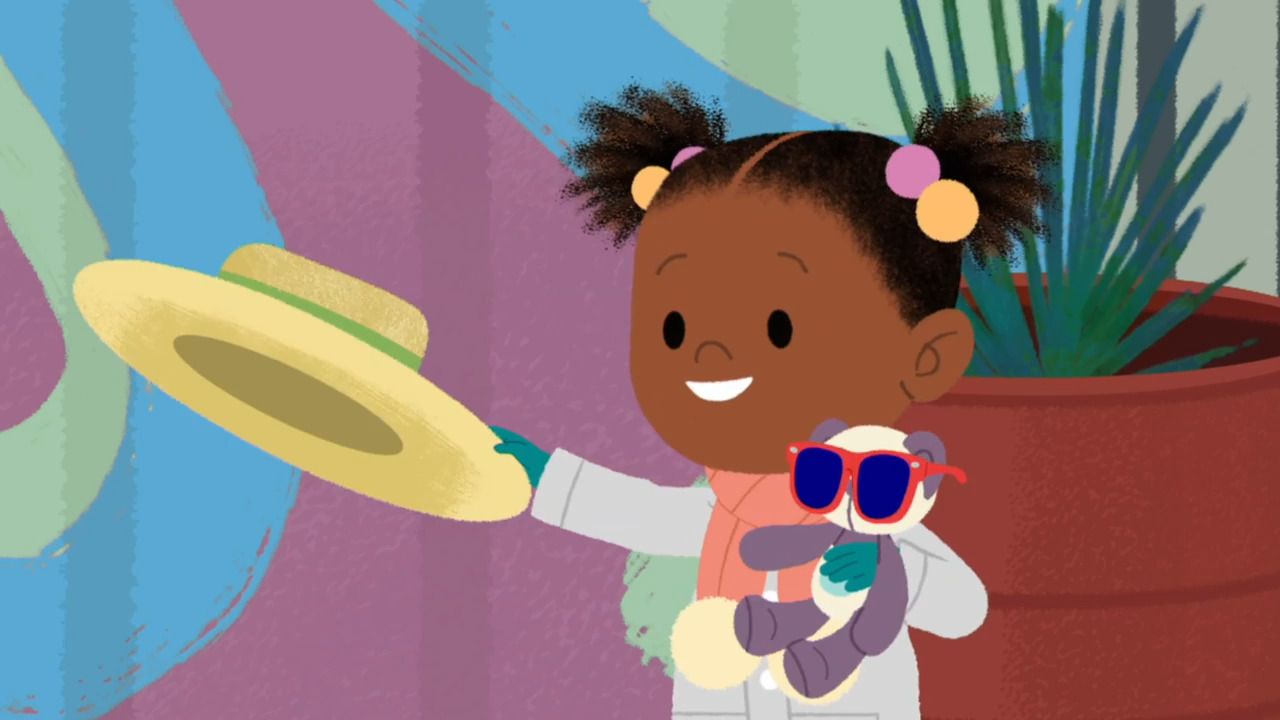
In JoJo and Gran Gran Build a Scarecrow, JoJo and her friends are working in the community garden. When pigeons come to eat the vegetables, they build a scarecrow to scare the birds away. Two real-life children make a bird feeder from an apple and seeds. This video is excerpted from BBC’s JoJo & Gran Gran, a children's animated television series following JoJo, an inquisitive and cheerful 4-and-a-half-year-old girl and her loving Gran Gran, who always has something new to teach her.
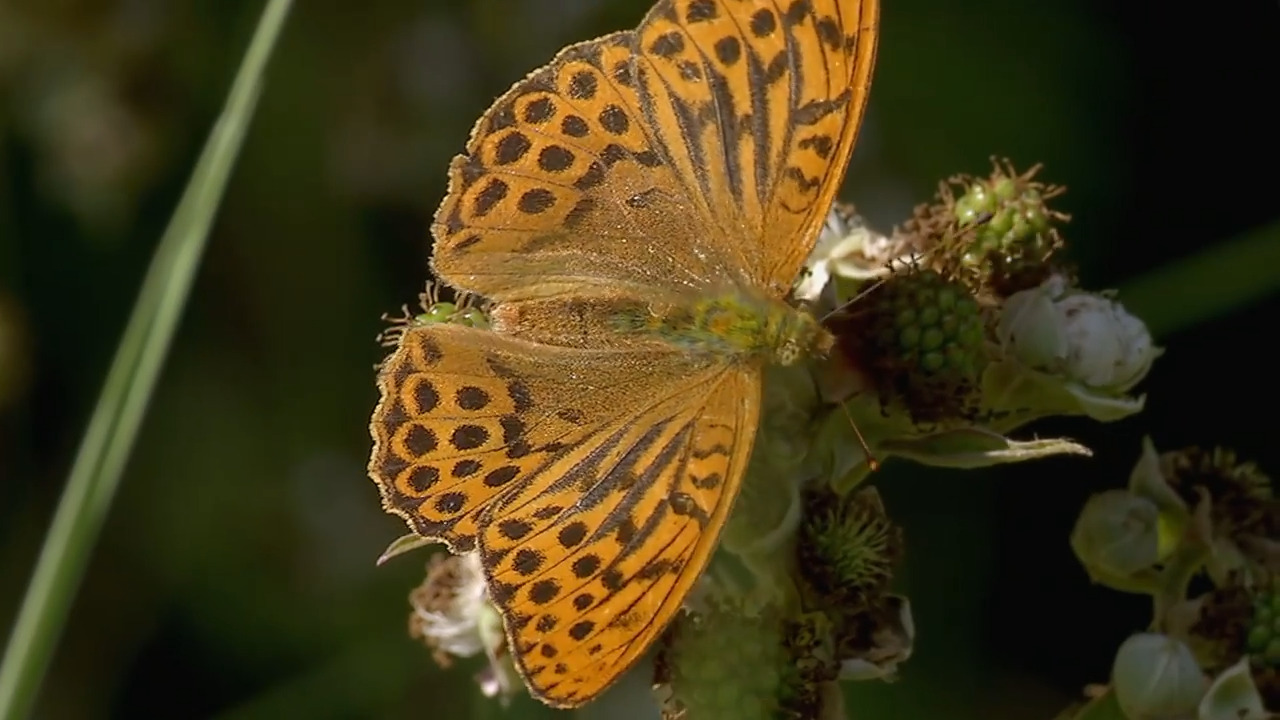
In Butterfly Tales, learn how butterflies bring joy and beauty to the world as they flutter into gardens and woods each spring. Dr. Bullman, a butterfly expert, shows how tracking butterflies helps scientists understand if the environment is healthy or not. She explains how to tell butterflies and moths apart — like how butterflies rest with their wings up, while moths rest with their wings flat. This video is excerpted from BBC’s Countryfile, which explores rural life and traditions of the countryside.
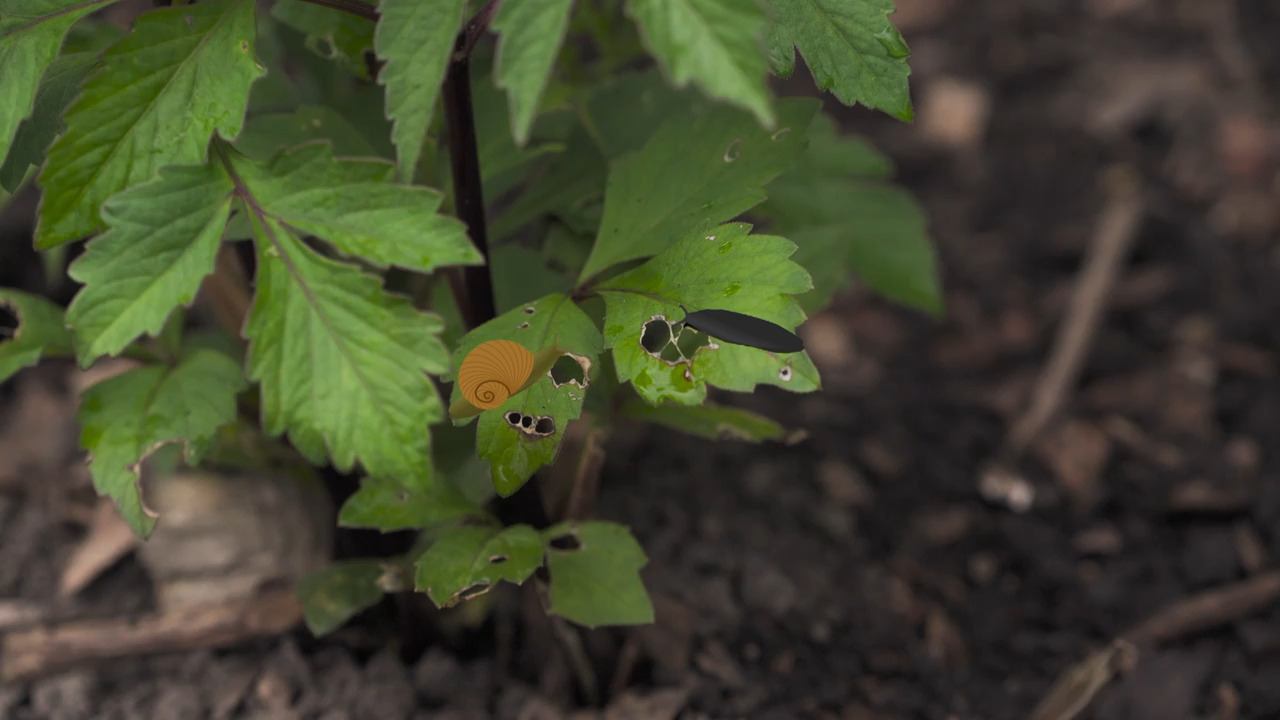
In Ducks, Nature’s Pest Control, Ranger Hamza and the Ramblers explore a garden. They notice that some plants have holes in the leaves! That means there are pests in the garden. Which animal might be able to keep the garden healthy? This video is excerpted from BBC's Ranger Hamza’s Eco Quest, a nature exploration show in which Ranger Hamza and the Ramblers go on quests to discover nature’s wonders and the important role they play in our environment.
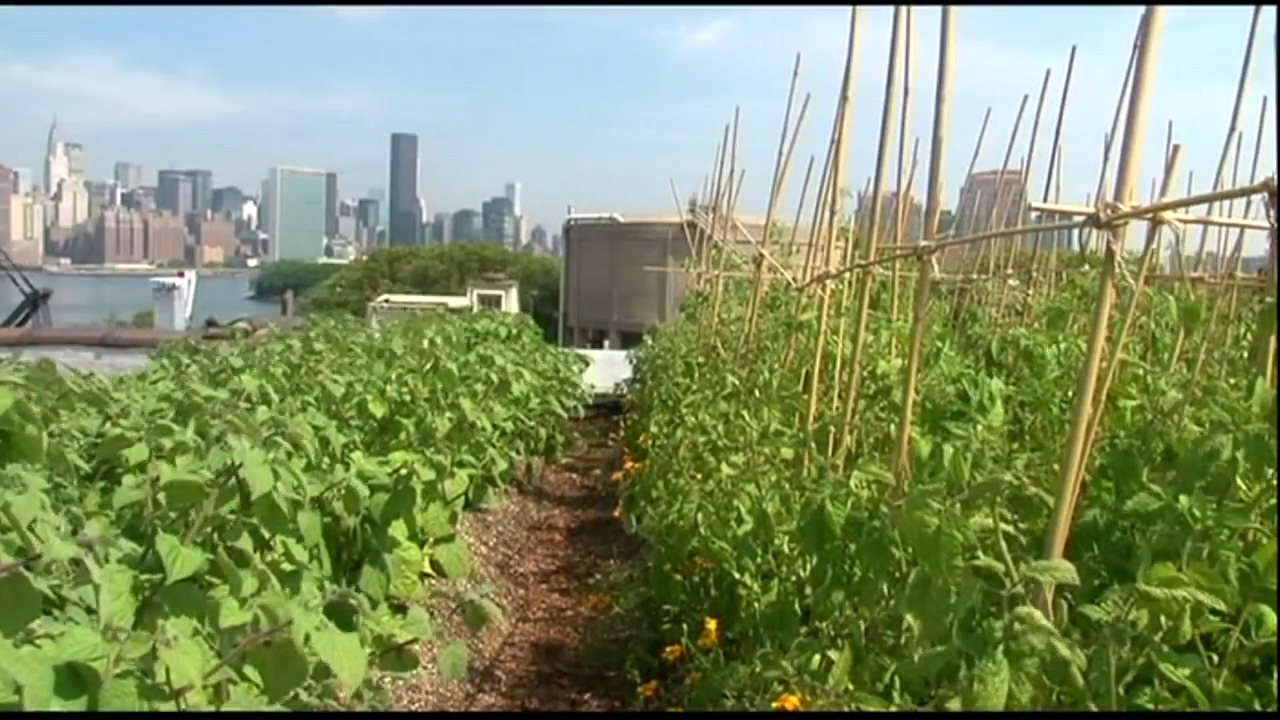
Way above the noise and traffic of New York City, rooftops are being transformed into something unexpected— farms in the sky. What used to be empty, unused space is now filled with soil, vegetables, herbs, and community gardens, all with a sweeping view of the skyline.
Some of these rooftop farms use over 200,000 pounds of soil and grow around 30 different crops, turning concrete rooftops into living green spaces. Fresh food is being grown right in the heart of the city — so local it can go from roof to table in the same neighborhood.
But these gardens aren’t just about food. They help the city work better in quiet but powerful ways. They soak up rainwater to reduce flooding and ease pressure on sewer systems during storms. They also help cool buildings in the summer, which can lower energy use and costs.
And beyond the science, rooftop gardens have another impact: they’re peaceful, beautiful places that bring nature into one of the busiest cities in the world — showing that even in a concrete jungle, something green can still grow.
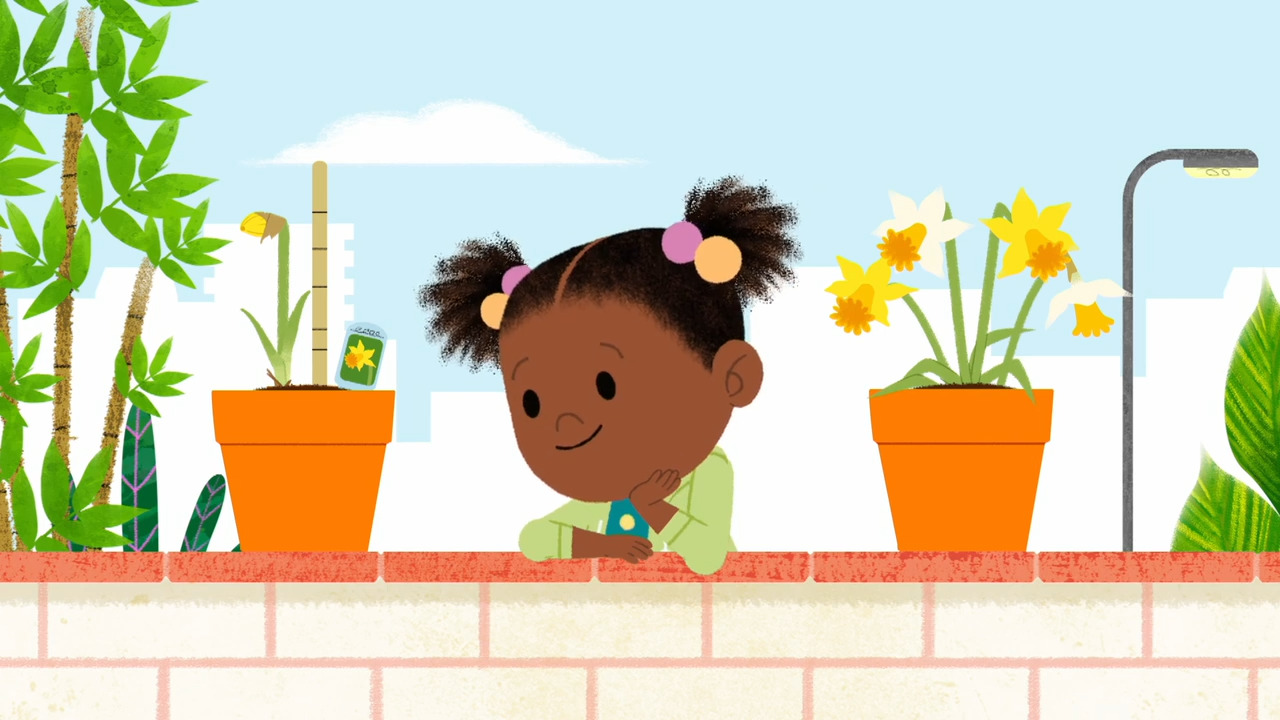
In JoJo and Gran Gran Grow Flowers, Jared gives JoJo a daffodil plant to grow. When they get home, JoJo gives the plant what it needs to grow and then gets impatient when it’s not growing fast enough. Real-life friends plant seeds in pots. This video is excerpted from BBC’s JoJo & Gran Gran, a children's animated television series following JoJo, an inquisitive and cheerful 4-and-a-half-year-old girl and her loving Gran Gran, who always has something new to teach her.
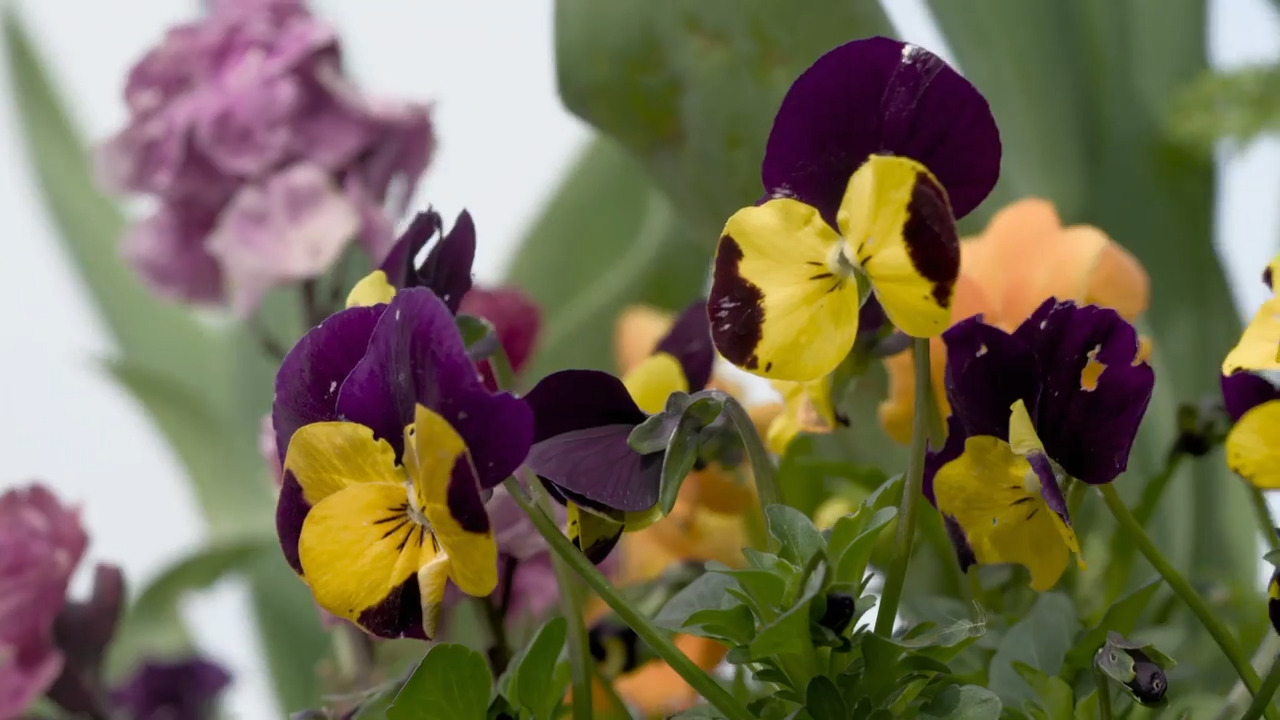
In Just Right! How Plants Grow, Ranger Hamza and the Ramblers are at the park. They get a close-up look at flowers and learn what plants need in order to grow. This video is excerpted from BBC's Ranger Hamza’s Eco Quest, a nature exploration show in which Ranger Hamza and the Ramblers go on quests to discover nature’s wonders and the important role they play in our environment.
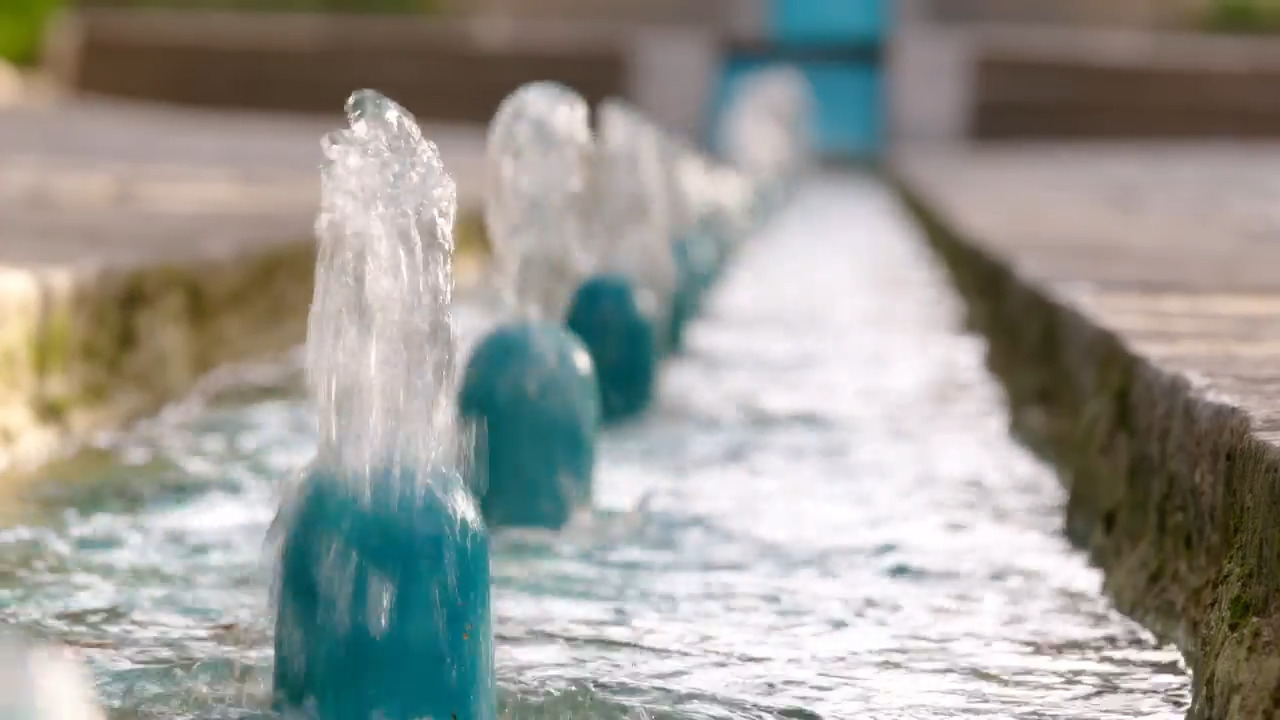
In The Fin Garden of Kashan, host Joanna Lumley visits a garden that was built in 1590 by channeling an ancient spring to bring flowing water to the desert. The water in this garden flows even during times of drought. The technology used to bring water to the surface has since been used in many other parts of the world. This video is excerpted from BBC’s Joanna Lumley’s Silk Road Adventure, a documentary series uncovering the rich history and cultural treasures of the Silk Road.
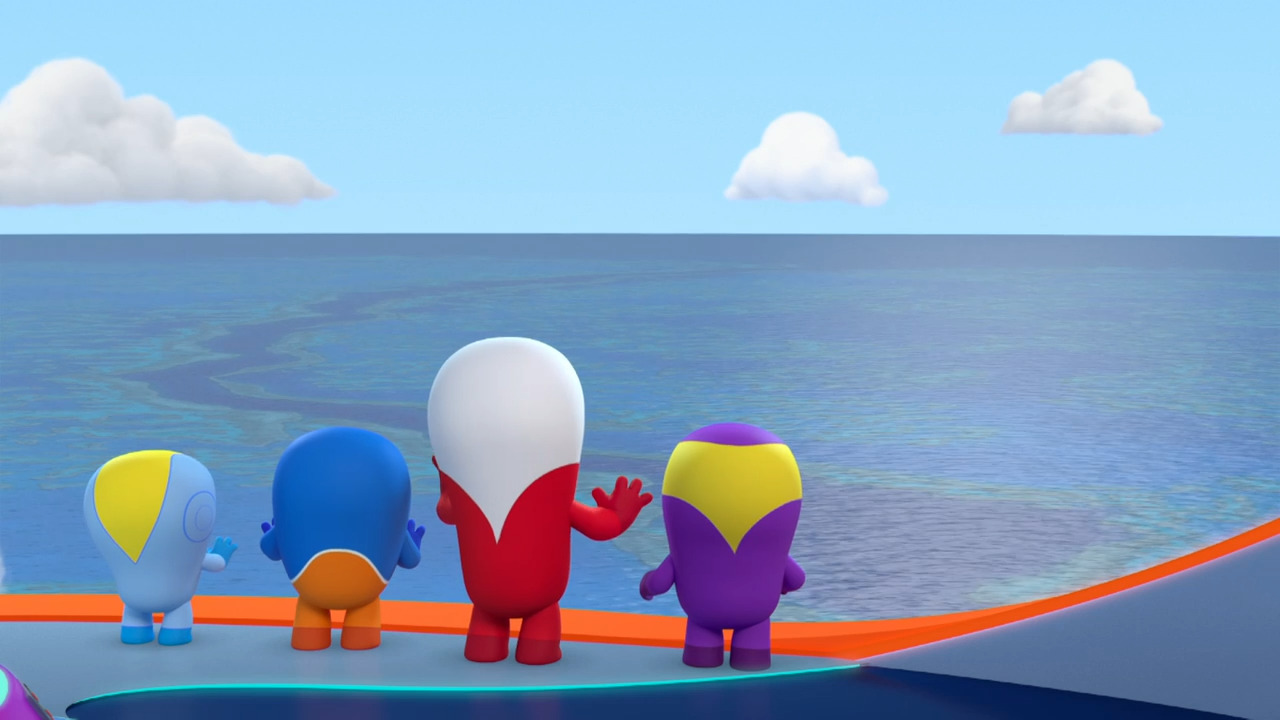
In The Go Jetters Explore the Great Barrier Reef, the Go Jetters crew visits the Great Barrier Reef in Australia. This amazing underwater garden is so big you can see it from space! The reef is full of colorful coral gardens made up of tiny creatures, and it is home to many fish and sea animals. People love to visit it because it’s a beautiful place to explore underwater! This video is excerpted from BBC’s Go Jetters, a series that follows the adventures of four plucky international heroes as they travel the globe visiting the world’s most famous landmarks with their friend and mentor, Ubercorn, a disco-dancing unicorn.
Bring your students on an underwater adventure into the coral reef ecosystem! Whether you're exploring the vast beauty of the Great Barrier Reef in Australia or diving into the rich, biodiverse waters of Indonesia, coral reefs are some of the most vibrant and important ecosystems on Earth.
✨ Perfect for grades 3–8, here’s what you need to bring ecosystems to life:
- Iconic BBC Videos: Share the clips on this page to introduce the location, plants, animals, and climate of the coral reefs. (Don't miss the tusk fish and octopuses!) Brought to you by world-class BBC programs like Planet Earth, Blue Planet, Animal Babies, and Life.
- Free Printable: Use the Coral Reef Brochure Template to help students pull it all together in an ecosystem report with facts they’ve learned (and a little extra research).
It’s everything you need to make ecosystems easy to teach and truly memorable for your students.
In JoJo and Gran Gran Visit the Community Garden, JoJo and her grandmother head to the local allotment, or community garden, to harvest some vegetables. Real-life children visit a community garden to see the vegetables that grow there. This video is excerpted from BBC’s JoJo & Gran Gran, a children's animated television series following JoJo, an inquisitive and cheerful 4-and-a-half-year-old girl and her loving Gran Gran, who always has something new to teach her.
The article "Creating a Butterfly-Friendly Garden: Essential Caterpillar Food Plants" from BBC's Discover Wildlife explains how growing specific plants in your garden can help support butterfly populations. By planting food plants like nettles for peacock and small tortoiseshell butterflies, and cuckoo flower for orange-tips, you can encourage caterpillars to thrive and ensure butterflies have a safe space to lay eggs and feed.
In Building Community Gardens, Ranger Hamza and the Ramblers visit an allotment or a community garden. They learn how gardens are spaces to grow food and to engage with nature. Then they come across a compost pile and investigate why worms and robins are also at the compost pile. This video is excerpted from BBC's Ranger Hamza’s Eco Quest, a nature exploration show in which Ranger Hamza and the Ramblers go on quests to discover nature’s wonders and the important role they play in our environment.
In JoJo and Gran Gran Build a Scarecrow, JoJo and her friends are working in the community garden. When pigeons come to eat the vegetables, they build a scarecrow to scare the birds away. Two real-life children make a bird feeder from an apple and seeds. This video is excerpted from BBC’s JoJo & Gran Gran, a children's animated television series following JoJo, an inquisitive and cheerful 4-and-a-half-year-old girl and her loving Gran Gran, who always has something new to teach her.
In Butterfly Tales, learn how butterflies bring joy and beauty to the world as they flutter into gardens and woods each spring. Dr. Bullman, a butterfly expert, shows how tracking butterflies helps scientists understand if the environment is healthy or not. She explains how to tell butterflies and moths apart — like how butterflies rest with their wings up, while moths rest with their wings flat. This video is excerpted from BBC’s Countryfile, which explores rural life and traditions of the countryside.
In Ducks, Nature’s Pest Control, Ranger Hamza and the Ramblers explore a garden. They notice that some plants have holes in the leaves! That means there are pests in the garden. Which animal might be able to keep the garden healthy? This video is excerpted from BBC's Ranger Hamza’s Eco Quest, a nature exploration show in which Ranger Hamza and the Ramblers go on quests to discover nature’s wonders and the important role they play in our environment.
Way above the noise and traffic of New York City, rooftops are being transformed into something unexpected— farms in the sky. What used to be empty, unused space is now filled with soil, vegetables, herbs, and community gardens, all with a sweeping view of the skyline.
Some of these rooftop farms use over 200,000 pounds of soil and grow around 30 different crops, turning concrete rooftops into living green spaces. Fresh food is being grown right in the heart of the city — so local it can go from roof to table in the same neighborhood.
But these gardens aren’t just about food. They help the city work better in quiet but powerful ways. They soak up rainwater to reduce flooding and ease pressure on sewer systems during storms. They also help cool buildings in the summer, which can lower energy use and costs.
And beyond the science, rooftop gardens have another impact: they’re peaceful, beautiful places that bring nature into one of the busiest cities in the world — showing that even in a concrete jungle, something green can still grow.
In JoJo and Gran Gran Grow Flowers, Jared gives JoJo a daffodil plant to grow. When they get home, JoJo gives the plant what it needs to grow and then gets impatient when it’s not growing fast enough. Real-life friends plant seeds in pots. This video is excerpted from BBC’s JoJo & Gran Gran, a children's animated television series following JoJo, an inquisitive and cheerful 4-and-a-half-year-old girl and her loving Gran Gran, who always has something new to teach her.
In Just Right! How Plants Grow, Ranger Hamza and the Ramblers are at the park. They get a close-up look at flowers and learn what plants need in order to grow. This video is excerpted from BBC's Ranger Hamza’s Eco Quest, a nature exploration show in which Ranger Hamza and the Ramblers go on quests to discover nature’s wonders and the important role they play in our environment.
In The Fin Garden of Kashan, host Joanna Lumley visits a garden that was built in 1590 by channeling an ancient spring to bring flowing water to the desert. The water in this garden flows even during times of drought. The technology used to bring water to the surface has since been used in many other parts of the world. This video is excerpted from BBC’s Joanna Lumley’s Silk Road Adventure, a documentary series uncovering the rich history and cultural treasures of the Silk Road.
In The Go Jetters Explore the Great Barrier Reef, the Go Jetters crew visits the Great Barrier Reef in Australia. This amazing underwater garden is so big you can see it from space! The reef is full of colorful coral gardens made up of tiny creatures, and it is home to many fish and sea animals. People love to visit it because it’s a beautiful place to explore underwater! This video is excerpted from BBC’s Go Jetters, a series that follows the adventures of four plucky international heroes as they travel the globe visiting the world’s most famous landmarks with their friend and mentor, Ubercorn, a disco-dancing unicorn.