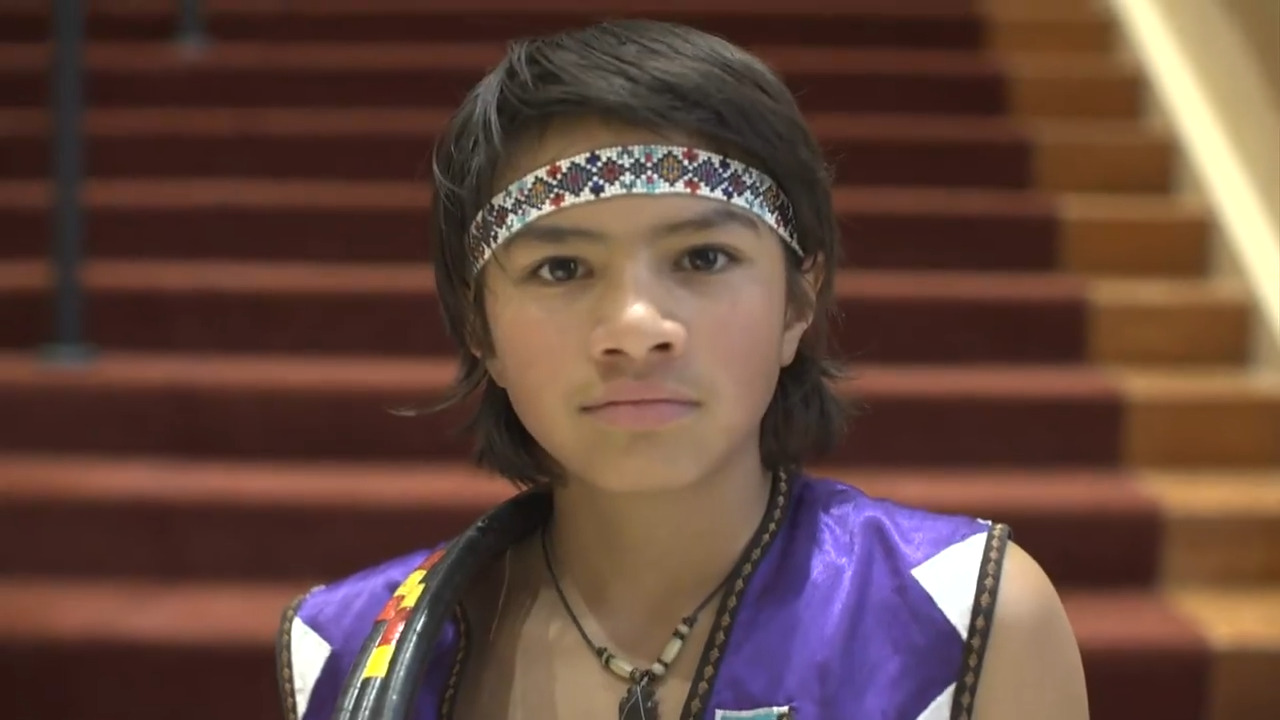
Young people learn the hoop dance, a traditional Native American dance that has been passed down for generations. The dance expresses themes of environmentalism and connects young people to their Native American heritage. This video is excerpted from BBC News.
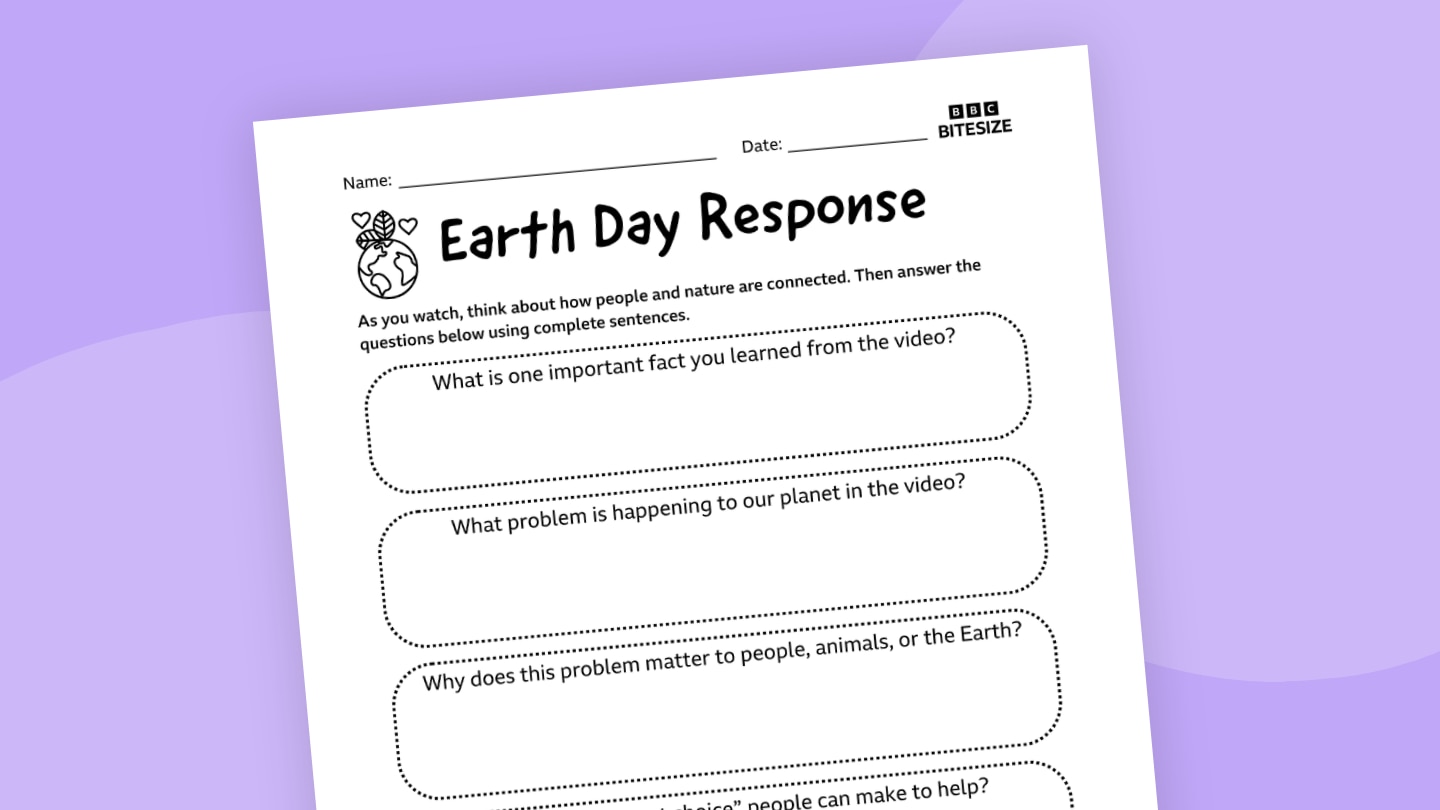
Earth Day is April 20, and we’re celebrating all month long with engaging activities — like our Earth Day video response worksheet! Start by choosing one of the incredible BBC videos from our Earth Day Collection, featuring topics like protecting our planet, innovative ideas for a better future, and inspiring conservation stories.
After watching, have your Grade 3–8 students complete the worksheet questions. You can also give students the option to choose their own video — either from the collection or another relevant clip in our extensive library — since the worksheet is designed to work with any selection.
It’s a simple, meaningful way to spark curiosity and help students connect with real-world environmental issues.
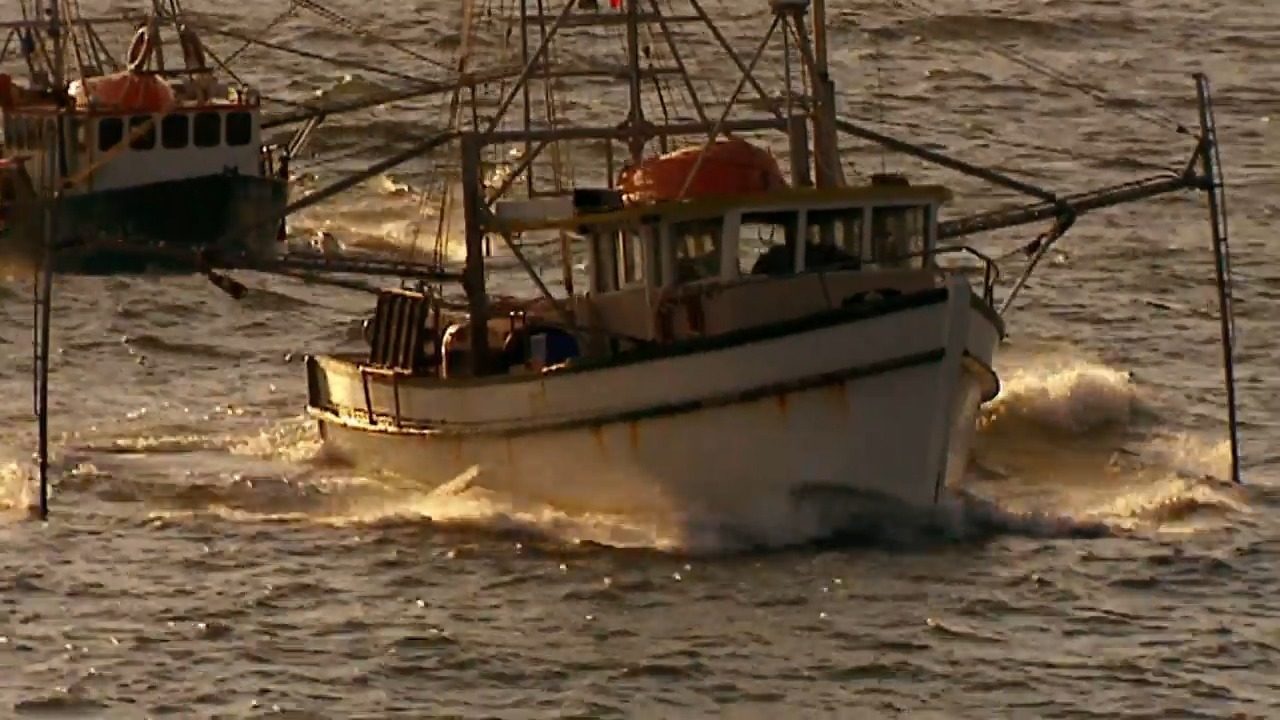
In The Problem With Modern Fishing, narrator Sir David Attenborough describes how technology has made commercial fishing a large-scale operation. The result: overfishing, fewer fish in the oceans, and sometimes the collapse of specific types of fish. This video is excerpted from BBC’s Horizon: The Death of the Oceans, which reveals what scientists are learning about what is happening in the oceans and whether it is too late to save their remarkable diversity.
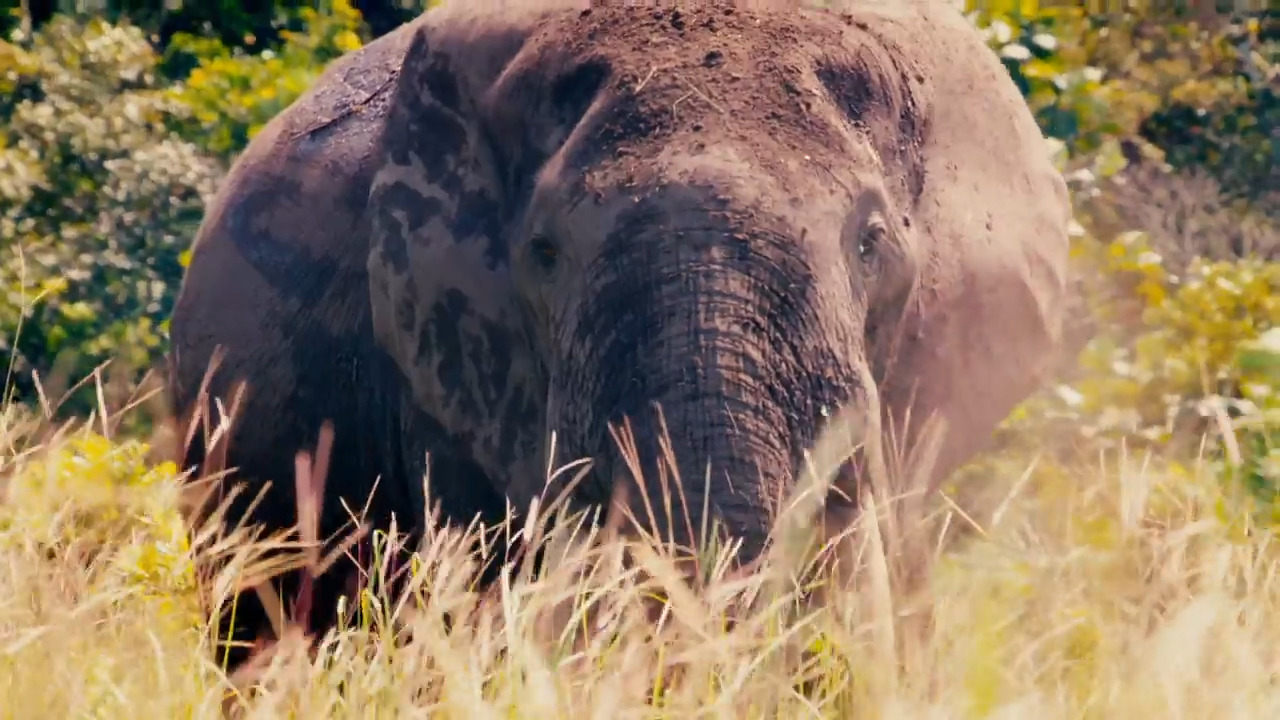
In Tracking Forest Elephants, naturalist Steve Backshall searches for forest elephants in the Loango National Park in Gabon. Together with two guides who are former poachers, they come across a forest elephant in its element. This video is excerpted from BBC's Deadly 60, an award-winning nature and adventure show for kids in which narrator Steve Backshall has one mission: to travel the globe in search of 60 of the world's deadliest animals.
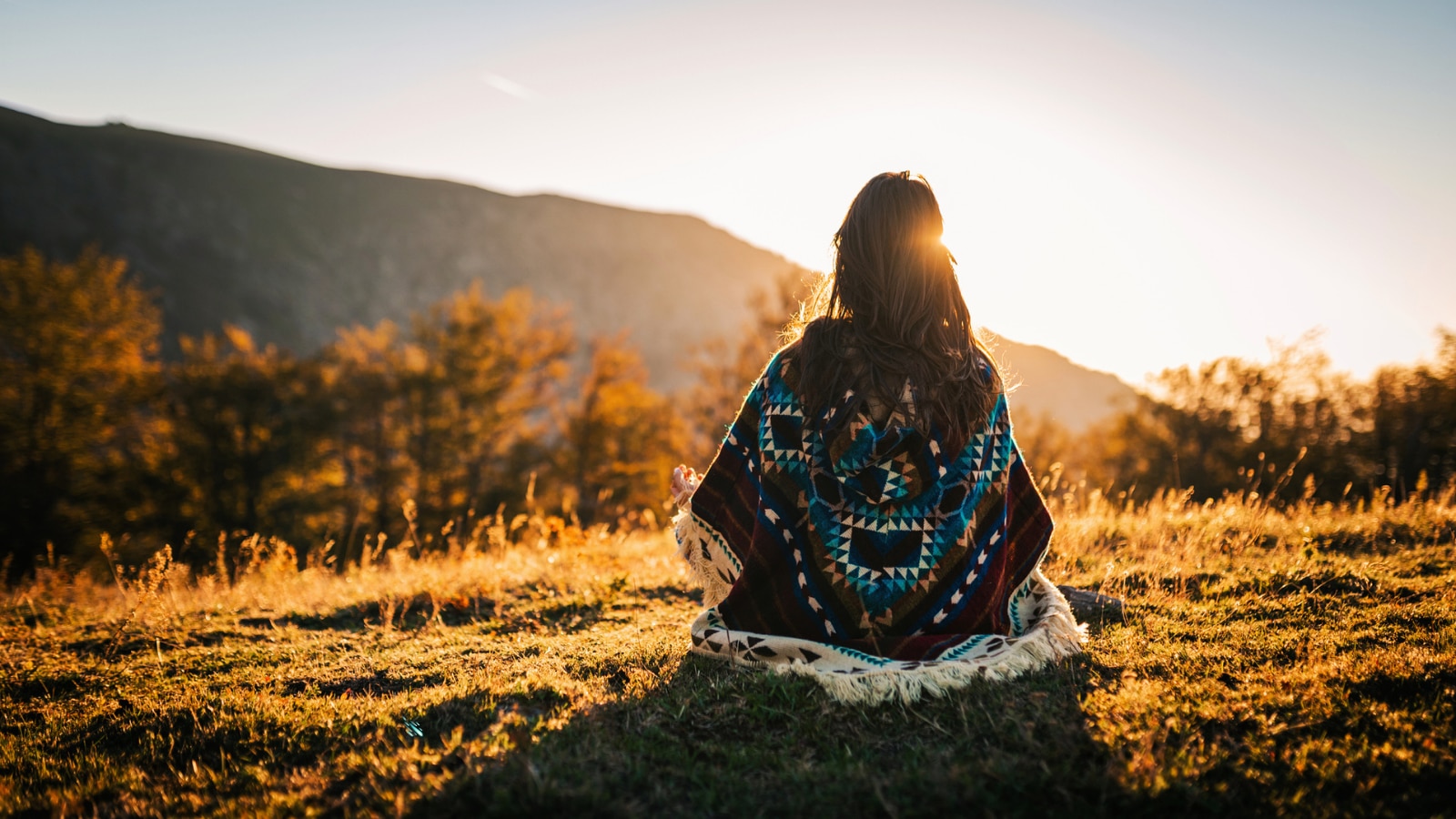
Experience powerful stories of Native American life — ancient, historical, and modern — in this inspiring playlist from the BBC. Featuring authentic video clips from BBC News reports and acclaimed BBC documentaries, students will experience a vivid, first-hand look at the voices, traditions, and challenges of Indigenous peoples across North America.
They’ll explore the Iroquois Constitution, a foundational document that influenced democracy itself; discover the remarkable cliffside cities at Mesa Verde; and learn how Native communities are leading buffalo restoration efforts that bring both ecological and cultural renewal. Students will also see the beauty of traditional arts like hoop dance and gain perspective on the political and community issues shaping Native life today.
These stories offer an unforgettable window into Indigenous identity, resilience, and connection to the land — helping students better understand both the past and the living cultures that continue to shape our world.
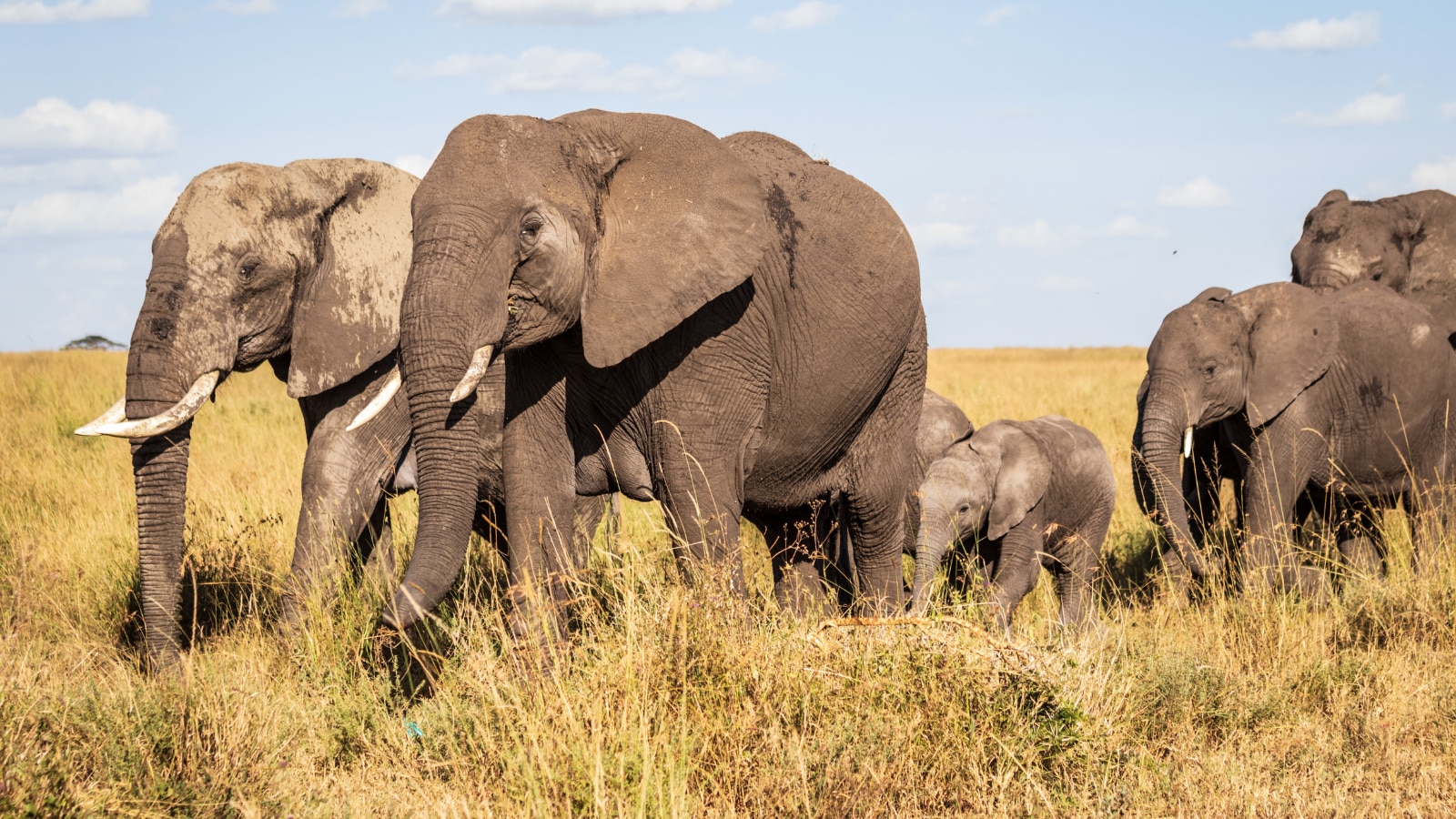
Step into the (very large) footsteps of Earth’s gentle giants. This playlist of eight video clips from BBC programs Planet Earth; Seven Worlds, One Planet; and Animal Babies follows elephants as they search for water, navigate Congo forests, communicate, and rely on the matriarch to stay safe. Learn how elephant families work together, adapt to challenges, and shape their ecosystems. Perfect for sparking curiosity about wildlife and habitats.
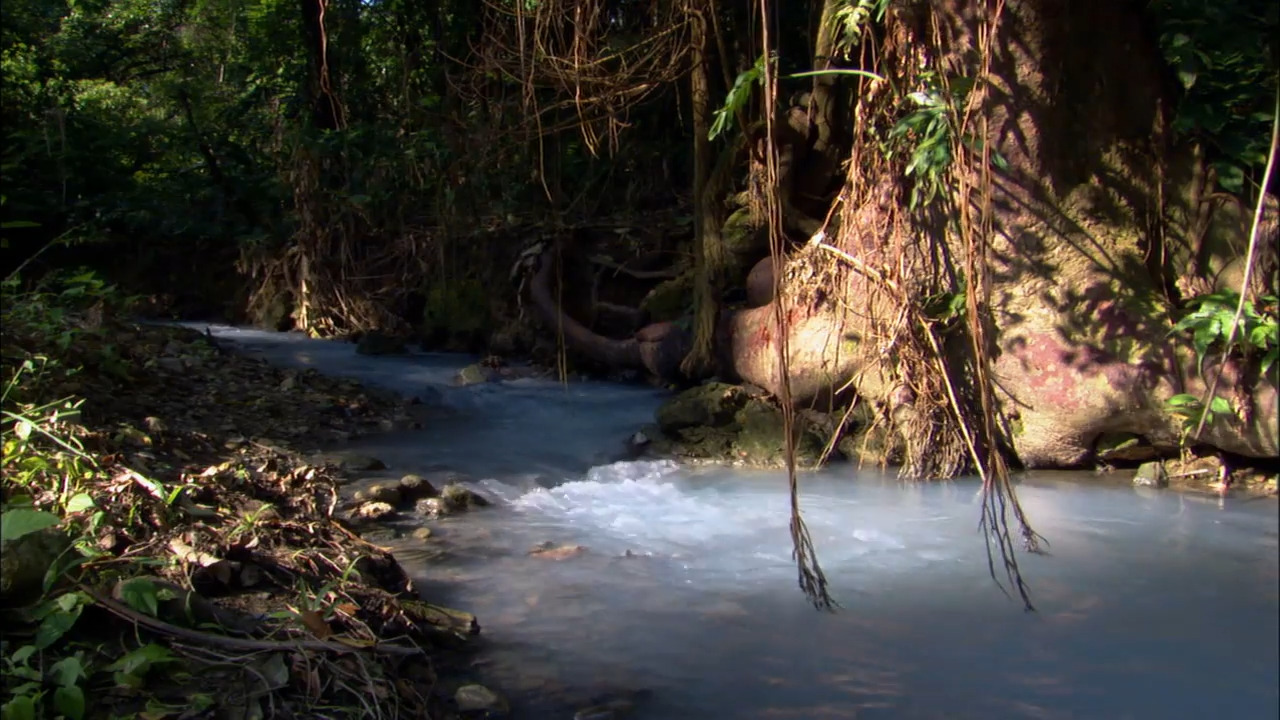
In Thriving in the Harsh Environment of the Villa Luz Cave, narrator Sir David Attenborough takes us on an expedition into Villa Luz Cave, a place filled with dangerous gases and sulfuric acid. Despite these hazardous conditions, fish, bacteria, and other creatures manage to thrive. Learn about the role of extremophiles, strange formations called snottites, and how bacteria form the basis of the food chain in this toxic environment. This video is excerpted from BBC’s Planet Earth, a breathtaking documentary series that highlights the natural wonders of our planet.
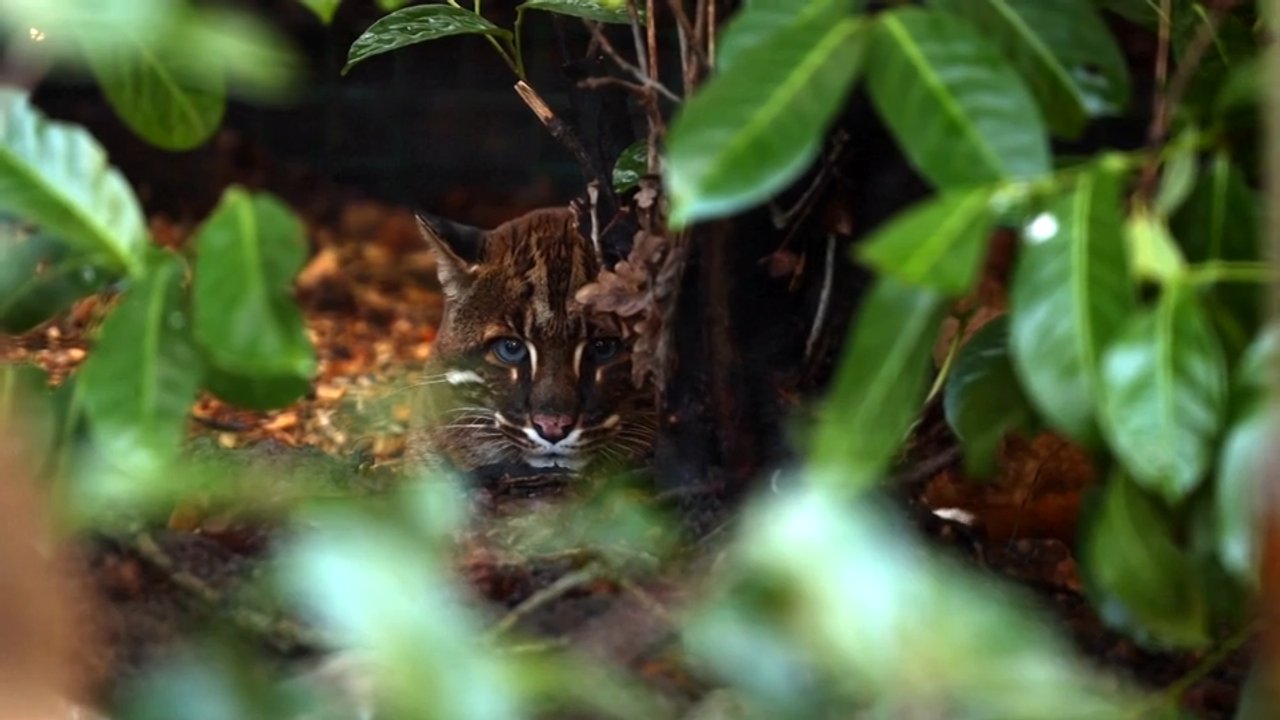
You don’t often hear good news about the environment, but here is some. Three very different wildlife projects around the world show that there’s more than one way to protect nature, and that the effort is paying off.
In the UK, a cat named Frank is moving to a new home. He’s the only Asian golden cat in the country, a medium-sized wild cat from the forests of Southeast Asia. Frank is leaving the sanctuary where he’s lived and moving to a habitat built for his species. The difference matters. A sanctuary’s main job is caring for the animals it already has. A purpose-built habitat does that too, but it also works to help the species survive in the future, through research and breeding. At his new home, Frank will join a breeding program. That’s important, because Asian golden cats are listed as Near Threatened, which means they could become endangered soon. In the wild, they’re losing their forest homes and are hunted illegally.
Next stop is Brazil, where about 35,000 humpback whales now swim in the South Atlantic Ocean. That number would have seemed impossible not long ago. Hunting pushed humpbacks close to extinction, and in the 1980s, countries around the world agreed to stop commercial whaling. Four decades later, the whales have made a remarkable comeback. Every year they return to the warm waters off Brazil’s coast to breed and raise their calves, and scientists come back each year to study them.
Finally, in Tasmania, an island state off the south coast of Australia, volunteers are restoring wetlands. They’re pulling out willow trees, which settlers brought from Europe long ago. The willows spread quickly and crowd out local plants, which is what makes them an invasive species. In their place, volunteers are planting native species. Over time, these plants should keep the water cleaner, hold riverbanks in place, and shade the water.
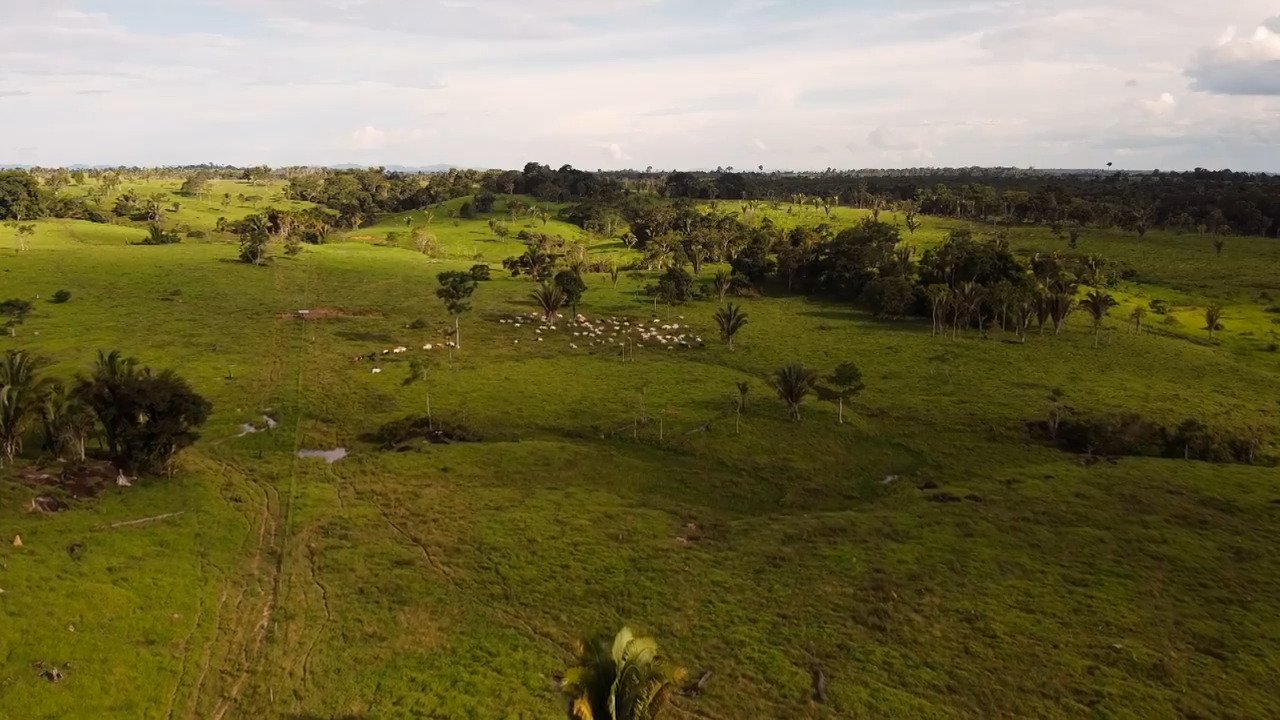
In The Effects of Deregulation, host Radzi Chinyanganya explains how Brazil's deregulation policies have led to rapid deforestation in the Amazon. The government’s decision to lift restrictions on land use has allowed for the clearing of forests for agricultural expansion, logging, mining, and ranching. This video highlights the environmental consequences of this deregulation, focusing on the struggle between different groups, such as ranchers seeking land for cattle grazing and Indigenous populations fighting to protect their ancestral forests. This video is excerpted from BBC’s My World, a program created for teenagers eager to learn more about the important stories shaping our world.
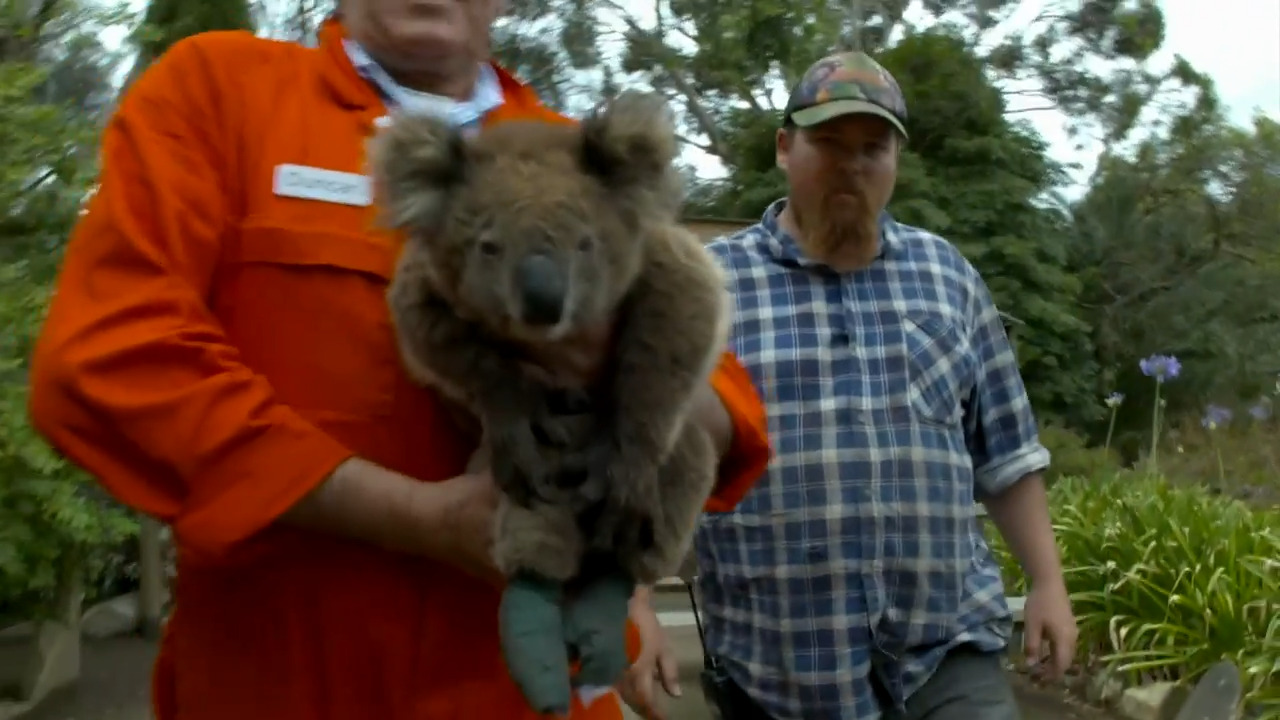
In Wildfires: A Growing Threat, host Radzi Chinyanganya highlights the devastating impact of wildfires around the globe, with a focus on Australia. The segment provides an in-depth look at the causes, local impact, and the global spread of wildfires, highlighting how changes in weather patterns, human activity, and environmental factors are exacerbating this crisis. The episode also covers how the Indian Ocean Dipole (IOD) contributes to the conditions that make wildfires more likely in regions like Australia. This video is excerpted from BBC’s My World, a program created for teenagers eager to learn more about the important stories shaping our world.
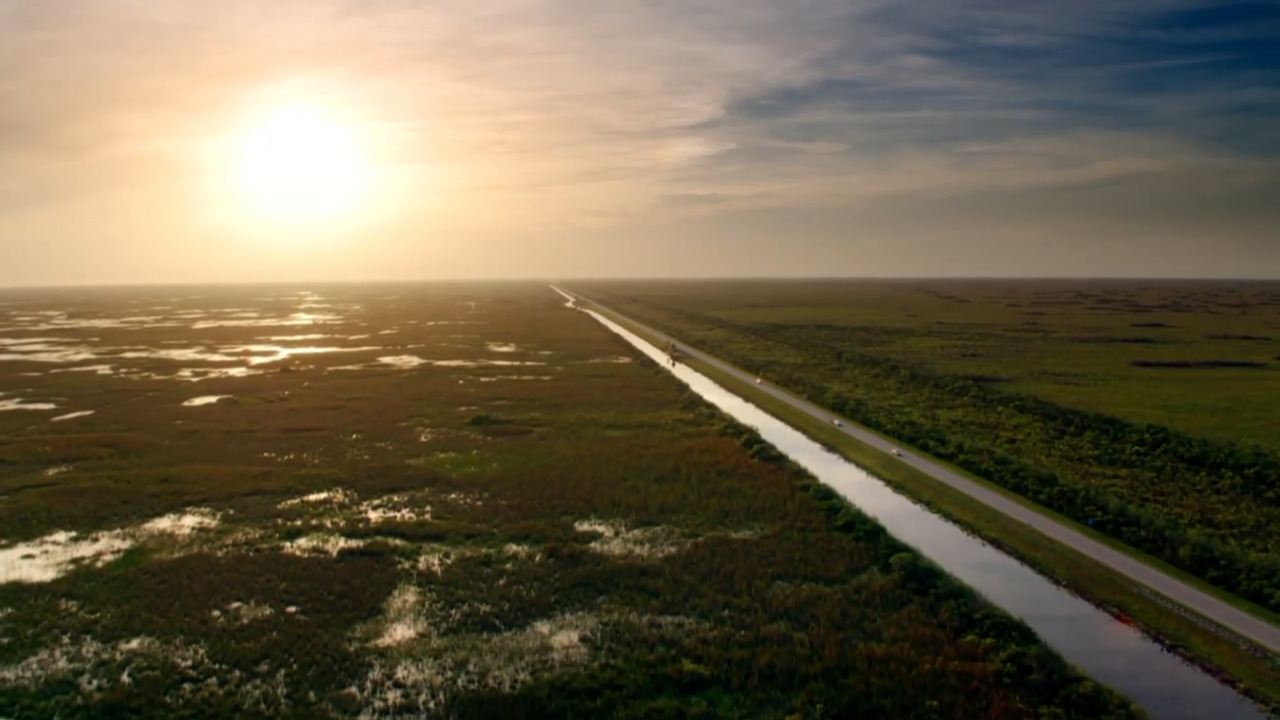
In Freeing Up the Flow of Water on Highway 41, engineers did not realize how a permanent structure would affect the constant movement of the Everglades waters. Fortunately, there are solutions to keep the wetlands freely flowing. This video is excerpted from BBC's Natural World: Florida - America's Animal Paradise, a series displaying Florida’s diverse wildlife and its resilience against increasing environmental threats.

The article "U.S. Lab Creates Living Robots That Are Capable of Self-Replicating" from BBC's Science Focus showcases the creation of xenobots, living robots designed using computer simulations and frog heart cells. Xenobots could have future applications in environmental cleanup and personalized medicine.
Young people learn the hoop dance, a traditional Native American dance that has been passed down for generations. The dance expresses themes of environmentalism and connects young people to their Native American heritage. This video is excerpted from BBC News.
Earth Day is April 20, and we’re celebrating all month long with engaging activities — like our Earth Day video response worksheet! Start by choosing one of the incredible BBC videos from our Earth Day Collection, featuring topics like protecting our planet, innovative ideas for a better future, and inspiring conservation stories.
After watching, have your Grade 3–8 students complete the worksheet questions. You can also give students the option to choose their own video — either from the collection or another relevant clip in our extensive library — since the worksheet is designed to work with any selection.
It’s a simple, meaningful way to spark curiosity and help students connect with real-world environmental issues.
In The Problem With Modern Fishing, narrator Sir David Attenborough describes how technology has made commercial fishing a large-scale operation. The result: overfishing, fewer fish in the oceans, and sometimes the collapse of specific types of fish. This video is excerpted from BBC’s Horizon: The Death of the Oceans, which reveals what scientists are learning about what is happening in the oceans and whether it is too late to save their remarkable diversity.
In Tracking Forest Elephants, naturalist Steve Backshall searches for forest elephants in the Loango National Park in Gabon. Together with two guides who are former poachers, they come across a forest elephant in its element. This video is excerpted from BBC's Deadly 60, an award-winning nature and adventure show for kids in which narrator Steve Backshall has one mission: to travel the globe in search of 60 of the world's deadliest animals.
Experience powerful stories of Native American life — ancient, historical, and modern — in this inspiring playlist from the BBC. Featuring authentic video clips from BBC News reports and acclaimed BBC documentaries, students will experience a vivid, first-hand look at the voices, traditions, and challenges of Indigenous peoples across North America.
They’ll explore the Iroquois Constitution, a foundational document that influenced democracy itself; discover the remarkable cliffside cities at Mesa Verde; and learn how Native communities are leading buffalo restoration efforts that bring both ecological and cultural renewal. Students will also see the beauty of traditional arts like hoop dance and gain perspective on the political and community issues shaping Native life today.
These stories offer an unforgettable window into Indigenous identity, resilience, and connection to the land — helping students better understand both the past and the living cultures that continue to shape our world.
Step into the (very large) footsteps of Earth’s gentle giants. This playlist of eight video clips from BBC programs Planet Earth; Seven Worlds, One Planet; and Animal Babies follows elephants as they search for water, navigate Congo forests, communicate, and rely on the matriarch to stay safe. Learn how elephant families work together, adapt to challenges, and shape their ecosystems. Perfect for sparking curiosity about wildlife and habitats.
In Thriving in the Harsh Environment of the Villa Luz Cave, narrator Sir David Attenborough takes us on an expedition into Villa Luz Cave, a place filled with dangerous gases and sulfuric acid. Despite these hazardous conditions, fish, bacteria, and other creatures manage to thrive. Learn about the role of extremophiles, strange formations called snottites, and how bacteria form the basis of the food chain in this toxic environment. This video is excerpted from BBC’s Planet Earth, a breathtaking documentary series that highlights the natural wonders of our planet.
You don’t often hear good news about the environment, but here is some. Three very different wildlife projects around the world show that there’s more than one way to protect nature, and that the effort is paying off.
In the UK, a cat named Frank is moving to a new home. He’s the only Asian golden cat in the country, a medium-sized wild cat from the forests of Southeast Asia. Frank is leaving the sanctuary where he’s lived and moving to a habitat built for his species. The difference matters. A sanctuary’s main job is caring for the animals it already has. A purpose-built habitat does that too, but it also works to help the species survive in the future, through research and breeding. At his new home, Frank will join a breeding program. That’s important, because Asian golden cats are listed as Near Threatened, which means they could become endangered soon. In the wild, they’re losing their forest homes and are hunted illegally.
Next stop is Brazil, where about 35,000 humpback whales now swim in the South Atlantic Ocean. That number would have seemed impossible not long ago. Hunting pushed humpbacks close to extinction, and in the 1980s, countries around the world agreed to stop commercial whaling. Four decades later, the whales have made a remarkable comeback. Every year they return to the warm waters off Brazil’s coast to breed and raise their calves, and scientists come back each year to study them.
Finally, in Tasmania, an island state off the south coast of Australia, volunteers are restoring wetlands. They’re pulling out willow trees, which settlers brought from Europe long ago. The willows spread quickly and crowd out local plants, which is what makes them an invasive species. In their place, volunteers are planting native species. Over time, these plants should keep the water cleaner, hold riverbanks in place, and shade the water.
In The Effects of Deregulation, host Radzi Chinyanganya explains how Brazil's deregulation policies have led to rapid deforestation in the Amazon. The government’s decision to lift restrictions on land use has allowed for the clearing of forests for agricultural expansion, logging, mining, and ranching. This video highlights the environmental consequences of this deregulation, focusing on the struggle between different groups, such as ranchers seeking land for cattle grazing and Indigenous populations fighting to protect their ancestral forests. This video is excerpted from BBC’s My World, a program created for teenagers eager to learn more about the important stories shaping our world.
In Wildfires: A Growing Threat, host Radzi Chinyanganya highlights the devastating impact of wildfires around the globe, with a focus on Australia. The segment provides an in-depth look at the causes, local impact, and the global spread of wildfires, highlighting how changes in weather patterns, human activity, and environmental factors are exacerbating this crisis. The episode also covers how the Indian Ocean Dipole (IOD) contributes to the conditions that make wildfires more likely in regions like Australia. This video is excerpted from BBC’s My World, a program created for teenagers eager to learn more about the important stories shaping our world.
In Freeing Up the Flow of Water on Highway 41, engineers did not realize how a permanent structure would affect the constant movement of the Everglades waters. Fortunately, there are solutions to keep the wetlands freely flowing. This video is excerpted from BBC's Natural World: Florida - America's Animal Paradise, a series displaying Florida’s diverse wildlife and its resilience against increasing environmental threats.
The article "U.S. Lab Creates Living Robots That Are Capable of Self-Replicating" from BBC's Science Focus showcases the creation of xenobots, living robots designed using computer simulations and frog heart cells. Xenobots could have future applications in environmental cleanup and personalized medicine.