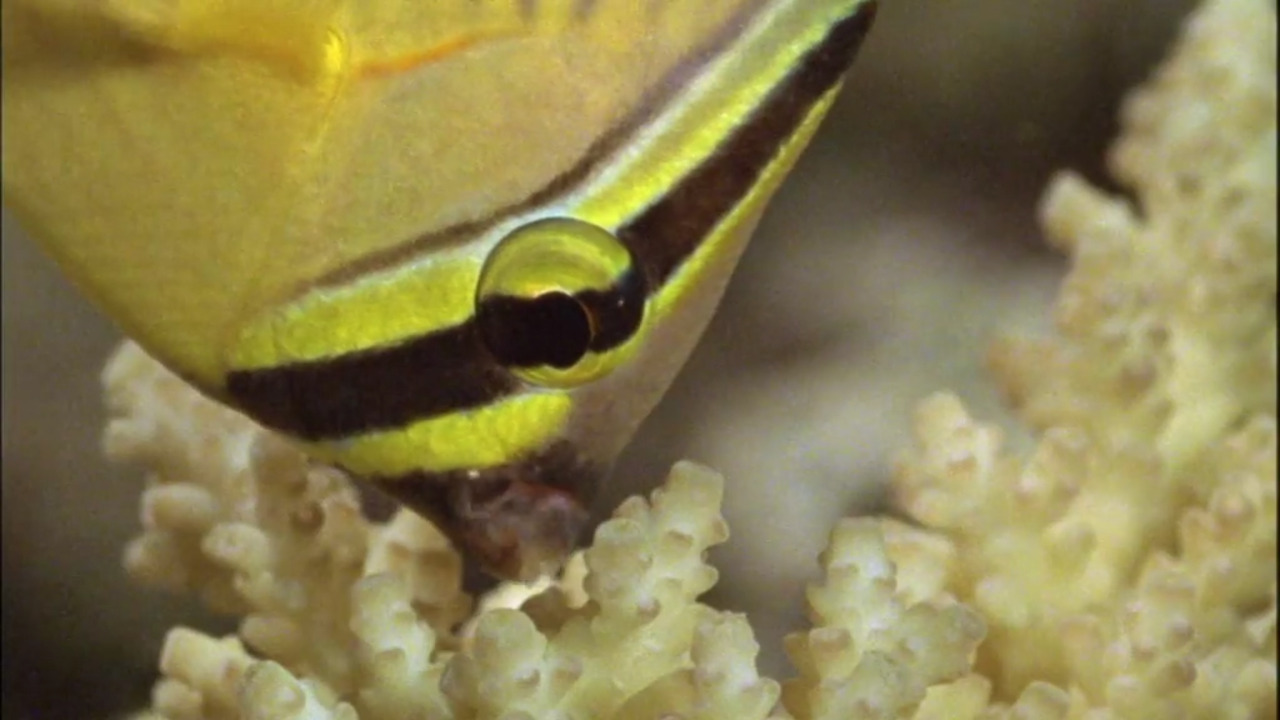
In Coral Reefs at Night, narrator Sir David Attenborough explains how coral emerge at night to eat, grow, and defend their territory, with dramatic consequences. This video is excerpted from BBC’s Blue Planet, a definitive documentary series diving into the mysterious depths of the sea to discover the natural history of the world’s oceans and the rarely seen marine life that reside there.
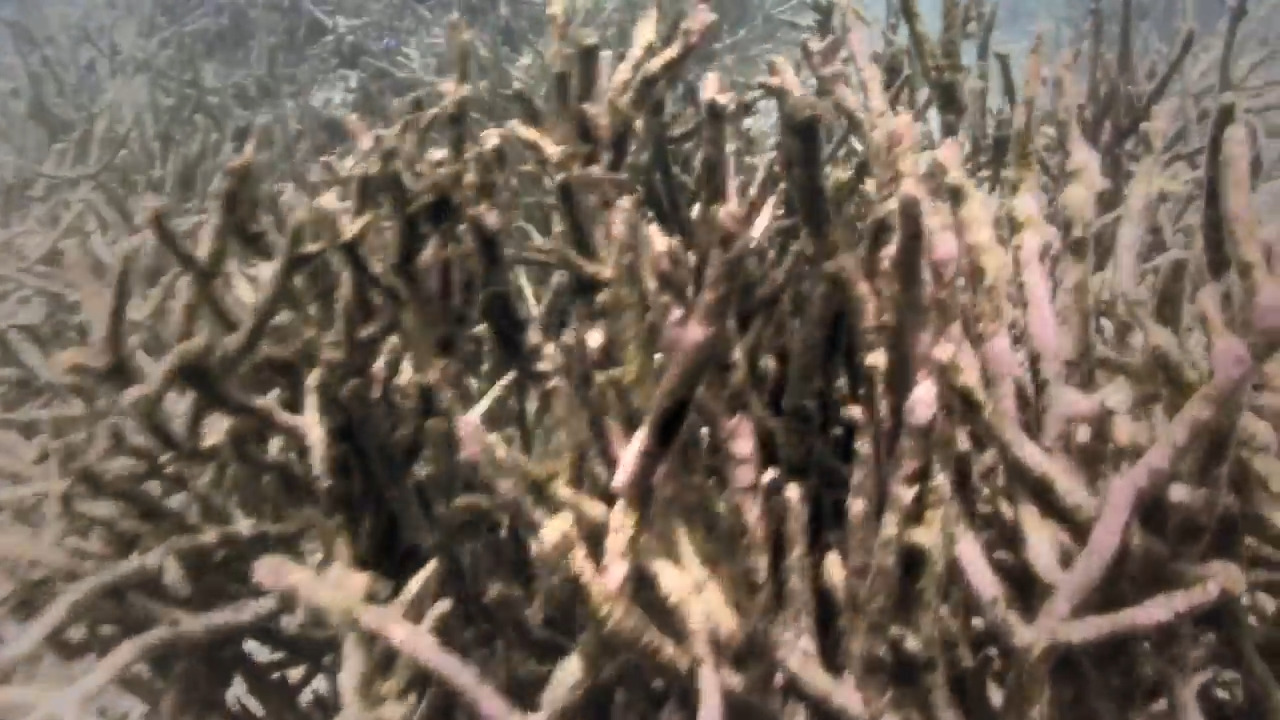
In The Impact of Climate Change on Coral Reefs in the Maldives, host Simon Reeve goes snorkeling with a marine biologist from the Maldives, where he discovers a troubling pattern affecting the reef. This video is excerpted from BBC's Incredible Journeys With Simon Reeve, a series that highlights one journalist’s travels across the globe and the diverse cultures and peoples he meets along the way.
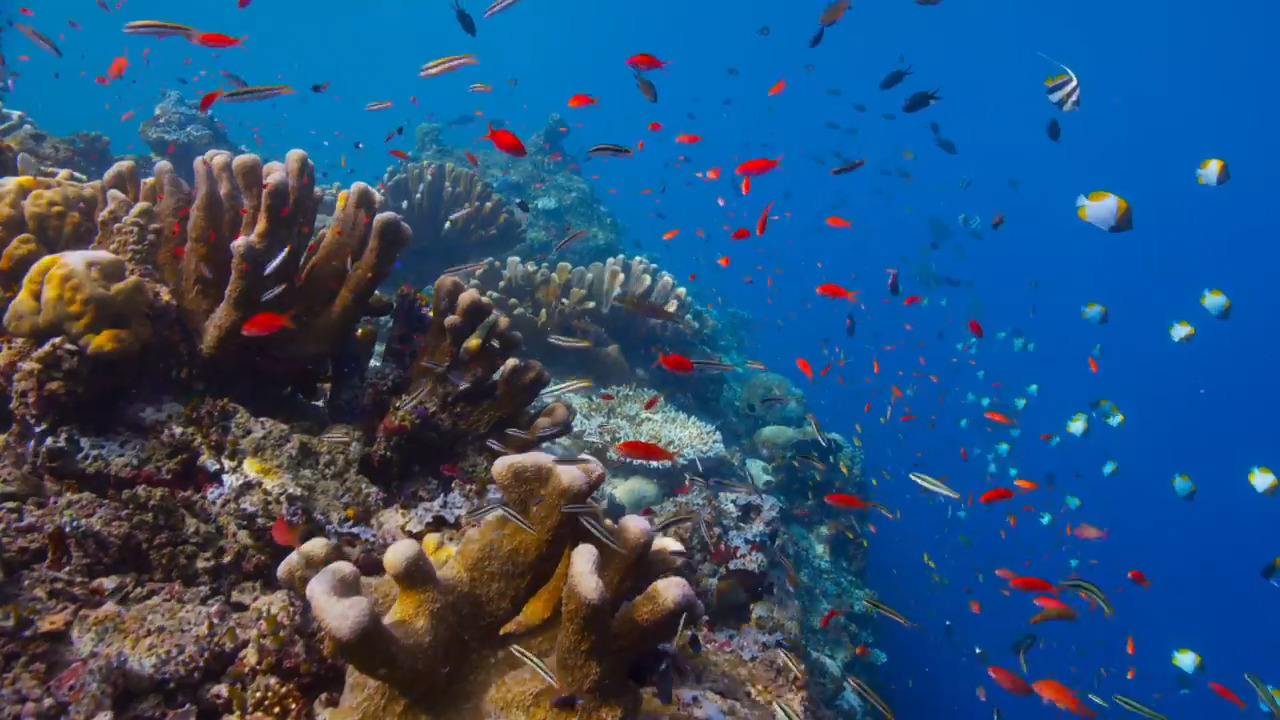
In A Sea of Opportunity in Coral Reefs, narrator Sir David Attenborough, dives into the inhabitants of this very busy coral reef, including cuttlefish who have a special adaptation to capture their prey. This video is excerpted from BBC’s Blue Planet II, a natural history series that explores the world's oceans, the animals that live in them, and the threats they face, using modern filming techniques and equipment to capture previously unseen areas of the ocean.

The article "3D-Printed Terracotta Reefs Offer New Hope for Saving Coral Ecosystems" from BBC's Science Focus reveals that Israeli researchers are creating detailed artificial coral reefs using 3D printing. These terracotta reefs mimic real coral shapes and offer homes for marine organisms, helping coral reefs recover. The goal is to use this technology in oceans around the world to support marine biodiversity.
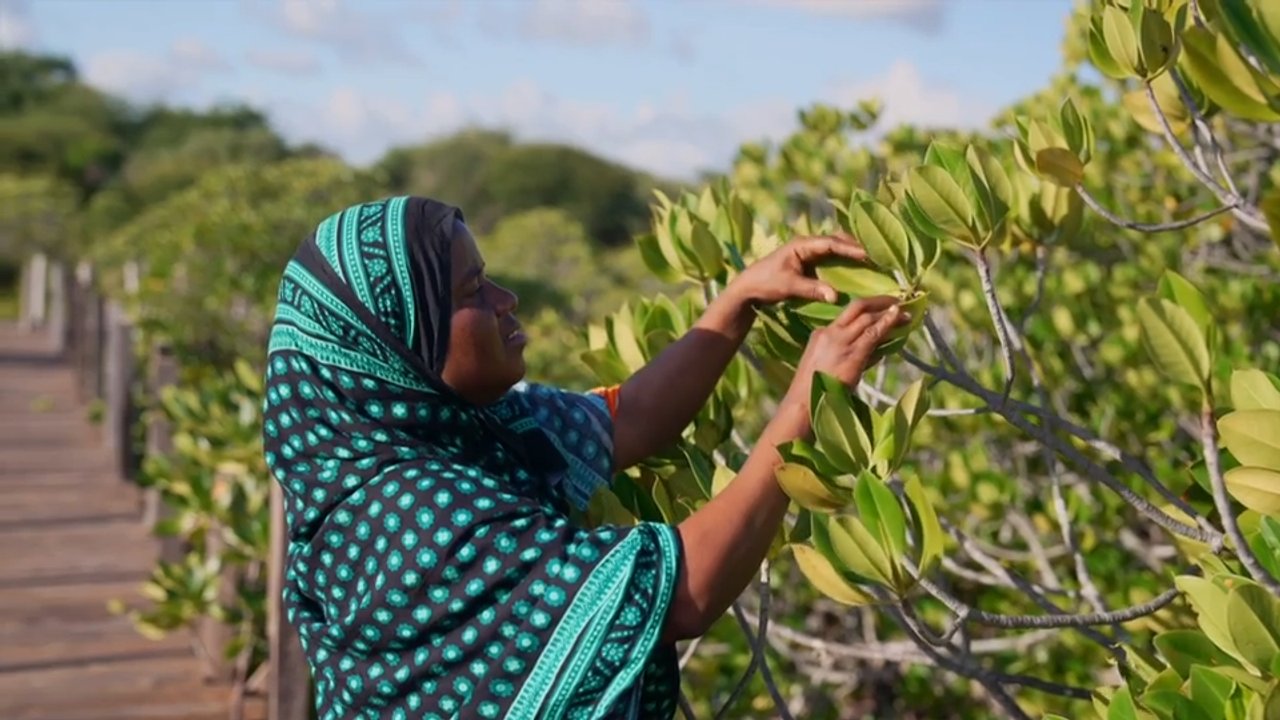
Let’s take a virtual trip to the Lamu Archipelago in Kenya, a coastline that’s both prosperous and fragile at the same time. The specific environment is a crucial part of life: the ocean provides fish to feed the islands’ inhabitants, and the forests are populated with mangrove trees that protect the coastline from erosion. So, what happens when fish stocks have declined, mangrove forests have been badly damaged, coral reefs are bleaching, and plastic washes ashore with every tide? Local environmental heroes step up.
Meet “Mama Mikoko,” AKA The Mother of Mangroves, who earned the name through her efforts to restore coastal forests. These mangrove trees not only shield villages from erosion but provide breeding grounds for marine life, and their roots hold the shoreline together. Since 2018, her team has planted more than 200,000 mangrove trees and restored over 20 hectares (about 50 acres) of coastline. That means they’ve restored about 75 percent of the mangrove forest! But not all the action’s on land.
A short boat ride away, primary school teacher Monasha Mbona is helping rebuild coral reefs by attaching living coral fragments to cement structures and returning them to the ocean so they can grow.
As important as the environment is in itself (you know, doing little things like feeding the population and helping the islands not wash away), the projects go beyond helping the environment. Conservation income has also helped fund a desalination machine to turn seawater into freshwater, create jobs for young people, support women’s financial independence, and start microfinance groups.
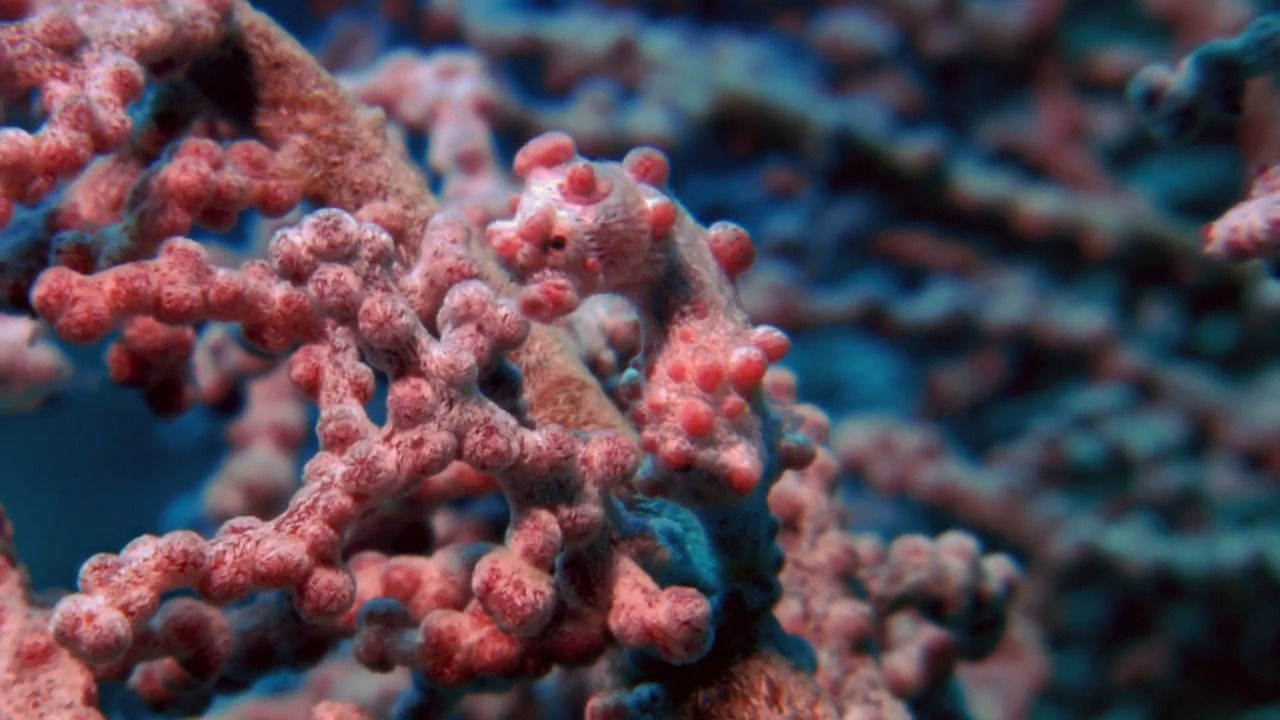
In The Unexpected Marvels of Indonesian Reefs, narrator Sir David Attenborough highlights unusual marine life. Tiny pygmy seahorses fight for territory, while a file clam pulsates with light. This video is excerpted from BBC's Planet Earth, a breathtaking documentary series that highlights the natural wonders of our planet.
In Coral Reefs at Night, narrator Sir David Attenborough explains how coral emerge at night to eat, grow, and defend their territory, with dramatic consequences. This video is excerpted from BBC’s Blue Planet, a definitive documentary series diving into the mysterious depths of the sea to discover the natural history of the world’s oceans and the rarely seen marine life that reside there.
In The Impact of Climate Change on Coral Reefs in the Maldives, host Simon Reeve goes snorkeling with a marine biologist from the Maldives, where he discovers a troubling pattern affecting the reef. This video is excerpted from BBC's Incredible Journeys With Simon Reeve, a series that highlights one journalist’s travels across the globe and the diverse cultures and peoples he meets along the way.
In A Sea of Opportunity in Coral Reefs, narrator Sir David Attenborough, dives into the inhabitants of this very busy coral reef, including cuttlefish who have a special adaptation to capture their prey. This video is excerpted from BBC’s Blue Planet II, a natural history series that explores the world's oceans, the animals that live in them, and the threats they face, using modern filming techniques and equipment to capture previously unseen areas of the ocean.
The article "3D-Printed Terracotta Reefs Offer New Hope for Saving Coral Ecosystems" from BBC's Science Focus reveals that Israeli researchers are creating detailed artificial coral reefs using 3D printing. These terracotta reefs mimic real coral shapes and offer homes for marine organisms, helping coral reefs recover. The goal is to use this technology in oceans around the world to support marine biodiversity.
Let’s take a virtual trip to the Lamu Archipelago in Kenya, a coastline that’s both prosperous and fragile at the same time. The specific environment is a crucial part of life: the ocean provides fish to feed the islands’ inhabitants, and the forests are populated with mangrove trees that protect the coastline from erosion. So, what happens when fish stocks have declined, mangrove forests have been badly damaged, coral reefs are bleaching, and plastic washes ashore with every tide? Local environmental heroes step up.
Meet “Mama Mikoko,” AKA The Mother of Mangroves, who earned the name through her efforts to restore coastal forests. These mangrove trees not only shield villages from erosion but provide breeding grounds for marine life, and their roots hold the shoreline together. Since 2018, her team has planted more than 200,000 mangrove trees and restored over 20 hectares (about 50 acres) of coastline. That means they’ve restored about 75 percent of the mangrove forest! But not all the action’s on land.
A short boat ride away, primary school teacher Monasha Mbona is helping rebuild coral reefs by attaching living coral fragments to cement structures and returning them to the ocean so they can grow.
As important as the environment is in itself (you know, doing little things like feeding the population and helping the islands not wash away), the projects go beyond helping the environment. Conservation income has also helped fund a desalination machine to turn seawater into freshwater, create jobs for young people, support women’s financial independence, and start microfinance groups.
In The Unexpected Marvels of Indonesian Reefs, narrator Sir David Attenborough highlights unusual marine life. Tiny pygmy seahorses fight for territory, while a file clam pulsates with light. This video is excerpted from BBC's Planet Earth, a breathtaking documentary series that highlights the natural wonders of our planet.