
Dive into the wonders of Antarctica with this multi-grade lesson collection! Tailored for K–2, 3–5, 6–8, and 9–12, each unit includes engaging activities, thought-provoking discussions, and hands-on projects to uncover the mysteries of the frozen continent. Enhance your teaching with stunning BBC video clips showcasing Antarctic wildlife, research stations, and breathtaking icy landscapes. Printable resources like animal fact sheets, scientist journal templates, and conservation challenges bring the learning to life for your students. Perfect for science, geography, and environmental lessons!

The article "Here Are 11 Arctic Animals That Not Only Survive, But Also Thrive in the Freezing Polar Landscape" from BBC's Discover Wildlife explores how various animals have adapted to endure the Arctic's extreme conditions. From the mighty polar bear and tusked walrus to the resilient Arctic fox and long-lived Greenland shark, the piece highlights their unique physical traits and survival behaviors.

In this activity, students will step into the boots of Antarctic research scientists as they uncover the secrets of penguin life! They’ll start by sharing what they already know about Antarctica before "traveling" there through a BBC Frozen Planet video, which will let them experience the continent up close. Then, each student will select a penguin species to research and they will use a BBC video from Seven Worlds, One Planet or Frozen Planet to gather their observations. Students will synthesize their notes as they create a research journal page, and they will then wrap up by discussing what new questions they’re curious to investigate next!

In this activity, your students will watch captivating BBC videos from Andy’s Baby Animals and Go Jetters and then create their own Antarctic penguin character! They'll begin by learning about the coldest continent — Antarctica — and the penguins that live there. Then, students will be challenged to create their own penguin cartoon characters based on what they have learned about the characteristics and behavior of real penguins.
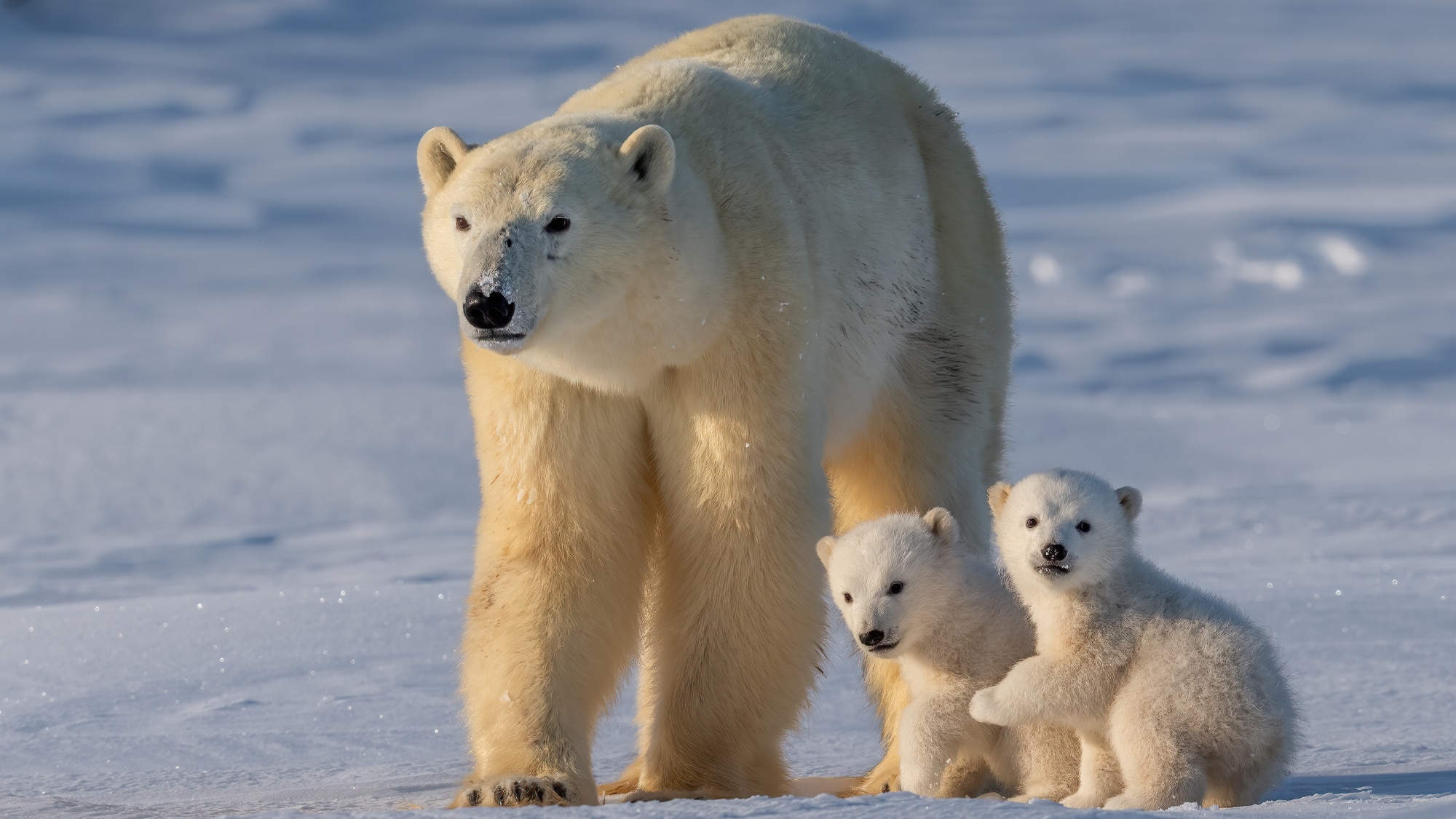
Step into the frozen world of the Arctic and meet one of the planet’s most powerful, and vulnerable, predators: the polar bear. This BBC video playlist dives into the daily life of these majestic animals, from caring for playful cubs to navigating treacherous ice in search of food.
Through stunning footage and expert narration, learners will explore how polar bears adapt to extreme cold, hunt for seals, and survive in one of Earth’s harshest environments. Along the way, they’ll also discover how climate change is threatening the polar bear’s icy home, and why protecting it matters.
Mountains push life to its limits — thin air, brutal cold, steep terrain. From the Himalayas to the Rockies, the plants and animals that survive here have had to adapt in some pretty extreme ways.
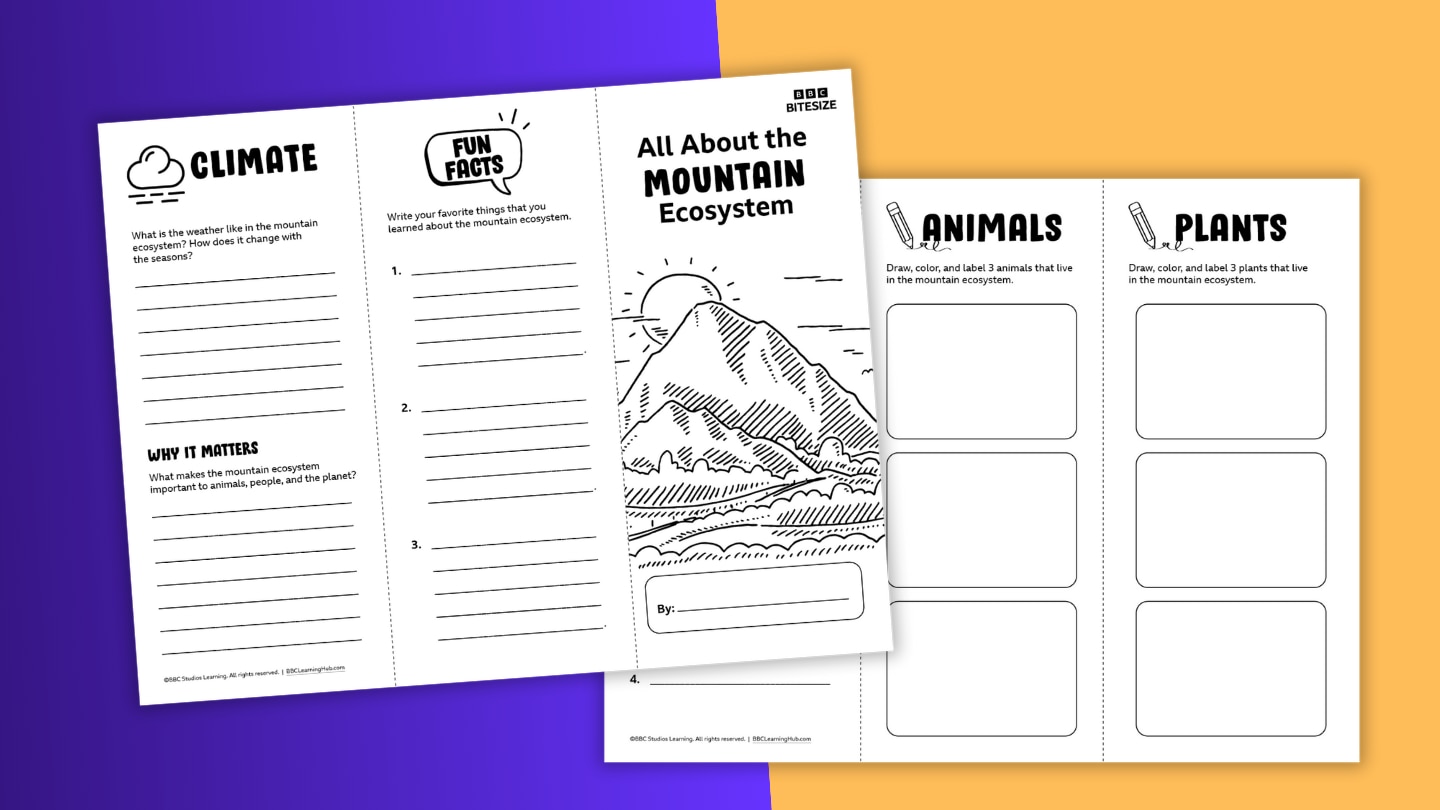
After watching mountain ecosystem videos, have students dig deeper with their own research and build a brochure covering:
- Location of the ecosystem on a world map
- Adjectives that describe the ecosystem
- Three animals that live there
- Three plants that grow there
- The climate
- Why the ecosystem matters
- Their favorite fun facts
Students summarize in their own words, which means they're practicing a real skill: pulling information from multiple sources and deciding what's worth keeping.
Dive into the wonders of Antarctica with this multi-grade lesson collection! Tailored for K–2, 3–5, 6–8, and 9–12, each unit includes engaging activities, thought-provoking discussions, and hands-on projects to uncover the mysteries of the frozen continent. Enhance your teaching with stunning BBC video clips showcasing Antarctic wildlife, research stations, and breathtaking icy landscapes. Printable resources like animal fact sheets, scientist journal templates, and conservation challenges bring the learning to life for your students. Perfect for science, geography, and environmental lessons!
The article "Here Are 11 Arctic Animals That Not Only Survive, But Also Thrive in the Freezing Polar Landscape" from BBC's Discover Wildlife explores how various animals have adapted to endure the Arctic's extreme conditions. From the mighty polar bear and tusked walrus to the resilient Arctic fox and long-lived Greenland shark, the piece highlights their unique physical traits and survival behaviors.
In this activity, students will step into the boots of Antarctic research scientists as they uncover the secrets of penguin life! They’ll start by sharing what they already know about Antarctica before "traveling" there through a BBC Frozen Planet video, which will let them experience the continent up close. Then, each student will select a penguin species to research and they will use a BBC video from Seven Worlds, One Planet or Frozen Planet to gather their observations. Students will synthesize their notes as they create a research journal page, and they will then wrap up by discussing what new questions they’re curious to investigate next!
In this activity, your students will watch captivating BBC videos from Andy’s Baby Animals and Go Jetters and then create their own Antarctic penguin character! They'll begin by learning about the coldest continent — Antarctica — and the penguins that live there. Then, students will be challenged to create their own penguin cartoon characters based on what they have learned about the characteristics and behavior of real penguins.
Step into the frozen world of the Arctic and meet one of the planet’s most powerful, and vulnerable, predators: the polar bear. This BBC video playlist dives into the daily life of these majestic animals, from caring for playful cubs to navigating treacherous ice in search of food.
Through stunning footage and expert narration, learners will explore how polar bears adapt to extreme cold, hunt for seals, and survive in one of Earth’s harshest environments. Along the way, they’ll also discover how climate change is threatening the polar bear’s icy home, and why protecting it matters.
Mountains push life to its limits — thin air, brutal cold, steep terrain. From the Himalayas to the Rockies, the plants and animals that survive here have had to adapt in some pretty extreme ways.
After watching mountain ecosystem videos, have students dig deeper with their own research and build a brochure covering:
- Location of the ecosystem on a world map
- Adjectives that describe the ecosystem
- Three animals that live there
- Three plants that grow there
- The climate
- Why the ecosystem matters
- Their favorite fun facts
Students summarize in their own words, which means they're practicing a real skill: pulling information from multiple sources and deciding what's worth keeping.