
War. Climate change. Gender inequality. Our students are inheriting a world with problems. But knowledge is power.
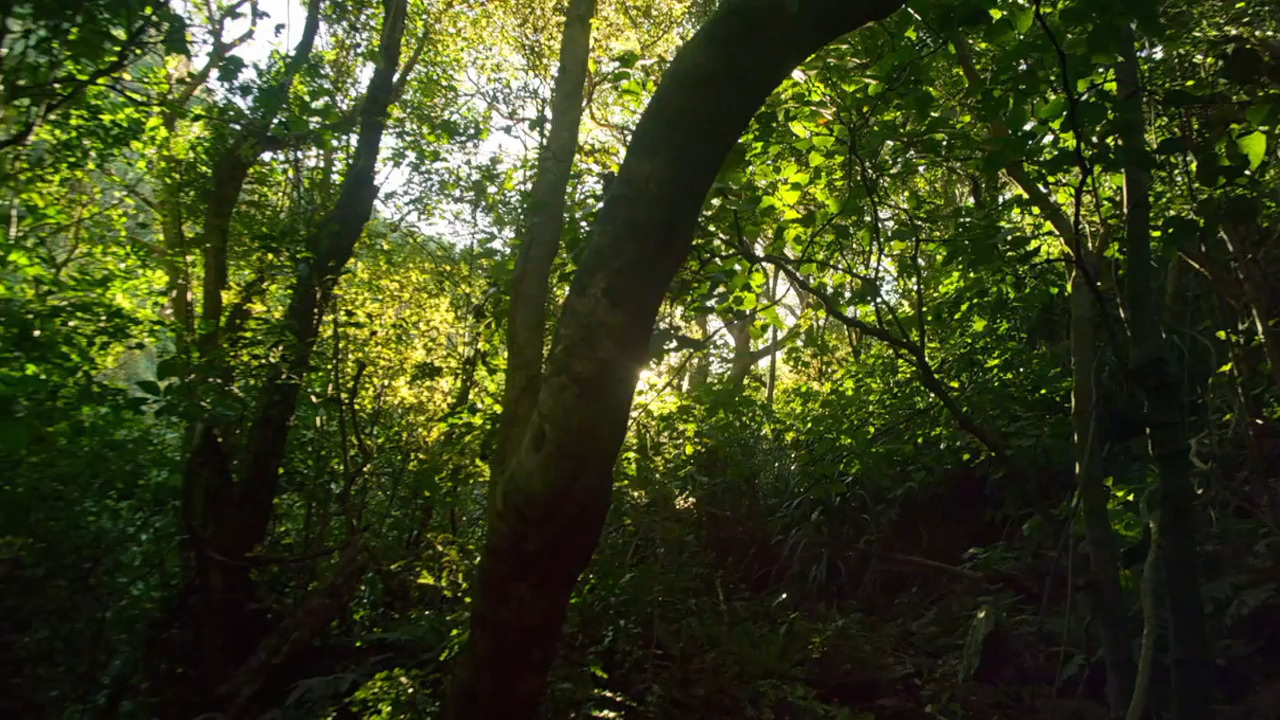
In Climate Change and the Impact of Wildfires, learn how climate change has made the possibility of wildfires more likely and more widespread. Now wildfires are happening around the world, including in colder countries. Wildfires in the western United States have become particularly devastating and dangerous for the people who live there. This video is excerpted from BBC’s Climate Change - The Facts, a documentary that delves into the science of climate change and its far-reaching consequences.
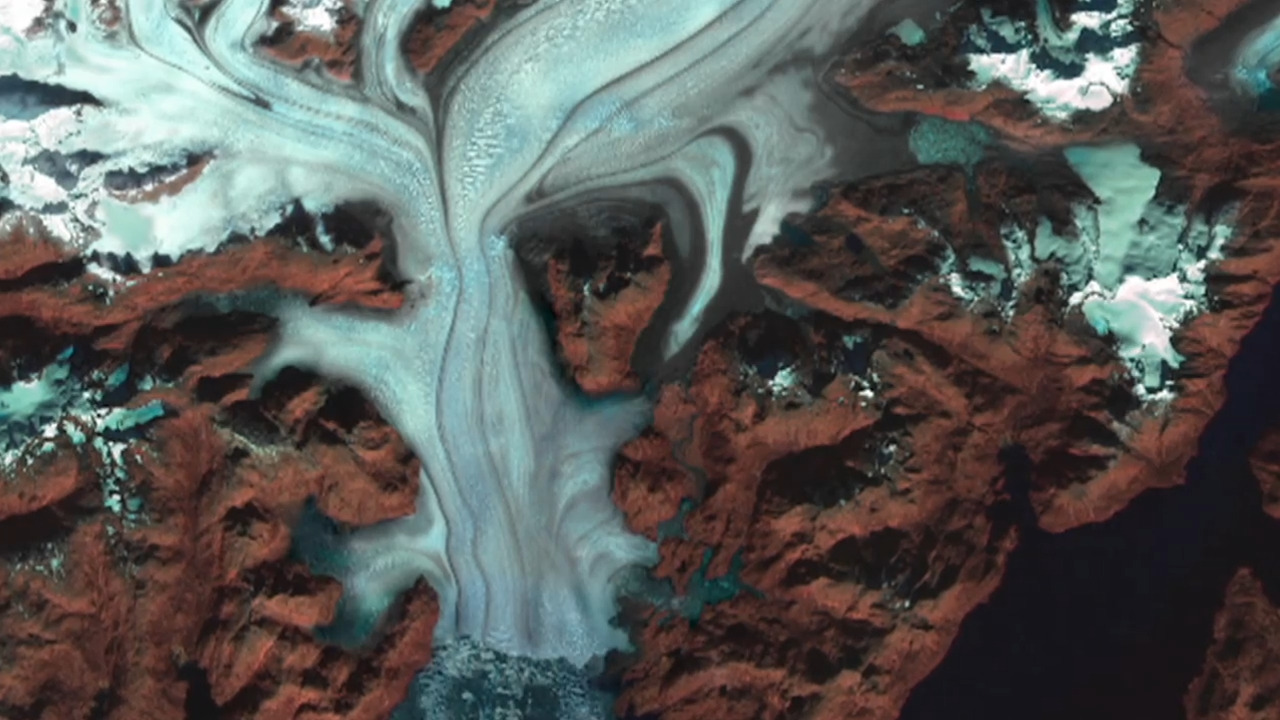
In Retreating Ice and Glacial Change, geologist Iain Stewart explains that the Columbia glacier in Alaska is moving quickly; it has retreated almost 9 miles (14 kilometers) since 1980. But this glacier is not the only one that is melting and changing as the planet warms. This video is excerpted from BBC’s Earth: The Power of the Planet, a documentary series in which Dr. Iain Stewart discovers how Earth's forces can shape nature, species, and even the climate.
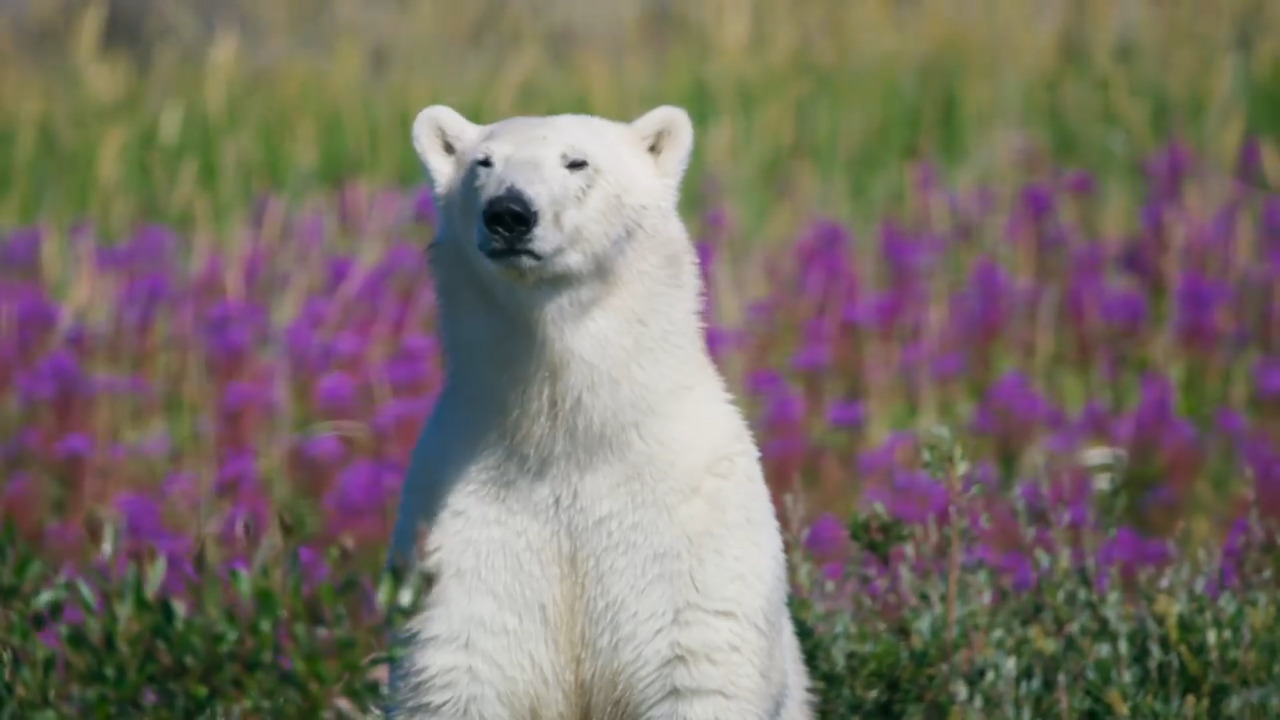
In Climate Change and Polar Bears, learn how human impacts are causing Canada to warm faster than any country on Earth. Lack of sea ice is now causing major problems for polar bears, and they have had to find a new source of food — beluga whale calves. This video is excerpted from BBC’s Seven Worlds, One Planet, a series featuring remarkable animal behavior from all seven continents.
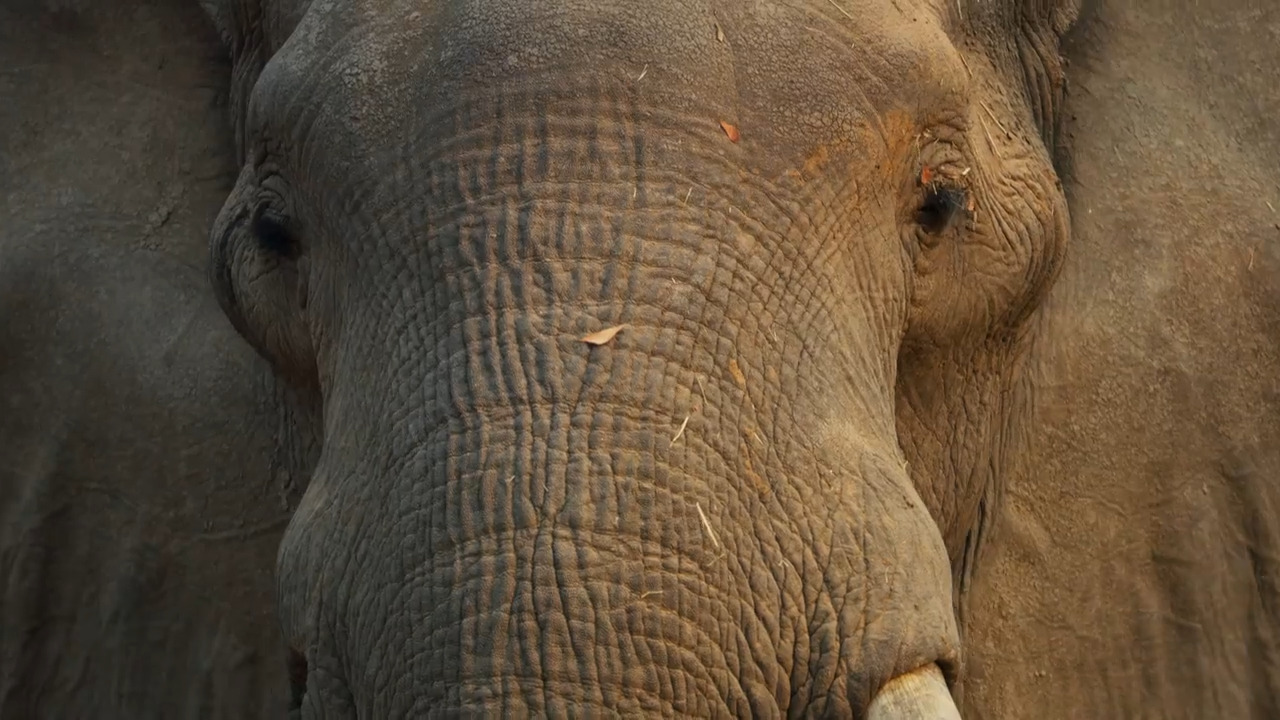
In Elephants Adapt to Climate Change, narrator Sir David Attenborough explains how elephants have adapted to drought in Africa. They have worked out a way of reaching acacia pods from the highest branches. This video is excerpted from BBC’s Seven Worlds, One Planet, a series featuring remarkable animal behavior from all seven continents.
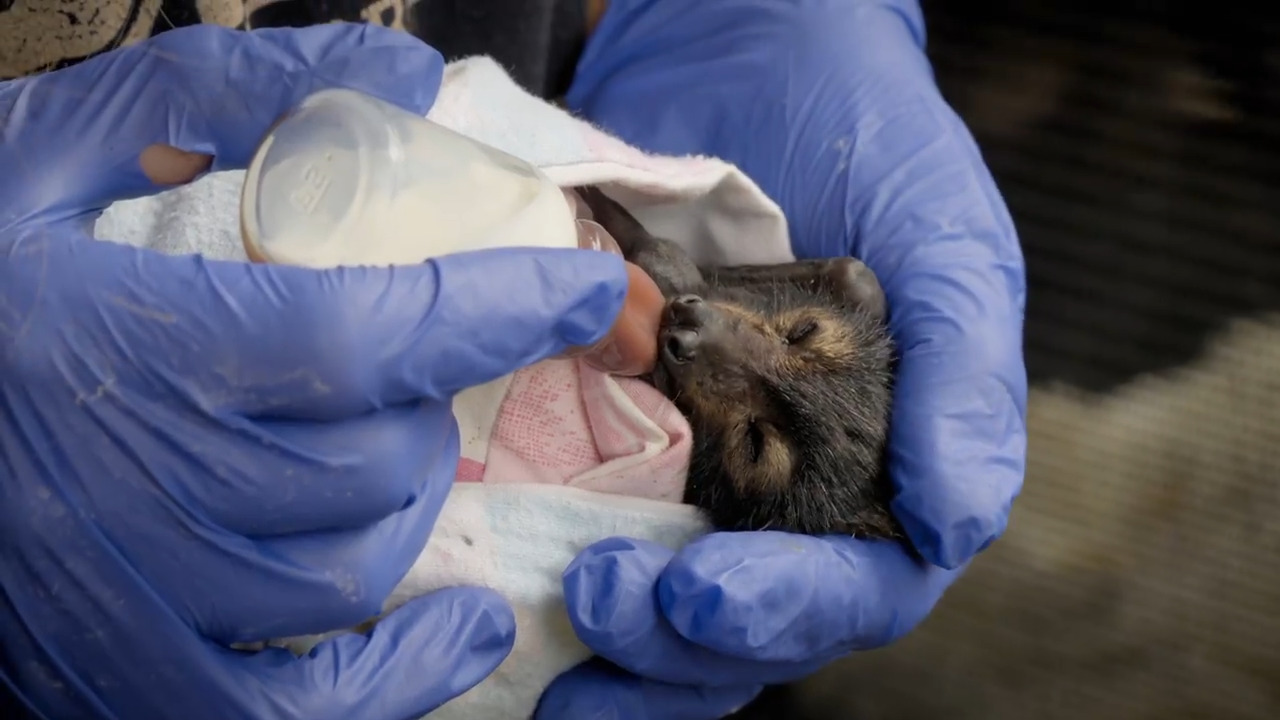
In Climate Change and Its Effect on Species, discover the devastating impact of extreme heat in Australia on flying foxes. Thousands of these creatures died as a result of the intense heat waves caused by climate change. This phenomenon is a stark reminder of how rising temperatures are putting many species at risk of extinction. This video is excerpted from BBC’s Climate Change - The Facts, a documentary that delves into the science of climate change and its far-reaching consequences.
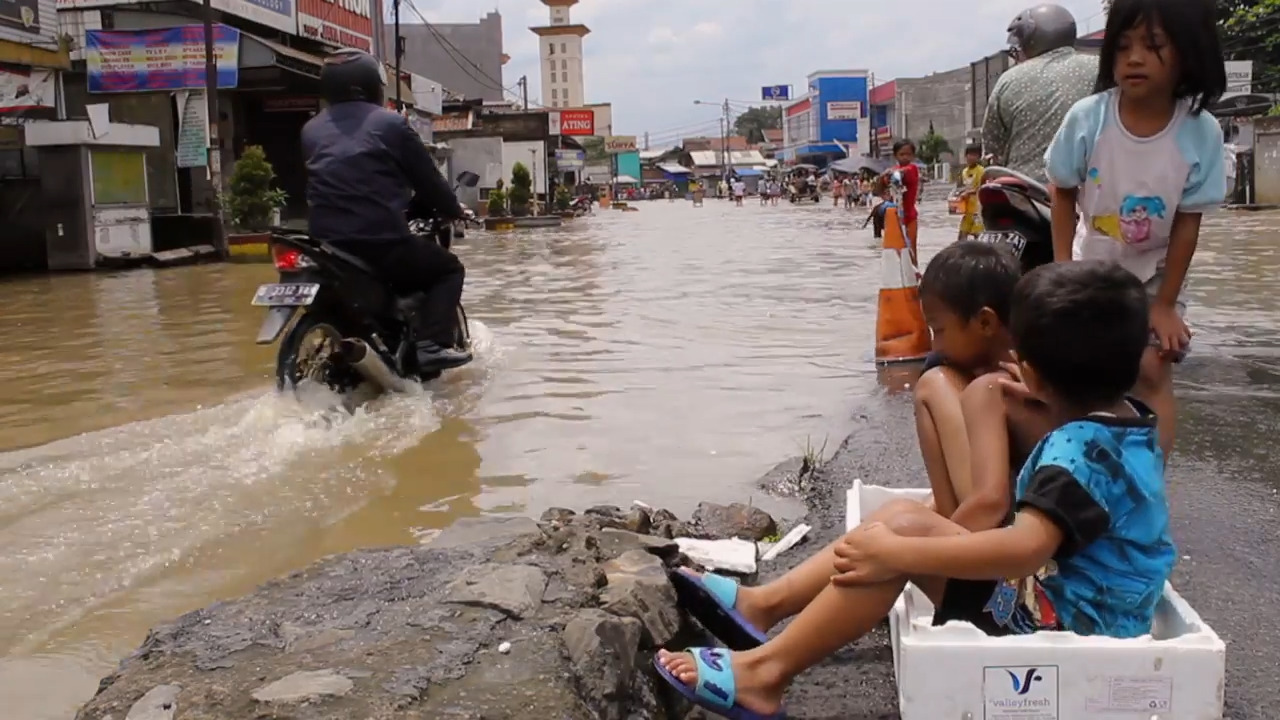
In Climate Change and Rising Sea Levels, learn how sea levels have risen by about 8 inches (20 cm) in the past 100 years, significantly affecting coastal communities. See the impacts on Isle de Jean Charles, Louisiana, where residents are being forced to relocate due to the rising waters. This video is excerpted from BBC’s Climate Change - The Facts, a documentary that delves into the science of climate change and its far-reaching consequences.
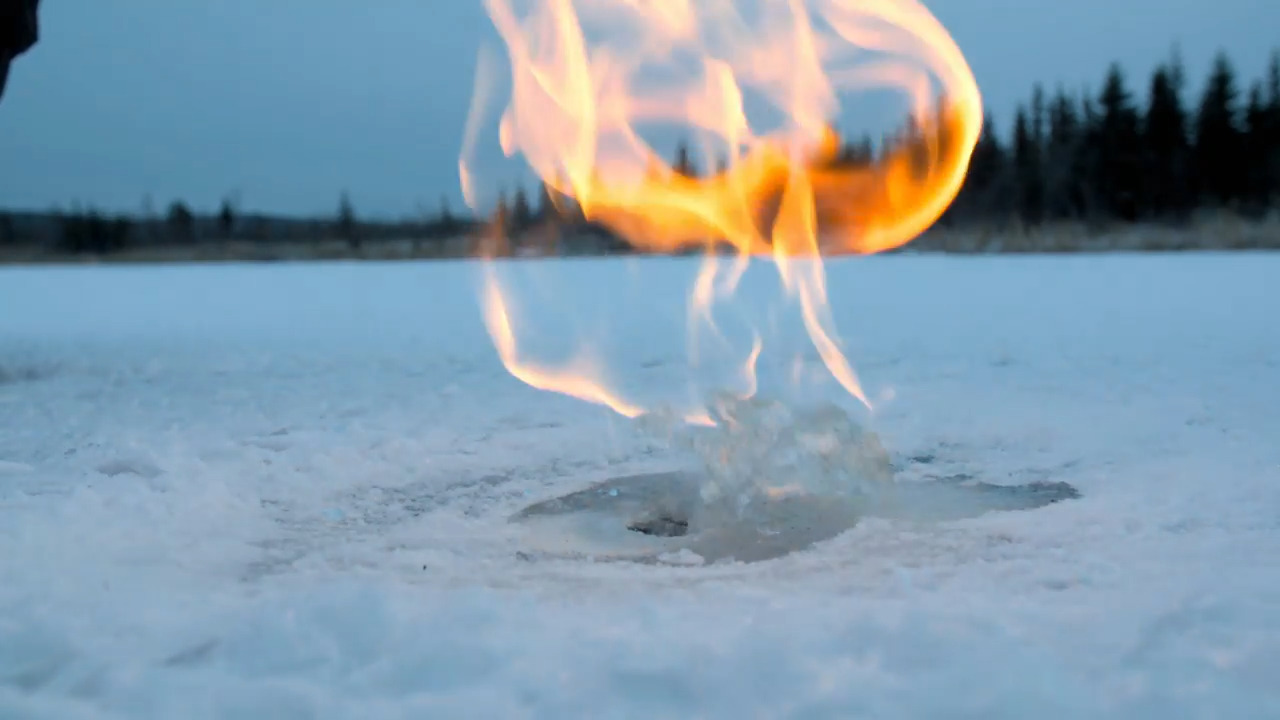
In Climate Change: Permafrost and Release of Methane and Carbon, discover the science behind permafrost and its crucial role in the global climate system. Permafrost, the frozen ground found primarily in the Arctic, has acted as a natural storage system for carbon and methane gases for thousands of years. These gases, which were once trapped beneath the surface, are released as the permafrost thaws due to rising global temperatures. This video is excerpted from BBC’s Climate Change - The Facts, a documentary that delves into the science of climate change and its far-reaching consequences.
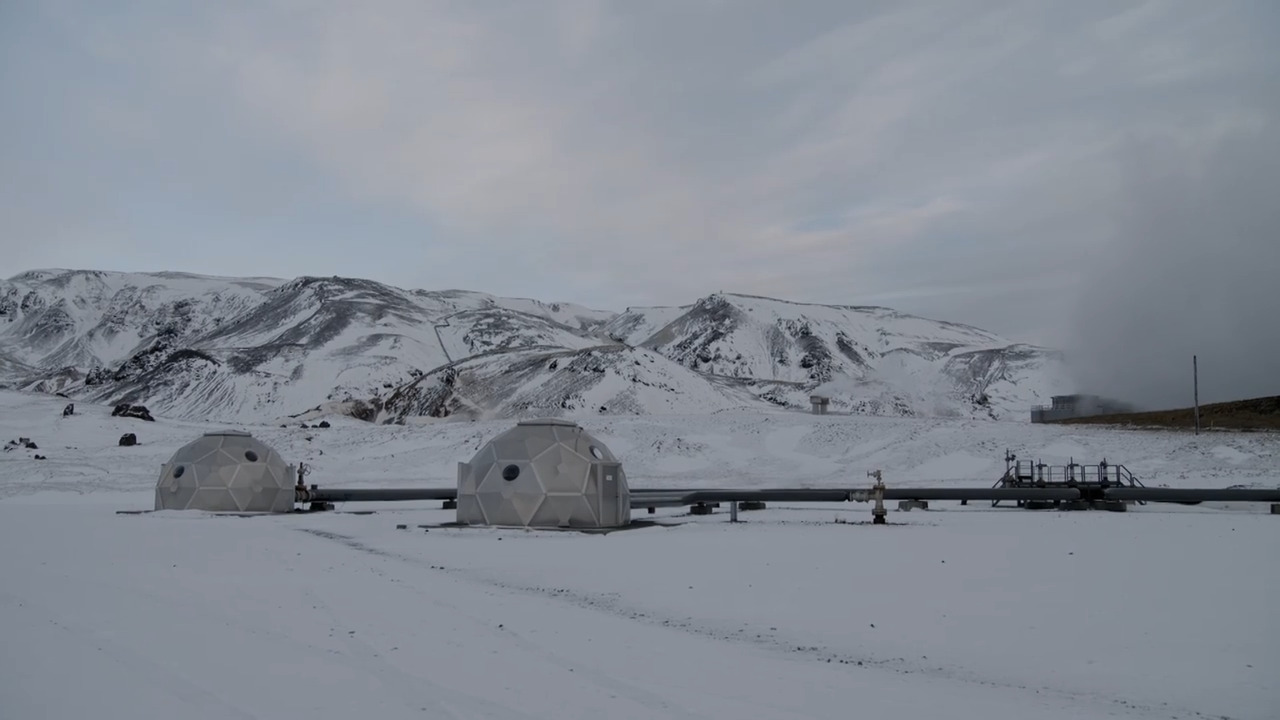
In How Iceland Is Addressing Climate Change, see how Iceland is home to one of the world’s first carbon collectors. This technology aims to reduce the amount of carbon in the atmosphere by capturing it and pumping it into the bedrock. This video is excerpted from BBC’s Climate Change - The Facts, a documentary that delves into the science of climate change and its far-reaching consequences.
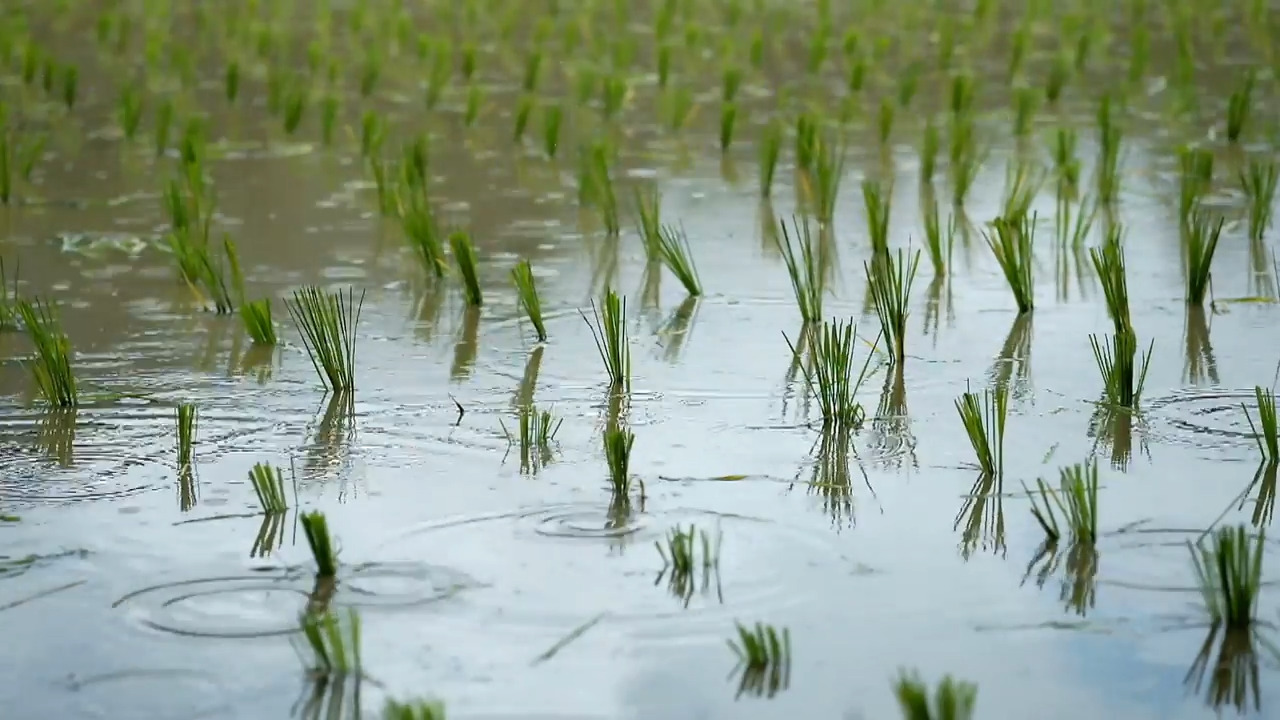
In Climate Change and the Production of Rice, see how increasing global temperatures have contributed to climate change, which has been detrimental to agriculture, particularly rice production. Billions of people rely on rice as a primary food and source of income, but it is increasingly threatened by crop failure, unpredictable weather events, and a decrease in its nutritional value. This video is excerpted from BBC’s Climate Change - The Facts, a documentary that delves into the science of climate change and its far-reaching consequences.
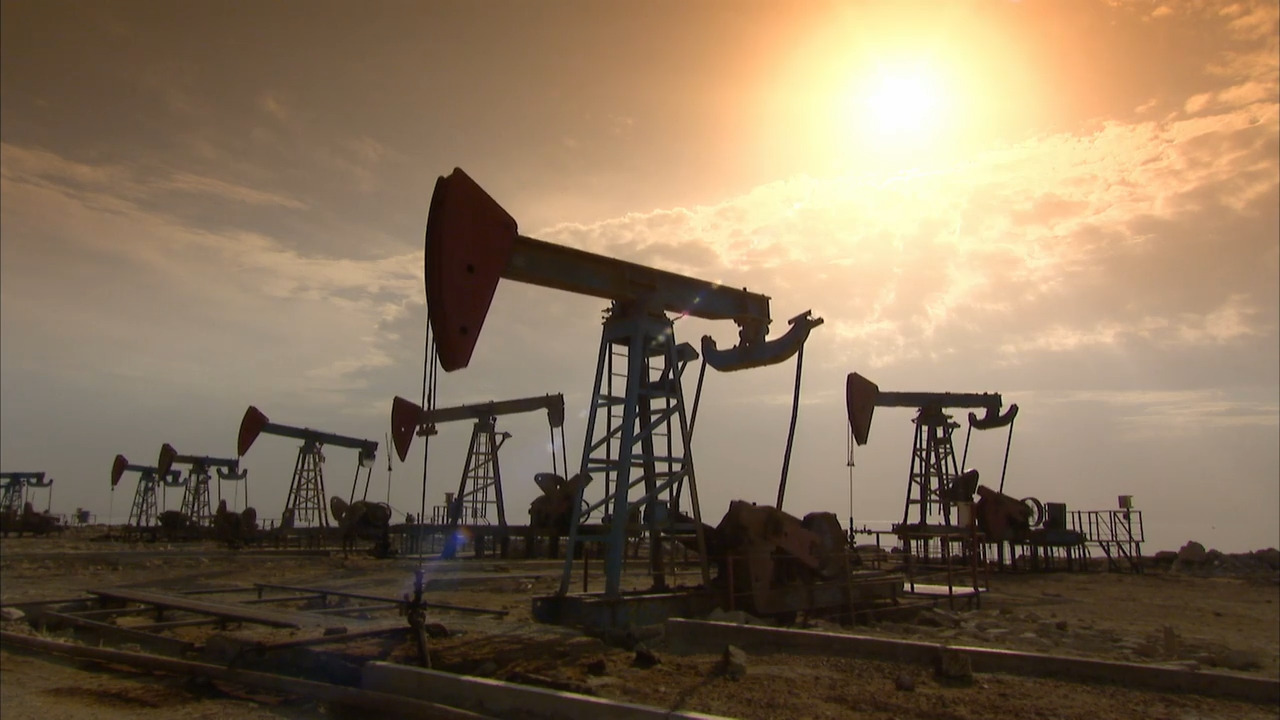
In Climate Change in Politics and Injustice, learn about the political, technological, and financial barriers to effectively addressing climate change. For decades, scientists have been aware of the dangers posed by greenhouse gases, but the challenge of tackling climate change has been compounded by misinformation, political obstacles, and a lack of global action. This video is excerpted from BBC’s Climate Change - The Facts, a documentary that delves into the science of climate change and its far-reaching consequences.
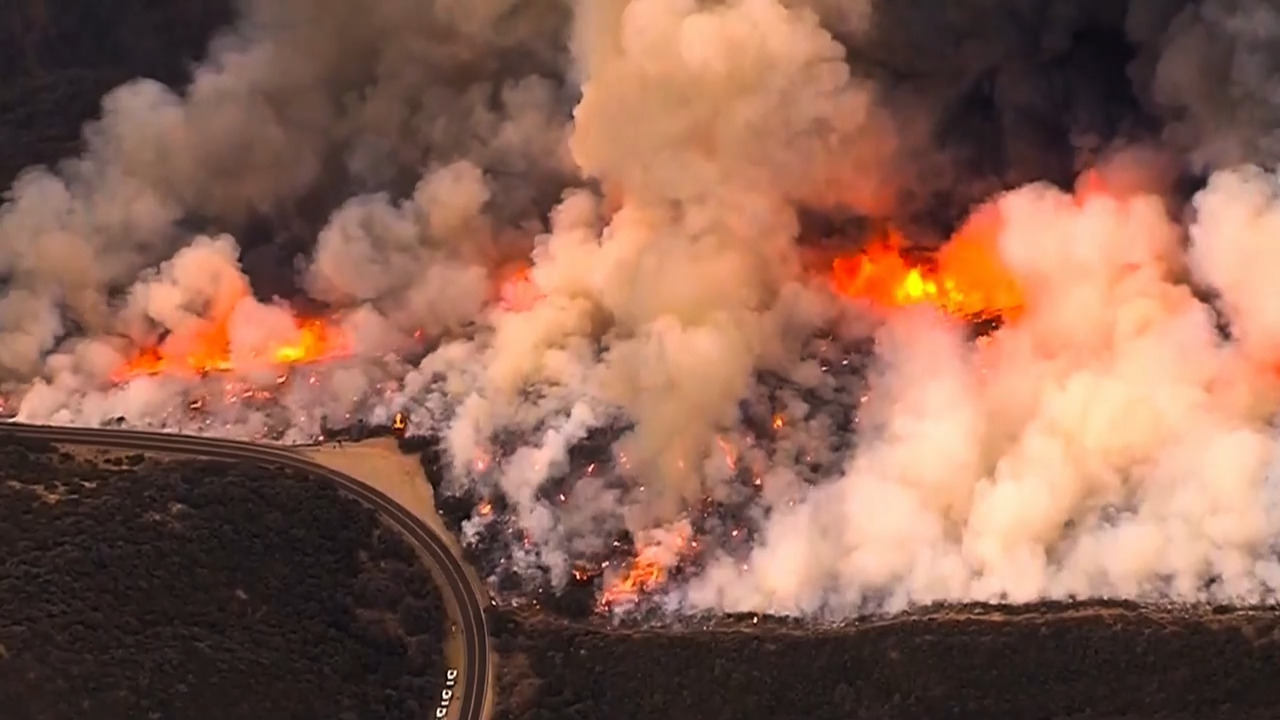
In Climate Change Wildfires and a Change in Weather, a father and son share their harrowing experience of barely escaping a wildfire in Montana. The video highlights the increasing frequency of extreme weather events, such as heat waves, rainstorms, flooding, and storms, driven by climate change. This video is excerpted from BBC’s Climate Change - The Facts, a documentary that delves into the science of climate change and its far-reaching consequences.
War. Climate change. Gender inequality. Our students are inheriting a world with problems. But knowledge is power.
In Climate Change and the Impact of Wildfires, learn how climate change has made the possibility of wildfires more likely and more widespread. Now wildfires are happening around the world, including in colder countries. Wildfires in the western United States have become particularly devastating and dangerous for the people who live there. This video is excerpted from BBC’s Climate Change - The Facts, a documentary that delves into the science of climate change and its far-reaching consequences.
In Retreating Ice and Glacial Change, geologist Iain Stewart explains that the Columbia glacier in Alaska is moving quickly; it has retreated almost 9 miles (14 kilometers) since 1980. But this glacier is not the only one that is melting and changing as the planet warms. This video is excerpted from BBC’s Earth: The Power of the Planet, a documentary series in which Dr. Iain Stewart discovers how Earth's forces can shape nature, species, and even the climate.
In Climate Change and Polar Bears, learn how human impacts are causing Canada to warm faster than any country on Earth. Lack of sea ice is now causing major problems for polar bears, and they have had to find a new source of food — beluga whale calves. This video is excerpted from BBC’s Seven Worlds, One Planet, a series featuring remarkable animal behavior from all seven continents.
In Elephants Adapt to Climate Change, narrator Sir David Attenborough explains how elephants have adapted to drought in Africa. They have worked out a way of reaching acacia pods from the highest branches. This video is excerpted from BBC’s Seven Worlds, One Planet, a series featuring remarkable animal behavior from all seven continents.
In Climate Change and Its Effect on Species, discover the devastating impact of extreme heat in Australia on flying foxes. Thousands of these creatures died as a result of the intense heat waves caused by climate change. This phenomenon is a stark reminder of how rising temperatures are putting many species at risk of extinction. This video is excerpted from BBC’s Climate Change - The Facts, a documentary that delves into the science of climate change and its far-reaching consequences.
In Climate Change and Rising Sea Levels, learn how sea levels have risen by about 8 inches (20 cm) in the past 100 years, significantly affecting coastal communities. See the impacts on Isle de Jean Charles, Louisiana, where residents are being forced to relocate due to the rising waters. This video is excerpted from BBC’s Climate Change - The Facts, a documentary that delves into the science of climate change and its far-reaching consequences.
In Climate Change: Permafrost and Release of Methane and Carbon, discover the science behind permafrost and its crucial role in the global climate system. Permafrost, the frozen ground found primarily in the Arctic, has acted as a natural storage system for carbon and methane gases for thousands of years. These gases, which were once trapped beneath the surface, are released as the permafrost thaws due to rising global temperatures. This video is excerpted from BBC’s Climate Change - The Facts, a documentary that delves into the science of climate change and its far-reaching consequences.
In How Iceland Is Addressing Climate Change, see how Iceland is home to one of the world’s first carbon collectors. This technology aims to reduce the amount of carbon in the atmosphere by capturing it and pumping it into the bedrock. This video is excerpted from BBC’s Climate Change - The Facts, a documentary that delves into the science of climate change and its far-reaching consequences.
In Climate Change and the Production of Rice, see how increasing global temperatures have contributed to climate change, which has been detrimental to agriculture, particularly rice production. Billions of people rely on rice as a primary food and source of income, but it is increasingly threatened by crop failure, unpredictable weather events, and a decrease in its nutritional value. This video is excerpted from BBC’s Climate Change - The Facts, a documentary that delves into the science of climate change and its far-reaching consequences.
In Climate Change in Politics and Injustice, learn about the political, technological, and financial barriers to effectively addressing climate change. For decades, scientists have been aware of the dangers posed by greenhouse gases, but the challenge of tackling climate change has been compounded by misinformation, political obstacles, and a lack of global action. This video is excerpted from BBC’s Climate Change - The Facts, a documentary that delves into the science of climate change and its far-reaching consequences.
In Climate Change Wildfires and a Change in Weather, a father and son share their harrowing experience of barely escaping a wildfire in Montana. The video highlights the increasing frequency of extreme weather events, such as heat waves, rainstorms, flooding, and storms, driven by climate change. This video is excerpted from BBC’s Climate Change - The Facts, a documentary that delves into the science of climate change and its far-reaching consequences.