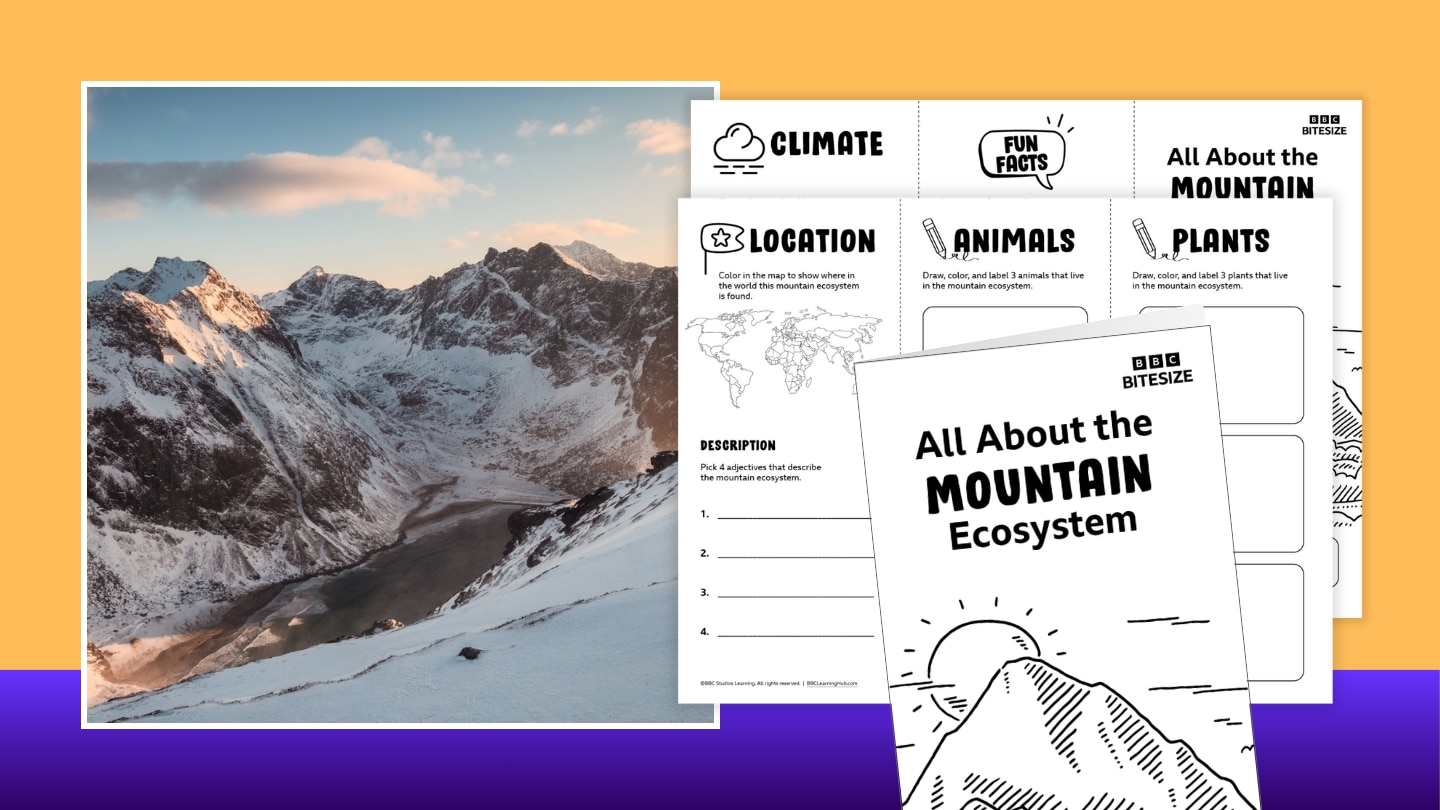
Take your students on a climb through the mountain ecosystem! From the towering Himalayas to the snowy Rockies, mountain ecosystems change as you climb, starting with green forests down low and ending with bare, windswept summits at the top.
✨ Perfect for grades 3–8, here’s what you need to bring ecosystems to life:
- Iconic BBC Videos: Share the clips on this page to introduce the location, plants, animals, and climate of the mountains. (Don't miss the grizzlies and snow leopards!) Brought to you by world-class BBC programs like Planet Earth.
- Free Printable: Use the Mountain Brochure Template to help students pull it all together in an ecosystem report with facts they’ve learned (and a little extra research).
It’s everything you need to make ecosystems easy to teach and truly memorable for your students.
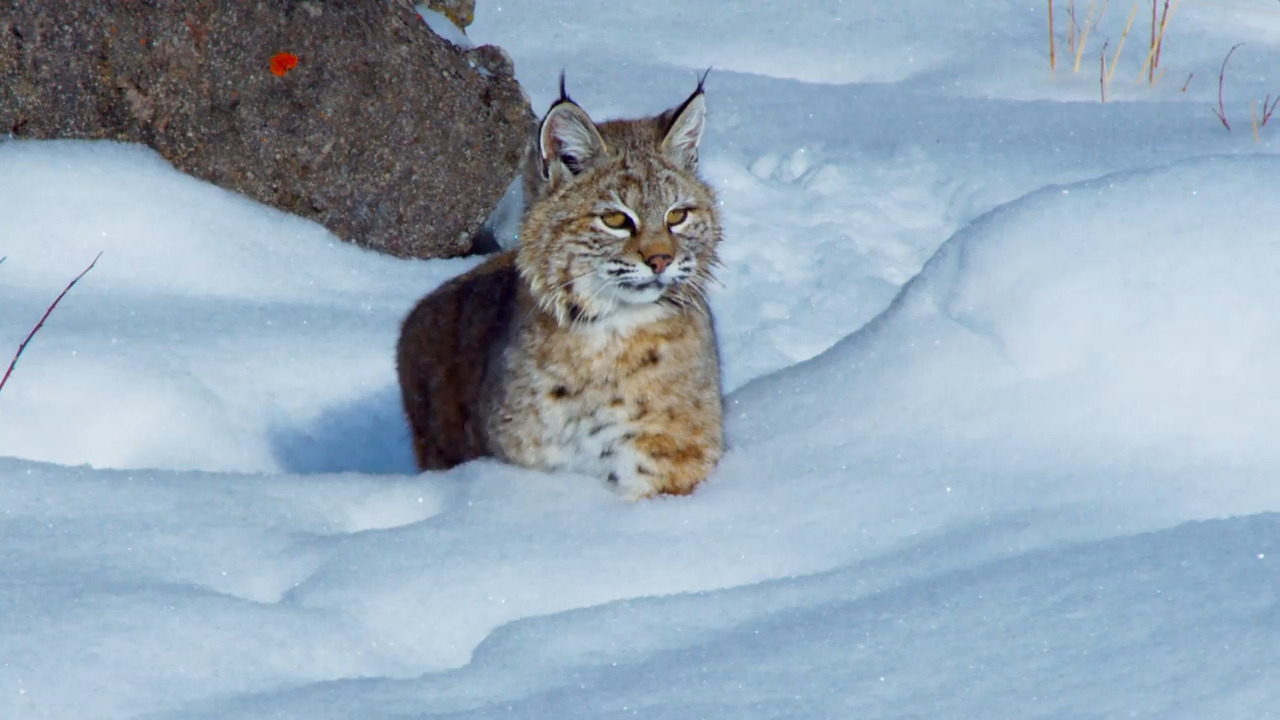
In The Bobcat in the Rockies, narrator Sir David Attenborough explores the extreme cold and snow-covered ground of winter in the Rocky Mountains. He follows a bobcat as it hunts a mouse in the snow. A nearby valley teems with life, thanks to a river fed by a volcanic hot spring. The bobcat hunts ducks in the river and then succeeds in killing a squirrel in a tree. This video is excerpted from BBC’s Planet Earth II, a breathtaking documentary series that highlights the natural wonders of our planet.
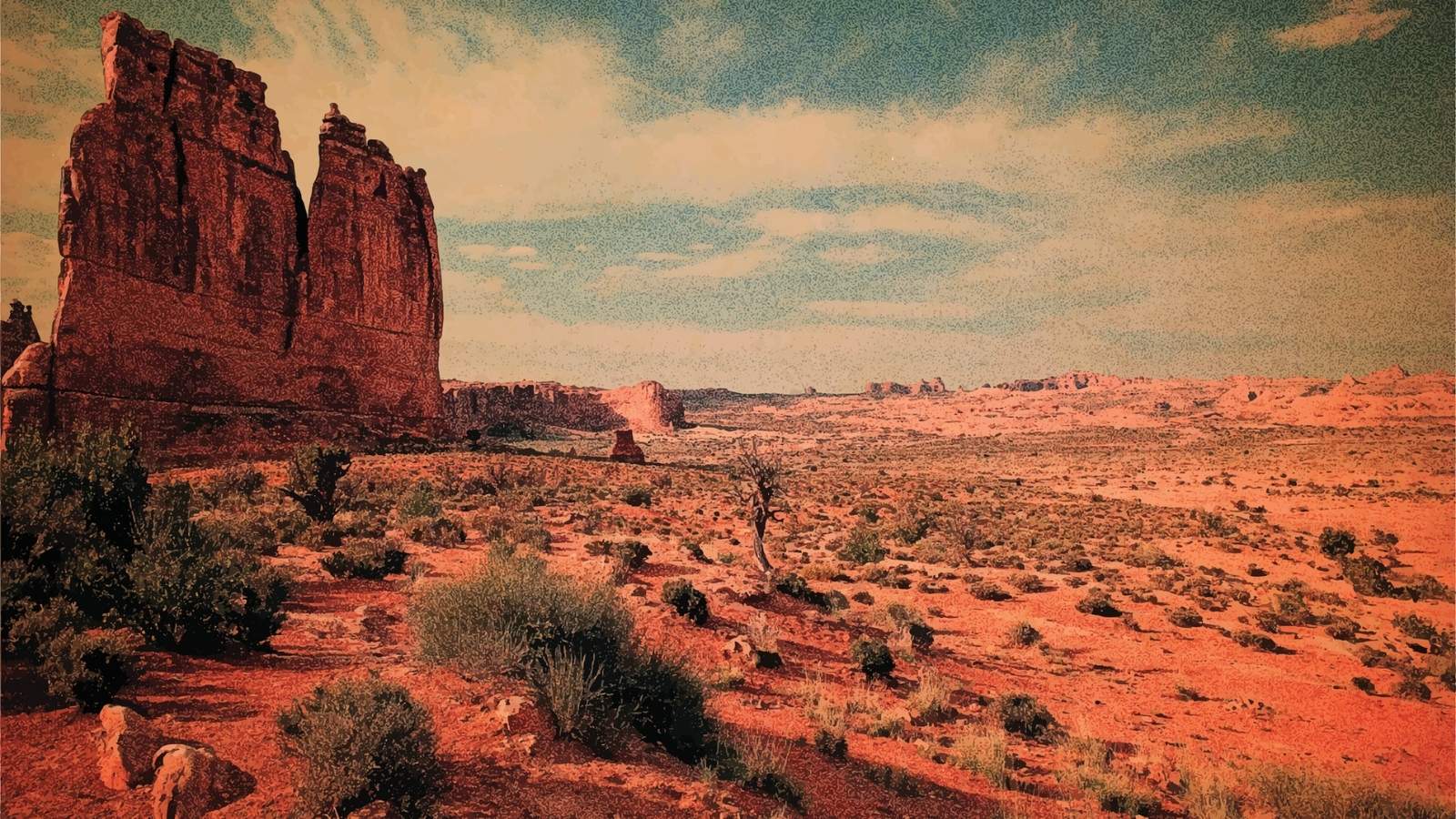
From the iconic Red Rock formations of Arches National Park in Utah and the majestic peaks of the Rocky Mountains, to the unique wetlands of the Everglades, journey through incredible landscapes. Encounter amazing animals like grizzly bears and bobcats, learn about the vital work of protecting ancient redwood forests, and discover how climate change is reshaping these precious wild spaces.
Mountains push life to its limits — thin air, brutal cold, steep terrain. From the Himalayas to the Rockies, the plants and animals that survive here have had to adapt in some pretty extreme ways.
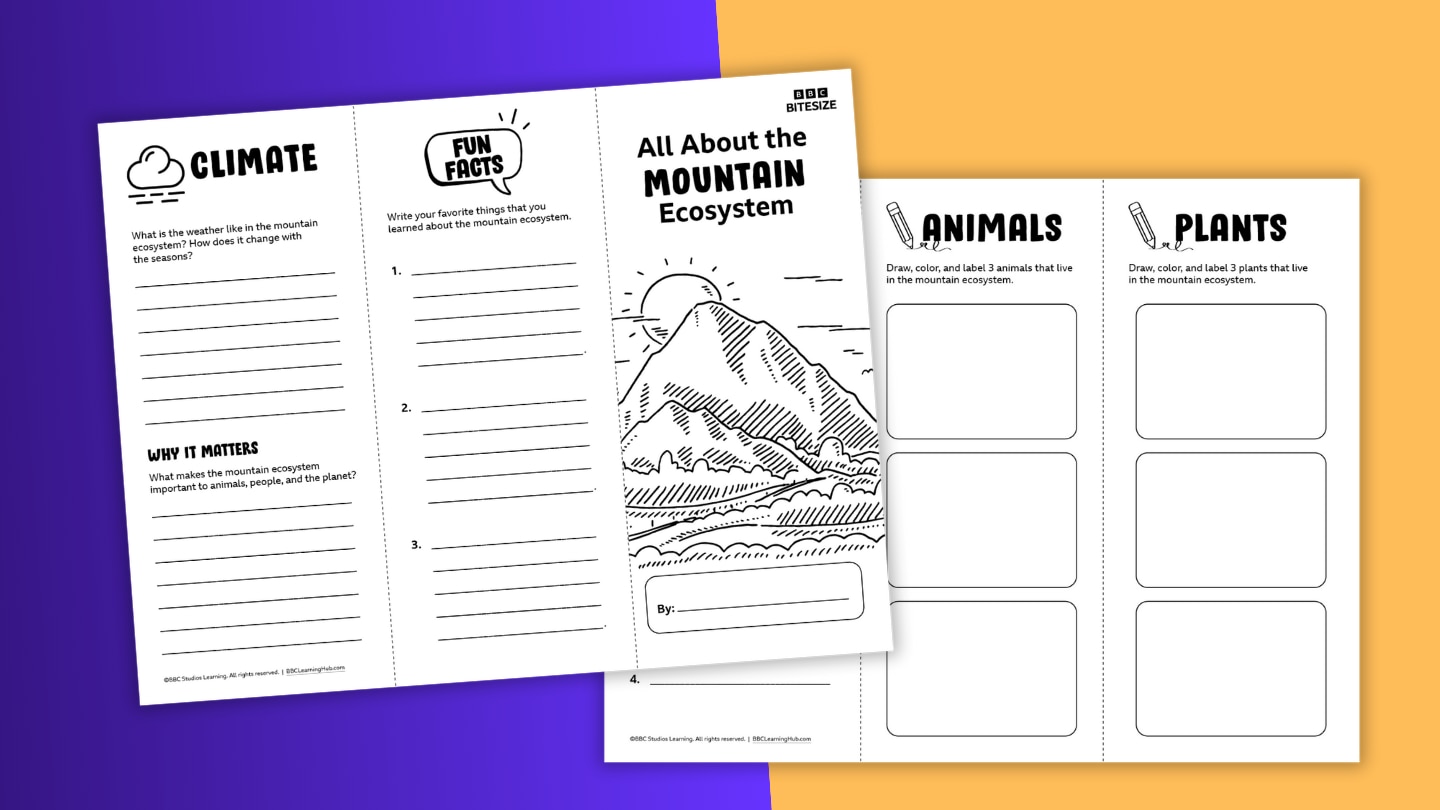
After watching mountain ecosystem videos, have students dig deeper with their own research and build a brochure covering:
- Location of the ecosystem on a world map
- Adjectives that describe the ecosystem
- Three animals that live there
- Three plants that grow there
- The climate
- Why the ecosystem matters
- Their favorite fun facts
Students summarize in their own words, which means they're practicing a real skill: pulling information from multiple sources and deciding what's worth keeping.
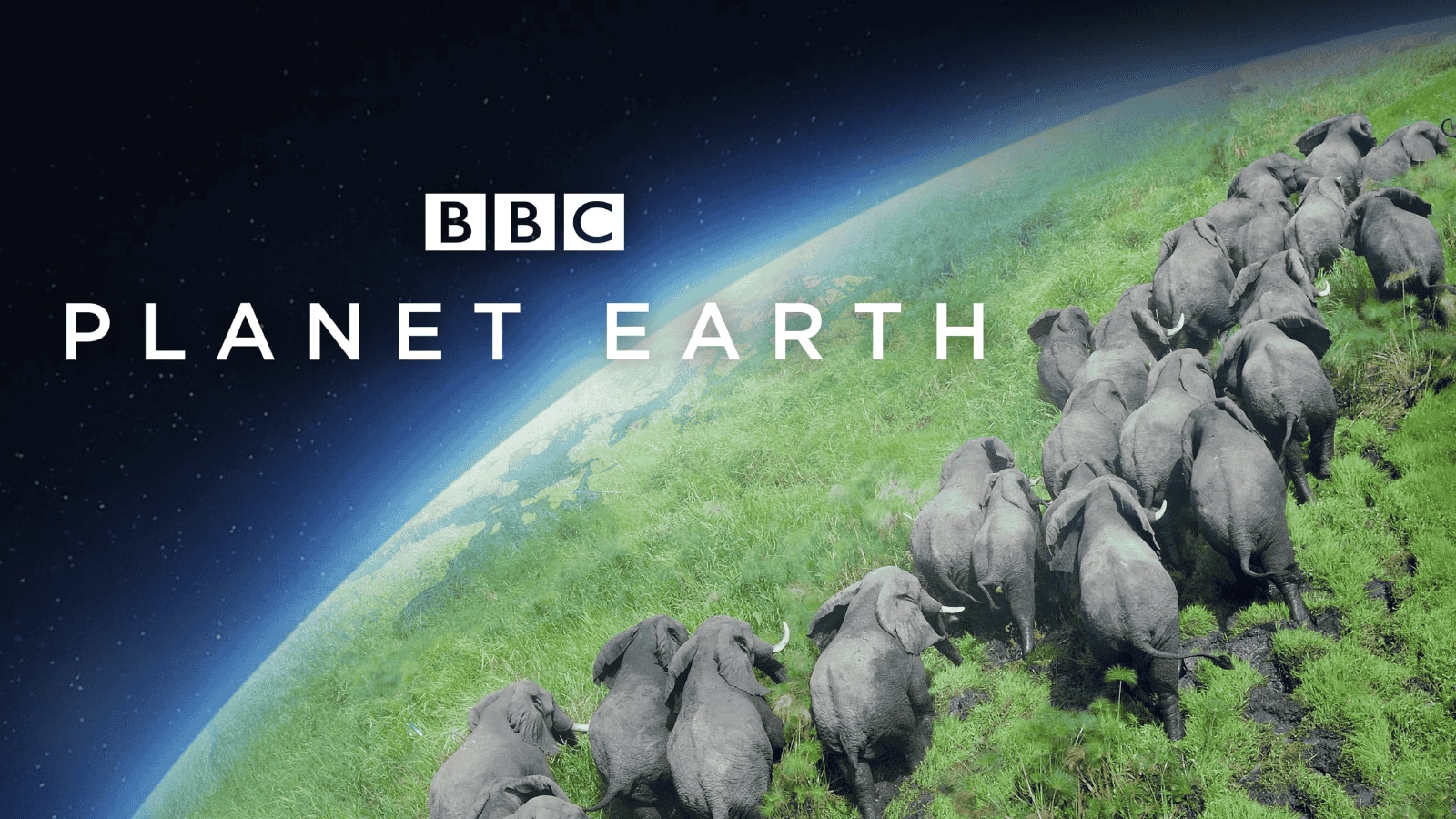
March 5, 2026, marks the 20th anniversary of premiere of BBC's Planet Earth (and it's just in time for Earth Day on April 22, too!). The breathtaking and award-winning documentary series, narrated by none other than Sir David Attenborough, highlights the natural wonders of our planet. In honor of this momentous occasion, we've put together some of the most popular clips from this beloved natural history show for students ages 8–14.
Get up close and personal with hydroplaning dolphins. Witness an iguana hatchling's terrifying race to survive, pursued by racer snakes. Watch the first steps of two polar bear cubs emerging from hibernation. More of the real-life magic of our blue marble awaits in this video playlist, part of our Planet Earth Collection. Grab your Planet Earth Passport and start exploring!
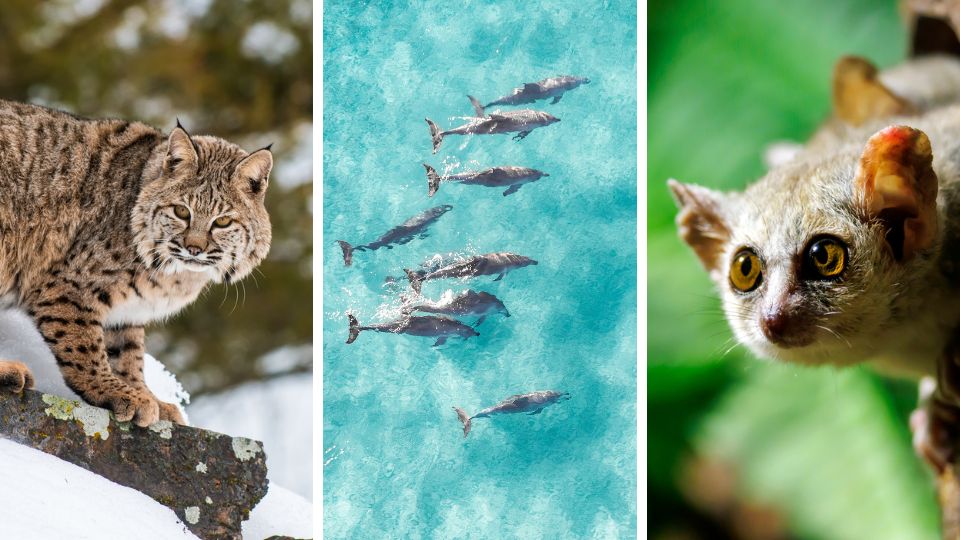
20 years ago, audiences around the world were introduced to the breathtaking beauty of our planet through BBC's Planet Earth. Narrated by the legendary naturalist Sir David Attenborough, the documentary series brought viewers face-to-face with creatures from every corner of the globe.
Now, as we celebrate the 20th anniversary of this unforgettable show, it’s time to test your knowledge! Do you remember how animals survive in the harshest environments? Or the surprising tricks they use to hunt and protect their young? Try this quiz with your students ages 8–14.
Take your students on a climb through the mountain ecosystem! From the towering Himalayas to the snowy Rockies, mountain ecosystems change as you climb, starting with green forests down low and ending with bare, windswept summits at the top.
✨ Perfect for grades 3–8, here’s what you need to bring ecosystems to life:
- Iconic BBC Videos: Share the clips on this page to introduce the location, plants, animals, and climate of the mountains. (Don't miss the grizzlies and snow leopards!) Brought to you by world-class BBC programs like Planet Earth.
- Free Printable: Use the Mountain Brochure Template to help students pull it all together in an ecosystem report with facts they’ve learned (and a little extra research).
It’s everything you need to make ecosystems easy to teach and truly memorable for your students.
In The Bobcat in the Rockies, narrator Sir David Attenborough explores the extreme cold and snow-covered ground of winter in the Rocky Mountains. He follows a bobcat as it hunts a mouse in the snow. A nearby valley teems with life, thanks to a river fed by a volcanic hot spring. The bobcat hunts ducks in the river and then succeeds in killing a squirrel in a tree. This video is excerpted from BBC’s Planet Earth II, a breathtaking documentary series that highlights the natural wonders of our planet.
From the iconic Red Rock formations of Arches National Park in Utah and the majestic peaks of the Rocky Mountains, to the unique wetlands of the Everglades, journey through incredible landscapes. Encounter amazing animals like grizzly bears and bobcats, learn about the vital work of protecting ancient redwood forests, and discover how climate change is reshaping these precious wild spaces.
Mountains push life to its limits — thin air, brutal cold, steep terrain. From the Himalayas to the Rockies, the plants and animals that survive here have had to adapt in some pretty extreme ways.
After watching mountain ecosystem videos, have students dig deeper with their own research and build a brochure covering:
- Location of the ecosystem on a world map
- Adjectives that describe the ecosystem
- Three animals that live there
- Three plants that grow there
- The climate
- Why the ecosystem matters
- Their favorite fun facts
Students summarize in their own words, which means they're practicing a real skill: pulling information from multiple sources and deciding what's worth keeping.
March 5, 2026, marks the 20th anniversary of premiere of BBC's Planet Earth (and it's just in time for Earth Day on April 22, too!). The breathtaking and award-winning documentary series, narrated by none other than Sir David Attenborough, highlights the natural wonders of our planet. In honor of this momentous occasion, we've put together some of the most popular clips from this beloved natural history show for students ages 8–14.
Get up close and personal with hydroplaning dolphins. Witness an iguana hatchling's terrifying race to survive, pursued by racer snakes. Watch the first steps of two polar bear cubs emerging from hibernation. More of the real-life magic of our blue marble awaits in this video playlist, part of our Planet Earth Collection. Grab your Planet Earth Passport and start exploring!
20 years ago, audiences around the world were introduced to the breathtaking beauty of our planet through BBC's Planet Earth. Narrated by the legendary naturalist Sir David Attenborough, the documentary series brought viewers face-to-face with creatures from every corner of the globe.
Now, as we celebrate the 20th anniversary of this unforgettable show, it’s time to test your knowledge! Do you remember how animals survive in the harshest environments? Or the surprising tricks they use to hunt and protect their young? Try this quiz with your students ages 8–14.