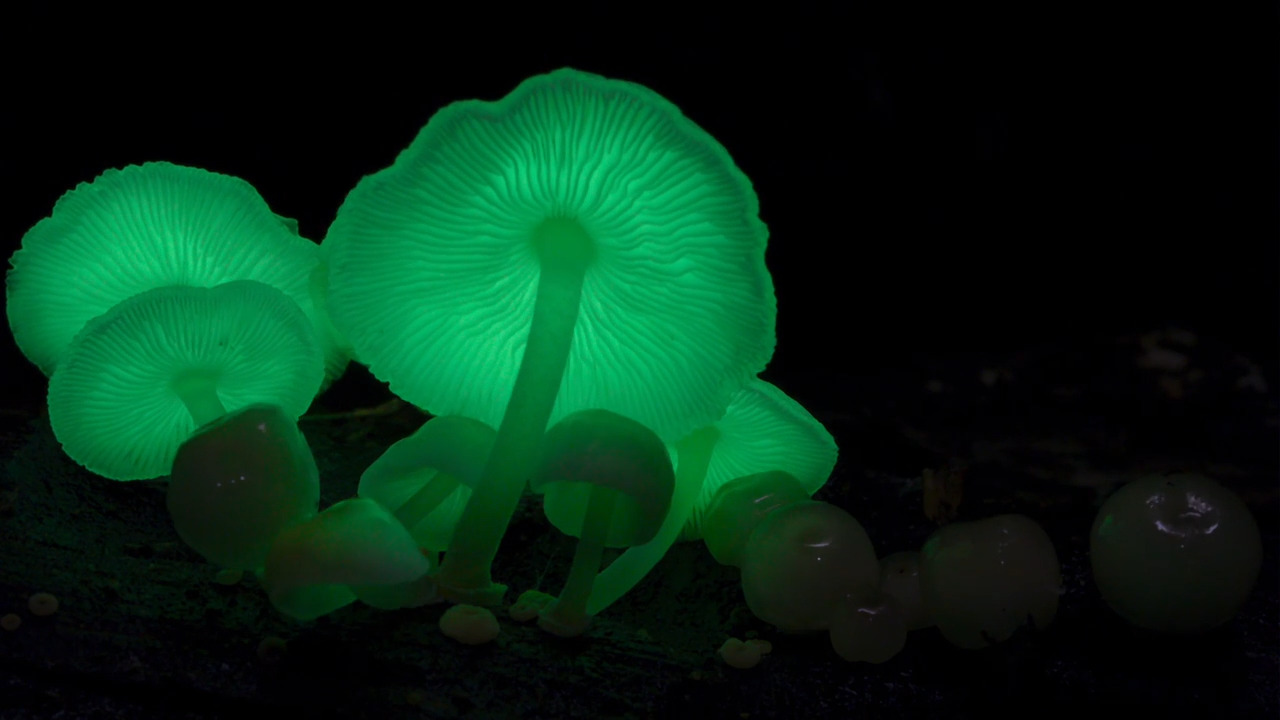
In Bioluminescence and Jungle Predators, narrator Sir David Attenborough explores the fascinating world of bioluminescence in the jungle. The video showcases how glowing fungi lure insects and how the railroad worm uses its colorful glow to hunt in the dark. This video is excerpted from BBC’s Planet Earth II, a breathtaking documentary series that highlights the natural wonders of our planet.
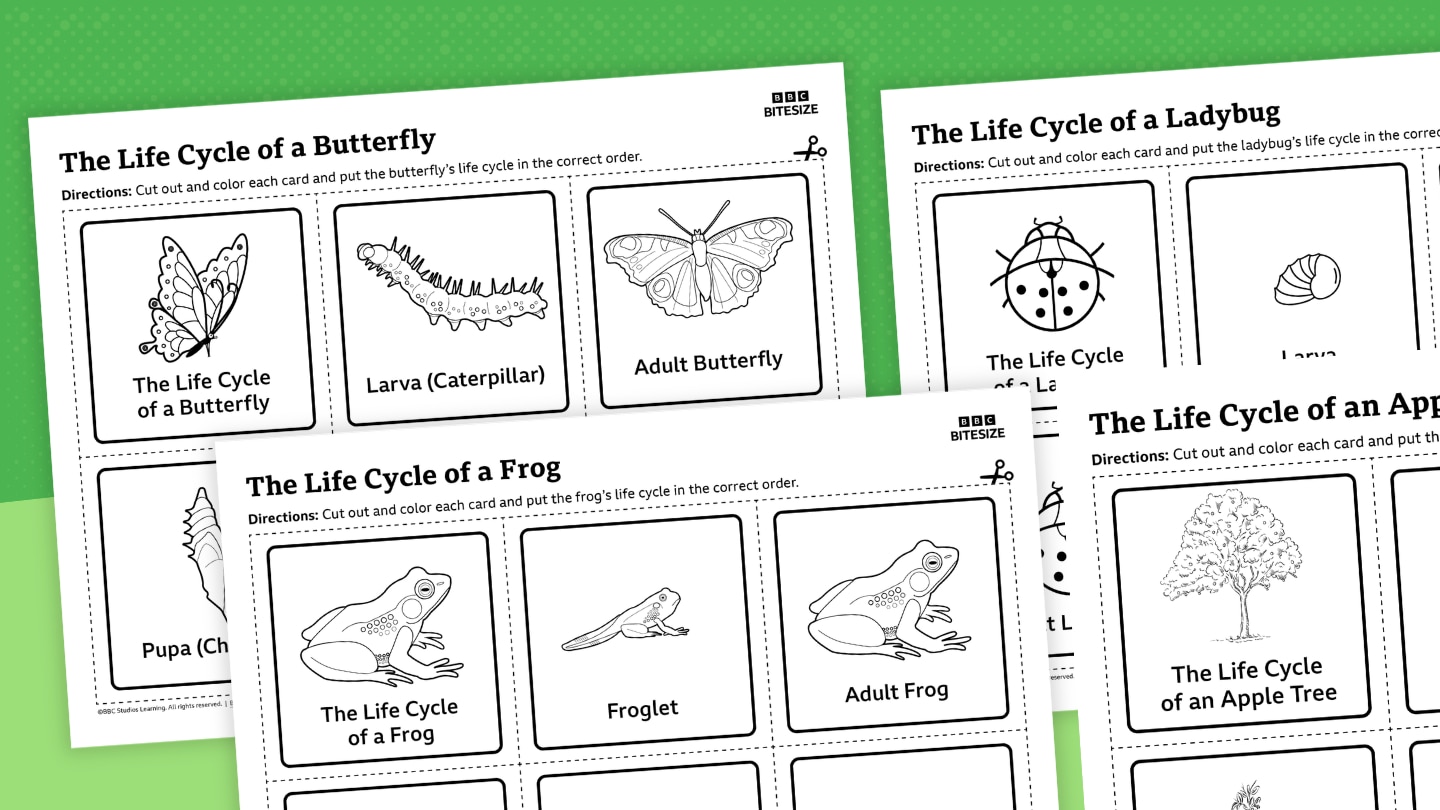
Invite your students to explore the life cycles of common organisms with these life cycle sequencing cards. The cards cover the bean plant, butterfly, birch tree, apple tree, honeybee, ladybug, and frog. They come already mixed up, so kids can color, cut, and put them in order. Use as an introductory task, check for understanding, center activity, or study guide!
As you introduce life cycles, focus on key concepts such as stages of growth, changes in form and function, and the idea that all living things follow a pattern from beginning to end. Encourage students to ask questions, make predictions, and notice patterns across plants and animals.
Teaching life cycles in elementary school is not only standards-based, it's also a great way to help students understand how living things grow and change over time. At this level, students are ready to explore clear, observable stages — like seed to plant or egg to adult—and begin comparing similarities and differences across species.
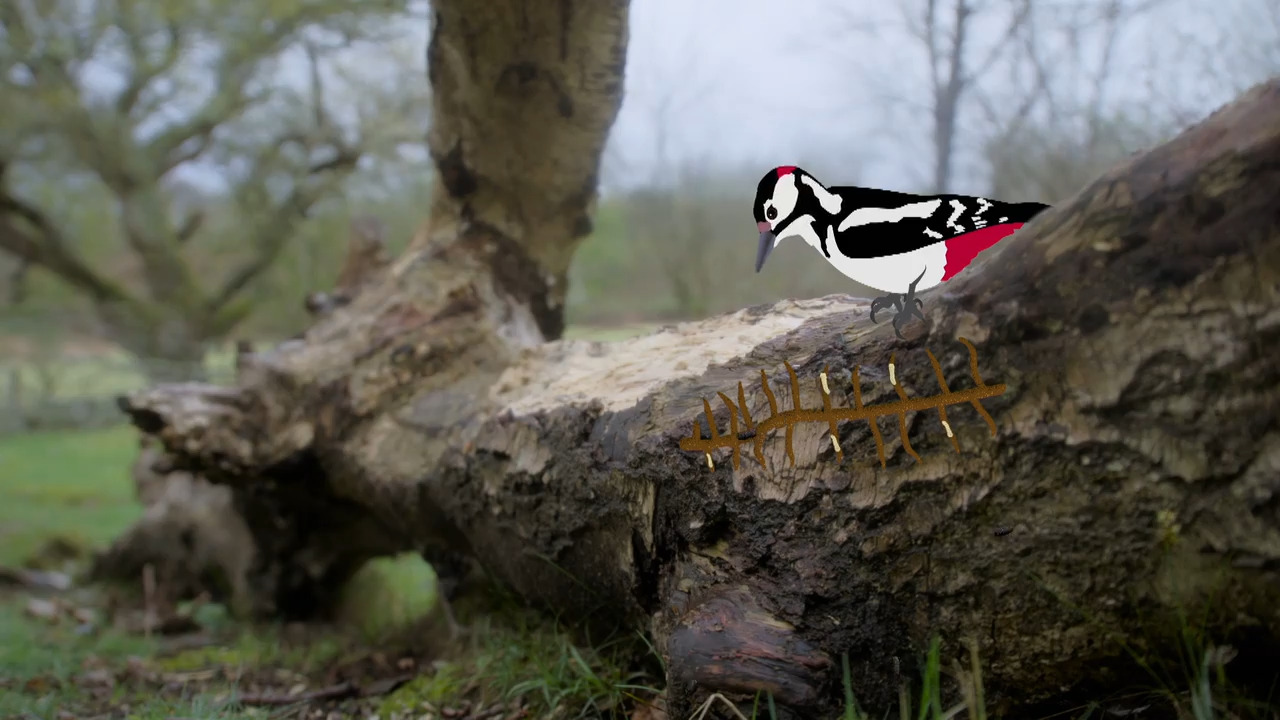
In Woodpeckers and Nuthatches, Woodland Architects, Ranger Hamza and the Ramblers are on a quest to find woodpeckers. Come along to learn about how woodpeckers use their beaks and tongues to find food. This video is excerpted from BBC's Ranger Hamza’s Eco Quest, a nature exploration show in which Ranger Hamza and the Ramblers go on quests to discover nature’s wonders and the important role they play in our environment.
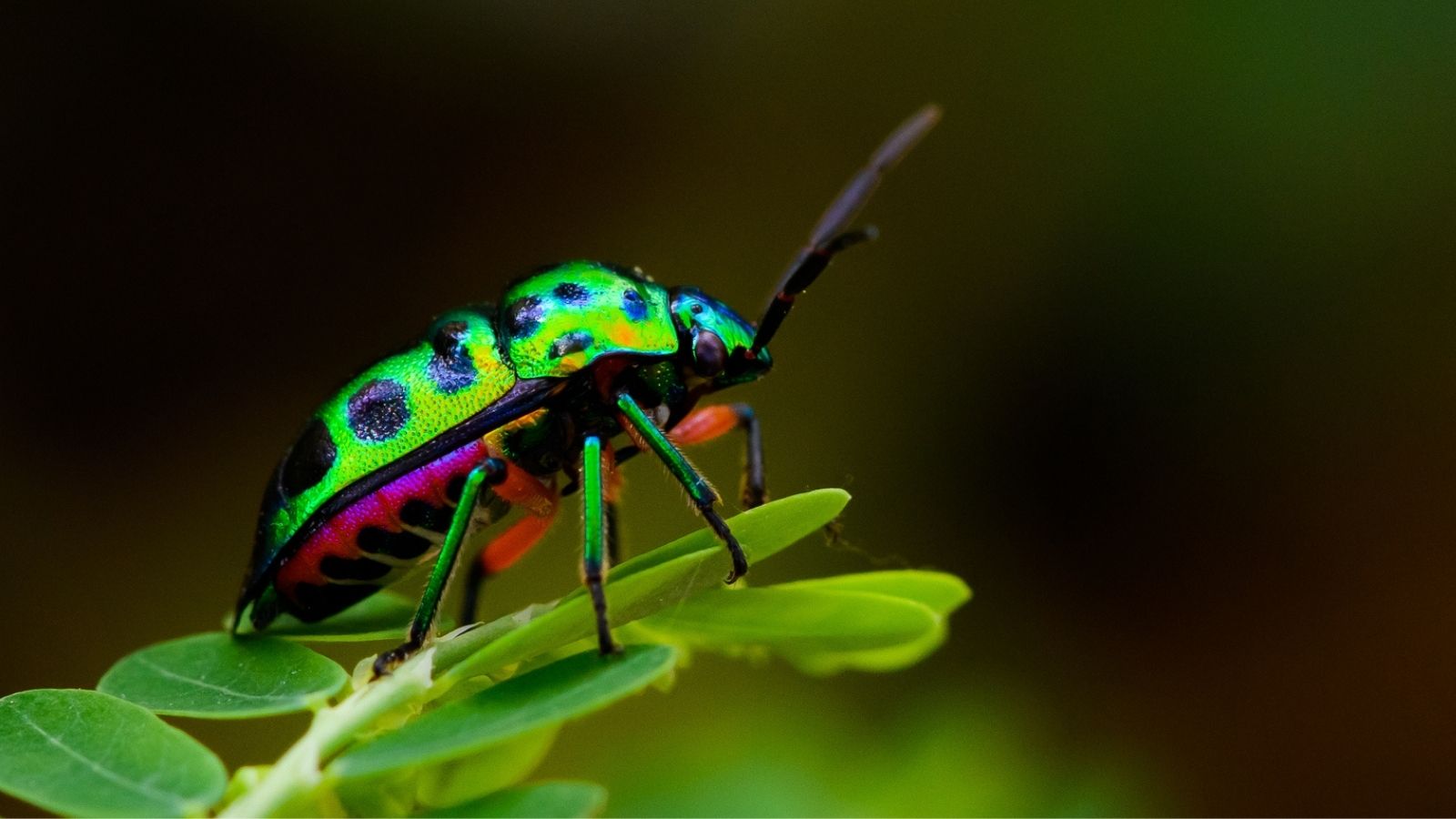
Discover the amazing hunting techniques of cave glow worms, witness the transformation of lake fly midges, and delve into the mysteries of bioluminescence in the jungle night. Prepare for a close-up look at the miniature marvels all around us!
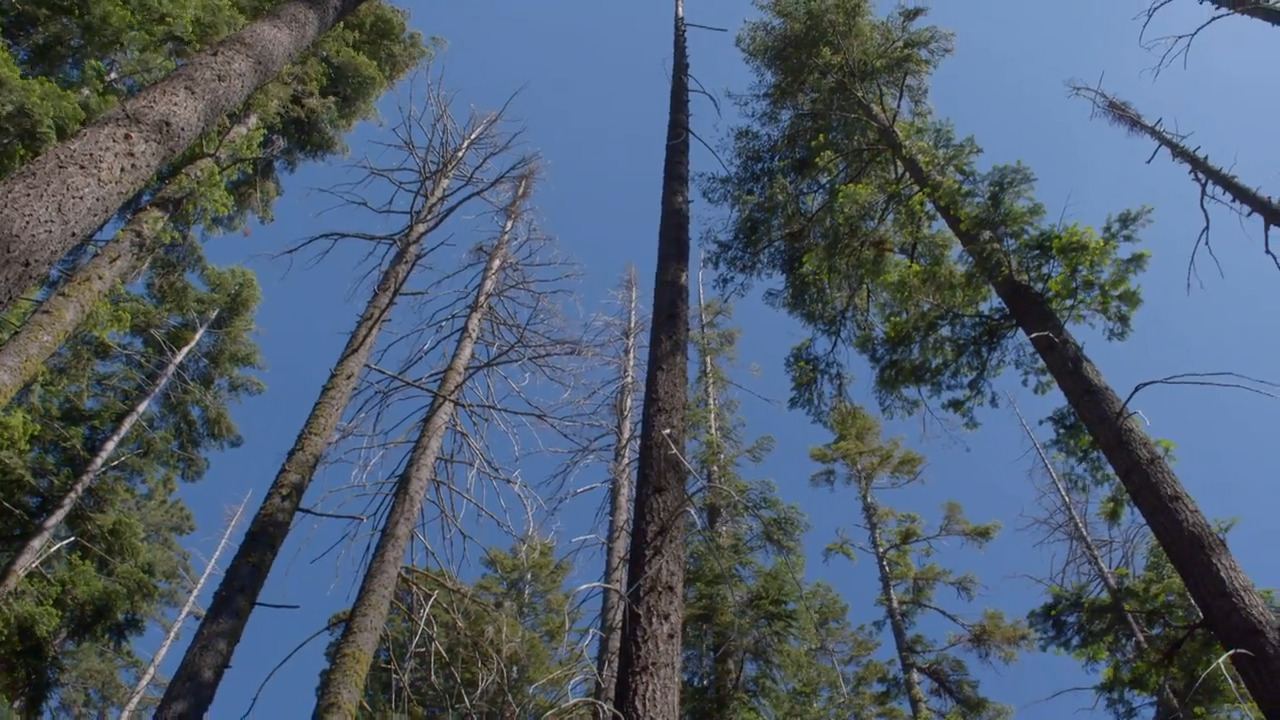
In All About the California Conservation Corps, host Simon Reeve heads deep into the forests of California to discover the work of the California Conservation Corps. In the Sierra Nevada Mountains, he discovers the urgent need to cut down millions of dead trees — killed by drought, climate change and bark beetles — before they fuel wildfires. Alongside his guide, he hears how this work has not only helped to save forests but also changed lives. This video is excerpted from BBC’s The Americas With Simon Reeve, in which Simon Reeve explores the landscapes, cultures, and wildlife of North and South America.
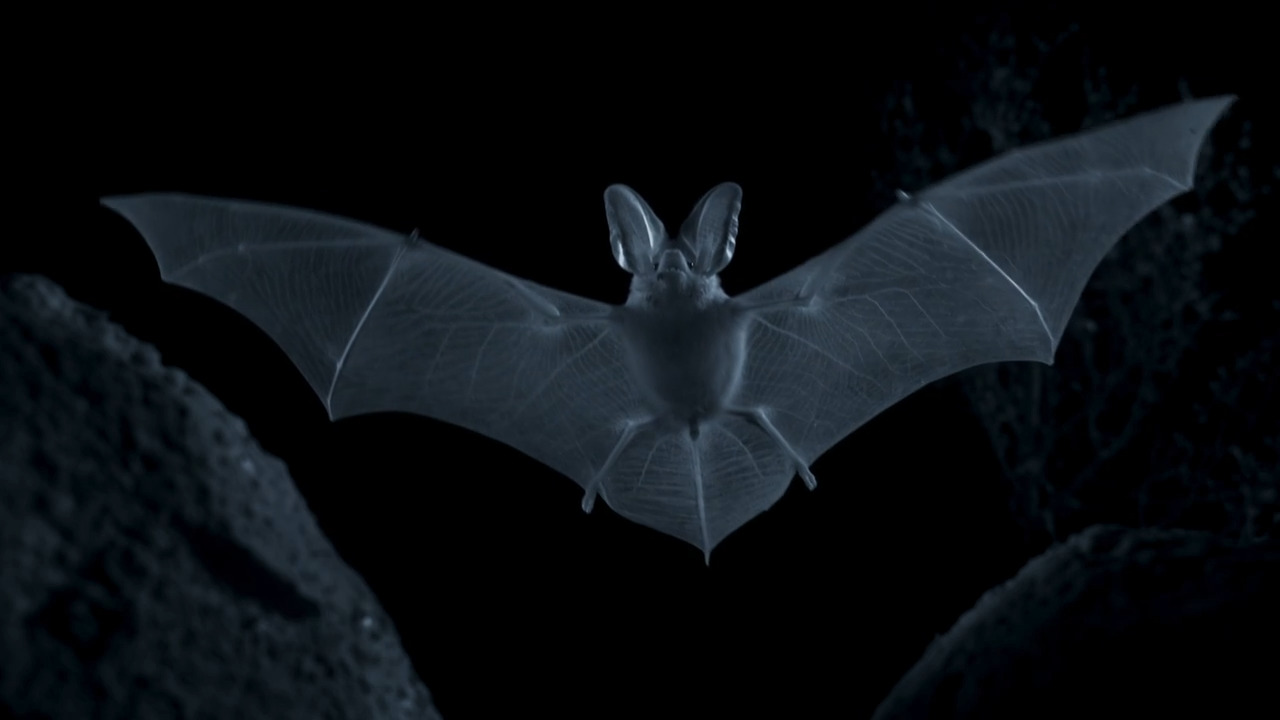
In Life in the Extreme Heat, narrator Sir David Attenborough describes how animals like the golden mole, desert long-eared bat, and darkling beetle have adapted to survive life in the desert. From clever ways to gather water to unique hunting techniques, these creatures demonstrate the incredible resilience of life in the Namib and Negev deserts. This video is excerpted from BBC’s Planet Earth II, a breathtaking documentary series that highlights the natural wonders of our planet.
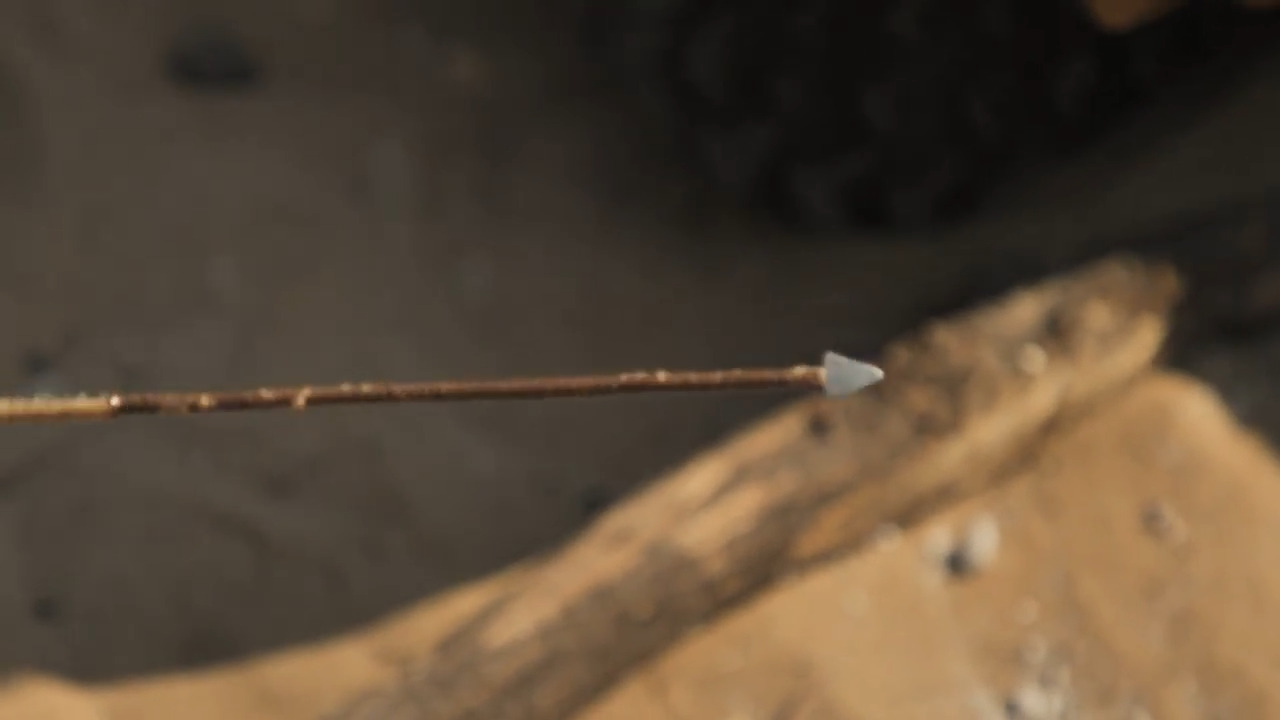
In Hunting With the Masters: The Art of Survival in Deniui, host Simon Reeve visits a remote village in Deniui, Namibia, where some of the world’s last expert wildlife hunters live. The locals welcome Simon and teach him survival skills, like digging deep into the sand to find poisonous beetle larvae. He watches as they craft toxic darts for hunting, a skill passed down to young men as a vital part of providing for their families. This video is excerpted from BBC’s Wilderness With Simon Reeve, an epic adventure into the heart of Earth’s last great wild areas, where nature is at its most beautiful and fragile.
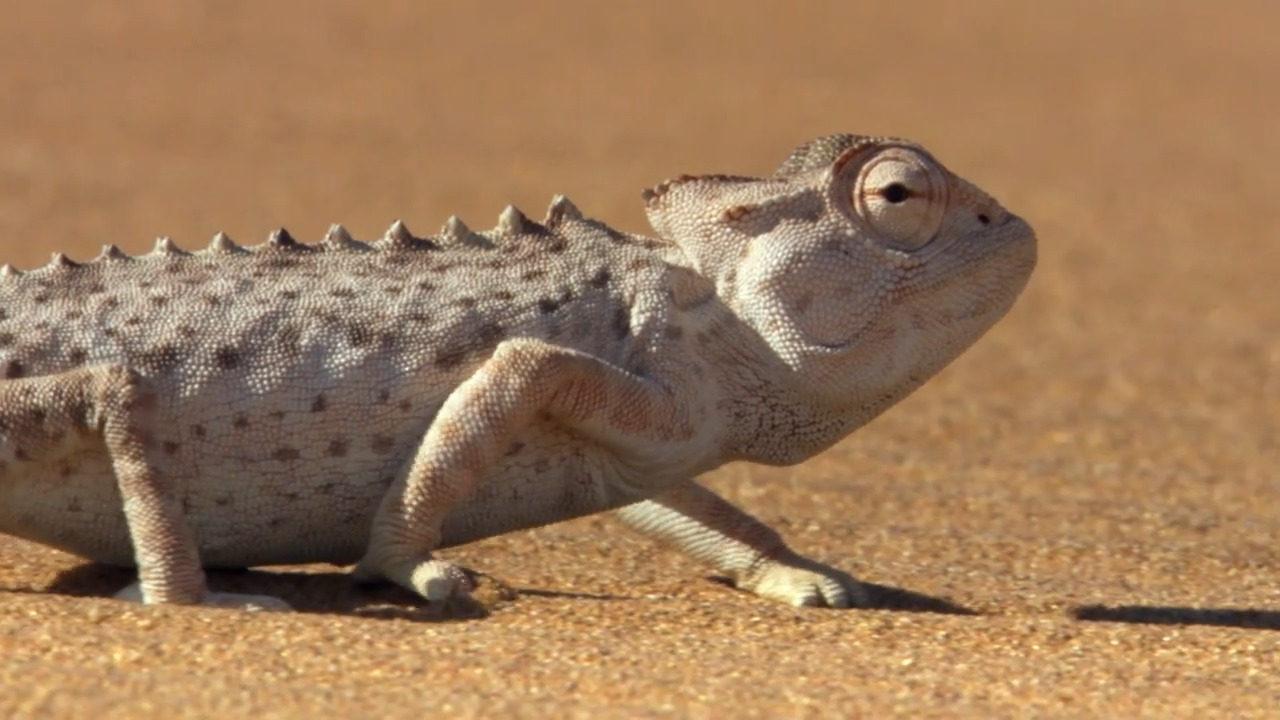
In The Life of a Namaqua Chameleon, narrator Sir David Attenborough follows a determined Namaqua chameleon as it leaves tiny footprints in the sand as it treks along the desert. Its hunt for food is a game of patience — waiting for beetles to seek shade before striking with its lightning-fast tongue. Life here is tough, and even finding a mate comes with challenges, but this remarkable chameleon shows how to thrive in one of the harshest places on Earth. This video is excerpted from BBC's Life, a show that explores the remarkable strategies animals and plants use to ensure their survival.
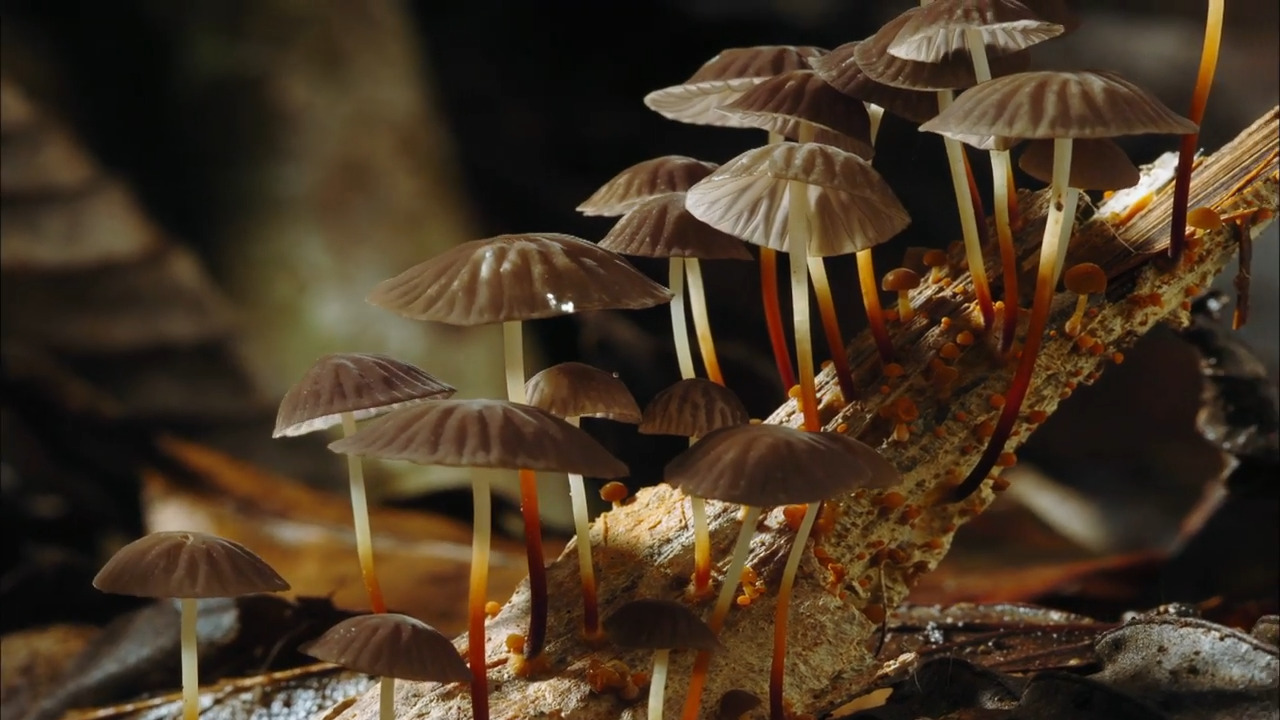
In Watch a Life Built on Decay in the Rainforests, narrator Sir David Attenborough notes that the nutrient recycling rate in rainforests happens faster than anywhere else. Learn how slime mold, fungi, and beetle larvae interact to decompose leaf litter. This video is excerpted from BBC's Planet Earth, a breathtaking documentary series that highlights the natural wonders of our planet.
Deserts look empty. They are anything but.
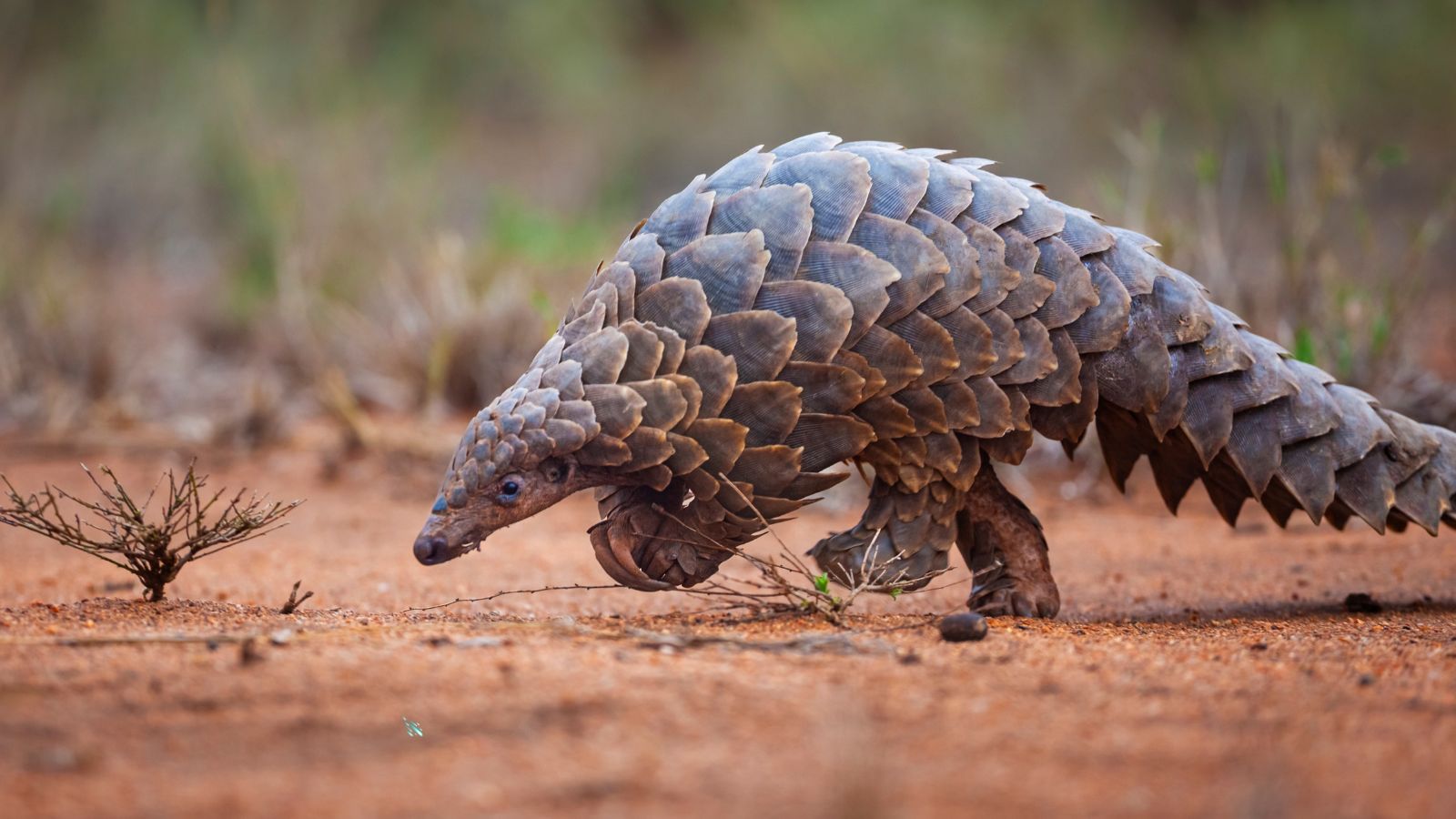
From the sun-scorched dunes of the Sahara to the scrubby plains of Australia, desert animals have cracked one of nature's toughest puzzles: how to survive where water is scarce, temperatures are brutal, and food is hard to find. In this playlist, you'll meet the remarkable species that call these landscapes home — from the iconic camel and the lightning-fast hawk to the bounding kangaroo and the armored pangolin.
Each clip, drawn from landmark BBC series including Seven Worlds, One Planet and Planet Earth II, puts you face-to-face with real desert survival in action. Some animals store water and energy for enormous journeys across open terrain. Others hunt by night, move in short bursts, or use camouflage so good they practically disappear. Every strategy is different. Every one is extraordinary.
As you watch, think bigger: How do animals adapt to temperatures that would stop most creatures in their tracks? What physical traits make desert life not just possible, but thriving? And how do these species — predator and prey, reptile and mammal — depend on each other to keep desert ecosystems in balance?
This playlist won't just teach you about deserts. It will make you see them differently.
In Bioluminescence and Jungle Predators, narrator Sir David Attenborough explores the fascinating world of bioluminescence in the jungle. The video showcases how glowing fungi lure insects and how the railroad worm uses its colorful glow to hunt in the dark. This video is excerpted from BBC’s Planet Earth II, a breathtaking documentary series that highlights the natural wonders of our planet.
Invite your students to explore the life cycles of common organisms with these life cycle sequencing cards. The cards cover the bean plant, butterfly, birch tree, apple tree, honeybee, ladybug, and frog. They come already mixed up, so kids can color, cut, and put them in order. Use as an introductory task, check for understanding, center activity, or study guide!
As you introduce life cycles, focus on key concepts such as stages of growth, changes in form and function, and the idea that all living things follow a pattern from beginning to end. Encourage students to ask questions, make predictions, and notice patterns across plants and animals.
Teaching life cycles in elementary school is not only standards-based, it's also a great way to help students understand how living things grow and change over time. At this level, students are ready to explore clear, observable stages — like seed to plant or egg to adult—and begin comparing similarities and differences across species.
In Woodpeckers and Nuthatches, Woodland Architects, Ranger Hamza and the Ramblers are on a quest to find woodpeckers. Come along to learn about how woodpeckers use their beaks and tongues to find food. This video is excerpted from BBC's Ranger Hamza’s Eco Quest, a nature exploration show in which Ranger Hamza and the Ramblers go on quests to discover nature’s wonders and the important role they play in our environment.
Discover the amazing hunting techniques of cave glow worms, witness the transformation of lake fly midges, and delve into the mysteries of bioluminescence in the jungle night. Prepare for a close-up look at the miniature marvels all around us!
In All About the California Conservation Corps, host Simon Reeve heads deep into the forests of California to discover the work of the California Conservation Corps. In the Sierra Nevada Mountains, he discovers the urgent need to cut down millions of dead trees — killed by drought, climate change and bark beetles — before they fuel wildfires. Alongside his guide, he hears how this work has not only helped to save forests but also changed lives. This video is excerpted from BBC’s The Americas With Simon Reeve, in which Simon Reeve explores the landscapes, cultures, and wildlife of North and South America.
In Life in the Extreme Heat, narrator Sir David Attenborough describes how animals like the golden mole, desert long-eared bat, and darkling beetle have adapted to survive life in the desert. From clever ways to gather water to unique hunting techniques, these creatures demonstrate the incredible resilience of life in the Namib and Negev deserts. This video is excerpted from BBC’s Planet Earth II, a breathtaking documentary series that highlights the natural wonders of our planet.
In Hunting With the Masters: The Art of Survival in Deniui, host Simon Reeve visits a remote village in Deniui, Namibia, where some of the world’s last expert wildlife hunters live. The locals welcome Simon and teach him survival skills, like digging deep into the sand to find poisonous beetle larvae. He watches as they craft toxic darts for hunting, a skill passed down to young men as a vital part of providing for their families. This video is excerpted from BBC’s Wilderness With Simon Reeve, an epic adventure into the heart of Earth’s last great wild areas, where nature is at its most beautiful and fragile.
In The Life of a Namaqua Chameleon, narrator Sir David Attenborough follows a determined Namaqua chameleon as it leaves tiny footprints in the sand as it treks along the desert. Its hunt for food is a game of patience — waiting for beetles to seek shade before striking with its lightning-fast tongue. Life here is tough, and even finding a mate comes with challenges, but this remarkable chameleon shows how to thrive in one of the harshest places on Earth. This video is excerpted from BBC's Life, a show that explores the remarkable strategies animals and plants use to ensure their survival.
In Watch a Life Built on Decay in the Rainforests, narrator Sir David Attenborough notes that the nutrient recycling rate in rainforests happens faster than anywhere else. Learn how slime mold, fungi, and beetle larvae interact to decompose leaf litter. This video is excerpted from BBC's Planet Earth, a breathtaking documentary series that highlights the natural wonders of our planet.
Deserts look empty. They are anything but.
From the sun-scorched dunes of the Sahara to the scrubby plains of Australia, desert animals have cracked one of nature's toughest puzzles: how to survive where water is scarce, temperatures are brutal, and food is hard to find. In this playlist, you'll meet the remarkable species that call these landscapes home — from the iconic camel and the lightning-fast hawk to the bounding kangaroo and the armored pangolin.
Each clip, drawn from landmark BBC series including Seven Worlds, One Planet and Planet Earth II, puts you face-to-face with real desert survival in action. Some animals store water and energy for enormous journeys across open terrain. Others hunt by night, move in short bursts, or use camouflage so good they practically disappear. Every strategy is different. Every one is extraordinary.
As you watch, think bigger: How do animals adapt to temperatures that would stop most creatures in their tracks? What physical traits make desert life not just possible, but thriving? And how do these species — predator and prey, reptile and mammal — depend on each other to keep desert ecosystems in balance?
This playlist won't just teach you about deserts. It will make you see them differently.