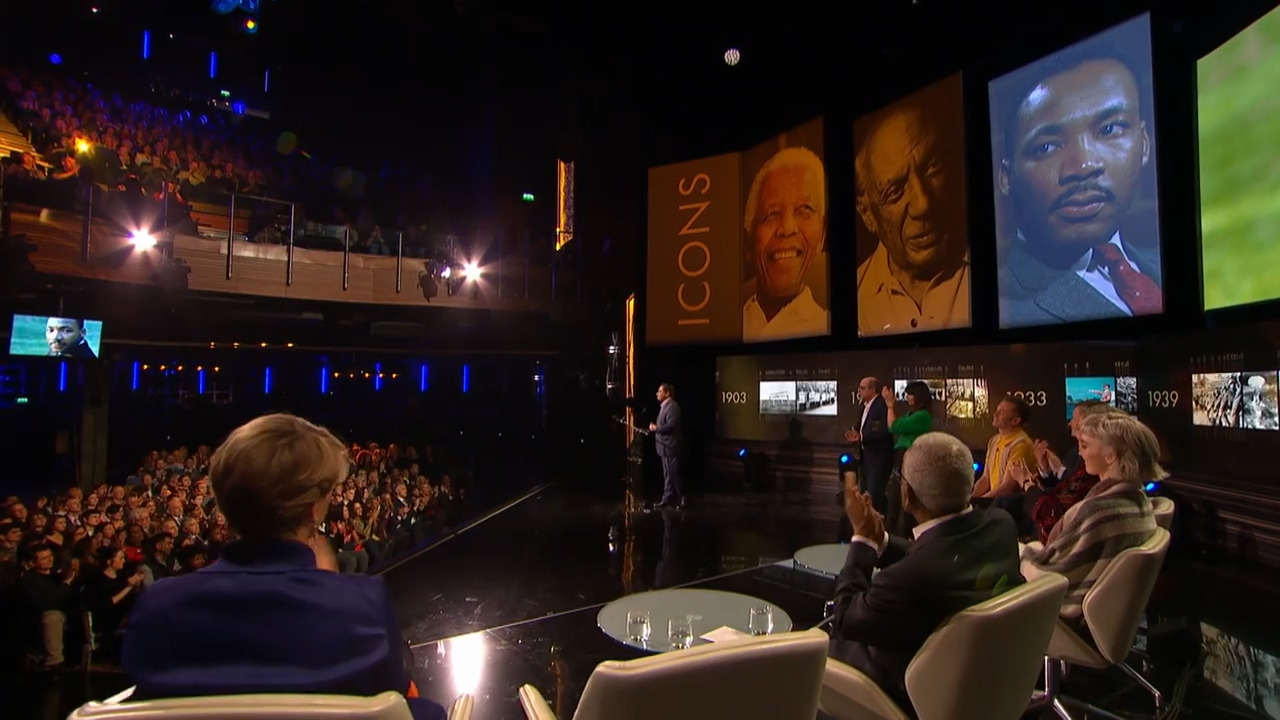
In Martin Luther King Jr., Iconic Activist, host Sanjeev Bhaskar discusses the accomplishments of Martin Luther King Jr. who was deeply committed to non-violent protest and inspired other activists who came after him. This video is excerpted from BBC’s Icons: The Greatest Person of the 20th Century, a documentary series celebrating the achievements of the most influential figures of the era.
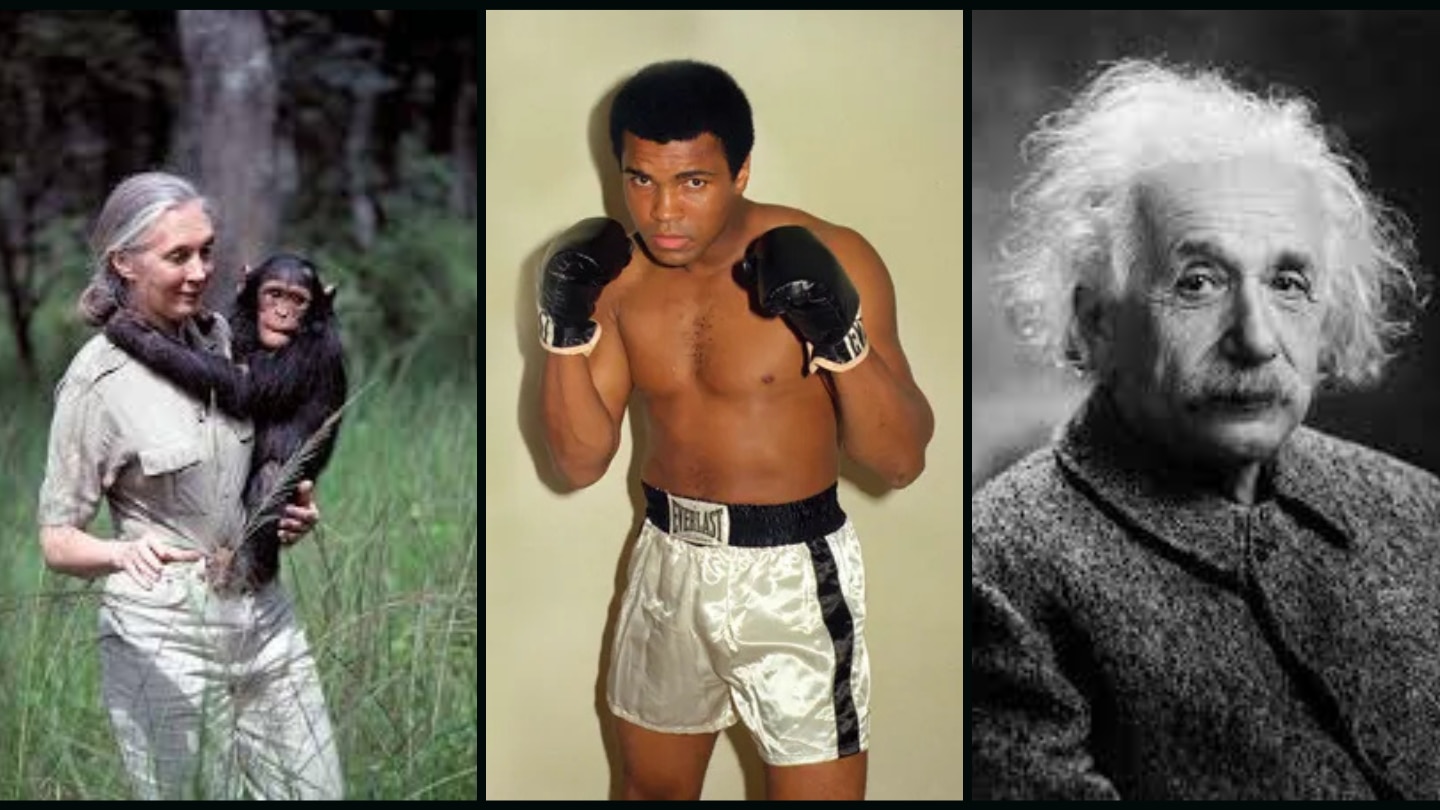
Meet the Icons of the 20th Century. From brilliant scientists and inspiring activists to legendary athletes and artists, these remarkable individuals changed the world in powerful ways. In this video playlist of clips from BBC's Icons: The Greatest Person of the 20th Century, meet Muhammad Ali, Helen Keller, Albert Einstein, Martin Luther King Jr., Pablo Picasso, Jane Goodall, Pelé, Billie Holiday and others — each a trailblazer who shaped history through courage, creativity, and conviction. A perfect playlist to inspire young minds to think big and act boldly!
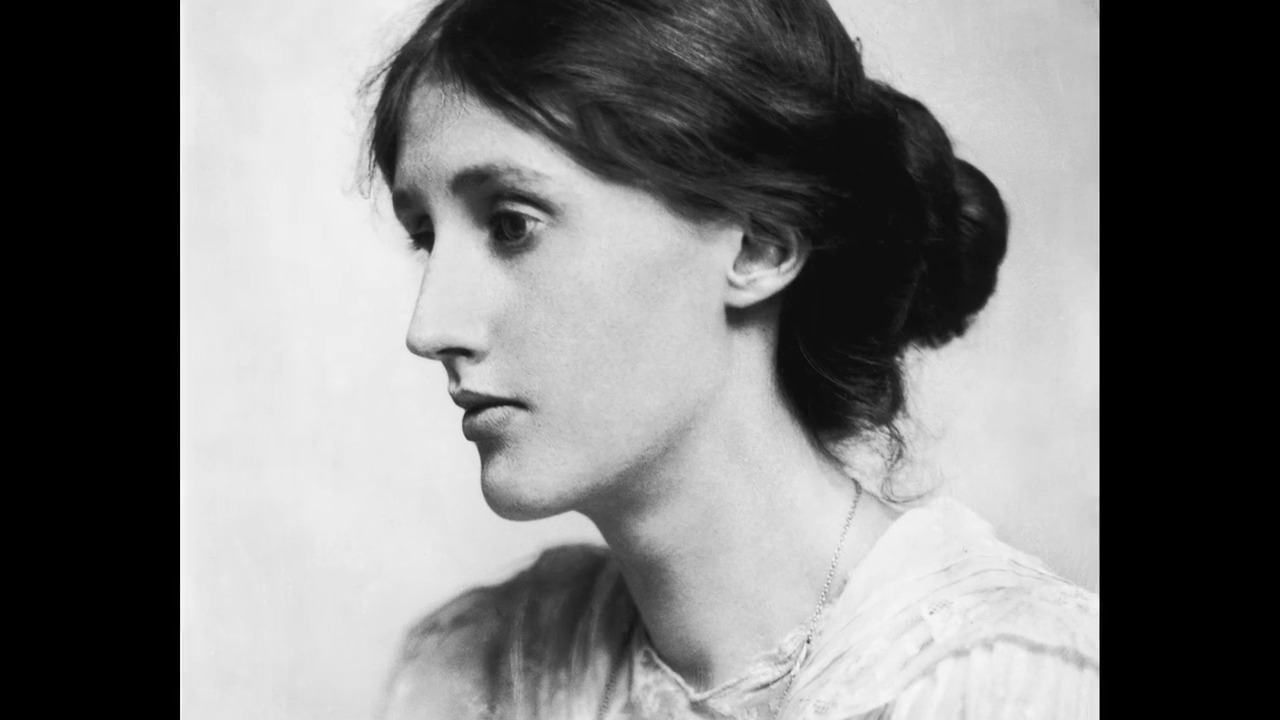
In Virginia Woolf, the Writer, host Lily Cole introduces Virginia Woolf, a revolutionary writer of her time. Woolf, who suffered abuse in her childhood and faced regular hospitalization for depression, is discussed in the context of her novel Mrs. Dalloway. This video is excerpted from BBC’s Icons: The Greatest Person of the 20th Century, a documentary series celebrating the achievements of the most influential figures of the era.
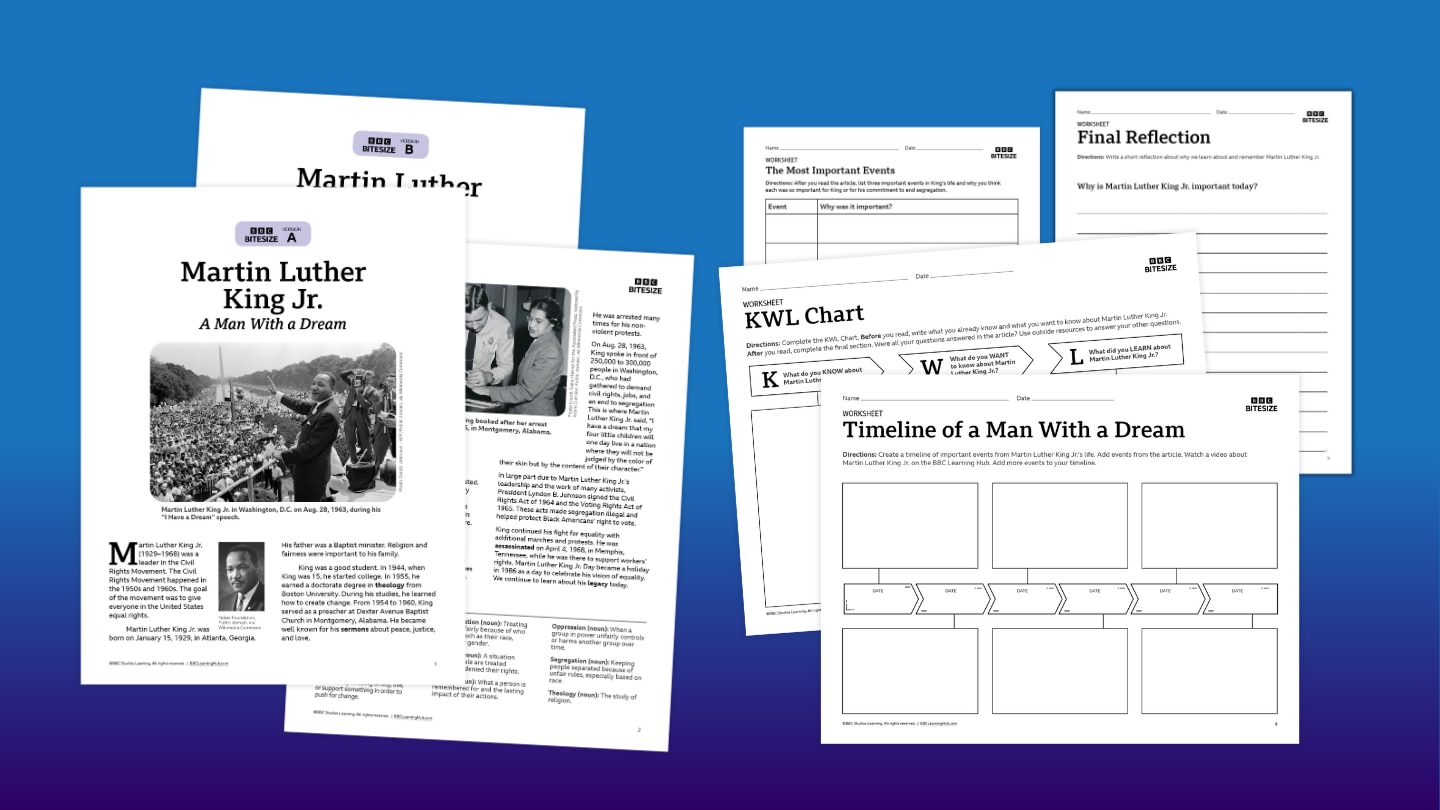
This set of Martin Luther King Jr. worksheets contains two versions, so you can use the version that's closest to the grade level you teach or use both based on the individual reading levels of the students in your class. Here's what you'll find:
- Reading Passage: "Martin Luther King Jr.: A Man With a Dream," covering that life and legacy of MLK.
- Version A: Grades 3-5, Lexile Level 700-900L
- Version B: Grades 6-8, Lexile Level 850-1000L
- Glossary: Grade-level appropriate vocabulary and definitions to help students better understand the passage.
- Worksheets: KWL, timeline, and reflection (Version A); important events chart, Venn diagram, "Iconic Influences" response (Version B).
These activities pair with the following videos:
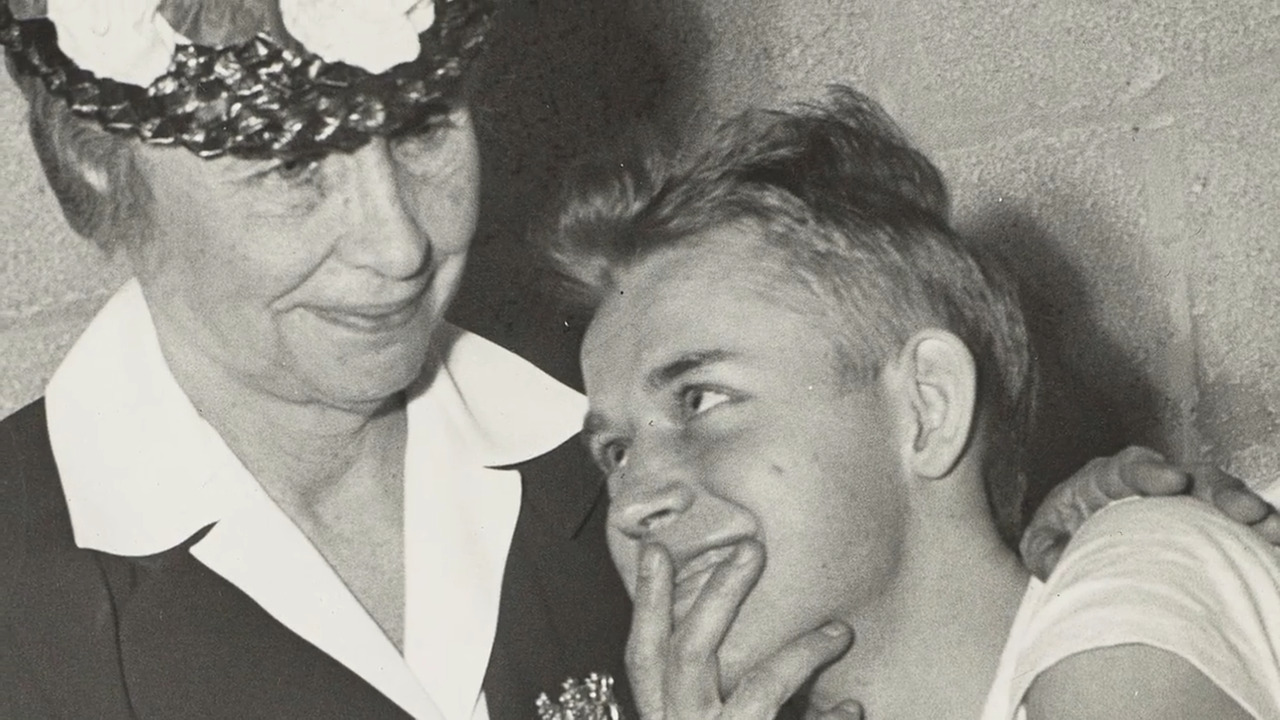
In Helen Keller, Activist for Equality and Ambassador for Peace, host Sanjeev Bhaskar explores Keller’s fights against fascism and class inequality as well as her support for women’s suffrage. Keller’s activism, including founding the American Civil Liberties Union (ACLU), made her both revered and controversial. This video is excerpted from BBC’s Icons: The Greatest Person of the 20th Century, a documentary series celebrating the achievements of the most influential figures of the era.
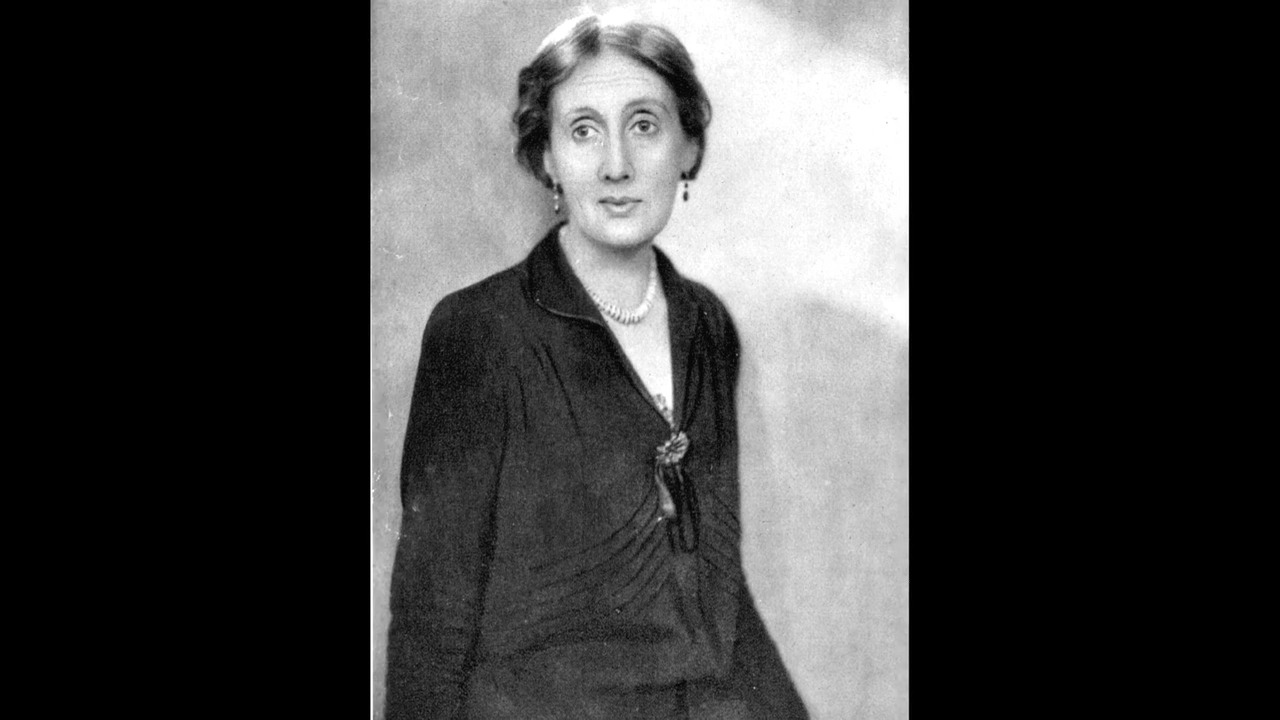
In Virginia Woolf, the Activist host Lily Cole explores the revolutionary impact Woolf had on society in the early 20th Century. Woolf challenged gender stereotypes and the expectations placed on women. She was an unconventional figure whose work, including the novel Orlando, explored themes of gender, sexuality, and identity. This video is excerpted from BBC’s Icons: The Greatest Person of the 20th Century, a documentary series celebrating the achievements of the most influential figures of the era.
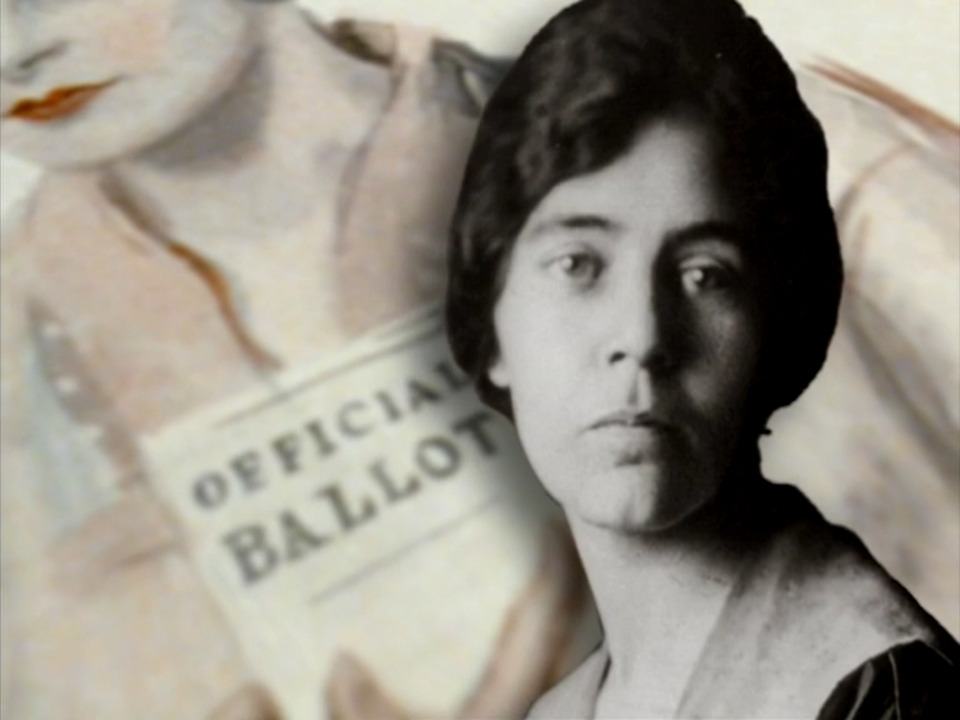
In Alice Paul and the Fight for Women’s Suffrage, activist Alice Paul leads marches and protests to secure women’s right to vote in the United States. Drawing inspiration from the militant suffrage movement in the UK, she organizes the National Woman’s Party, pickets the White House, and helps secure the passage of the 19th Amendment after decades of struggle.
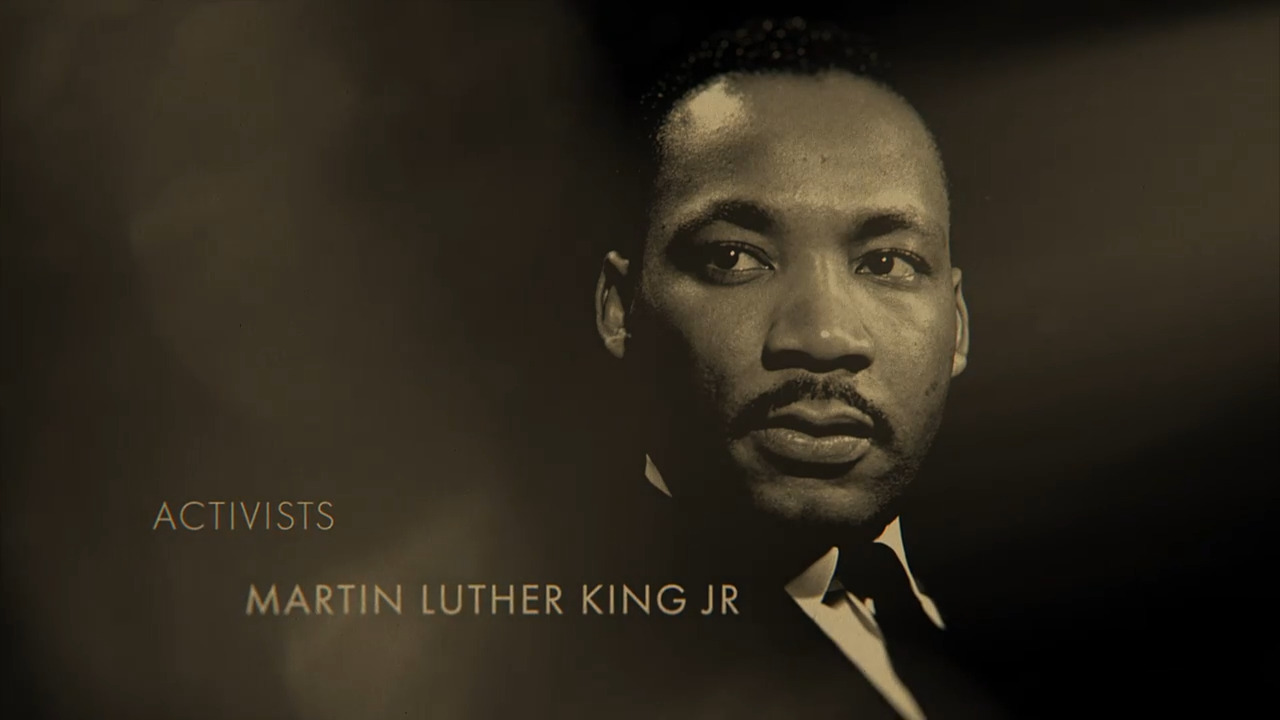
In Martin Luther King Jr.: Civil Rights Icon, students learn how the Civil Rights Movement found its leader in Dr. Martin Luther King Jr., an activist, preacher, and powerful speaker who believed in achieving change through non-violent action. The video explains why Dr. King emerged as a central figure during a time when millions of Americans were fighting for equal rights and justice.
Excerpted from BBC’s Icons: The Greatest Person of the 20th Century, this documentary clip helps students understand what made Dr. King an icon — not just for his words, but for his leadership, courage, and lasting influence. Using historical footage and clear storytelling, it introduces key ideas of the Civil Rights Movement in a way that is accessible and engaging.
This short video works well as an introduction to Martin Luther King Jr., a foundation for learning about the Civil Rights Movement, or a discussion starter about leadership, activism, and democracy. Teachers can easily use it to support lessons around Martin Luther King Jr. Day, civic responsibility, and the power of individuals to inspire change.
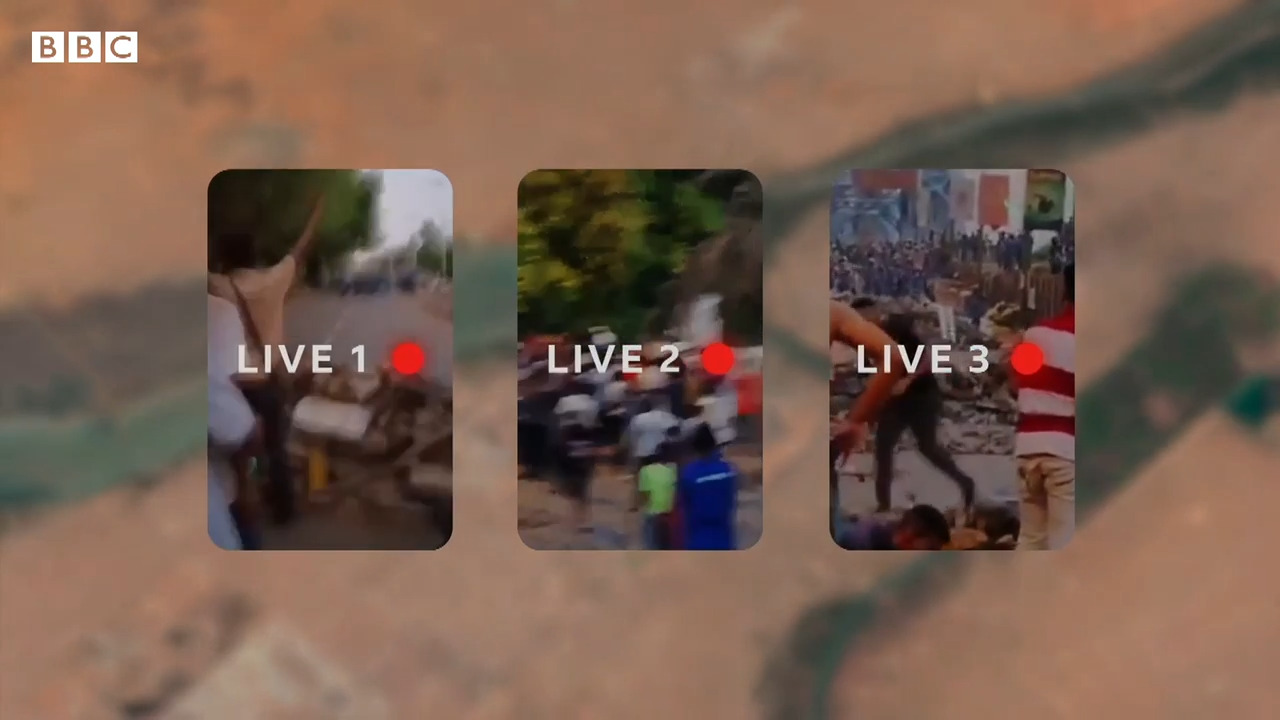
In Getting the News Right, host Radzi Chinyanganya explains how crucial it is that journalists separate facts from opinions and truth from fake news in this age of disinformation. In the case of a violent attack in Sudan in 2019 that killed over a hundred people, there were no journalists on the ground. Instead, BBC journalists gathered and analyzed over 300 phone videos from civilians and activists to verify accuracy. By verifying the facts, they were able to hold those responsible to account. This video is excerpted from BBC’s My World, a program created for teenagers eager to learn more about the important stories shaping our world.
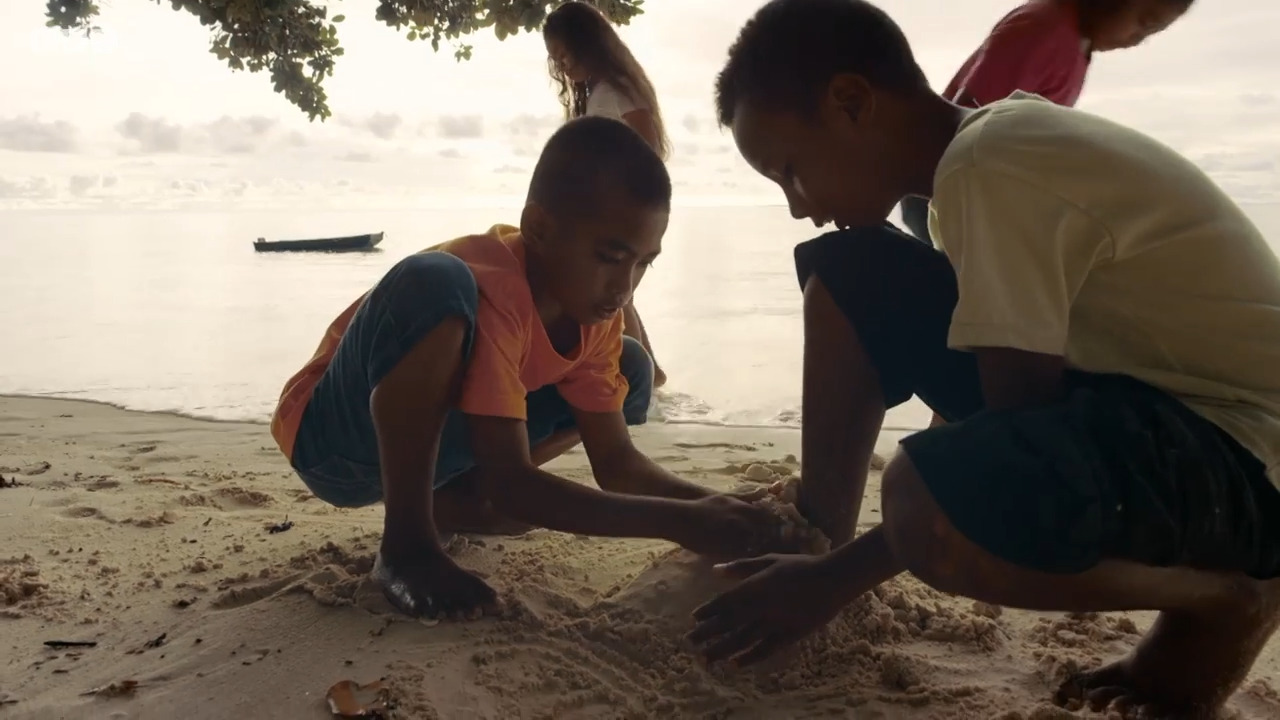
In Protecting the World’s Smallest Islands, host Radzi Chinyanganya highlights the efforts of children in Palau, a small Pacific Island nation, as they fight to protect their environment from the effects of climate change. These young activists are taking action to preserve their island’s natural beauty and ecosystem, which are being threatened by rising sea levels and extreme weather patterns. Through their activism, they are calling for greater global attention to the vulnerabilities of small island nations and their urgent need for climate action. This video is excerpted from BBC’s My World, a program created for teenagers eager to learn more about the important stories shaping our world.
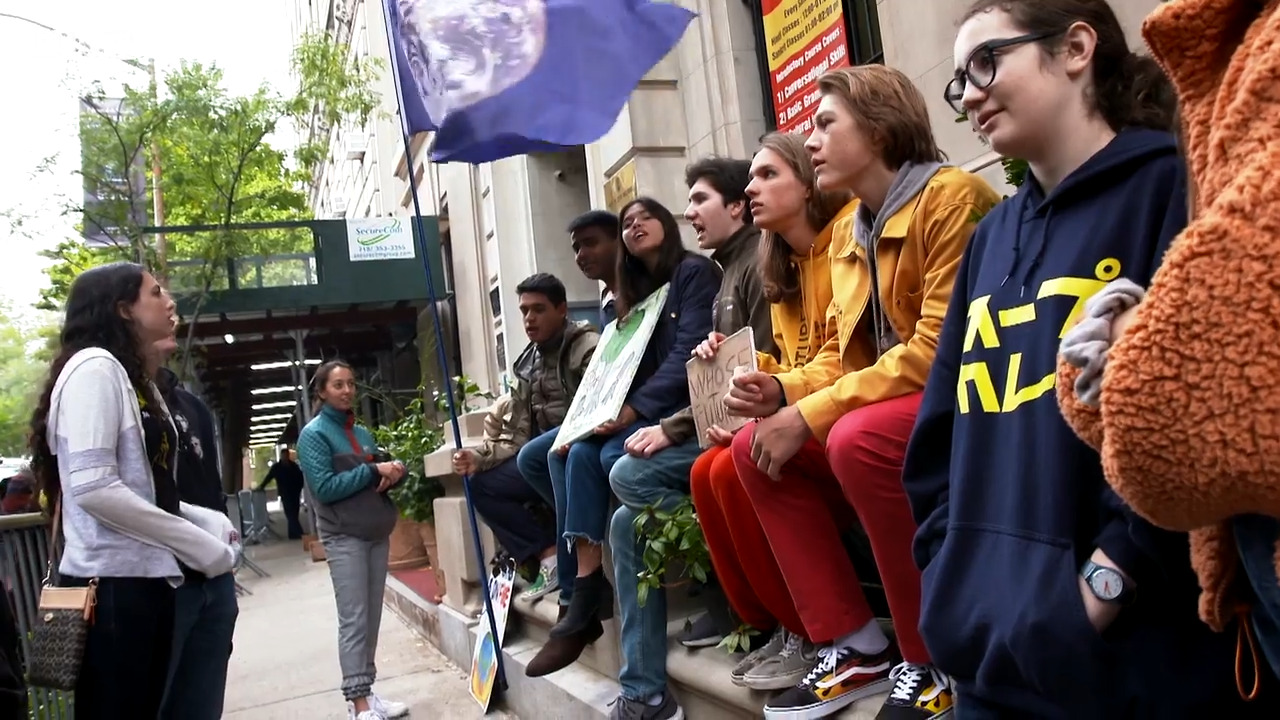
In The Power of Student Activism, host Radzi Chinyanganya discusses the power of youth activism and how young people are leading movements for social change. The video highlights youth-led protests and demonstrations on issues such as climate change, racial equality, and gender rights. It explores how activism takes different forms, from in-person demonstrations to digital campaigns. A key focus is on Fridays for Future, a movement started by Greta Thunberg in 2018, and how activist Xiye Bastida takes part by striking every Friday to demand action on climate change. This video is excerpted from BBC’s My World, a program created for teenagers eager to learn more about the important stories shaping our world.
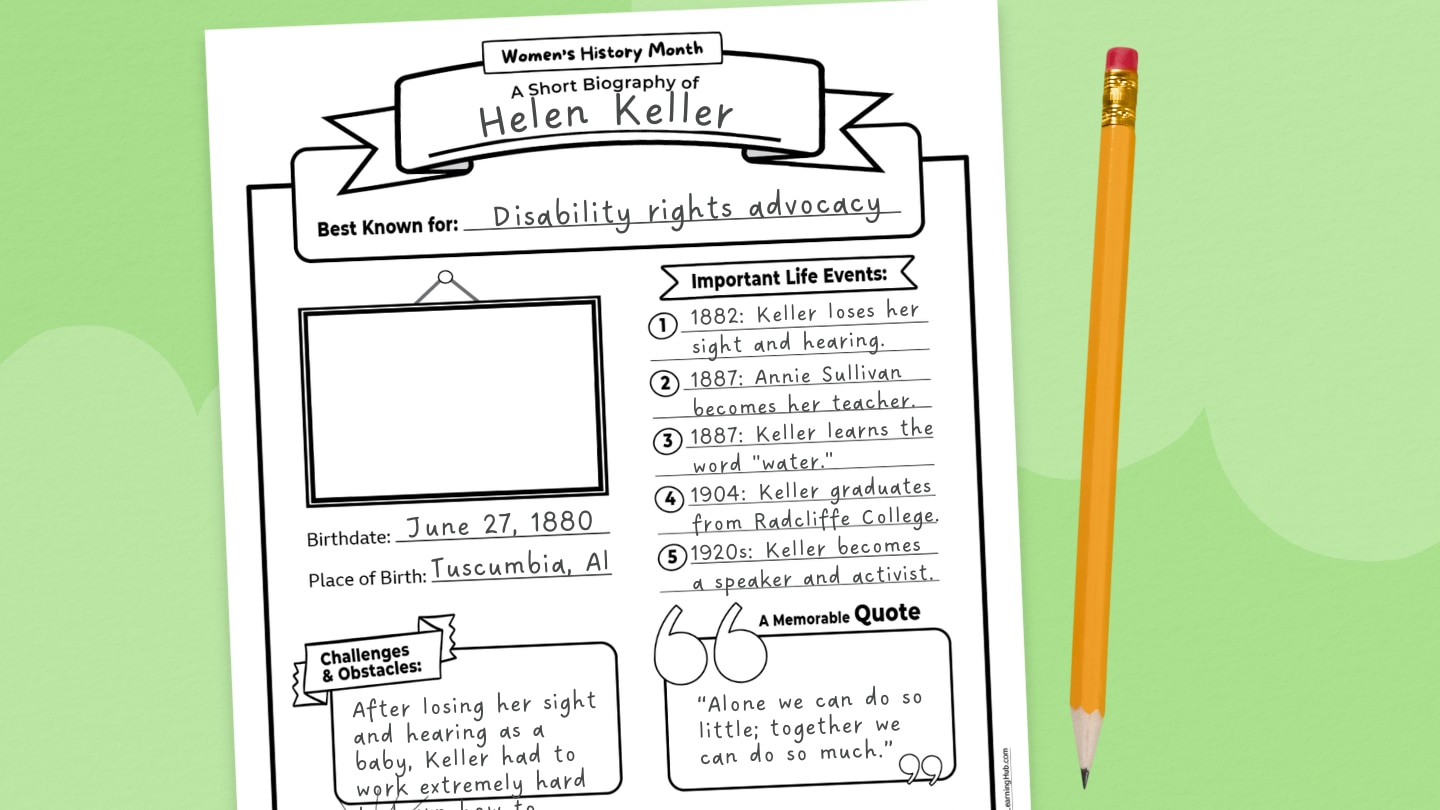
This Women’s History Month, invite your students to step into the role of historian, storyteller, and researcher as they create profiles of extraordinary women in history. Our Women’s History Biography Template is designed for ages 8–14 and helps students organize key facts, explore challenges and accomplishments, and reflect on why these figures still matter today. With guided sections for important life events, obstacles overcome, and lasting impact, this ready-to-use template supports research skills, critical thinking, and strong writing.
To get started, visit our Figures in Women’s History microsite and explore a rich video library featuring trailblazing leaders, artists, scientists, and activists. Learn about Jane Goodall and her pioneering work in conservation and animal behavior, or dive into the groundbreaking research and storytelling of Zora Neale Hurston, who preserved and celebrated African American folklore and culture. Students can also discover figures who fought for women's suffrage, advanced medicine, and transformed sports. This is a great jumping off point for students to begin further research on their chosen icon.
In Martin Luther King Jr., Iconic Activist, host Sanjeev Bhaskar discusses the accomplishments of Martin Luther King Jr. who was deeply committed to non-violent protest and inspired other activists who came after him. This video is excerpted from BBC’s Icons: The Greatest Person of the 20th Century, a documentary series celebrating the achievements of the most influential figures of the era.
Meet the Icons of the 20th Century. From brilliant scientists and inspiring activists to legendary athletes and artists, these remarkable individuals changed the world in powerful ways. In this video playlist of clips from BBC's Icons: The Greatest Person of the 20th Century, meet Muhammad Ali, Helen Keller, Albert Einstein, Martin Luther King Jr., Pablo Picasso, Jane Goodall, Pelé, Billie Holiday and others — each a trailblazer who shaped history through courage, creativity, and conviction. A perfect playlist to inspire young minds to think big and act boldly!
In Virginia Woolf, the Writer, host Lily Cole introduces Virginia Woolf, a revolutionary writer of her time. Woolf, who suffered abuse in her childhood and faced regular hospitalization for depression, is discussed in the context of her novel Mrs. Dalloway. This video is excerpted from BBC’s Icons: The Greatest Person of the 20th Century, a documentary series celebrating the achievements of the most influential figures of the era.
This set of Martin Luther King Jr. worksheets contains two versions, so you can use the version that's closest to the grade level you teach or use both based on the individual reading levels of the students in your class. Here's what you'll find:
- Reading Passage: "Martin Luther King Jr.: A Man With a Dream," covering that life and legacy of MLK.
- Version A: Grades 3-5, Lexile Level 700-900L
- Version B: Grades 6-8, Lexile Level 850-1000L
- Glossary: Grade-level appropriate vocabulary and definitions to help students better understand the passage.
- Worksheets: KWL, timeline, and reflection (Version A); important events chart, Venn diagram, "Iconic Influences" response (Version B).
These activities pair with the following videos:
In Helen Keller, Activist for Equality and Ambassador for Peace, host Sanjeev Bhaskar explores Keller’s fights against fascism and class inequality as well as her support for women’s suffrage. Keller’s activism, including founding the American Civil Liberties Union (ACLU), made her both revered and controversial. This video is excerpted from BBC’s Icons: The Greatest Person of the 20th Century, a documentary series celebrating the achievements of the most influential figures of the era.
In Virginia Woolf, the Activist host Lily Cole explores the revolutionary impact Woolf had on society in the early 20th Century. Woolf challenged gender stereotypes and the expectations placed on women. She was an unconventional figure whose work, including the novel Orlando, explored themes of gender, sexuality, and identity. This video is excerpted from BBC’s Icons: The Greatest Person of the 20th Century, a documentary series celebrating the achievements of the most influential figures of the era.
In Alice Paul and the Fight for Women’s Suffrage, activist Alice Paul leads marches and protests to secure women’s right to vote in the United States. Drawing inspiration from the militant suffrage movement in the UK, she organizes the National Woman’s Party, pickets the White House, and helps secure the passage of the 19th Amendment after decades of struggle.
In Martin Luther King Jr.: Civil Rights Icon, students learn how the Civil Rights Movement found its leader in Dr. Martin Luther King Jr., an activist, preacher, and powerful speaker who believed in achieving change through non-violent action. The video explains why Dr. King emerged as a central figure during a time when millions of Americans were fighting for equal rights and justice.
Excerpted from BBC’s Icons: The Greatest Person of the 20th Century, this documentary clip helps students understand what made Dr. King an icon — not just for his words, but for his leadership, courage, and lasting influence. Using historical footage and clear storytelling, it introduces key ideas of the Civil Rights Movement in a way that is accessible and engaging.
This short video works well as an introduction to Martin Luther King Jr., a foundation for learning about the Civil Rights Movement, or a discussion starter about leadership, activism, and democracy. Teachers can easily use it to support lessons around Martin Luther King Jr. Day, civic responsibility, and the power of individuals to inspire change.
In Getting the News Right, host Radzi Chinyanganya explains how crucial it is that journalists separate facts from opinions and truth from fake news in this age of disinformation. In the case of a violent attack in Sudan in 2019 that killed over a hundred people, there were no journalists on the ground. Instead, BBC journalists gathered and analyzed over 300 phone videos from civilians and activists to verify accuracy. By verifying the facts, they were able to hold those responsible to account. This video is excerpted from BBC’s My World, a program created for teenagers eager to learn more about the important stories shaping our world.
In Protecting the World’s Smallest Islands, host Radzi Chinyanganya highlights the efforts of children in Palau, a small Pacific Island nation, as they fight to protect their environment from the effects of climate change. These young activists are taking action to preserve their island’s natural beauty and ecosystem, which are being threatened by rising sea levels and extreme weather patterns. Through their activism, they are calling for greater global attention to the vulnerabilities of small island nations and their urgent need for climate action. This video is excerpted from BBC’s My World, a program created for teenagers eager to learn more about the important stories shaping our world.
In The Power of Student Activism, host Radzi Chinyanganya discusses the power of youth activism and how young people are leading movements for social change. The video highlights youth-led protests and demonstrations on issues such as climate change, racial equality, and gender rights. It explores how activism takes different forms, from in-person demonstrations to digital campaigns. A key focus is on Fridays for Future, a movement started by Greta Thunberg in 2018, and how activist Xiye Bastida takes part by striking every Friday to demand action on climate change. This video is excerpted from BBC’s My World, a program created for teenagers eager to learn more about the important stories shaping our world.
This Women’s History Month, invite your students to step into the role of historian, storyteller, and researcher as they create profiles of extraordinary women in history. Our Women’s History Biography Template is designed for ages 8–14 and helps students organize key facts, explore challenges and accomplishments, and reflect on why these figures still matter today. With guided sections for important life events, obstacles overcome, and lasting impact, this ready-to-use template supports research skills, critical thinking, and strong writing.
To get started, visit our Figures in Women’s History microsite and explore a rich video library featuring trailblazing leaders, artists, scientists, and activists. Learn about Jane Goodall and her pioneering work in conservation and animal behavior, or dive into the groundbreaking research and storytelling of Zora Neale Hurston, who preserved and celebrated African American folklore and culture. Students can also discover figures who fought for women's suffrage, advanced medicine, and transformed sports. This is a great jumping off point for students to begin further research on their chosen icon.