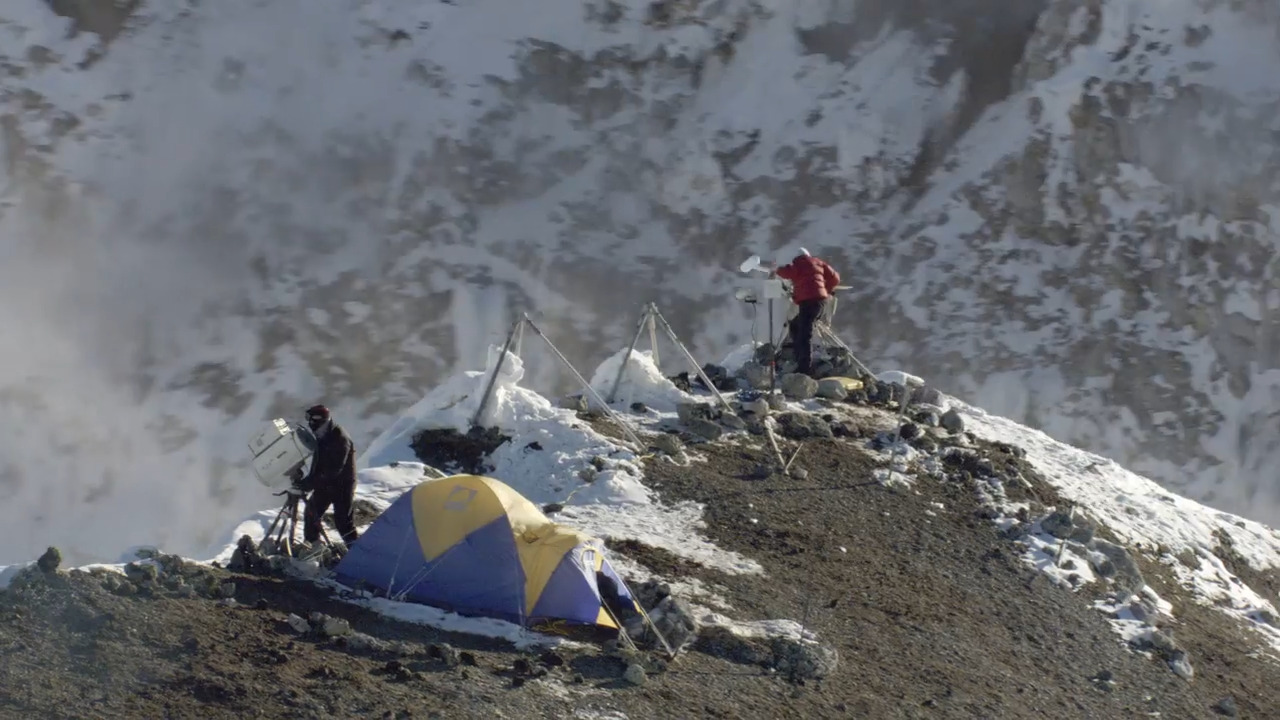
In Discoveries at the South Pole, narrator Sir David Attenborough describes how scientists on Antarctica work to learn about the atmosphere, how volcanoes influence the air we breathe, about cosmic rays that are just reaching Earth, and what the interior of Antarctica is made of. This video is excerpted from BBC’s Frozen Planet, a series that shows a fragile world of beauty and hostility, where nature finds a way to survive and thrive in frigid conditions.
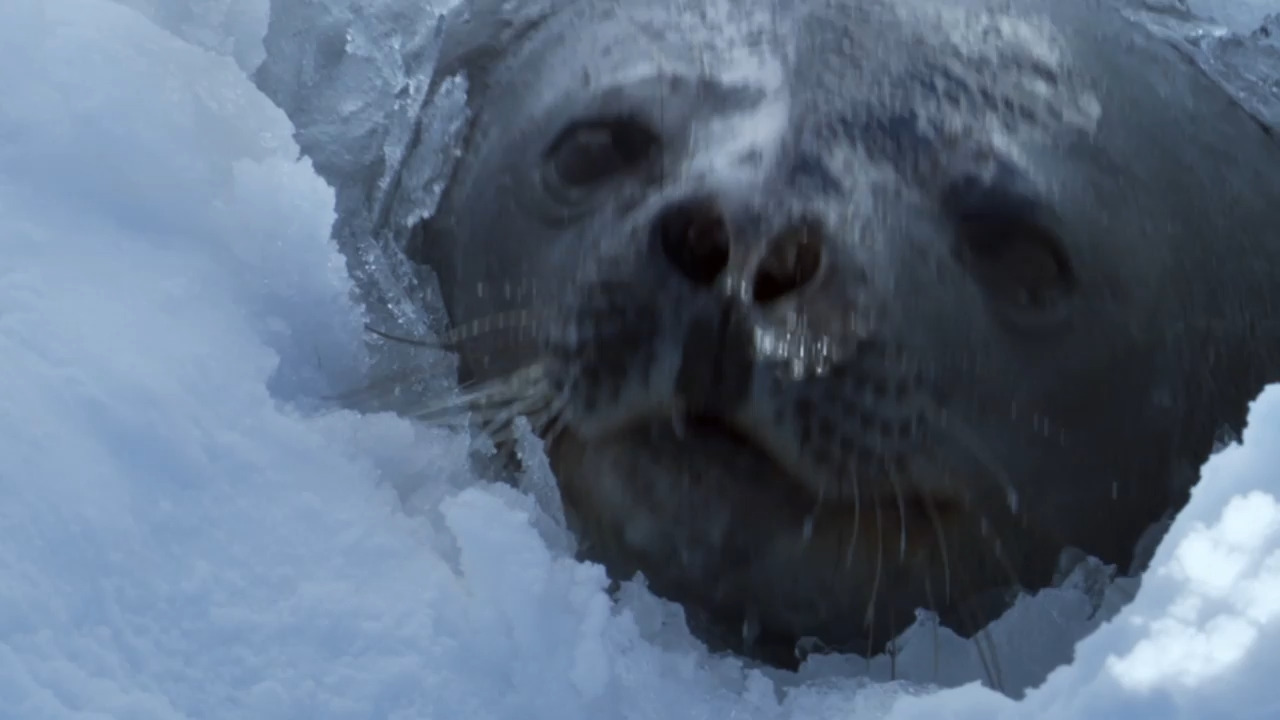
In A Weddell Seal Family's Journey, narrator Sir David Attenborough describes how a mother seal and her pup brave the freezing cold near the South Pole. These seals are the only animals that can survive here, staying warm thanks to a thick layer of fat beneath their skin and their special fur. The mother feeds her pup and carefully maintains their diving hole in the water to prevent it from freezing over, ensuring they can get air. And, at just one week old, the pup takes its first swim beneath the ice! This video is excerpted from BBC’s Life, a show that explores the remarkable strategies animals and plants use to ensure their survival.
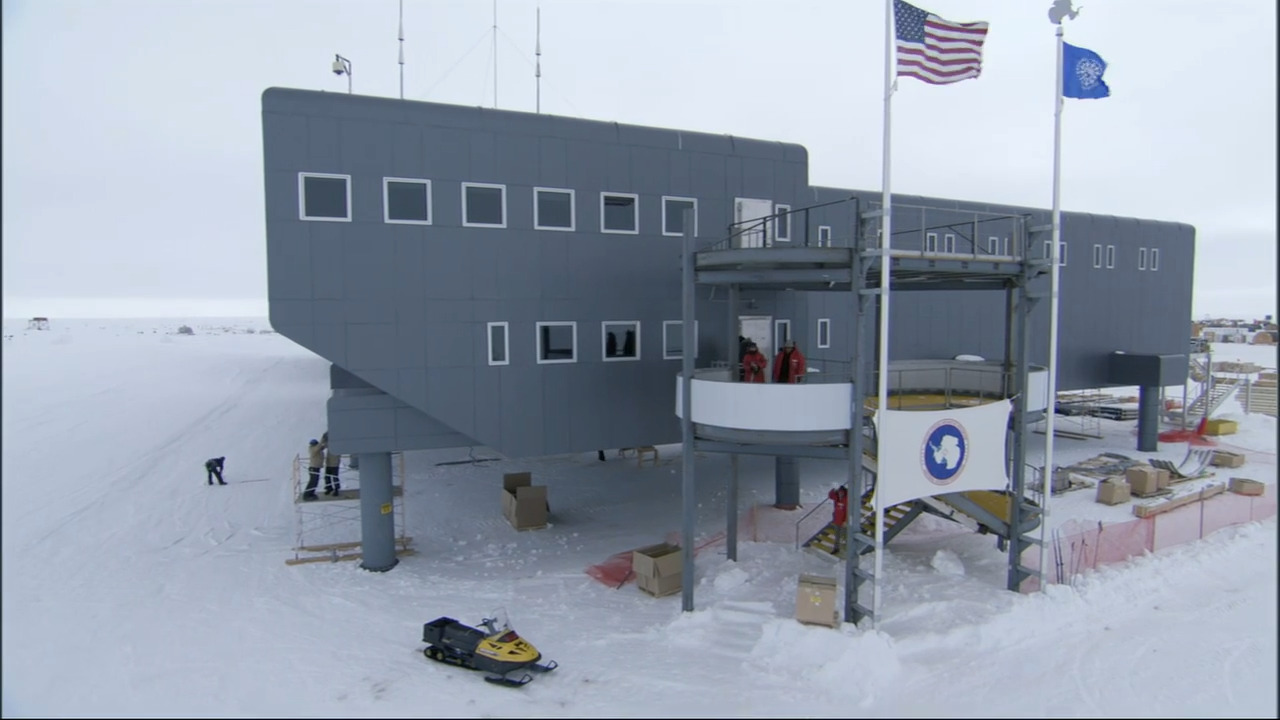
In Antarctic Research Station, narrator Sir David Attenborough shares the story of Robert Scott and Roald Amundsen, the first explorers to reach the South Pole. Learn about how research at the South Pole has developed and see inside the Scott-Amundsen Research Station. This video is excerpted from BBC’s Frozen Planet, a series that shows a fragile world of beauty and hostility, where nature finds a way to survive and thrive in frigid conditions.
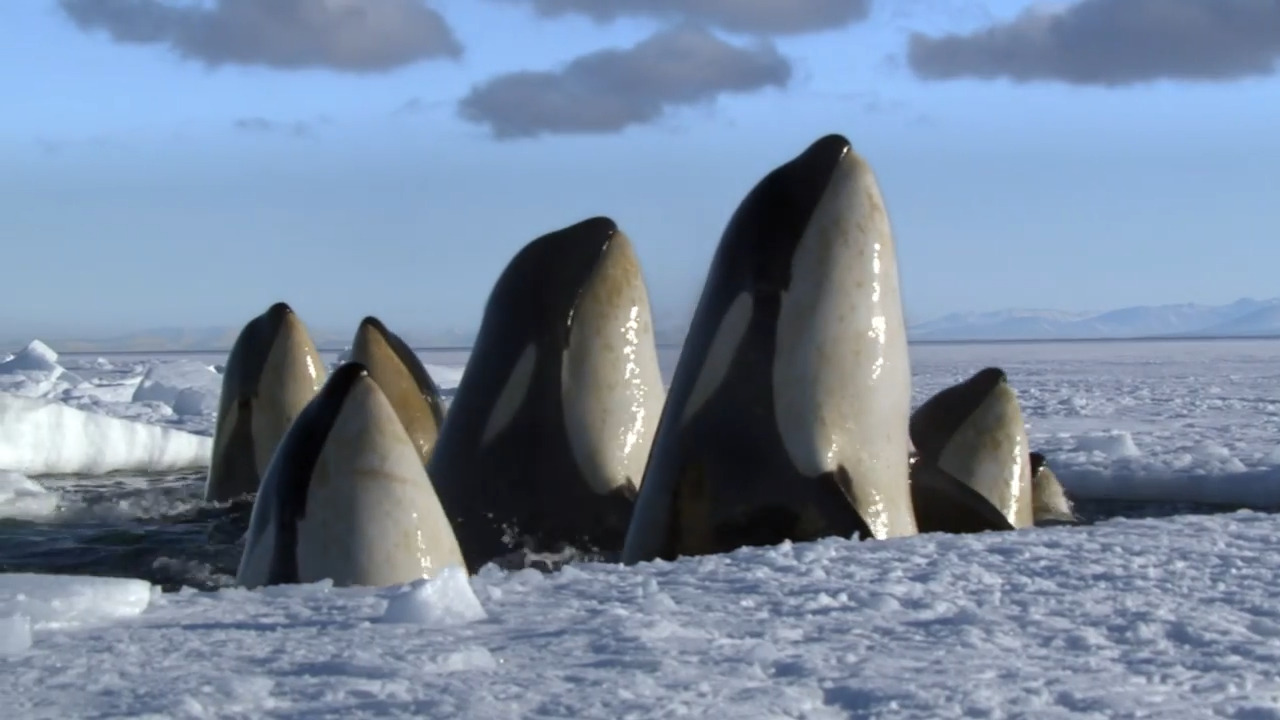
In Polar Seasons and Life at the Extremes, narrator Sir David Attenborough describes life in the coldest, most extreme places on the planet. Learn how the seasons at the Poles have a rhythm of their own that only the toughest species can endure. This video is excerpted from BBC’s Frozen Planet, a series that shows a fragile world of beauty and hostility, where nature finds a way to survive and thrive in frigid conditions.
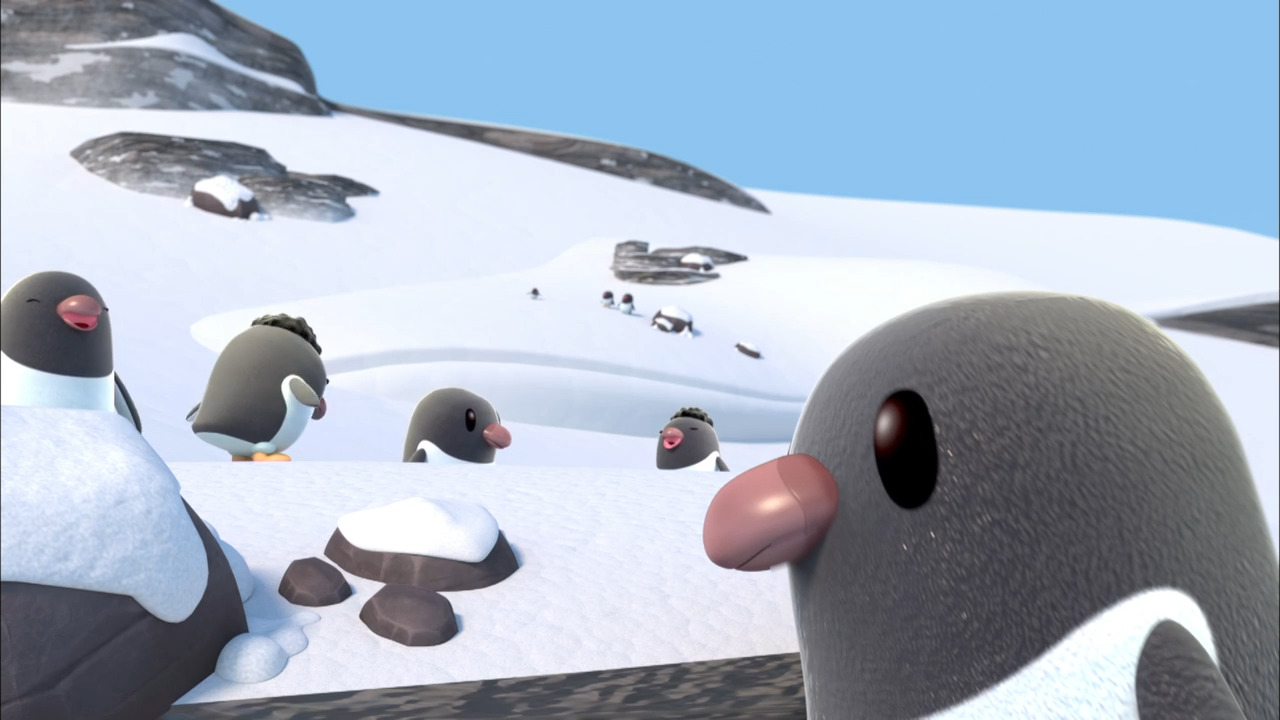
In The Go Jetters Discover the Magic of Antarctica!, the Go Jetters crew travels to Antarctica, the coldest and windiest place on Earth. In this frozen land, you'll discover huge ice rivers called glaciers, and even hear the ice creak as it moves! Learn all about the South Pole, where penguins live and play, and explore the world’s biggest glacier, the Lambert Glacier. This video is excerpted from BBC’s Go Jetters, a series that follows the adventures of four plucky international heroes as they travel the globe visiting the world’s most famous landmarks with their friend and mentor, Ubercorn, a disco-dancing unicorn.

In this lesson, your students will step into the shoes of Antarctic scientists! They'll dive into the fascinating world of Antarctic research stations and unique wildlife with video clips from BBC’s Seven Worlds, One Planet and Frozen Planet. After exploring the videos and researching more about this frozen continent, your students will write a creative journal entry from the perspective of a research scientist sharing their experiences in Antarctica. You’ll wrap up the lesson with a meaningful class discussion about why studying Antarctica matters and how the discoveries made there could shape our world.
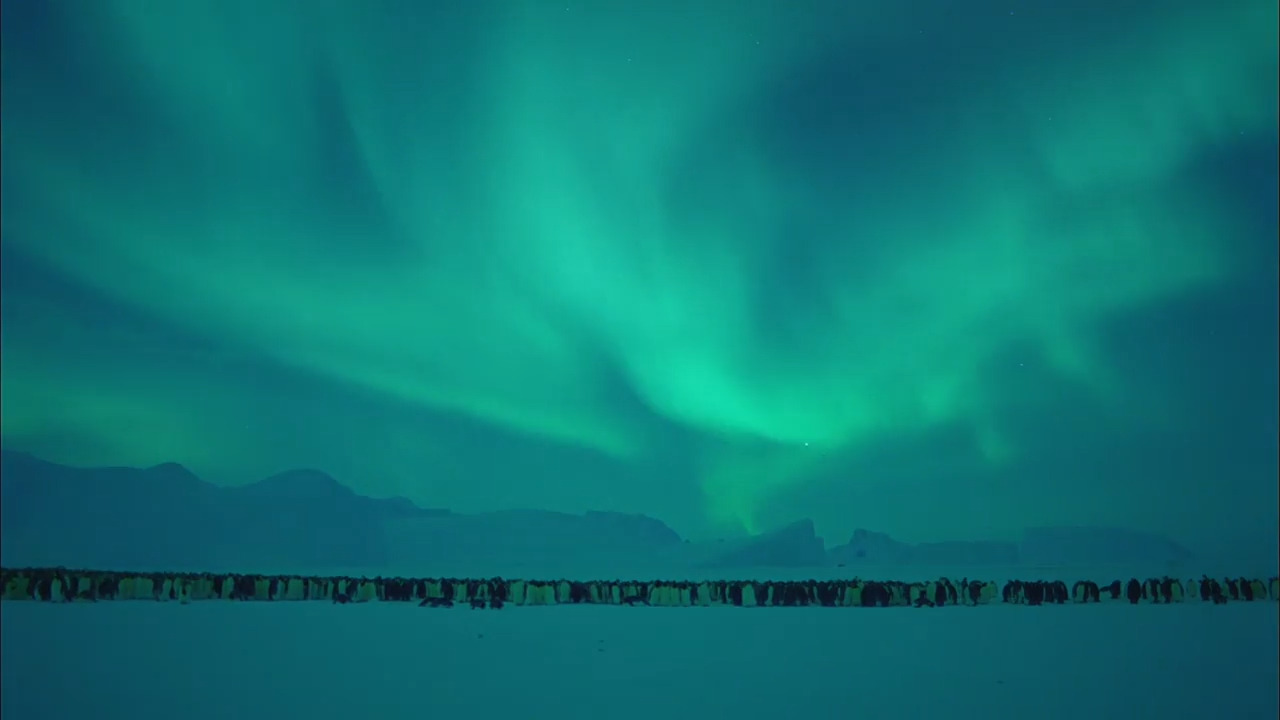
In The Dancing Lights of the Auroras s, narrator Sir David Attenborough explains how auroras are formed at the North and South Poles. Watch these amazing dancing lights move through the sky. This video is excerpted from BBC’s Frozen Planet, a series that shows a fragile world of beauty and hostility, where nature finds a way to survive and thrive in frigid conditions.
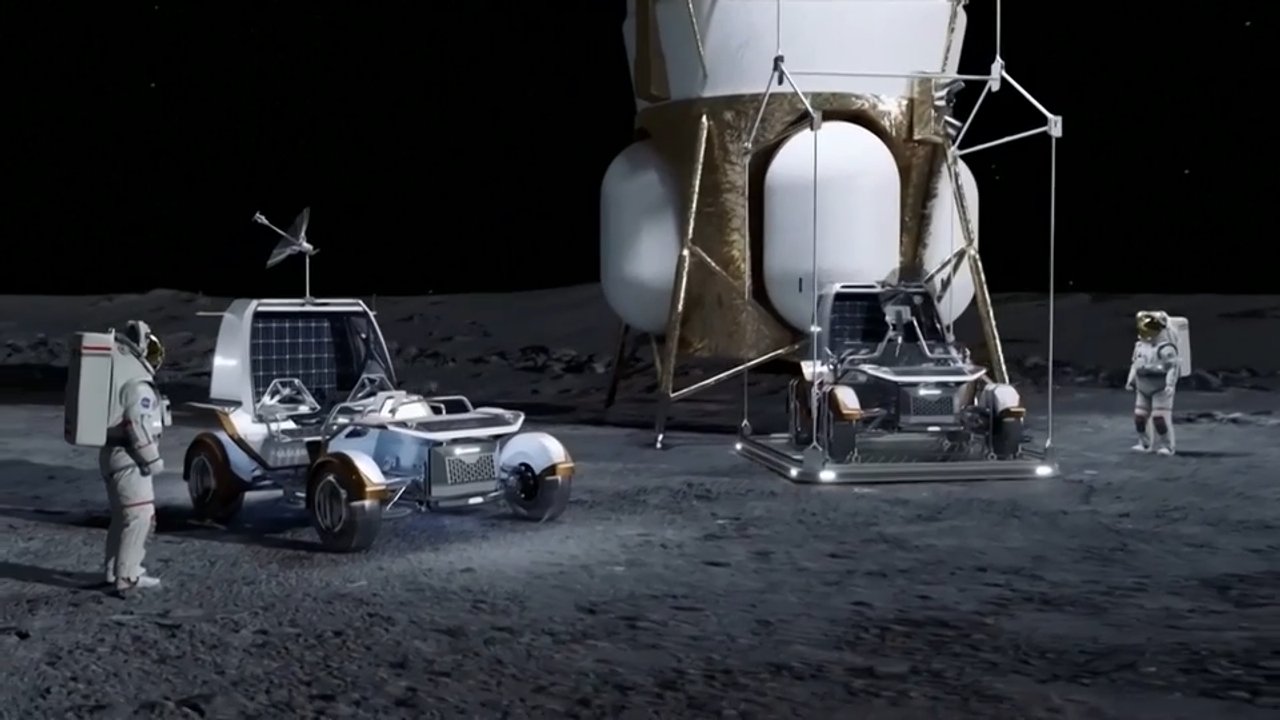
“Shoot for the Moon — if you miss, you’ll land among the stars,” won’t cut it for NASA, who says “Nah, Moon or bust.”
NASA’s got big plans, and their names are Moonbase 1, 2, and 3. They were too busy working on the science to put more into the names, okay? Moonbase 1 will be the first privately-funded lander to reach the lunar south pole, Moonbase 2 will deliver a record amount of equipment that would support astronauts at a lunar base, and Moonbase 3 will focus on gathering research and data.
But these are just glimpses of NASA’s lunar ambitions, namely to put a base on the Moon. It starts with sending dozens of rovers and lunar landers to scope out the perfect spot, followed by building small cabins for short missions, and then building larger structures sustained by nuclear power for the long term. That’s not until 2033, but NASA wants to send astronauts back to the lunar surface by 2028.
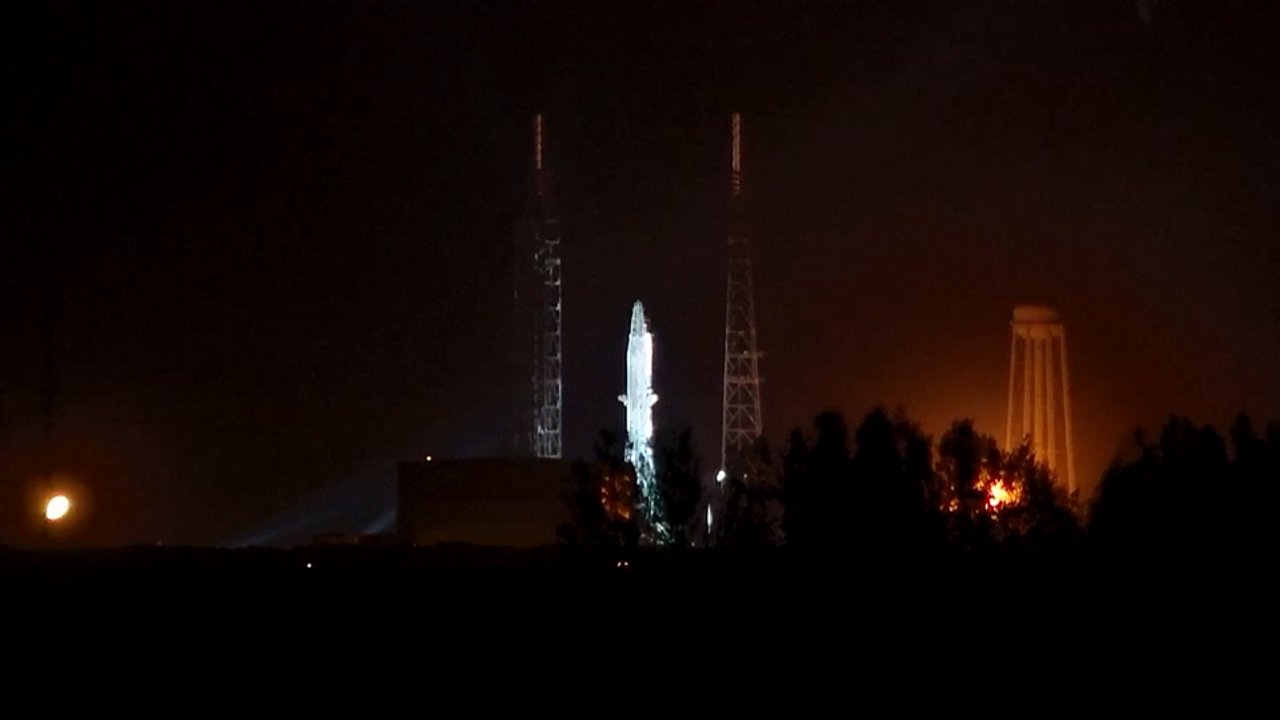
In late May, Blue Origin's New Glenn rocket exploded during a routine engine test. No one was hurt. But the explosion badly damaged the launch pad, and that's a serious problem.
New Glenn had flown once before, in a test flight in January 2025. Now the next flight is delayed by months. That delay affects more than just Blue Origin — it pushes back NASA's entire Moon program.
Here's the plan that's now on hold: a robotic lander was set to touch down near the Moon's south pole later this year, scouting the best site for a future Moon base. A crewed mission would follow in 2027. Then two more astronaut landings. Then, in 2028, construction would begin on the base itself.
Each step in that timeline now needs to move back.
Not all the news is bad. While Blue Origin investigates what went wrong, rival company SpaceX successfully launched its own rocket, a Falcon 9. One setback hasn't slowed the space industry down.
In Discoveries at the South Pole, narrator Sir David Attenborough describes how scientists on Antarctica work to learn about the atmosphere, how volcanoes influence the air we breathe, about cosmic rays that are just reaching Earth, and what the interior of Antarctica is made of. This video is excerpted from BBC’s Frozen Planet, a series that shows a fragile world of beauty and hostility, where nature finds a way to survive and thrive in frigid conditions.
In A Weddell Seal Family's Journey, narrator Sir David Attenborough describes how a mother seal and her pup brave the freezing cold near the South Pole. These seals are the only animals that can survive here, staying warm thanks to a thick layer of fat beneath their skin and their special fur. The mother feeds her pup and carefully maintains their diving hole in the water to prevent it from freezing over, ensuring they can get air. And, at just one week old, the pup takes its first swim beneath the ice! This video is excerpted from BBC’s Life, a show that explores the remarkable strategies animals and plants use to ensure their survival.
In Antarctic Research Station, narrator Sir David Attenborough shares the story of Robert Scott and Roald Amundsen, the first explorers to reach the South Pole. Learn about how research at the South Pole has developed and see inside the Scott-Amundsen Research Station. This video is excerpted from BBC’s Frozen Planet, a series that shows a fragile world of beauty and hostility, where nature finds a way to survive and thrive in frigid conditions.
In Polar Seasons and Life at the Extremes, narrator Sir David Attenborough describes life in the coldest, most extreme places on the planet. Learn how the seasons at the Poles have a rhythm of their own that only the toughest species can endure. This video is excerpted from BBC’s Frozen Planet, a series that shows a fragile world of beauty and hostility, where nature finds a way to survive and thrive in frigid conditions.
In The Go Jetters Discover the Magic of Antarctica!, the Go Jetters crew travels to Antarctica, the coldest and windiest place on Earth. In this frozen land, you'll discover huge ice rivers called glaciers, and even hear the ice creak as it moves! Learn all about the South Pole, where penguins live and play, and explore the world’s biggest glacier, the Lambert Glacier. This video is excerpted from BBC’s Go Jetters, a series that follows the adventures of four plucky international heroes as they travel the globe visiting the world’s most famous landmarks with their friend and mentor, Ubercorn, a disco-dancing unicorn.
In this lesson, your students will step into the shoes of Antarctic scientists! They'll dive into the fascinating world of Antarctic research stations and unique wildlife with video clips from BBC’s Seven Worlds, One Planet and Frozen Planet. After exploring the videos and researching more about this frozen continent, your students will write a creative journal entry from the perspective of a research scientist sharing their experiences in Antarctica. You’ll wrap up the lesson with a meaningful class discussion about why studying Antarctica matters and how the discoveries made there could shape our world.
In The Dancing Lights of the Auroras s, narrator Sir David Attenborough explains how auroras are formed at the North and South Poles. Watch these amazing dancing lights move through the sky. This video is excerpted from BBC’s Frozen Planet, a series that shows a fragile world of beauty and hostility, where nature finds a way to survive and thrive in frigid conditions.
“Shoot for the Moon — if you miss, you’ll land among the stars,” won’t cut it for NASA, who says “Nah, Moon or bust.”
NASA’s got big plans, and their names are Moonbase 1, 2, and 3. They were too busy working on the science to put more into the names, okay? Moonbase 1 will be the first privately-funded lander to reach the lunar south pole, Moonbase 2 will deliver a record amount of equipment that would support astronauts at a lunar base, and Moonbase 3 will focus on gathering research and data.
But these are just glimpses of NASA’s lunar ambitions, namely to put a base on the Moon. It starts with sending dozens of rovers and lunar landers to scope out the perfect spot, followed by building small cabins for short missions, and then building larger structures sustained by nuclear power for the long term. That’s not until 2033, but NASA wants to send astronauts back to the lunar surface by 2028.
In late May, Blue Origin's New Glenn rocket exploded during a routine engine test. No one was hurt. But the explosion badly damaged the launch pad, and that's a serious problem.
New Glenn had flown once before, in a test flight in January 2025. Now the next flight is delayed by months. That delay affects more than just Blue Origin — it pushes back NASA's entire Moon program.
Here's the plan that's now on hold: a robotic lander was set to touch down near the Moon's south pole later this year, scouting the best site for a future Moon base. A crewed mission would follow in 2027. Then two more astronaut landings. Then, in 2028, construction would begin on the base itself.
Each step in that timeline now needs to move back.
Not all the news is bad. While Blue Origin investigates what went wrong, rival company SpaceX successfully launched its own rocket, a Falcon 9. One setback hasn't slowed the space industry down.