
The article "What Was It Like to Be a Kid in the Middle Ages?" from BBC's HistoryExtra explores what life was like for children during the Middle Ages. The article highlights how children's lives were shaped by age, gender, class, and religion. It also reveals surprising facts about literacy, mortality rates, and how children played, worked, and were disciplined.
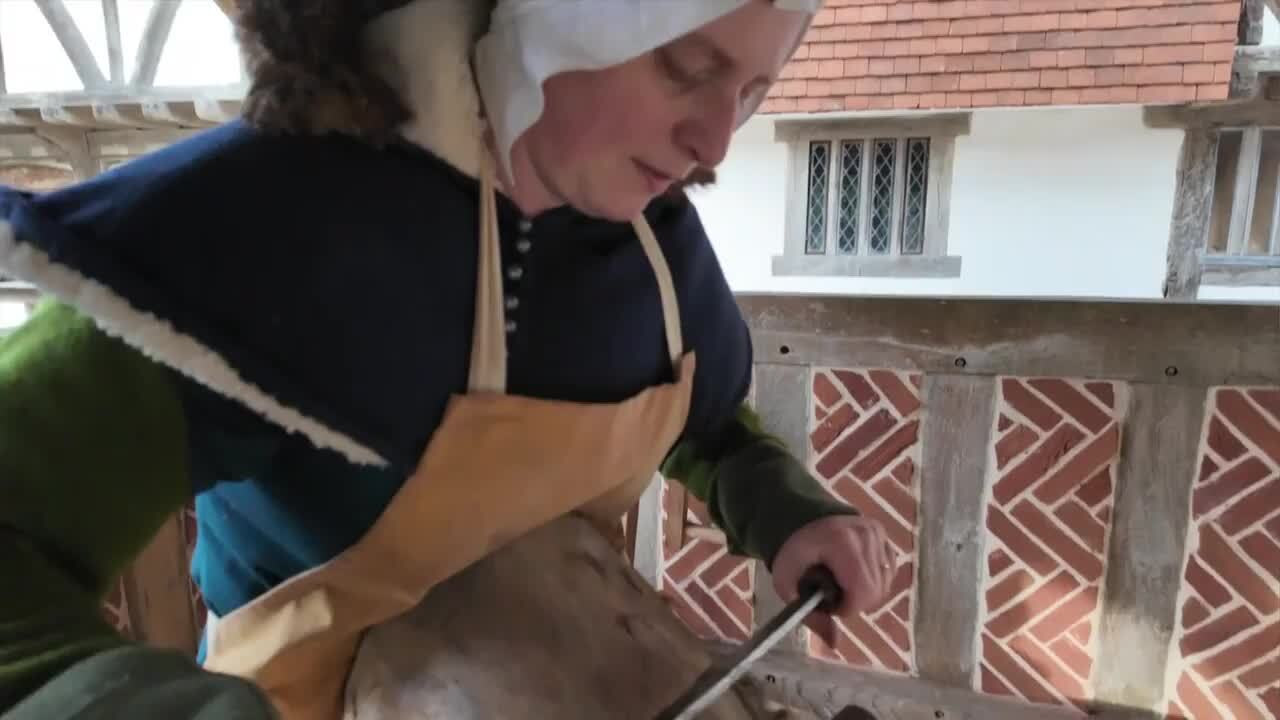
At the Weald & Downland Living Museum, a group of volunteers has stepped straight into the year 1461 — and they’re sticking to it. That means no electricity, no central heating, no phones, and no modern conveniences.
They’re living, working, eating, and sleeping the medieval way: cooking over open fires, coping with cold and damp conditions, and adjusting to just two simple meals a day (including a lot of porridge). There’s no caffeine, no snacks, and definitely no scrolling.
It’s a tough experiment in historical living — but one surprising takeaway so far? They don’t miss their phones as much as they expected.
The article "What Was It Like to Be a Kid in the Middle Ages?" from BBC's HistoryExtra explores what life was like for children during the Middle Ages. The article highlights how children's lives were shaped by age, gender, class, and religion. It also reveals surprising facts about literacy, mortality rates, and how children played, worked, and were disciplined.
At the Weald & Downland Living Museum, a group of volunteers has stepped straight into the year 1461 — and they’re sticking to it. That means no electricity, no central heating, no phones, and no modern conveniences.
They’re living, working, eating, and sleeping the medieval way: cooking over open fires, coping with cold and damp conditions, and adjusting to just two simple meals a day (including a lot of porridge). There’s no caffeine, no snacks, and definitely no scrolling.
It’s a tough experiment in historical living — but one surprising takeaway so far? They don’t miss their phones as much as they expected.