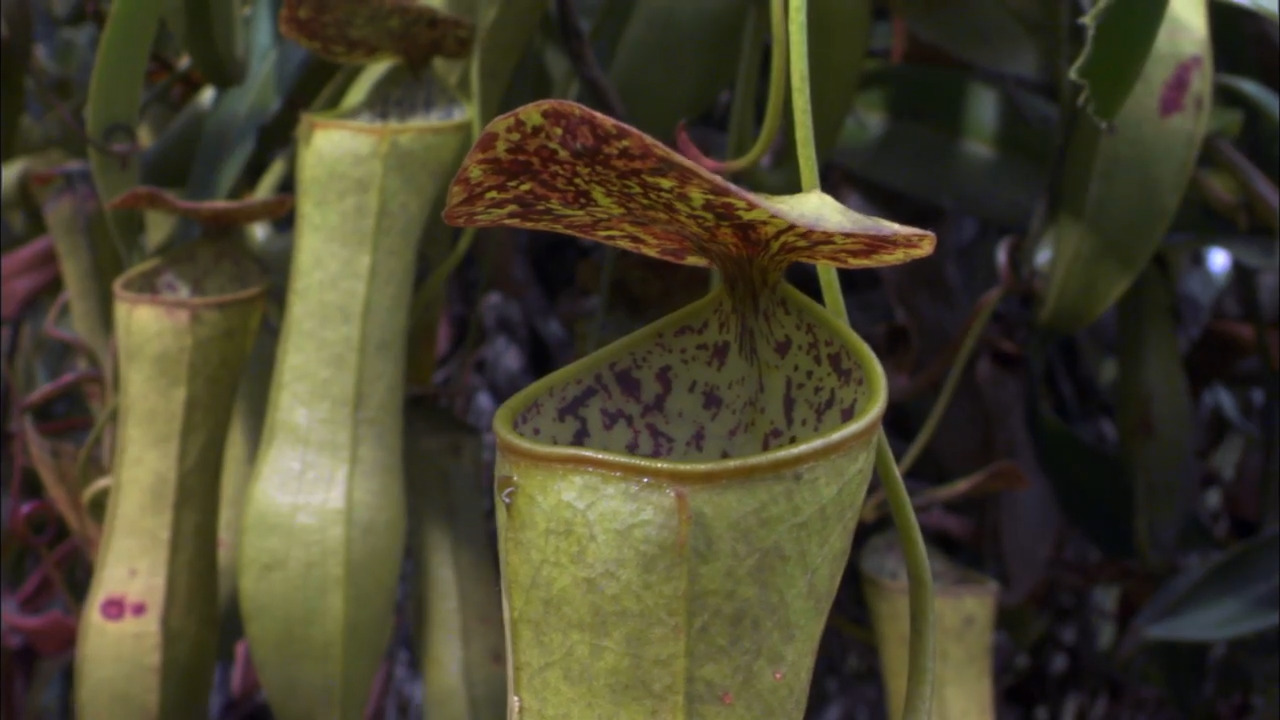
In Meet the Pitcher Plant, narrator Sir David Attenborough explores the pitcher plant. The pitcher plant gets most of its nutrients from insects, which it traps using its waxy sides to prevent insects from escaping. Learn how the red crab spider spends its entire life inside pitcher plants, and can dive down to the bottom of the pitcher by creating a bubble of air around itself. This video is excerpted from BBC's Planet Earth, a breathtaking documentary series that highlights the natural wonders of our planet.
Rainforests are the densest, most species-rich ecosystems on Earth. From the Amazon to the jungles of Southeast Asia, they're packed with towering trees and hidden creatures most students will never see anywhere else.
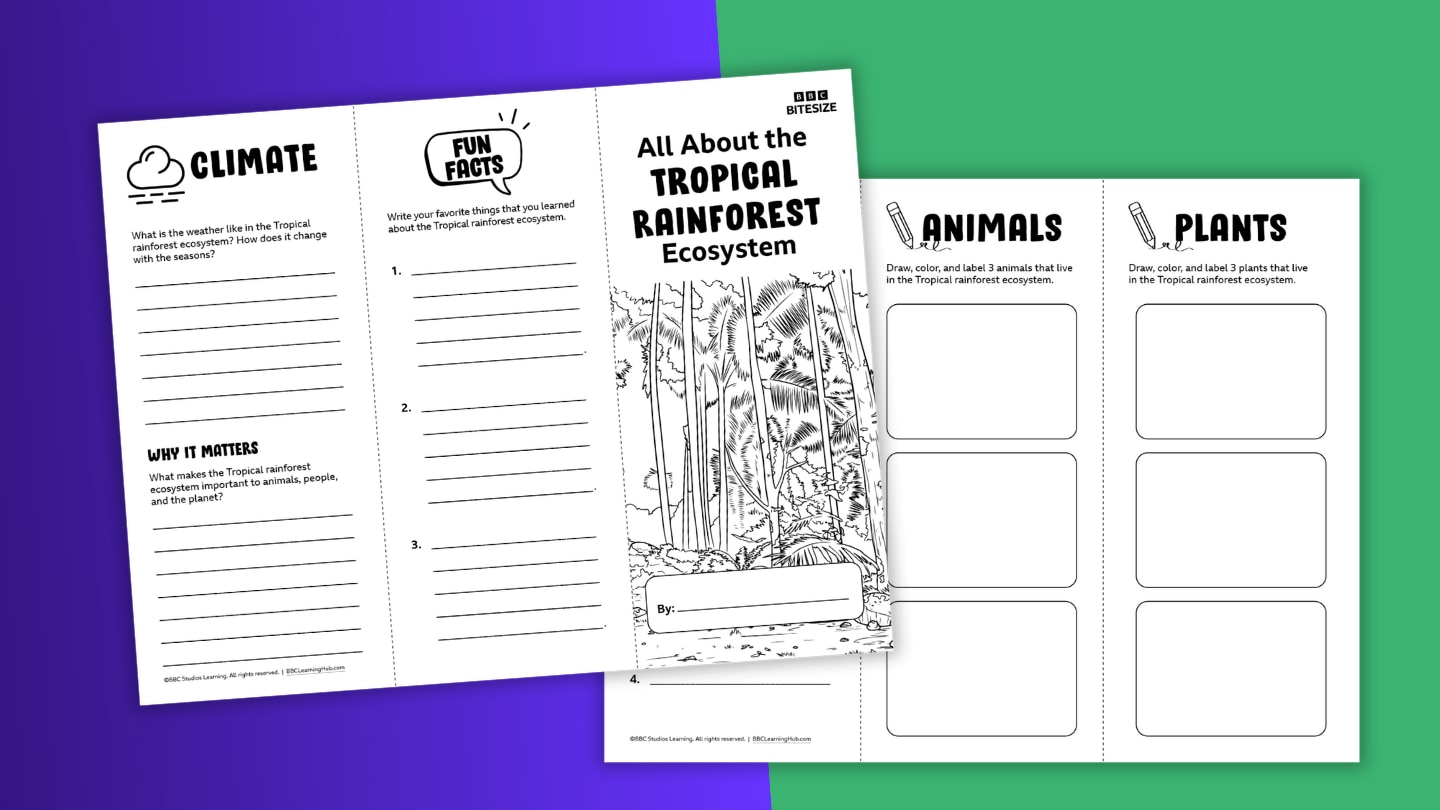
After watching rainforest video clips, have students dig deeper with their own research and build a brochure covering:
- Location of the ecosystem on a world map
- Adjectives that describe the ecosystem
- Three animals that live there
- Three plants that grow there
- The climate
- Why the ecosystem matters
- Their favorite fun facts
Students summarize in their own words, which means they're practicing a real skill: pulling information from multiple sources and deciding what's worth keeping.
Same pattern as the other two — happy to adjust the opening if "densest, most species-rich" reads too textbook-y for what you want.
In Meet the Pitcher Plant, narrator Sir David Attenborough explores the pitcher plant. The pitcher plant gets most of its nutrients from insects, which it traps using its waxy sides to prevent insects from escaping. Learn how the red crab spider spends its entire life inside pitcher plants, and can dive down to the bottom of the pitcher by creating a bubble of air around itself. This video is excerpted from BBC's Planet Earth, a breathtaking documentary series that highlights the natural wonders of our planet.
Rainforests are the densest, most species-rich ecosystems on Earth. From the Amazon to the jungles of Southeast Asia, they're packed with towering trees and hidden creatures most students will never see anywhere else.
After watching rainforest video clips, have students dig deeper with their own research and build a brochure covering:
- Location of the ecosystem on a world map
- Adjectives that describe the ecosystem
- Three animals that live there
- Three plants that grow there
- The climate
- Why the ecosystem matters
- Their favorite fun facts
Students summarize in their own words, which means they're practicing a real skill: pulling information from multiple sources and deciding what's worth keeping.
Same pattern as the other two — happy to adjust the opening if "densest, most species-rich" reads too textbook-y for what you want.