
The article "Is It True That the Pacific and Atlantic Oceans Don’t Mix?" from BBC's Science Focus debunks the viral myth that these two oceans remain separate. It explains how their waters do mix due to ocean currents and salinity differences.
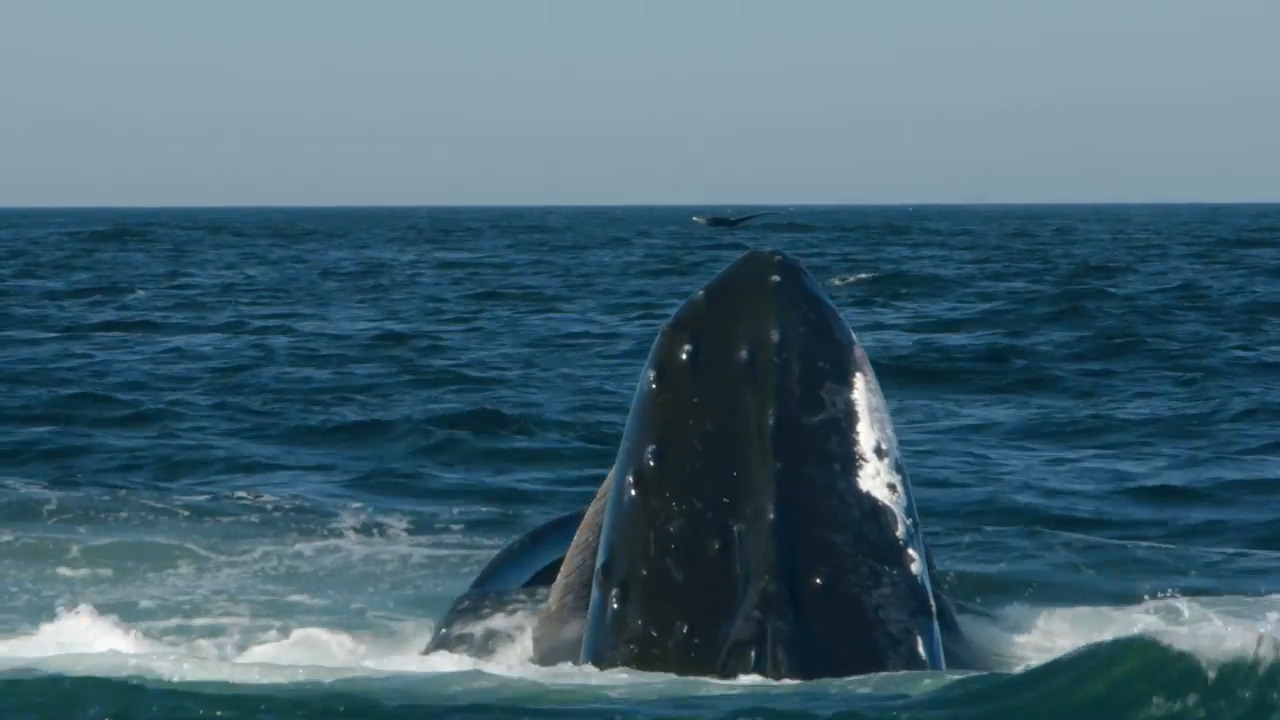
In How Blubber Keeps Whales Warm, evolutionary biologist Ben Garrod shows how the blubber of different types of whales is uniquely suited to keep them warm in cold ocean waters. Discover the specific adaptations of three whale species: the minke, humpback, and bowhead, and how their blubber thickness correlates with the cold environments they inhabit. Understand the importance of these adaptations in whale survival and how blubber functions as both an insulator and an energy store. This video is excerpted from Secrets of Skin, a documentary series exploring the natural history of the body’s largest organ.
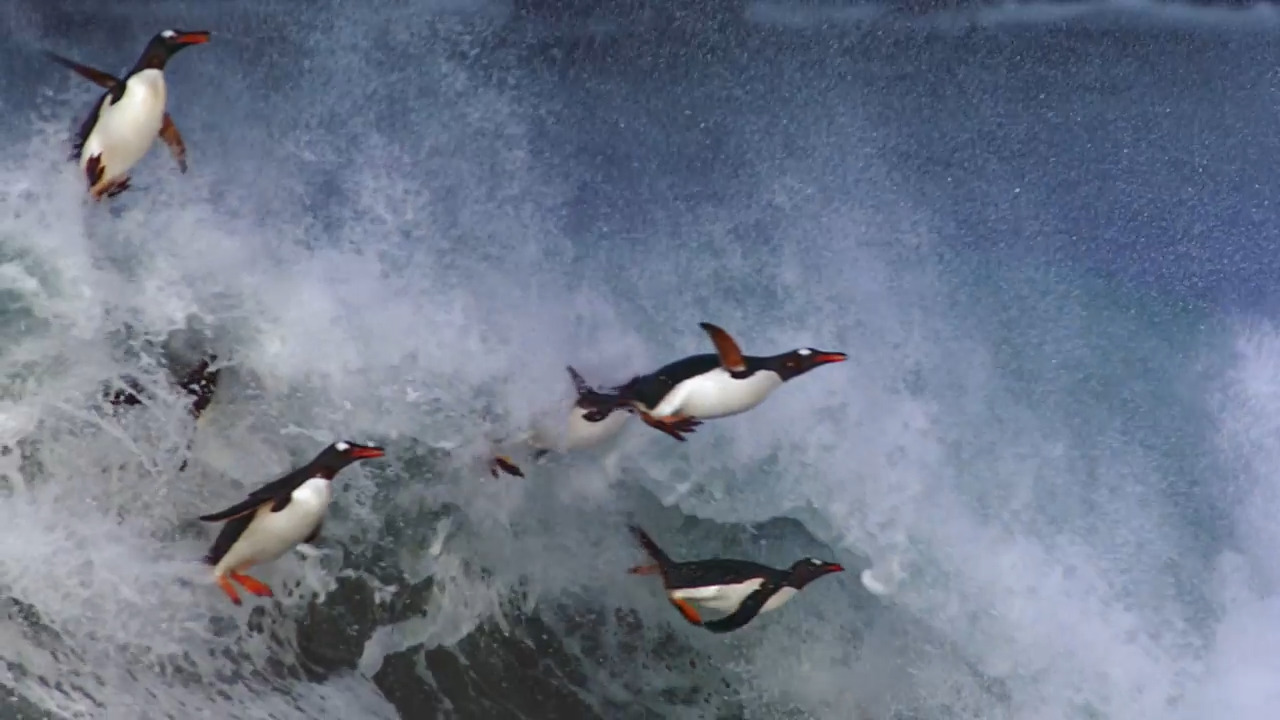
In Mile-Long Icebergs Along the Antarctic Coast, narrator Sir David Attenborough describes the frozen southern continent that is surrounded by mile-long icebergs and freezing waters. But under the water, the ocean is teeming with life. Watch gentoo penguins leap and hop onto land. This video is excerpted from BBC’s Frozen Planet, a series that shows a fragile world of beauty and hostility, where nature finds a way to survive and thrive in frigid conditions.
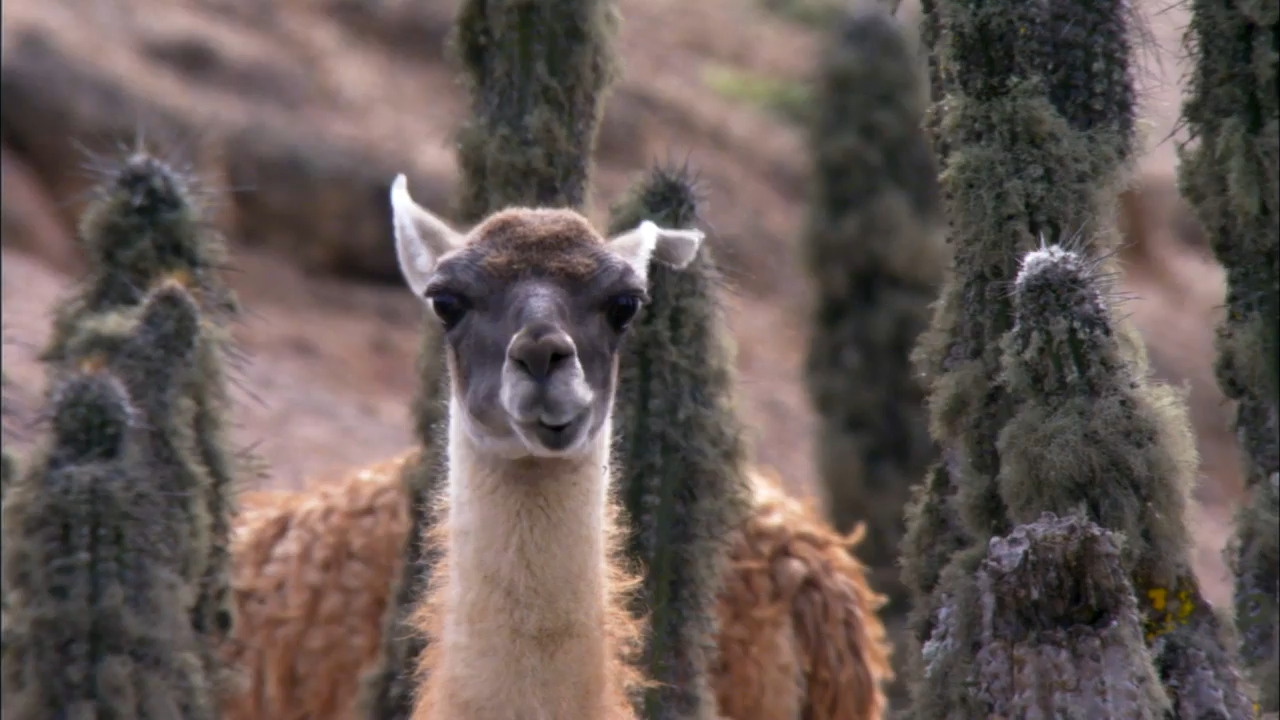
In The Atacama Desert: A Secret Water Supply, narrator Sir David Attenborough explores The Atacama, the driest desert in the world. Learn about the guanaco that live there and the desert mist, created when cold water from the ocean cools the moist, warm air above it. This video is excerpted from BBC's Planet Earth, a breathtaking documentary series that highlights the natural wonders of our planet.
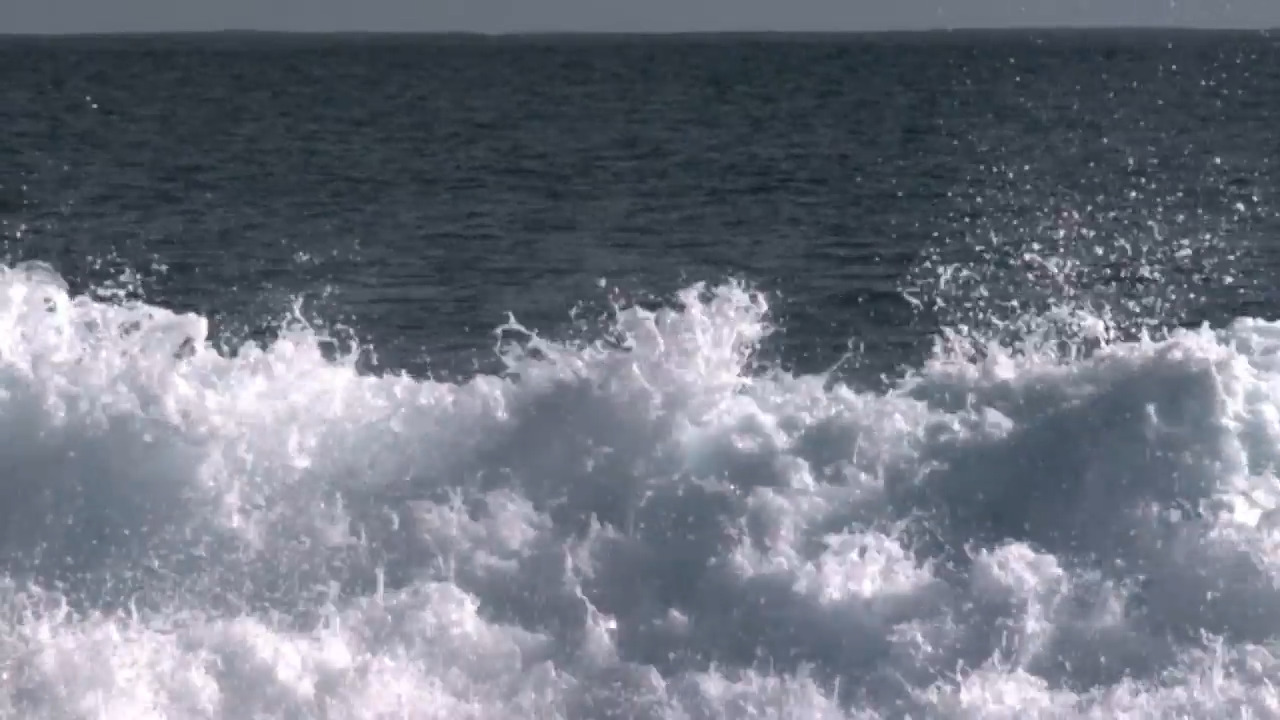
In How Energy Travels Across the Seas, geologist Iain Stewart explains why Earth is called the "blue planet," with over three-quarters of its surface covered by water. Explore how the ocean shapes coastlines and carries powerful energy across the planet, creating crashing waves that start as tiny ripples from a breeze. See the raw power of the sea in Hawaii and learn how tides form from the pull of the Moon and Sun. Next watch how this energy creates massive tidal waves, like the powerful tidal bore in the Amazon River, moving upstream and carrying more water than the flow of Niagara Falls! This video is excerpted from BBC’s Earth: The Power of the Planet, a documentary series in which Dr. Iain Stewart discovers how Earth's forces can shape nature, species, and even the climate.
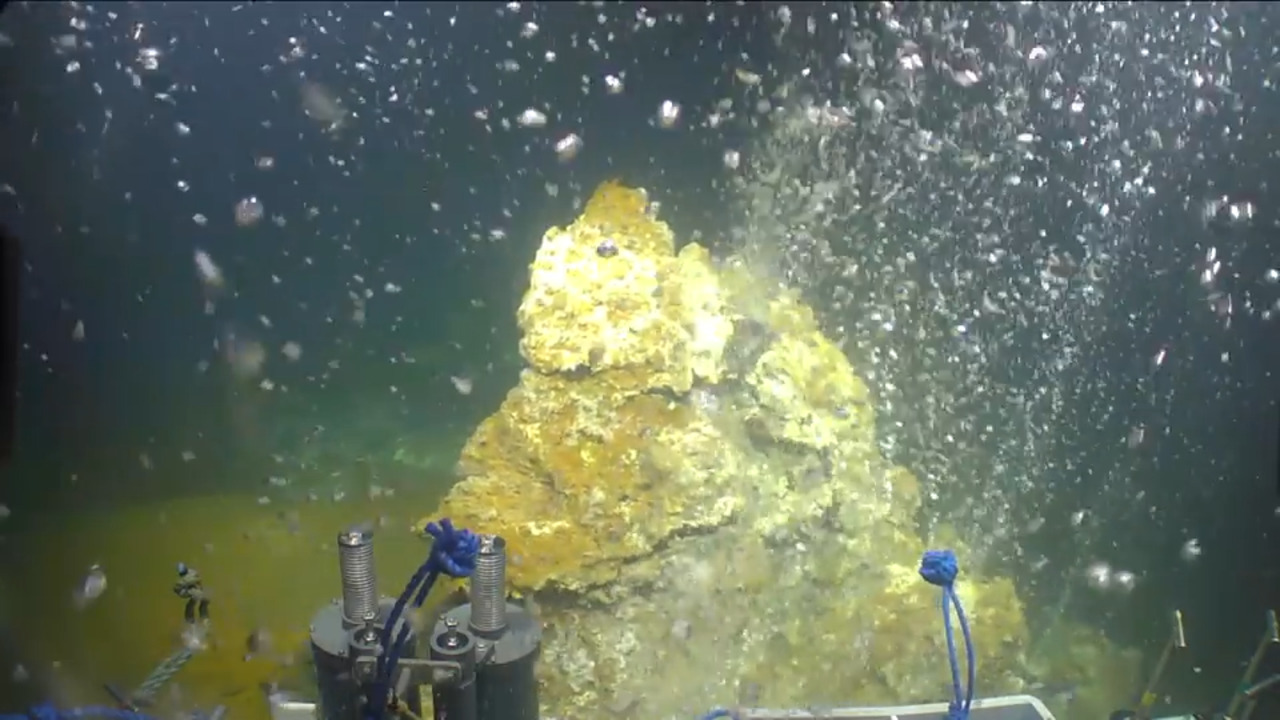
Underwater volcanoes are some of the least visible — but most important — geological features on Earth. Scientist Dr. Isobel Yeo studies these deep-sea volcanoes near the Greek island of Santorini using remotely-operated underwater robots. These robotic tools allow researchers to safely explore volcanic regions and locate hydrothermal vents, where hot gases and fluids escape from cracks in Earth’s crust.
Her team is focused on understanding how underwater eruptions behave differently from those on land. The surrounding water pressure, temperature, and ocean currents can all influence how magma and gases move during an eruption. By studying these systems, scientists can improve predictions of volcanic activity and better understand potential risks.
Although an eruption is not expected soon, this research is important for improving early warning systems and helping nearby coastal communities prepare for future volcanic events.
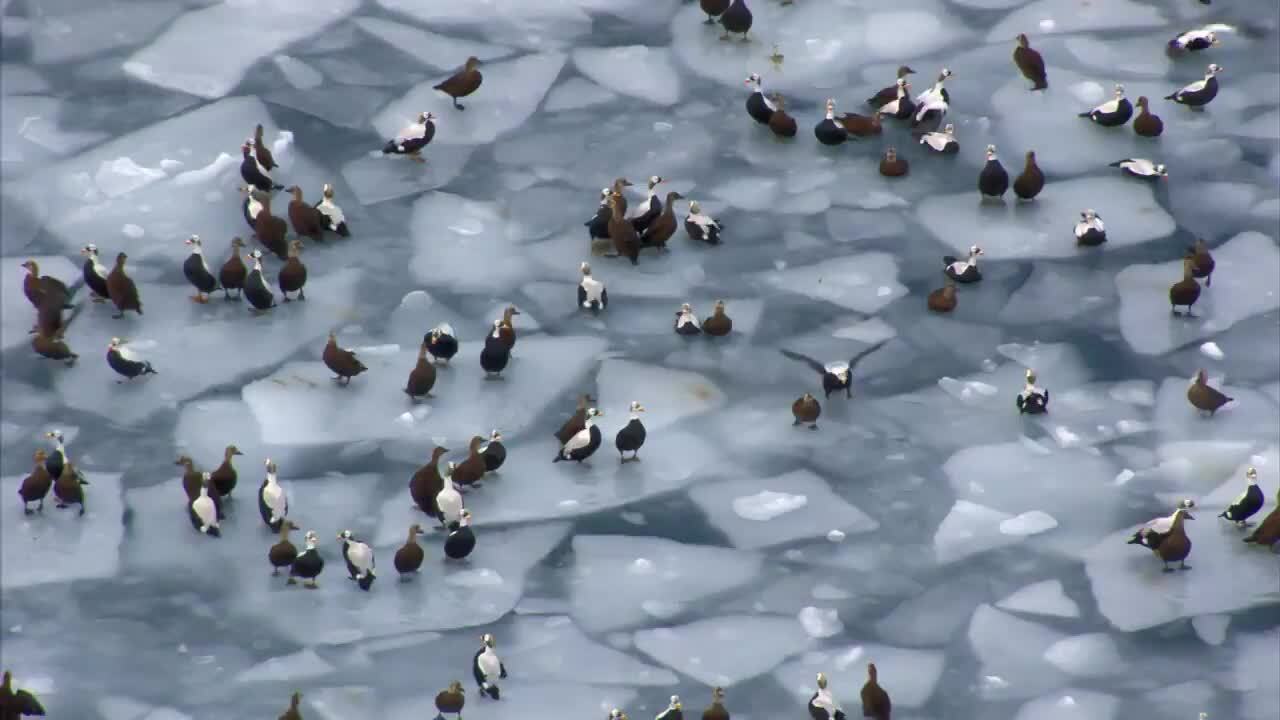
In Ducks in the Arctic, narrator Sir David Attenborough shows ducks on their annual migration through the Arctic. They stop to rest and eat where gaps in the ice allow them to access the rich waters below. But the ocean is freezing over and when a winter storm comes, the gamble of staying longer in the freezing Arctic will not pay off for some of them. This video is excerpted from BBC’s Frozen Planet, a series that shows a fragile world of beauty and hostility, where nature finds a way to survive and thrive in frigid conditions.
According to the Met Office, the UK's national weather and climate service, people may be getting a little too relaxed about the weather. Conditions that once would have seemed extreme are starting to feel normal.
2025 was the UK's hottest year since records began in 1884. Four of the last five years now rank among the five hottest on record. In southeast England, the hottest day of the year is now about 4.5°C (about 8°F) warmer on average than it was in the 1960s.
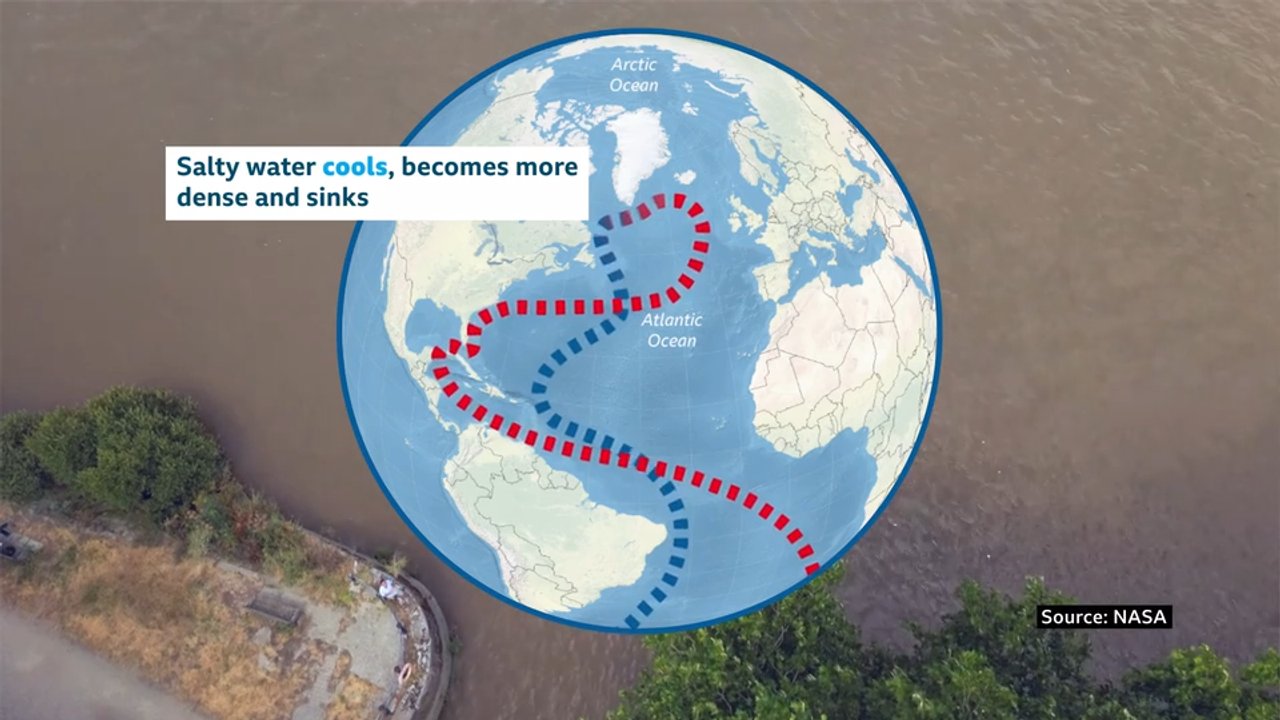
This is about more than buying extra fans. Scientists are also worried about changes in the Atlantic Ocean. Normally, warm, salty water flows north from the tropics — the hot region near the equator — and passes the UK. This keeps the UK's weather milder than you'd expect for a country so far north. Near Greenland, a huge icy island in the North Atlantic, the water cools, gets heavier, sinks, and flows back south.
At least, that's how it's supposed to work. There are signs this current may be slowing down. If it weakens a lot, the UK could lose some of that warmth. That could bring colder winters and even bigger swings in the weather, on top of the heat.
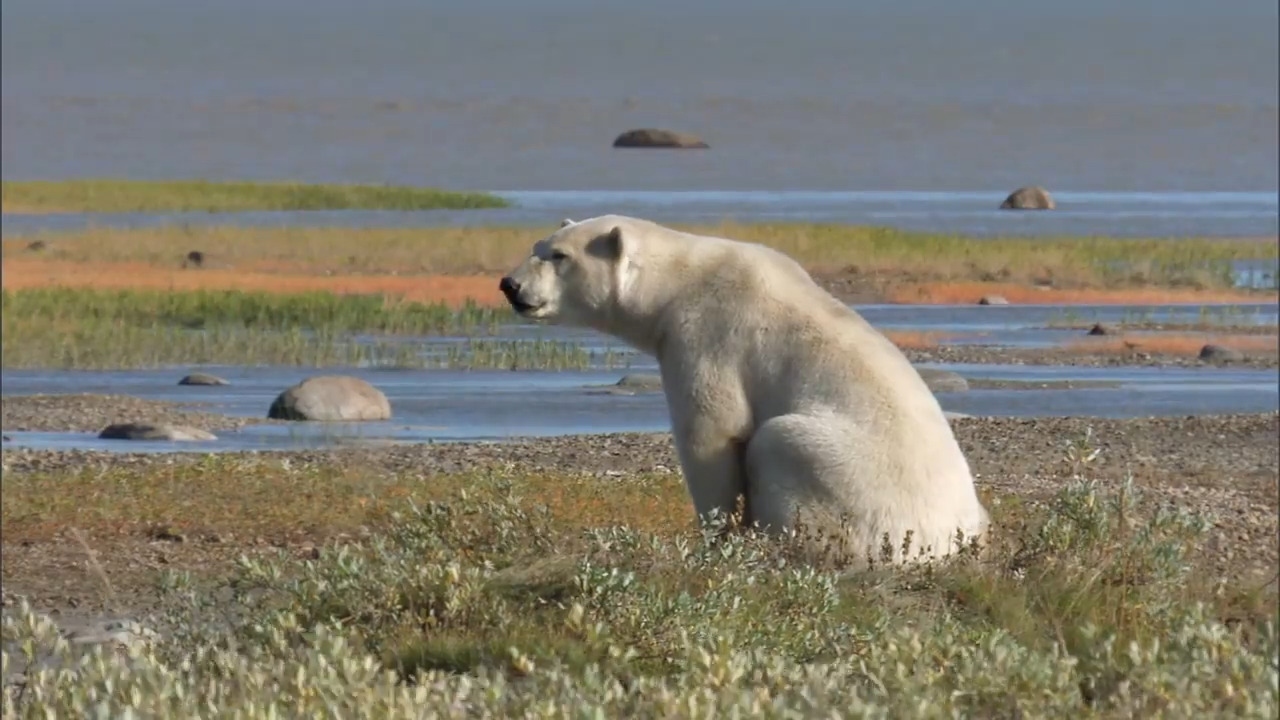
In Polar Bears in Autumn, narrator Sir David Attenborough describes how autumn is beginning and polar bears are gathering along the edge of the water to wait for the ocean to freeze. Bears bide their time by play fighting and finding anything they can to gnaw on. This video is excerpted from BBC’s Frozen Planet, a series that shows a fragile world of beauty and hostility, where nature finds a way to survive and thrive in frigid conditions.
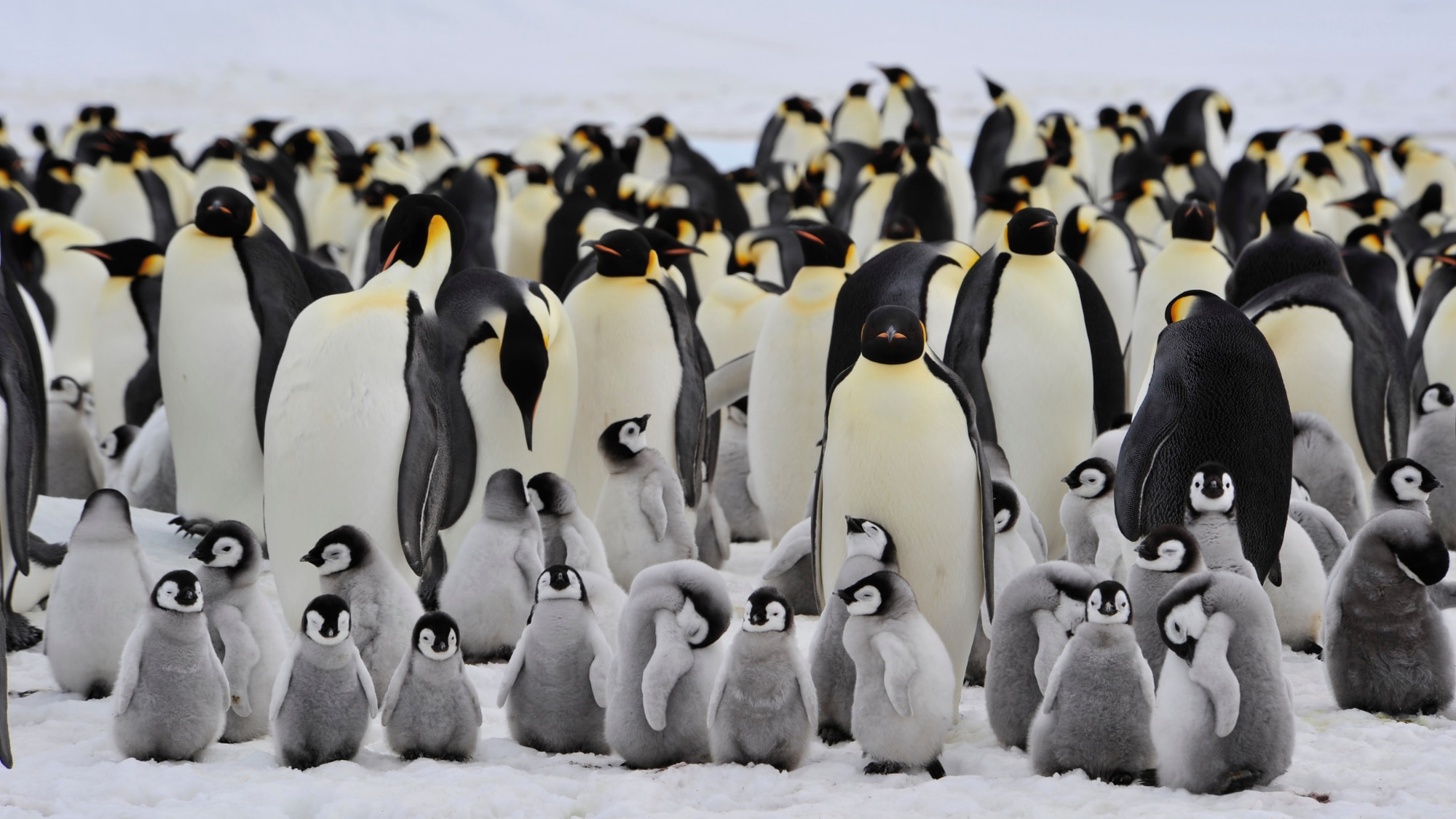
Journey to some of the coldest and wildest places on Earth to see how penguins survive in environments shaped by wind, ice, and ocean. Watch them dive through frigid waters in search of food, gather in busy colonies, care for their chicks, and face predators such as leopard seals.
Discover the adaptations that make these flightless birds so well suited to life at sea, from streamlined bodies and powerful flippers to dense feathers that help protect them from the cold. Meet emperor penguins enduring the extreme Antarctic winter and see the extraordinary behaviors that help penguin parents protect their eggs and raise their young.
Featuring unforgettable footage from Blue Planet and other BBC favorites, these clips reveal penguins as skilled swimmers, devoted parents, and surprisingly tough survivors. They may waddle on land, but underwater, it’s a completely different story.
The water you drink today may once have fallen as rain thousands of miles away. Explore the incredible journey water takes as it moves between the oceans, land, atmosphere, and living things. Watch the BBC videos below, then take the Kahoot and follow every step of the water cycle.
Discover how the same water has been traveling around Earth for billions of years. From evaporation and condensation to precipitation and runoff, discover how water is continuously recycled around the planet and why this process is essential for life on Earth.
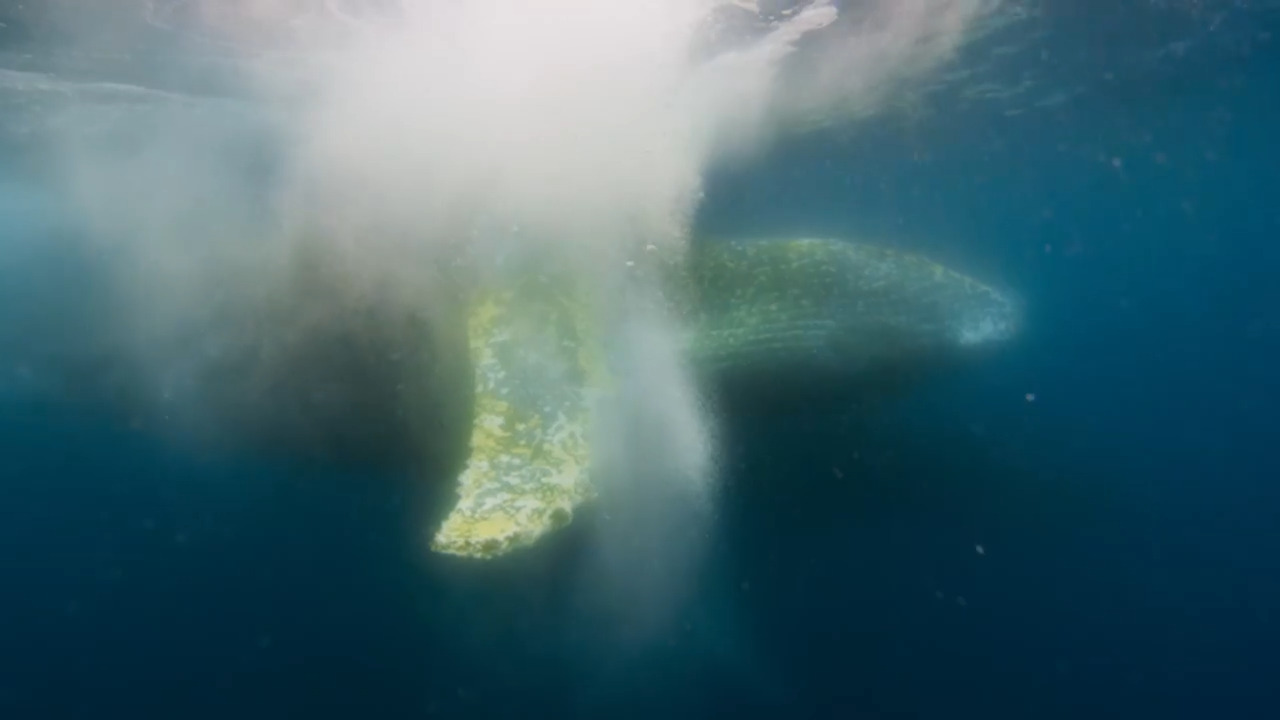
In The Sophisticated Feeding Technique of Humpback Whales, narrator Sir David Attenborough explores the Southern Ocean and the humpback whales that feed there. When Antarctica broke off from South America, it created swirling currents that sweep up nutrients from the bottom of the ocean, making it one of the richest waters on earth. In the summer, humpback whales come there to feast on shoals of krill, blowing curtains of bubbles and spiraling inwards to capture the swarm. This video is excerpted from BBC’s Seven Worlds, One Planet, a series featuring remarkable animal behavior from all seven continents.
The article "Is It True That the Pacific and Atlantic Oceans Don’t Mix?" from BBC's Science Focus debunks the viral myth that these two oceans remain separate. It explains how their waters do mix due to ocean currents and salinity differences.
In How Blubber Keeps Whales Warm, evolutionary biologist Ben Garrod shows how the blubber of different types of whales is uniquely suited to keep them warm in cold ocean waters. Discover the specific adaptations of three whale species: the minke, humpback, and bowhead, and how their blubber thickness correlates with the cold environments they inhabit. Understand the importance of these adaptations in whale survival and how blubber functions as both an insulator and an energy store. This video is excerpted from Secrets of Skin, a documentary series exploring the natural history of the body’s largest organ.
In Mile-Long Icebergs Along the Antarctic Coast, narrator Sir David Attenborough describes the frozen southern continent that is surrounded by mile-long icebergs and freezing waters. But under the water, the ocean is teeming with life. Watch gentoo penguins leap and hop onto land. This video is excerpted from BBC’s Frozen Planet, a series that shows a fragile world of beauty and hostility, where nature finds a way to survive and thrive in frigid conditions.
In The Atacama Desert: A Secret Water Supply, narrator Sir David Attenborough explores The Atacama, the driest desert in the world. Learn about the guanaco that live there and the desert mist, created when cold water from the ocean cools the moist, warm air above it. This video is excerpted from BBC's Planet Earth, a breathtaking documentary series that highlights the natural wonders of our planet.
In How Energy Travels Across the Seas, geologist Iain Stewart explains why Earth is called the "blue planet," with over three-quarters of its surface covered by water. Explore how the ocean shapes coastlines and carries powerful energy across the planet, creating crashing waves that start as tiny ripples from a breeze. See the raw power of the sea in Hawaii and learn how tides form from the pull of the Moon and Sun. Next watch how this energy creates massive tidal waves, like the powerful tidal bore in the Amazon River, moving upstream and carrying more water than the flow of Niagara Falls! This video is excerpted from BBC’s Earth: The Power of the Planet, a documentary series in which Dr. Iain Stewart discovers how Earth's forces can shape nature, species, and even the climate.
Underwater volcanoes are some of the least visible — but most important — geological features on Earth. Scientist Dr. Isobel Yeo studies these deep-sea volcanoes near the Greek island of Santorini using remotely-operated underwater robots. These robotic tools allow researchers to safely explore volcanic regions and locate hydrothermal vents, where hot gases and fluids escape from cracks in Earth’s crust.
Her team is focused on understanding how underwater eruptions behave differently from those on land. The surrounding water pressure, temperature, and ocean currents can all influence how magma and gases move during an eruption. By studying these systems, scientists can improve predictions of volcanic activity and better understand potential risks.
Although an eruption is not expected soon, this research is important for improving early warning systems and helping nearby coastal communities prepare for future volcanic events.
In Ducks in the Arctic, narrator Sir David Attenborough shows ducks on their annual migration through the Arctic. They stop to rest and eat where gaps in the ice allow them to access the rich waters below. But the ocean is freezing over and when a winter storm comes, the gamble of staying longer in the freezing Arctic will not pay off for some of them. This video is excerpted from BBC’s Frozen Planet, a series that shows a fragile world of beauty and hostility, where nature finds a way to survive and thrive in frigid conditions.
According to the Met Office, the UK's national weather and climate service, people may be getting a little too relaxed about the weather. Conditions that once would have seemed extreme are starting to feel normal.
2025 was the UK's hottest year since records began in 1884. Four of the last five years now rank among the five hottest on record. In southeast England, the hottest day of the year is now about 4.5°C (about 8°F) warmer on average than it was in the 1960s.
This is about more than buying extra fans. Scientists are also worried about changes in the Atlantic Ocean. Normally, warm, salty water flows north from the tropics — the hot region near the equator — and passes the UK. This keeps the UK's weather milder than you'd expect for a country so far north. Near Greenland, a huge icy island in the North Atlantic, the water cools, gets heavier, sinks, and flows back south.
At least, that's how it's supposed to work. There are signs this current may be slowing down. If it weakens a lot, the UK could lose some of that warmth. That could bring colder winters and even bigger swings in the weather, on top of the heat.
In Polar Bears in Autumn, narrator Sir David Attenborough describes how autumn is beginning and polar bears are gathering along the edge of the water to wait for the ocean to freeze. Bears bide their time by play fighting and finding anything they can to gnaw on. This video is excerpted from BBC’s Frozen Planet, a series that shows a fragile world of beauty and hostility, where nature finds a way to survive and thrive in frigid conditions.
Journey to some of the coldest and wildest places on Earth to see how penguins survive in environments shaped by wind, ice, and ocean. Watch them dive through frigid waters in search of food, gather in busy colonies, care for their chicks, and face predators such as leopard seals.
Discover the adaptations that make these flightless birds so well suited to life at sea, from streamlined bodies and powerful flippers to dense feathers that help protect them from the cold. Meet emperor penguins enduring the extreme Antarctic winter and see the extraordinary behaviors that help penguin parents protect their eggs and raise their young.
Featuring unforgettable footage from Blue Planet and other BBC favorites, these clips reveal penguins as skilled swimmers, devoted parents, and surprisingly tough survivors. They may waddle on land, but underwater, it’s a completely different story.
The water you drink today may once have fallen as rain thousands of miles away. Explore the incredible journey water takes as it moves between the oceans, land, atmosphere, and living things. Watch the BBC videos below, then take the Kahoot and follow every step of the water cycle.
Discover how the same water has been traveling around Earth for billions of years. From evaporation and condensation to precipitation and runoff, discover how water is continuously recycled around the planet and why this process is essential for life on Earth.
In The Sophisticated Feeding Technique of Humpback Whales, narrator Sir David Attenborough explores the Southern Ocean and the humpback whales that feed there. When Antarctica broke off from South America, it created swirling currents that sweep up nutrients from the bottom of the ocean, making it one of the richest waters on earth. In the summer, humpback whales come there to feast on shoals of krill, blowing curtains of bubbles and spiraling inwards to capture the swarm. This video is excerpted from BBC’s Seven Worlds, One Planet, a series featuring remarkable animal behavior from all seven continents.