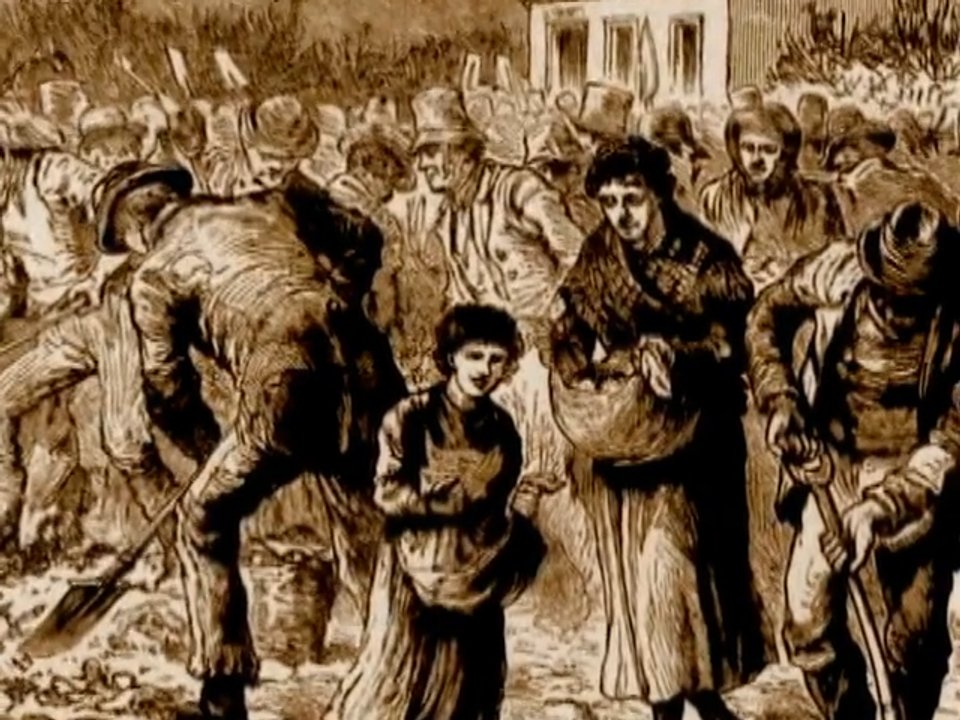
Beginning in 1845, the Irish Potato Famine devastated Ireland when a disease destroyed potato crops that millions of people depended on for food. More than a million people died, while inadequate relief efforts, poverty, and evictions worsened the crisis. Many Irish families faced starvation or were forced from their homes. Hundreds of thousands emigrated, often aboard overcrowded ships with poor conditions. Many who sailed to Canada encountered disease and hardship, and survivors continued to the United States and other destinations in search of new lives.
The famine transformed Ireland’s population, economy, and agricultural system. Mass migration reshaped communities in North America, particularly in the United States, where Irish immigrants faced discrimination while contributing to the country’s growing workforce and urban life. The famine also exposed the consequences of poverty, unequal land ownership, and government policies during a humanitarian crisis.
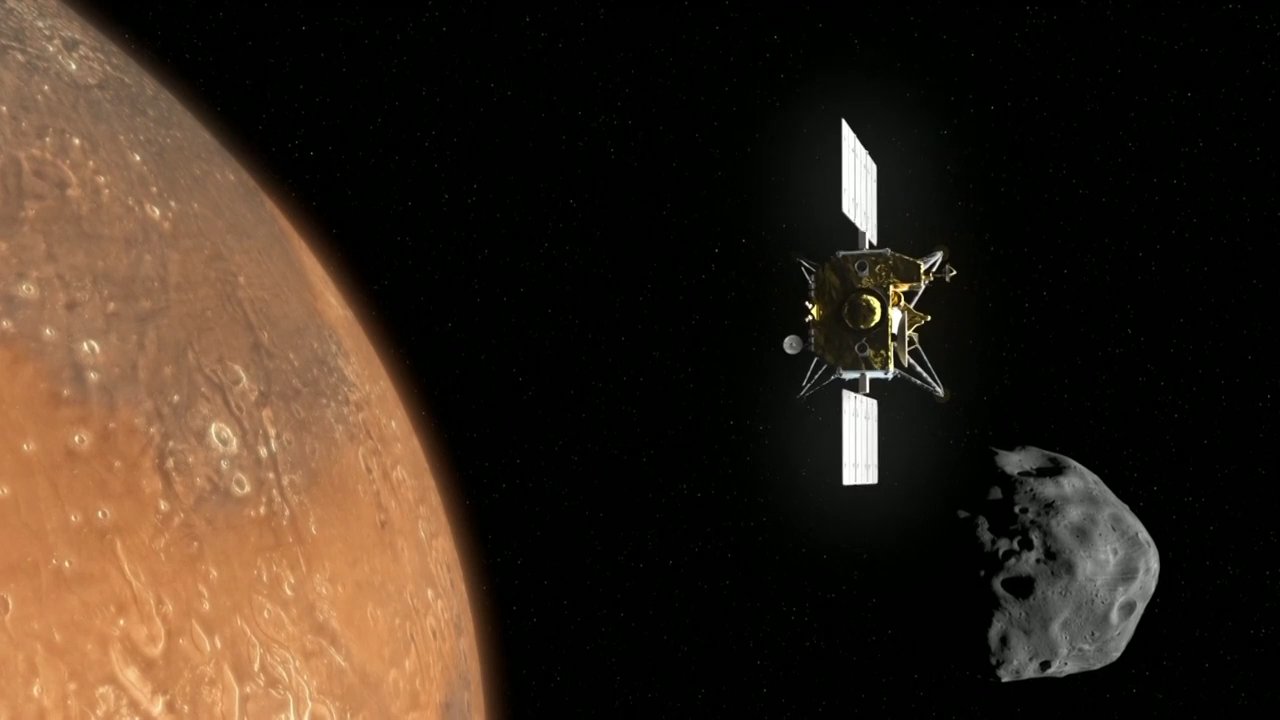
The Mars Moons Exploration’s mission: grab a piece of one of Mars’s moons and bring it back to Earth. Talk about a big job! No wonder this is the first time anyone’s ever attempted this.
Our inner Solar System has only three moons: one for Earth and two for Mars. Mars may have two moons, but they’re both relatively small. The smaller moon, Deimos, is about 6 miles across. Phobos is around double that, but, at 12 miles across, its diameter is still closer to the distance to your local grocery store than the size of Earth’s Moon (which is over 2,000 miles across).
Scientists want to bring a sample from Phobos back to Earth, which should hopefully help answer the question: How exactly did these Mars moons form? One possibility is that a giant impact on early Mars blasted debris into space that later became the moons. Another is that Phobos and Deimos started as asteroids that were captured by Mars’s gravity.
Until now, the only pieces of Mars that scientists have been able to study fell to Earth as meteorites, but these types of samples become contaminated as they travel through our atmosphere. A piece taken directly from Phobos, however, would be pristine.
The plan is for the spacecraft to fly past Deimos, send a rover onto Phobos, and later land to collect a sample that is expected to return to Earth in 2031. After all this, researchers are expecting a whopping… 10 grams of material. That’s the same as about two nickels! But scientists say that is enough, especially because they would be able to do several studies on each grain of material.
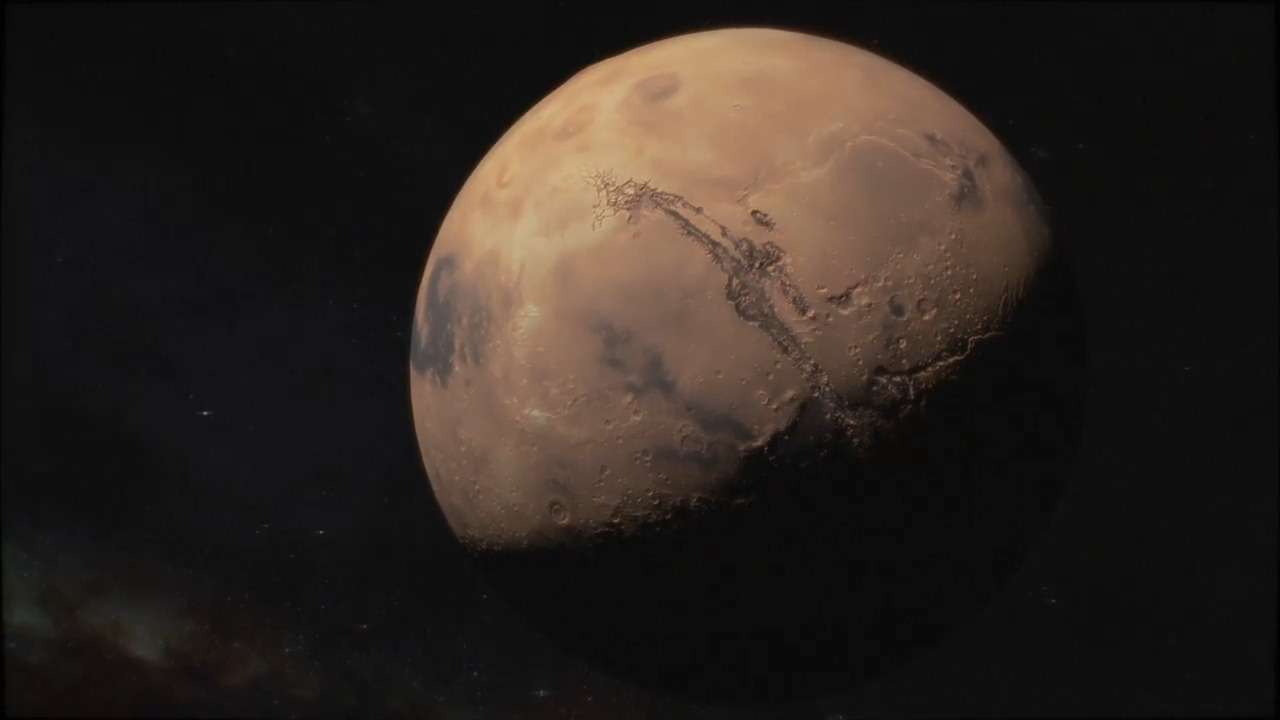
In Postcards From the Surface of Mars, Professor Brian Cox examines the geographic evolution of Mars, noting the vast canyon called Valles Marineris. He looks at photographs taken from the surface of Mars that look eerily similar to Earth: sunsets, clouds, and landscapes. There is, however, one glaring difference: no sign of water. This video is excerpted from BBC's Wonders of the Solar System, a spellbinding documentary series that explores the most extreme locations on Earth to explain how the laws of physics carved natural wonders across the Solar System.

In Landing Curiosity on a Mission to Mars Professor Brian Cox explains what scientists thought about life on Mars in the 1970s, how that changed, and what we learned from the first landing on Mars, the Curiosity rover. This video is excerpted from BBC’s The Planets, a series that explores the dramatic lives of the eight planets in our Solar System.
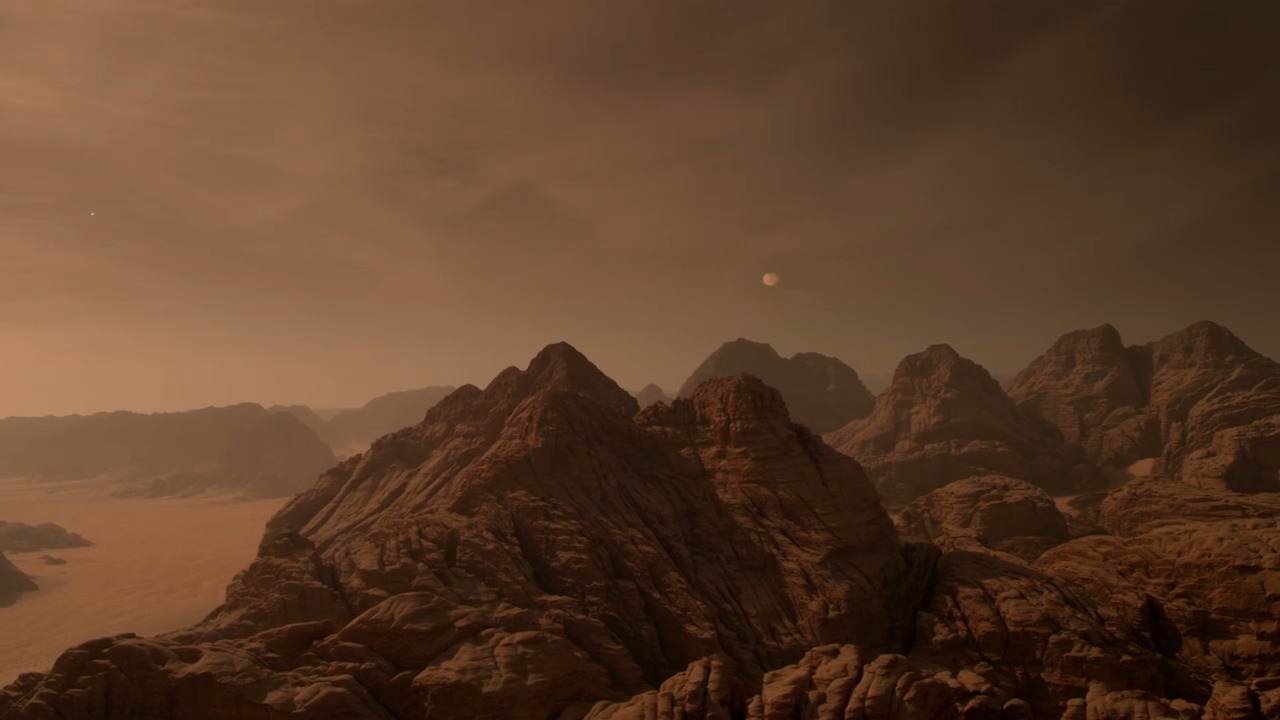
In Life on Earth and Mars, Professor Brian Cox explains the conditions that are required for life to begin. Learn how Earth and Mars had these conditions at the same time. Could life have started in two places at once? Or might the life on Earth have come from outer space? This video is excerpted from BBC’s The Planets, a series that explores the dramatic lives of the eight planets in our Solar System.
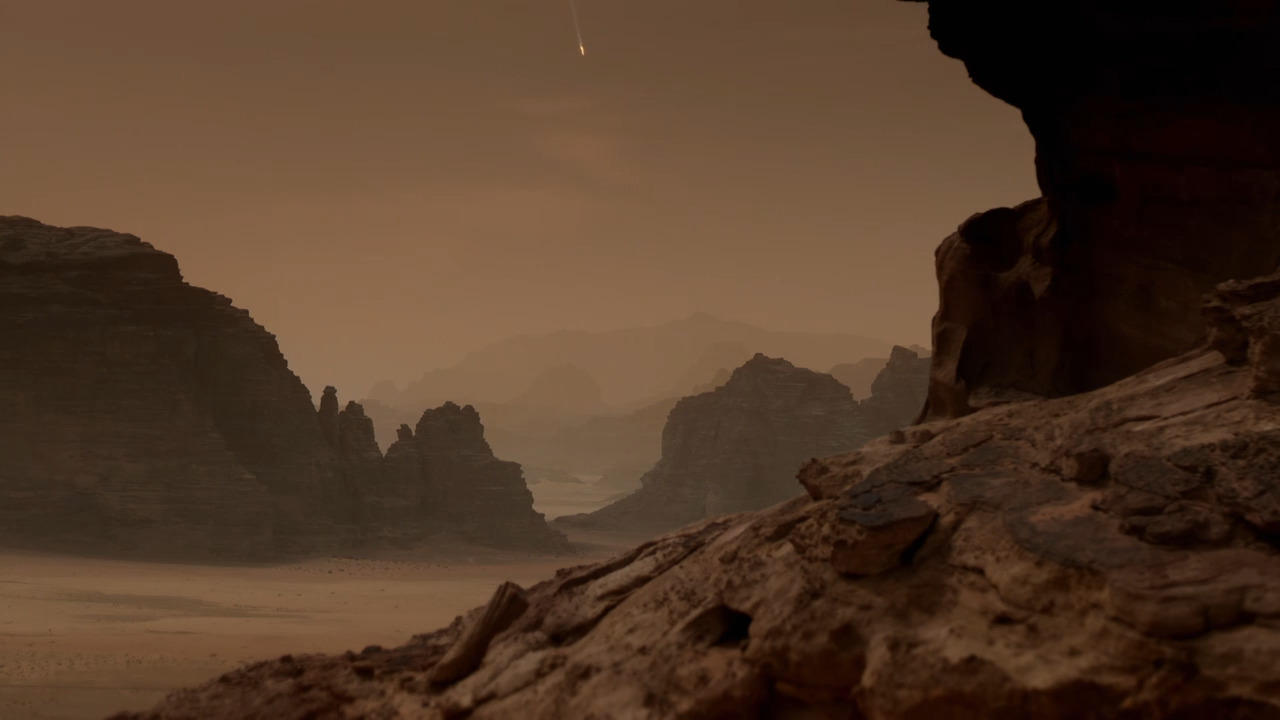
In Exploring Mars, Professor Brian Cox describes the various spacecraft that have landed on Mars and what we have learned from each. Learn how each Mars exploration project yielded more information about the Red Planet, and what the roving laboratory, Curiosity, helped scientists learn about Mars that other spacecraft had not. This video is excerpted from BBC’s The Planets, a series that explores the dramatic lives of the eight planets in our Solar System.
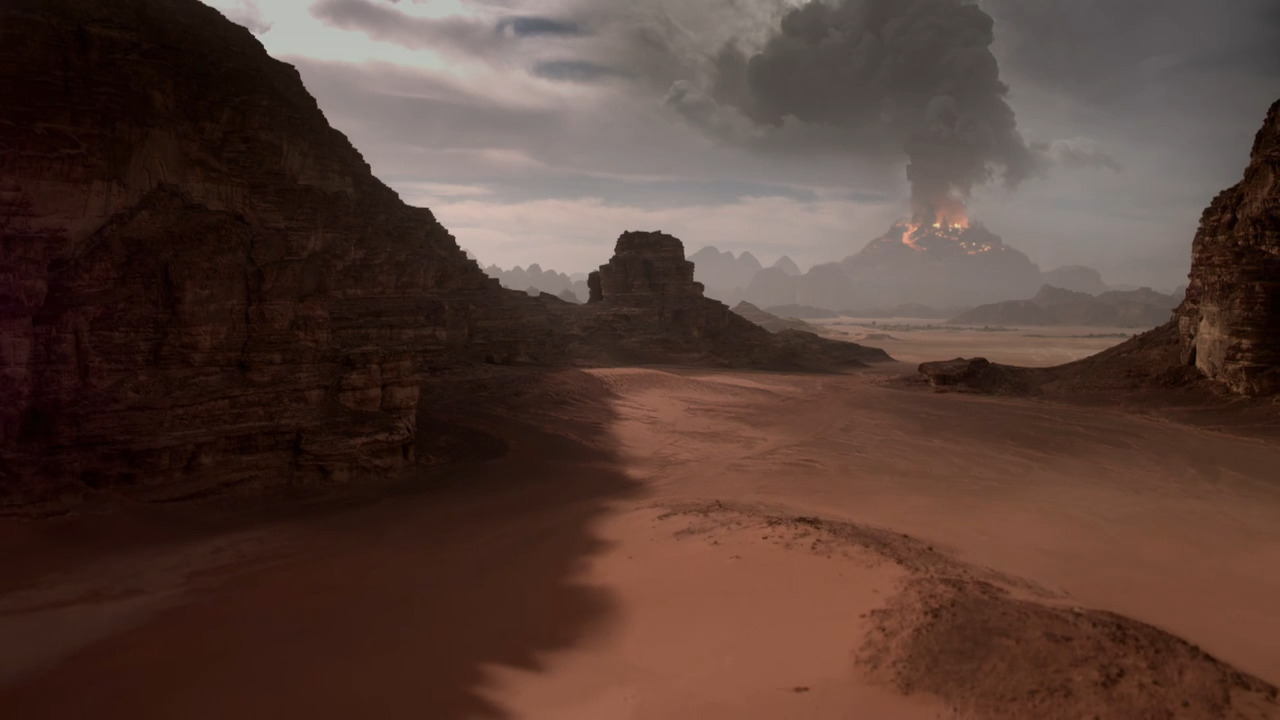
In The Future of Mars, Professor Brian Cox explains how scientists continue to explore Mars and what finding life on Mars means for the existence of life in the Universe. This video is excerpted from BBC’s The Planets, a series that explores the dramatic lives of the eight planets in our Solar System.
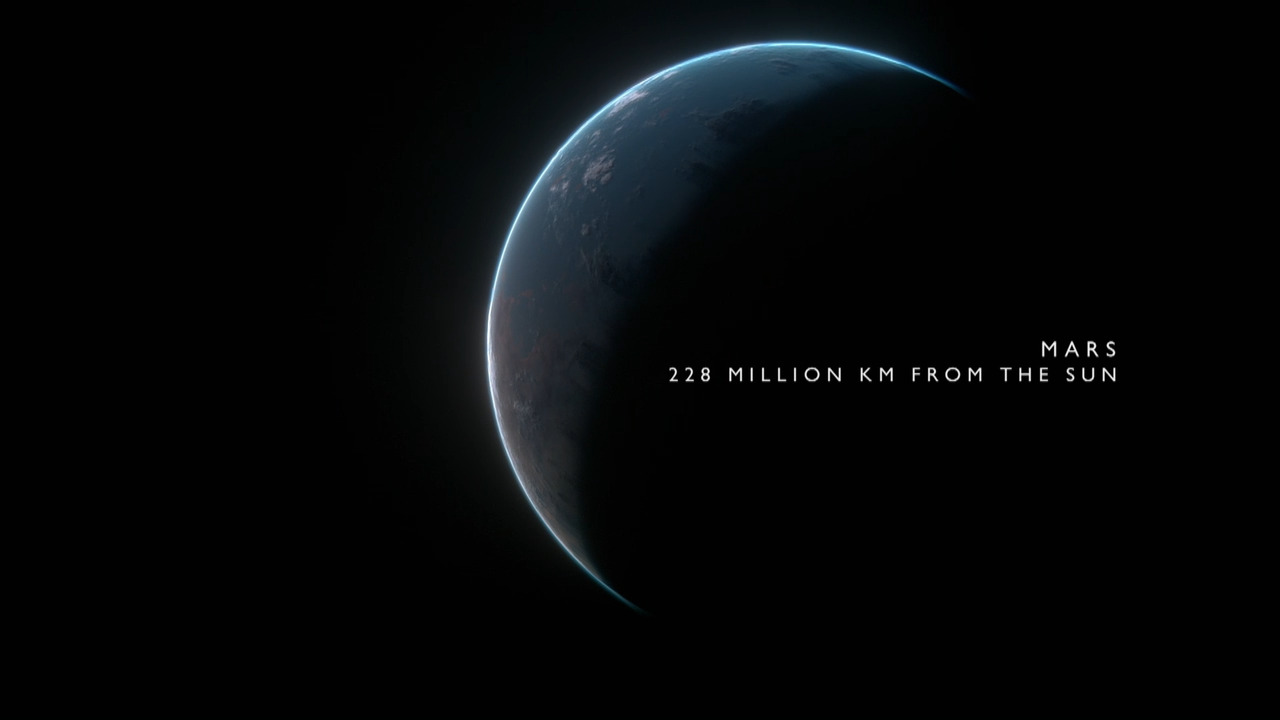
In The Fate of Mars Is Tied to the Sun, Professor Brian Cox explains how Mars went from being full of water to a barren desert. Learn why the Sun is so important for the planets that orbit it, including Mars and Earth. This video is excerpted from BBC’s The Planets, a series that explores the dramatic lives of the eight planets in our Solar System.
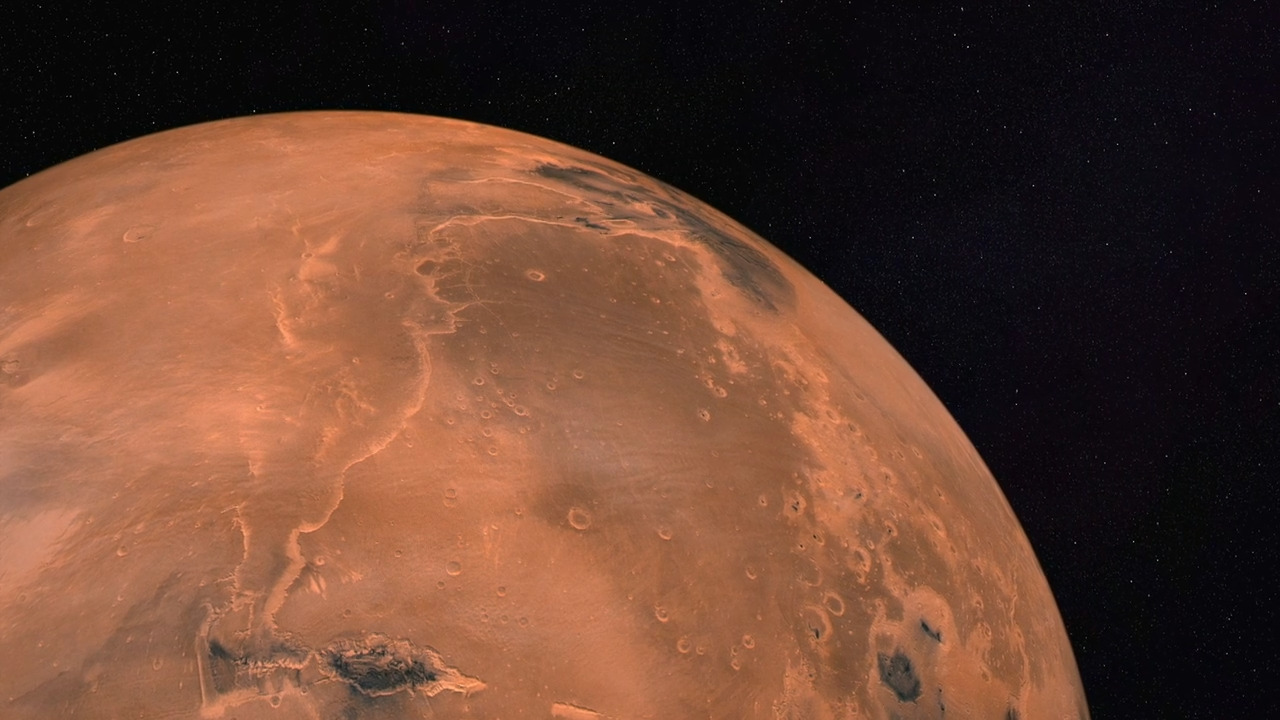
In Evaluating the Challenges of Exploring Mars, experts discuss the potential benefits and challenges of sending humans to Mars. While a human mission to Mars would be significantly more expensive than a robotic one, proponents argue that the human experience and adaptability offer unique value. The explore the risks involved, such as financial costs, ethical concerns, and human safety, alongside the potential benefits for humanity's future survival. This video is excerpted from BBC’s The Big Thinkers, Should We Go to Mars?, where Dr. Kevin Fong explores the complex scientific and technological hurdles of space exploration.
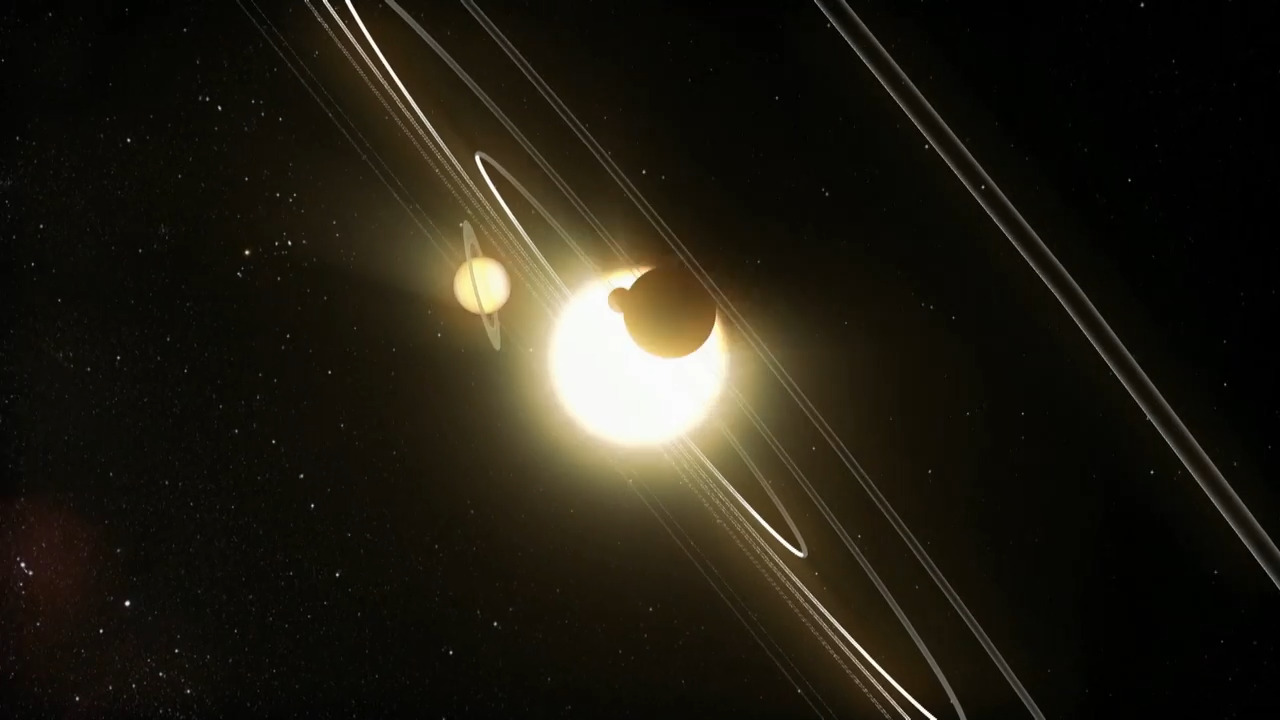
In The Journey to Mars, scientists explore the challenges astronauts face on a long journey to Mars, including radiation exposure, weightlessness, isolation, and confinement. A journey to Mars could take one to three years, and scientists are working on solutions to these obstacles to make human space travel to Mars possible. This video is excerpted from BBC’s The Big Thinkers, Should We Go to Mars?, where Dr. Kevin Fong explores the complex scientific and technological hurdles of space exploration.
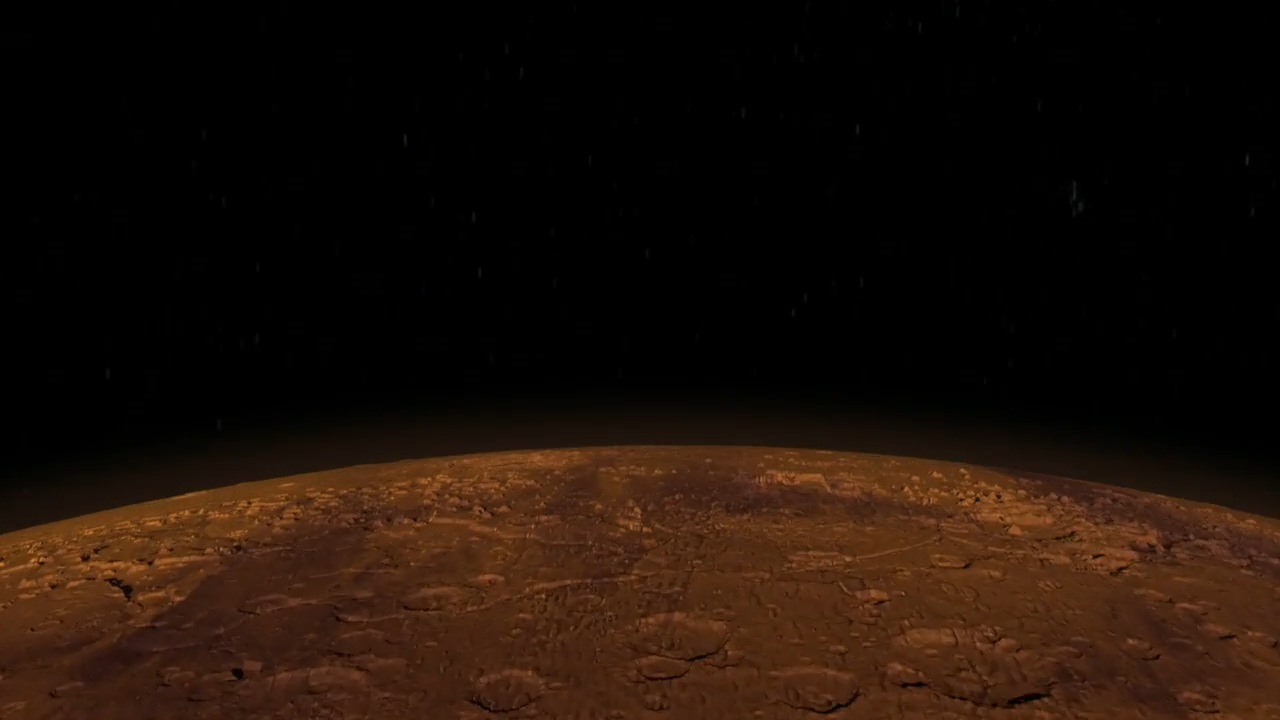
In On the Surface of Mars, see how robots that have collected valuable data and imagery on Mars still could not perform as well as humans could. To that end, NASA is working to make spacesuits less bulky and more flexible, so humans can work on Mars. This video is excerpted from BBC’s The Big Thinkers, Should We Go to Mars?, where Dr. Kevin Fong explores the complex scientific and technological hurdles of space exploration.
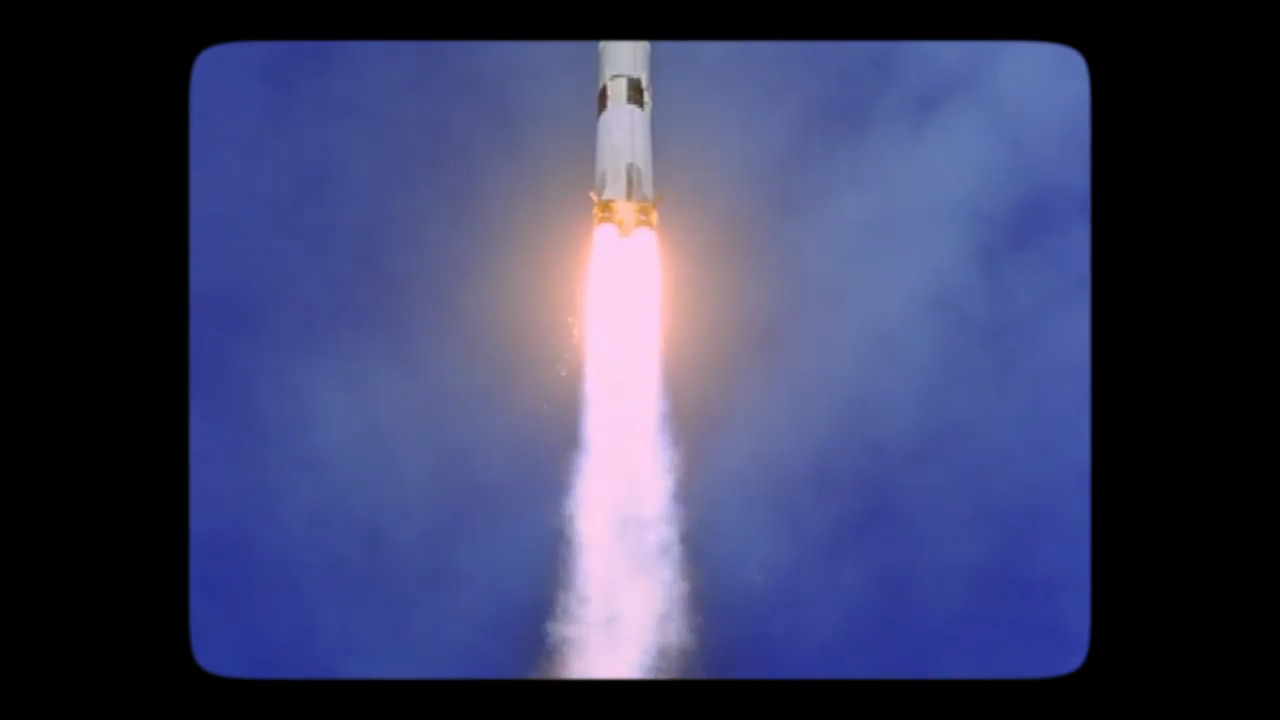
In The Challenges of Sending a Crewed Flight to Mars, learn how sending a crewed flight to Mars requires a large cargo and even larger rocket power. To overcome the difficult initial part of the journey, NASA is building the largest rocket ever. Explore how the challenges of launching a mission to Mars are being addressed by organizations like NASA and SpaceX, including innovative approaches to rocket design and space travel logistics. This video is excerpted from BBC’s The Big Thinkers, Should We Go to Mars?, where Dr. Kevin Fong explores the complex scientific and technological hurdles of space exploration.
Beginning in 1845, the Irish Potato Famine devastated Ireland when a disease destroyed potato crops that millions of people depended on for food. More than a million people died, while inadequate relief efforts, poverty, and evictions worsened the crisis. Many Irish families faced starvation or were forced from their homes. Hundreds of thousands emigrated, often aboard overcrowded ships with poor conditions. Many who sailed to Canada encountered disease and hardship, and survivors continued to the United States and other destinations in search of new lives.
The famine transformed Ireland’s population, economy, and agricultural system. Mass migration reshaped communities in North America, particularly in the United States, where Irish immigrants faced discrimination while contributing to the country’s growing workforce and urban life. The famine also exposed the consequences of poverty, unequal land ownership, and government policies during a humanitarian crisis.
The Mars Moons Exploration’s mission: grab a piece of one of Mars’s moons and bring it back to Earth. Talk about a big job! No wonder this is the first time anyone’s ever attempted this.
Our inner Solar System has only three moons: one for Earth and two for Mars. Mars may have two moons, but they’re both relatively small. The smaller moon, Deimos, is about 6 miles across. Phobos is around double that, but, at 12 miles across, its diameter is still closer to the distance to your local grocery store than the size of Earth’s Moon (which is over 2,000 miles across).
Scientists want to bring a sample from Phobos back to Earth, which should hopefully help answer the question: How exactly did these Mars moons form? One possibility is that a giant impact on early Mars blasted debris into space that later became the moons. Another is that Phobos and Deimos started as asteroids that were captured by Mars’s gravity.
Until now, the only pieces of Mars that scientists have been able to study fell to Earth as meteorites, but these types of samples become contaminated as they travel through our atmosphere. A piece taken directly from Phobos, however, would be pristine.
The plan is for the spacecraft to fly past Deimos, send a rover onto Phobos, and later land to collect a sample that is expected to return to Earth in 2031. After all this, researchers are expecting a whopping… 10 grams of material. That’s the same as about two nickels! But scientists say that is enough, especially because they would be able to do several studies on each grain of material.
In Postcards From the Surface of Mars, Professor Brian Cox examines the geographic evolution of Mars, noting the vast canyon called Valles Marineris. He looks at photographs taken from the surface of Mars that look eerily similar to Earth: sunsets, clouds, and landscapes. There is, however, one glaring difference: no sign of water. This video is excerpted from BBC's Wonders of the Solar System, a spellbinding documentary series that explores the most extreme locations on Earth to explain how the laws of physics carved natural wonders across the Solar System.
In Landing Curiosity on a Mission to Mars Professor Brian Cox explains what scientists thought about life on Mars in the 1970s, how that changed, and what we learned from the first landing on Mars, the Curiosity rover. This video is excerpted from BBC’s The Planets, a series that explores the dramatic lives of the eight planets in our Solar System.
In Life on Earth and Mars, Professor Brian Cox explains the conditions that are required for life to begin. Learn how Earth and Mars had these conditions at the same time. Could life have started in two places at once? Or might the life on Earth have come from outer space? This video is excerpted from BBC’s The Planets, a series that explores the dramatic lives of the eight planets in our Solar System.
In Exploring Mars, Professor Brian Cox describes the various spacecraft that have landed on Mars and what we have learned from each. Learn how each Mars exploration project yielded more information about the Red Planet, and what the roving laboratory, Curiosity, helped scientists learn about Mars that other spacecraft had not. This video is excerpted from BBC’s The Planets, a series that explores the dramatic lives of the eight planets in our Solar System.
In The Future of Mars, Professor Brian Cox explains how scientists continue to explore Mars and what finding life on Mars means for the existence of life in the Universe. This video is excerpted from BBC’s The Planets, a series that explores the dramatic lives of the eight planets in our Solar System.
In The Fate of Mars Is Tied to the Sun, Professor Brian Cox explains how Mars went from being full of water to a barren desert. Learn why the Sun is so important for the planets that orbit it, including Mars and Earth. This video is excerpted from BBC’s The Planets, a series that explores the dramatic lives of the eight planets in our Solar System.
In Evaluating the Challenges of Exploring Mars, experts discuss the potential benefits and challenges of sending humans to Mars. While a human mission to Mars would be significantly more expensive than a robotic one, proponents argue that the human experience and adaptability offer unique value. The explore the risks involved, such as financial costs, ethical concerns, and human safety, alongside the potential benefits for humanity's future survival. This video is excerpted from BBC’s The Big Thinkers, Should We Go to Mars?, where Dr. Kevin Fong explores the complex scientific and technological hurdles of space exploration.
In The Journey to Mars, scientists explore the challenges astronauts face on a long journey to Mars, including radiation exposure, weightlessness, isolation, and confinement. A journey to Mars could take one to three years, and scientists are working on solutions to these obstacles to make human space travel to Mars possible. This video is excerpted from BBC’s The Big Thinkers, Should We Go to Mars?, where Dr. Kevin Fong explores the complex scientific and technological hurdles of space exploration.
In On the Surface of Mars, see how robots that have collected valuable data and imagery on Mars still could not perform as well as humans could. To that end, NASA is working to make spacesuits less bulky and more flexible, so humans can work on Mars. This video is excerpted from BBC’s The Big Thinkers, Should We Go to Mars?, where Dr. Kevin Fong explores the complex scientific and technological hurdles of space exploration.
In The Challenges of Sending a Crewed Flight to Mars, learn how sending a crewed flight to Mars requires a large cargo and even larger rocket power. To overcome the difficult initial part of the journey, NASA is building the largest rocket ever. Explore how the challenges of launching a mission to Mars are being addressed by organizations like NASA and SpaceX, including innovative approaches to rocket design and space travel logistics. This video is excerpted from BBC’s The Big Thinkers, Should We Go to Mars?, where Dr. Kevin Fong explores the complex scientific and technological hurdles of space exploration.