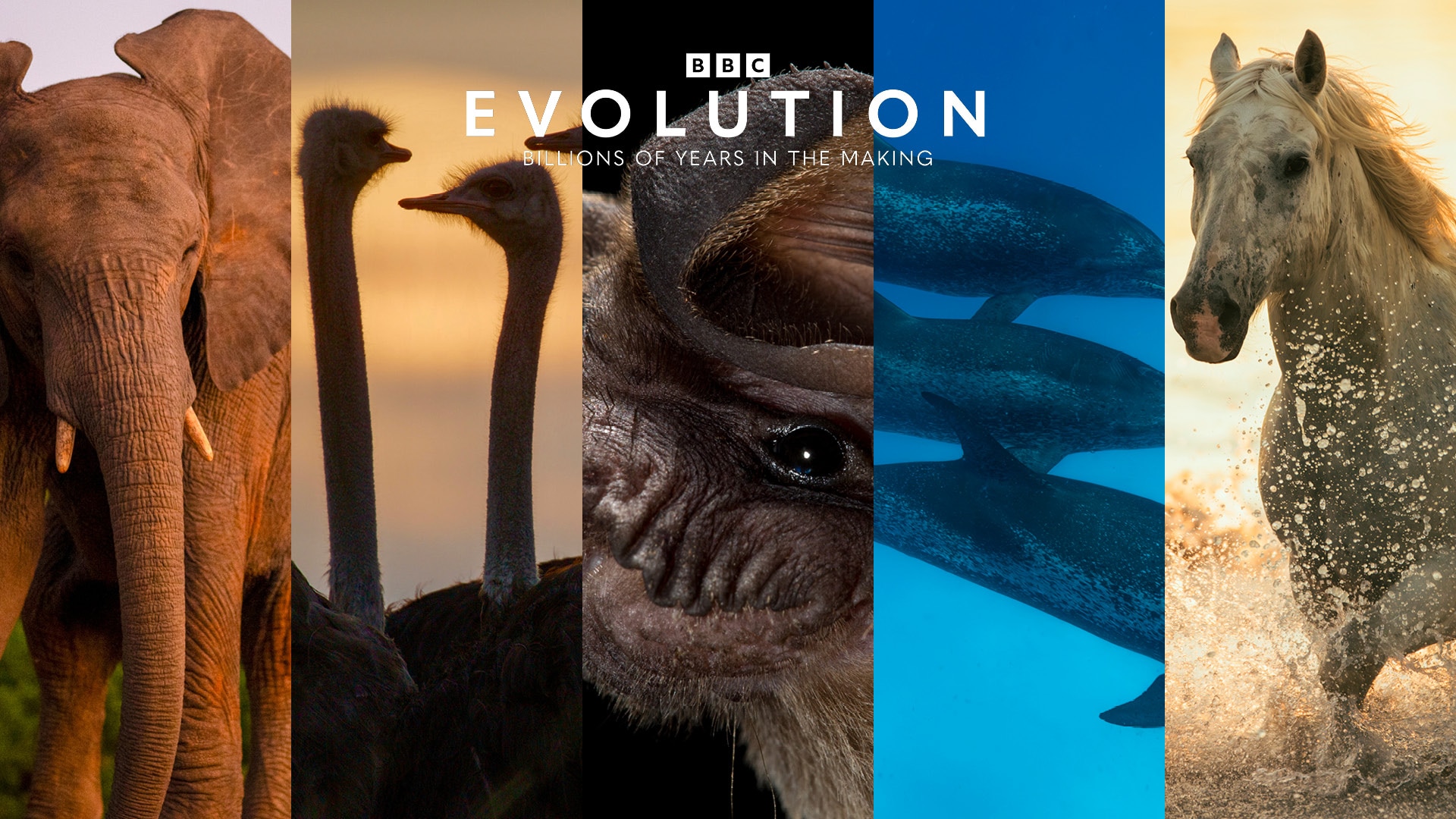
The groundbreaking documentary, now for the secondary classroom: five animals, five big ideas in evolution, with curated video clips and worksheets for ages 11–18
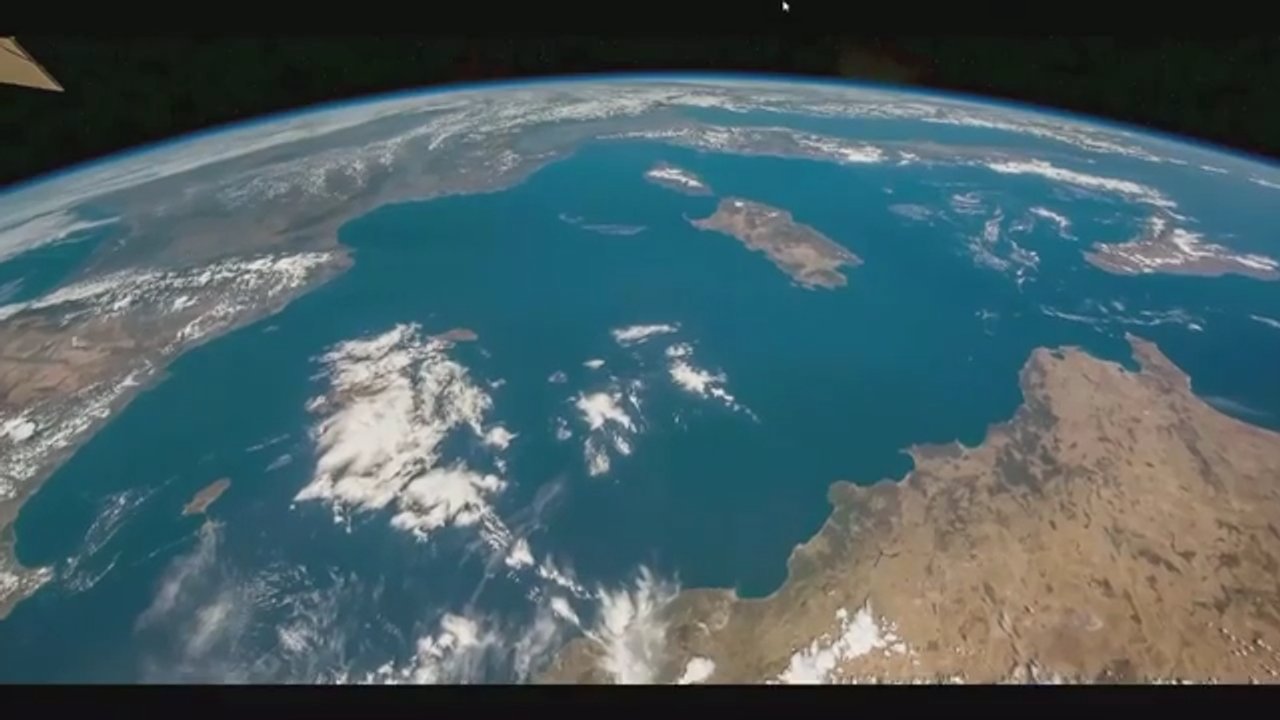
Ring ring! “Hello? Outer space on the line.”
Students at Wick High School in the far north of Scotland recently had a conversation they won’t forget. They spoke directly to an astronaut on the International Space Station, which orbits about 400 kilometers (250 miles) above Earth.
They didn’t have to shout. As the space station passed overhead, the students used an amateur radio to make contact with Joshua Kutryk, an astronaut from Canada. Their school is thought to be the most northerly in the UK ever to reach the space station this way.
The space station travels so fast that the students had only about 10 minutes before it moved out of range. They used every second. One student asked what movies always get wrong about space. Kutryk’s answer: Everything is harder than it looks, even brushing your teeth. Another asked about space food. He said it tastes different up there, even his coffee.
That’s a lot to fit into one short phone call!



Geography gets more memorable when students can see the places they’re learning about. A map can show where the Amazon is. It can’t show a jaguar moving through it or a family cooking dinner on a riverboat. This term, BBC Learning Hub is giving two U.S. educators a way to bring those places closer: a LeapFrog Magic Adventures Globe for their school, loaded with BBC footage from every continent.
Teachers, librarians, specialists, aides, counselors: if you work with students, you’re welcome to enter. Set it up as a learning station, a reward for early finishers, a library or media center feature, or a way to open a new unit. Entries are open Nov. 2 through Dec. 31, and winners will be announced in time for the new year.
- Prize: LeapFrog Magic Adventures Globe
- Approximate retail value: $94.99 each
- Number of winners: 2
- Entry period: Nov. 2–Dec. 31, 2026
- Eligibility: Open to K–12 school staff in the United States, including teachers, librarians, paraprofessionals, and other educators who work with students
- Winners announced: Winners will be contacted by email before Jan. 5, 2027

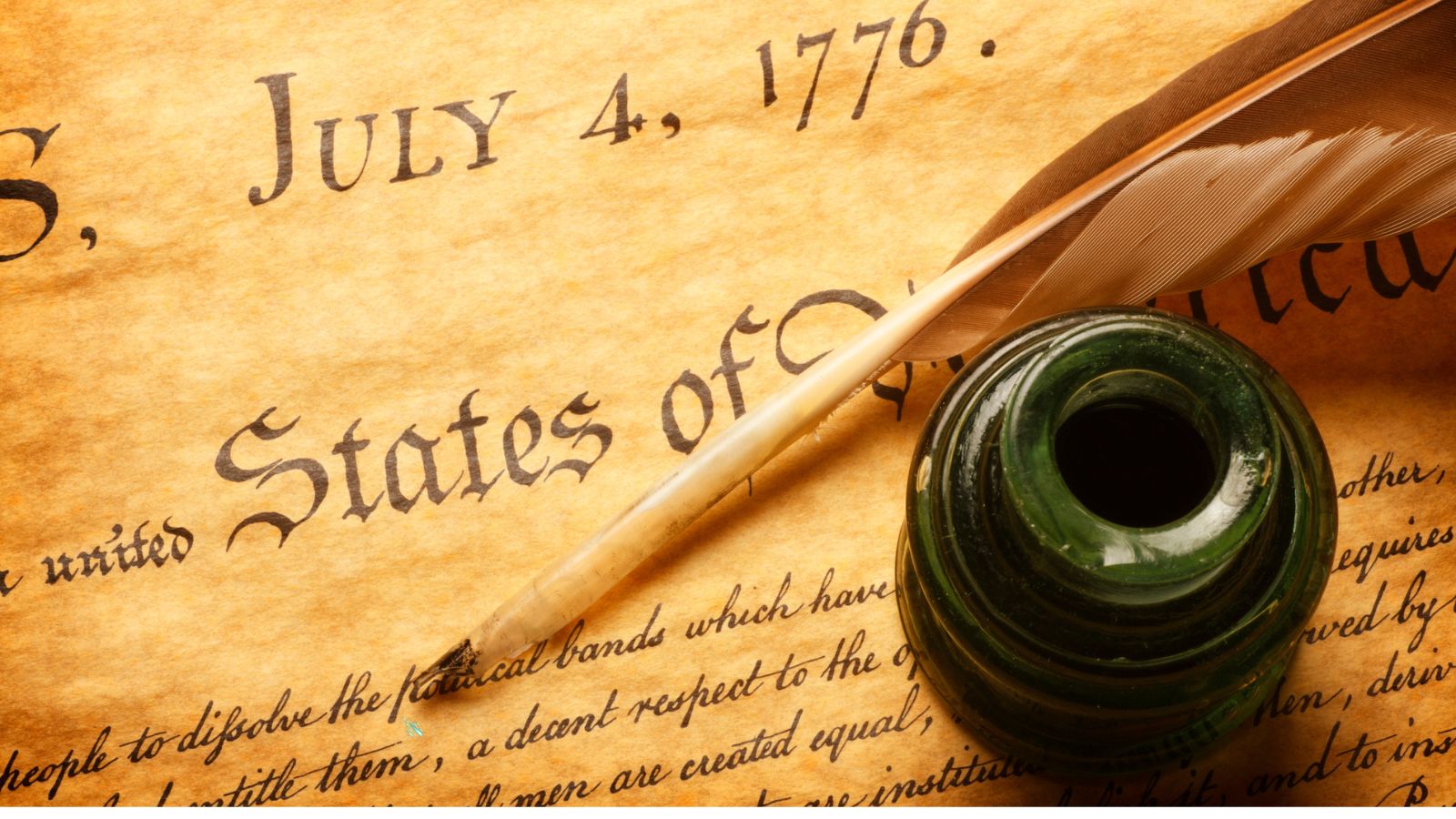
The United States didn’t become a nation overnight. It took decades of protest, argument and compromise, and a lot of disagreement about what kind of country it should be. This playlist follows that story through nine turning points. It starts with the political traditions of the Haudenosaunee (Iroquois) Confederacy and a British tax on printed paper that pushed the colonies toward revolt. From there it moves through the Declaration of Independence, a first attempt at national government that didn’t hold, and the hard-won Constitution that replaced it. It ends with the young republic’s first real tests: George Washington’s presidency, the split into rival political parties, and an armed uprising over a tax on whiskey.
Each video runs a few minutes and covers one turning point, so the series can be watched start to finish or one video at a time.
Every video comes with printable discussion questions, vocabulary, a writing prompt, and classroom activities, all available from the video page. The questions ask students to think about what moved the colonies from protest to independence, why the Articles of Confederation failed, and why the founders’ arguments over federal power didn’t end once the Constitution was signed.
Teachers and Parents: The videos run in chronological order, starting with Indigenous political traditions and ending with the first major challenge to federal authority. Ways to use them:
- Unit introduction: Play the full series to open a unit on the founding for students aged 11–18.
- Lesson starter: Assign The Stamp Act before a lesson on taxation and representation, or the Constitution videos before a class debate on compromise.
- Compare and contrast: Pair The Articles of Confederation with A Constitution Created Through Compromise and have students list what changed and why.
- Then and now: Use The First Political Parties in America to start a discussion on how party divisions began and what they look like today.
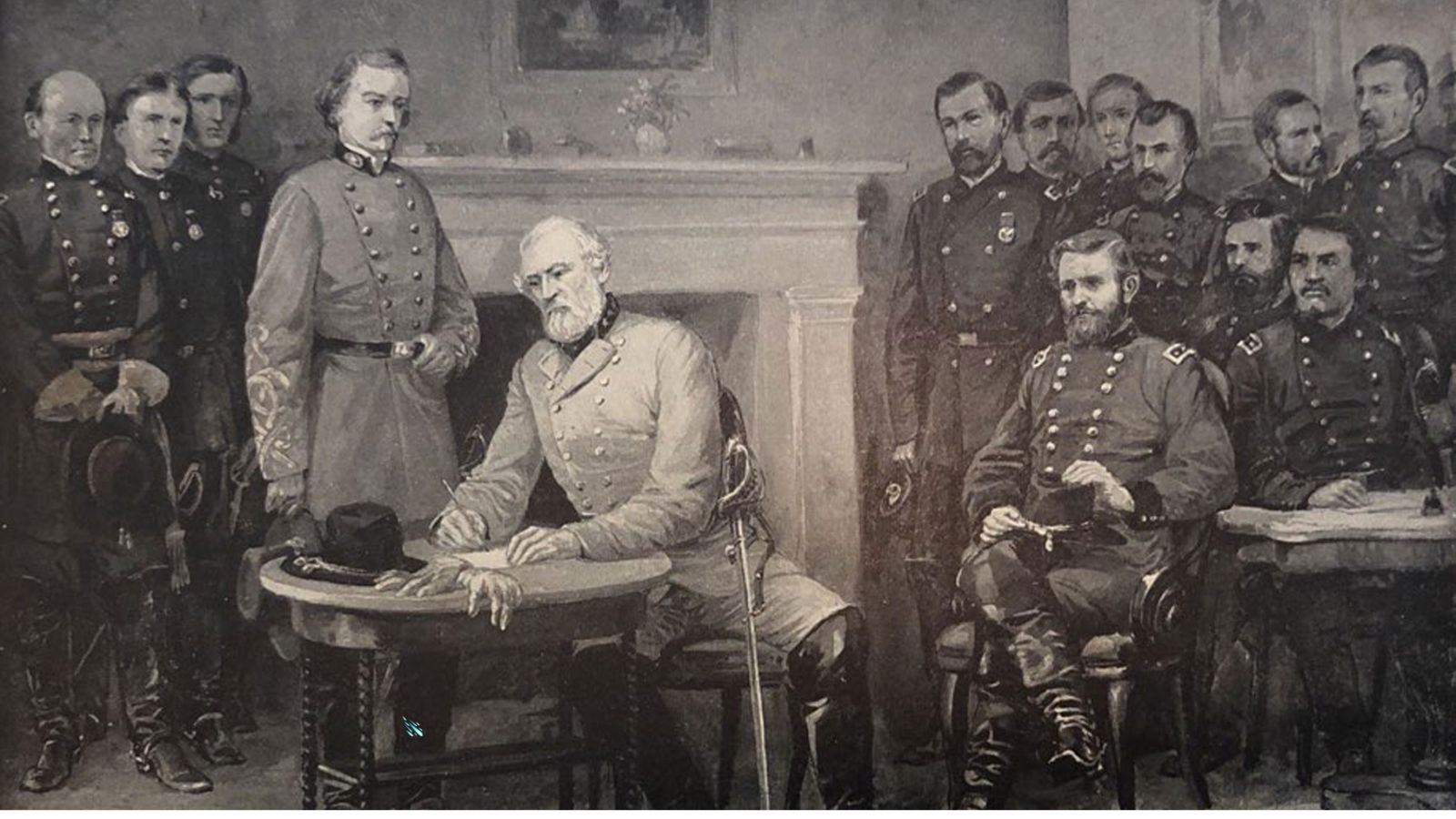
When Lincoln issued the Emancipation Proclamation in 1863, the war to preserve the Union also became a war against slavery. How much Lincoln meant it that way is still debated, and this playlist takes up that question directly. It also covers the new technology that changed how armies fought, the medical crisis in which disease killed twice as many soldiers as combat, the turning-point battles of 1863, and Sherman’s campaign through Georgia. The second half follows the country through Reconstruction: lenient early policies gave way to Radical Reconstruction and constitutional amendments that abolished slavery and guaranteed citizenship and voting rights. It then traces how those gains were rolled back as white Southern Democrats regained power and federal troops withdrew in 1877.
Each video comes with discussion questions, vocabulary, a writing prompt, and classroom activities — all printable from the video page. Questions include why the Emancipation Proclamation didn’t free all enslaved people, why historians call the Civil War the first modern war, and whether Lincoln believed in racial equality.
Teachers and Parents: The playlist picks up where The Road to War leaves off, so together the two playlists cover the full unit for ages 11–18. Videos 1 and 2 work as a pair: a straightforward account of the Emancipation Proclamation followed by historian Lucy Worsley’s case that Lincoln’s main goal was saving the Union. That sets up a strong source-comparison or debate lesson. Lincoln’s Legacy extends the discussion through Frederick Douglass’s reassessment of Lincoln. It contains discriminatory language, so preview it before assigning. The last three videos form a short Reconstruction sequence: The Three Phases of Reconstruction gives the overview, and the next two focus on Black Americans' political gains and the deal that ended federal enforcement, a natural lead-in to Jim Crow and the Civil Rights Movement. Use the "Share With Students" feature to assign videos directly or "Add to Playlist" to build your own sequence.
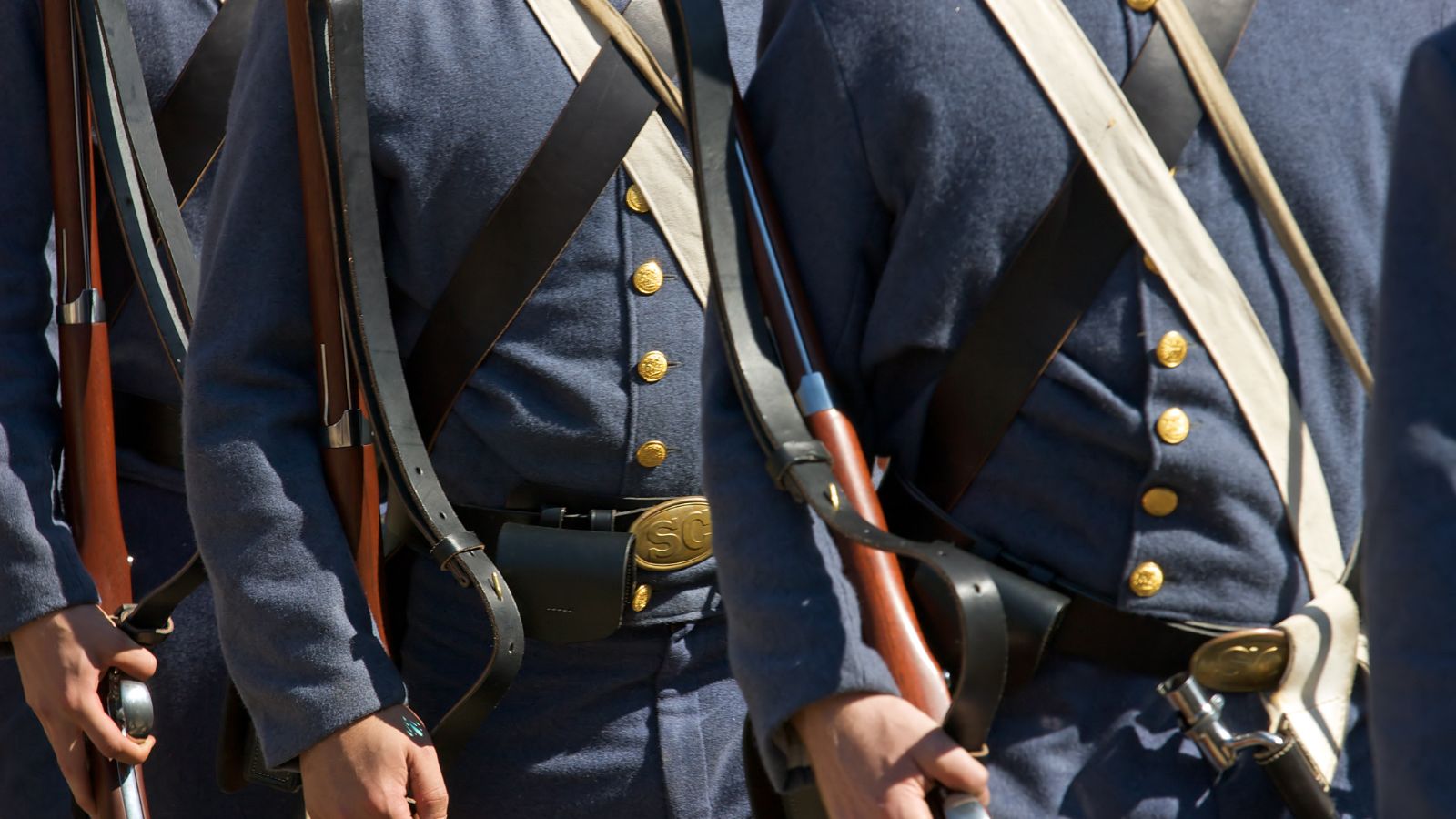
By 1860, the United States had been arguing over slavery for decades. This playlist follows that argument as it hardened into war. It covers the people who resisted slavery, the court case that denied Black Americans citizenship, a raid that pushed the country closer to the edge, and the election that led seven states to secede before Lincoln took office. Each video runs a few minutes and focuses on a single turning point, so the series can be watched start to finish or one video at a time.
Each video comes with discussion questions, vocabulary, a writing prompt ,and classroom activities — all printable from the video page. Questions include why Southern states seceded after Lincoln’s election and how the Civil War split families in border states.
Teachers and Parents: The videos are in chronological order and work as a full unit introduction for students 11–18. They can also be assigned individually to set up a specific lesson. The opening video, from BBC’s American History’s Biggest Fibs With Lucy Worsley, puts slavery at the center of the conflict and gives students a framework for the rest of the list. The Kentucky video closes the list and leads into the companion playlist, The Civil War and Its Aftermath, which runs from the Emancipation Proclamation through the end of Reconstruction. Use the "Share With Students" feature to assign videos directly or "Add to Playlist" to build your own sequence.

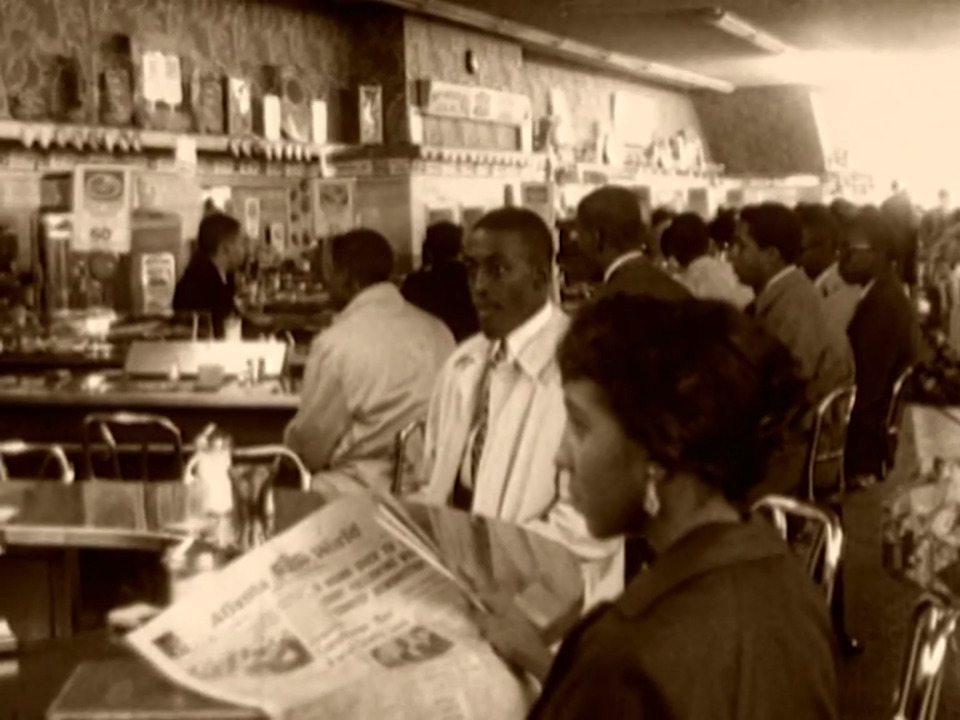
In Martin Luther King Jr. and the Atlanta Sit-Ins, students learn how Dr. Martin Luther King Jr. supported non-violent sit-ins at lunch counters in Atlanta as part of the larger fight for civil rights. These peaceful protests challenged segregation and helped draw national attention to unfair laws and practices in the United States.
The video also shows that Dr. King’s work was not without criticism and controversy, helping students understand that social change is often complex and challenging. Excerpted from BBC’s Reputations: Martin Luther King - Days of Hope, this clip offers a thoughtful look at Dr. King’s leadership, values, and commitment to non-violent protest, while revealing the personal and public pressures he faced.
This short video is well suited for classroom use as an introduction to the Civil Rights Movement, a deeper look at peaceful protest, or a discussion starter about standing up for justice even when faced with opposition. Teachers can use it to support lessons around Martin Luther King Jr. Day, civic action, and the role of protest in a democracy.
The groundbreaking documentary, now for the secondary classroom: five animals, five big ideas in evolution, with curated video clips and worksheets for ages 11–18
Ring ring! “Hello? Outer space on the line.”
Students at Wick High School in the far north of Scotland recently had a conversation they won’t forget. They spoke directly to an astronaut on the International Space Station, which orbits about 400 kilometers (250 miles) above Earth.
They didn’t have to shout. As the space station passed overhead, the students used an amateur radio to make contact with Joshua Kutryk, an astronaut from Canada. Their school is thought to be the most northerly in the UK ever to reach the space station this way.
The space station travels so fast that the students had only about 10 minutes before it moved out of range. They used every second. One student asked what movies always get wrong about space. Kutryk’s answer: Everything is harder than it looks, even brushing your teeth. Another asked about space food. He said it tastes different up there, even his coffee.
That’s a lot to fit into one short phone call!
Geography gets more memorable when students can see the places they’re learning about. A map can show where the Amazon is. It can’t show a jaguar moving through it or a family cooking dinner on a riverboat. This term, BBC Learning Hub is giving two U.S. educators a way to bring those places closer: a LeapFrog Magic Adventures Globe for their school, loaded with BBC footage from every continent.
Teachers, librarians, specialists, aides, counselors: if you work with students, you’re welcome to enter. Set it up as a learning station, a reward for early finishers, a library or media center feature, or a way to open a new unit. Entries are open Nov. 2 through Dec. 31, and winners will be announced in time for the new year.
- Prize: LeapFrog Magic Adventures Globe
- Approximate retail value: $94.99 each
- Number of winners: 2
- Entry period: Nov. 2–Dec. 31, 2026
- Eligibility: Open to K–12 school staff in the United States, including teachers, librarians, paraprofessionals, and other educators who work with students
- Winners announced: Winners will be contacted by email before Jan. 5, 2027
The United States didn’t become a nation overnight. It took decades of protest, argument and compromise, and a lot of disagreement about what kind of country it should be. This playlist follows that story through nine turning points. It starts with the political traditions of the Haudenosaunee (Iroquois) Confederacy and a British tax on printed paper that pushed the colonies toward revolt. From there it moves through the Declaration of Independence, a first attempt at national government that didn’t hold, and the hard-won Constitution that replaced it. It ends with the young republic’s first real tests: George Washington’s presidency, the split into rival political parties, and an armed uprising over a tax on whiskey.
Each video runs a few minutes and covers one turning point, so the series can be watched start to finish or one video at a time.
Every video comes with printable discussion questions, vocabulary, a writing prompt, and classroom activities, all available from the video page. The questions ask students to think about what moved the colonies from protest to independence, why the Articles of Confederation failed, and why the founders’ arguments over federal power didn’t end once the Constitution was signed.
Teachers and Parents: The videos run in chronological order, starting with Indigenous political traditions and ending with the first major challenge to federal authority. Ways to use them:
- Unit introduction: Play the full series to open a unit on the founding for students aged 11–18.
- Lesson starter: Assign The Stamp Act before a lesson on taxation and representation, or the Constitution videos before a class debate on compromise.
- Compare and contrast: Pair The Articles of Confederation with A Constitution Created Through Compromise and have students list what changed and why.
- Then and now: Use The First Political Parties in America to start a discussion on how party divisions began and what they look like today.
When Lincoln issued the Emancipation Proclamation in 1863, the war to preserve the Union also became a war against slavery. How much Lincoln meant it that way is still debated, and this playlist takes up that question directly. It also covers the new technology that changed how armies fought, the medical crisis in which disease killed twice as many soldiers as combat, the turning-point battles of 1863, and Sherman’s campaign through Georgia. The second half follows the country through Reconstruction: lenient early policies gave way to Radical Reconstruction and constitutional amendments that abolished slavery and guaranteed citizenship and voting rights. It then traces how those gains were rolled back as white Southern Democrats regained power and federal troops withdrew in 1877.
Each video comes with discussion questions, vocabulary, a writing prompt, and classroom activities — all printable from the video page. Questions include why the Emancipation Proclamation didn’t free all enslaved people, why historians call the Civil War the first modern war, and whether Lincoln believed in racial equality.
Teachers and Parents: The playlist picks up where The Road to War leaves off, so together the two playlists cover the full unit for ages 11–18. Videos 1 and 2 work as a pair: a straightforward account of the Emancipation Proclamation followed by historian Lucy Worsley’s case that Lincoln’s main goal was saving the Union. That sets up a strong source-comparison or debate lesson. Lincoln’s Legacy extends the discussion through Frederick Douglass’s reassessment of Lincoln. It contains discriminatory language, so preview it before assigning. The last three videos form a short Reconstruction sequence: The Three Phases of Reconstruction gives the overview, and the next two focus on Black Americans' political gains and the deal that ended federal enforcement, a natural lead-in to Jim Crow and the Civil Rights Movement. Use the "Share With Students" feature to assign videos directly or "Add to Playlist" to build your own sequence.
By 1860, the United States had been arguing over slavery for decades. This playlist follows that argument as it hardened into war. It covers the people who resisted slavery, the court case that denied Black Americans citizenship, a raid that pushed the country closer to the edge, and the election that led seven states to secede before Lincoln took office. Each video runs a few minutes and focuses on a single turning point, so the series can be watched start to finish or one video at a time.
Each video comes with discussion questions, vocabulary, a writing prompt ,and classroom activities — all printable from the video page. Questions include why Southern states seceded after Lincoln’s election and how the Civil War split families in border states.
Teachers and Parents: The videos are in chronological order and work as a full unit introduction for students 11–18. They can also be assigned individually to set up a specific lesson. The opening video, from BBC’s American History’s Biggest Fibs With Lucy Worsley, puts slavery at the center of the conflict and gives students a framework for the rest of the list. The Kentucky video closes the list and leads into the companion playlist, The Civil War and Its Aftermath, which runs from the Emancipation Proclamation through the end of Reconstruction. Use the "Share With Students" feature to assign videos directly or "Add to Playlist" to build your own sequence.
In Martin Luther King Jr. and the Atlanta Sit-Ins, students learn how Dr. Martin Luther King Jr. supported non-violent sit-ins at lunch counters in Atlanta as part of the larger fight for civil rights. These peaceful protests challenged segregation and helped draw national attention to unfair laws and practices in the United States.
The video also shows that Dr. King’s work was not without criticism and controversy, helping students understand that social change is often complex and challenging. Excerpted from BBC’s Reputations: Martin Luther King - Days of Hope, this clip offers a thoughtful look at Dr. King’s leadership, values, and commitment to non-violent protest, while revealing the personal and public pressures he faced.
This short video is well suited for classroom use as an introduction to the Civil Rights Movement, a deeper look at peaceful protest, or a discussion starter about standing up for justice even when faced with opposition. Teachers can use it to support lessons around Martin Luther King Jr. Day, civic action, and the role of protest in a democracy.