
The article "The Emancipation Proclamation: Abraham Lincoln's Declaration That Helped Bring About the End of Slavery" from BBC's HistoryExtra is about how President Lincoln's 1863 order declared freedom for enslaved people in the Confederacy. Although it didn’t free everyone at once, it shifted the Civil War’s focus to ending slavery and led to the 13th Amendment, which abolished slavery throughout the United States.

Dogs are superheroes! Well, kind of. They have a sort of superpower — an amazing ability to make people happy.
Now, they’re using that ability in hospitals to bring joy to patients, visitors, and employees who could use a smile. 11 therapy dogs make up a team that has completed over 800 hours of volunteer work at local hospitals, spreading joy to hospital staff and visitors and collecting belly scratches while they're at it. There have even been incredible reports of unconscious patients who stretch out for the dogs. Stock up on treats, because the network of hospitals hopes to add more dogs to the team soon. Thanks, Doctor! Or should we say, Dog-tor?

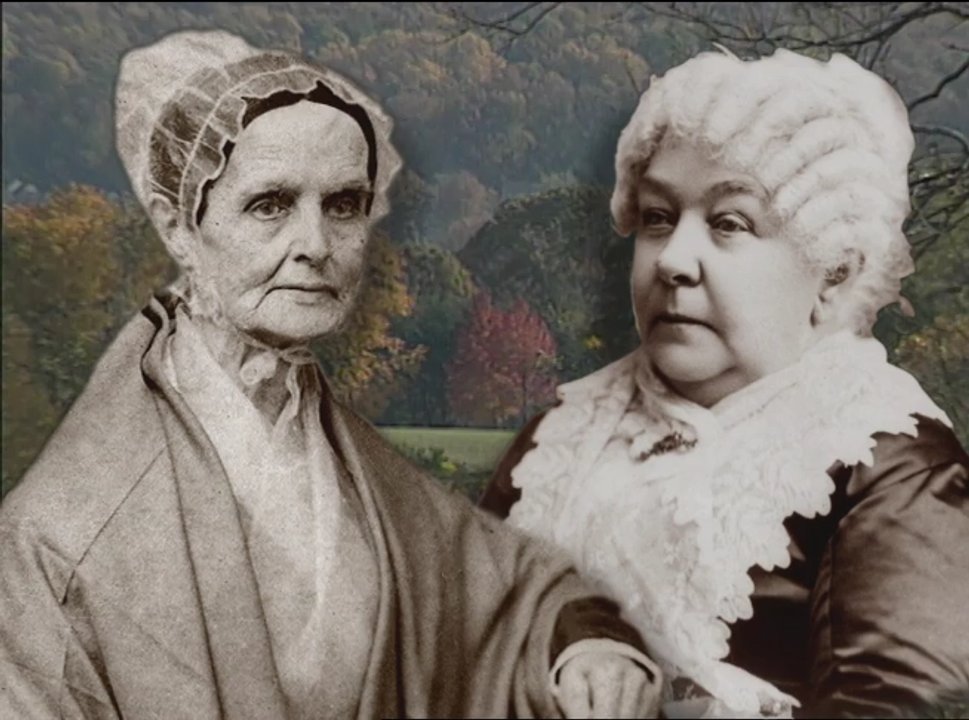
In the early 1800s, religious revivals and reform movements inspired Americans to challenge social inequalities. In 1848, women’s rights advocates Lucretia Mott and Elizabeth Cady Stanton helped organize the Seneca Falls Convention in New York, the first major women’s rights convention in the United States. About 300 people attended the gathering to discuss women’s legal, social, and political status.
At the convention, participants approved the Declaration of Sentiments, a document modeled on the Declaration of Independence that declared, “All men and women are created equal.” It outlined inequalities women faced, including the denial of voting rights and limited access to education, professions, and legal protections. One hundred people signed the declaration, helping bring greater attention to the women’s rights movement. The Seneca Falls Convention became an important milestone in the long struggle for gender equality.
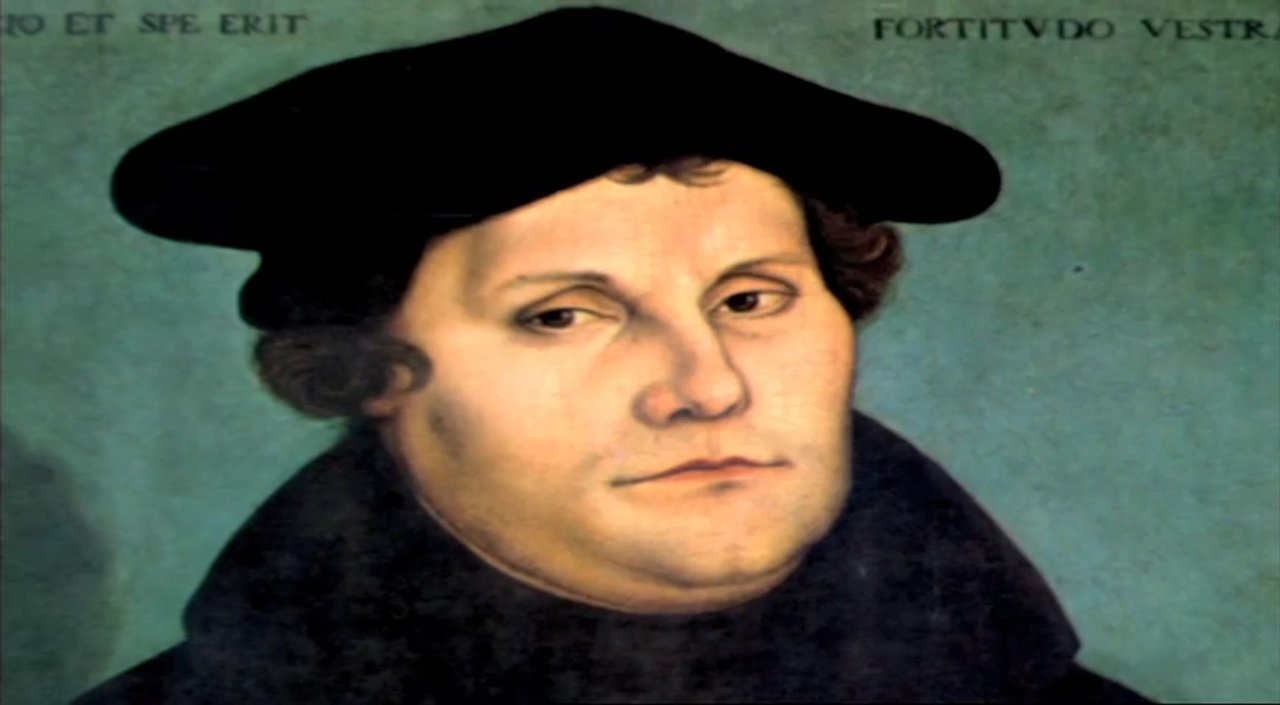
Martin Luther was a German monk whose challenges to the Catholic Church helped spark the Protestant Reformation. In 1517, he published his 95 Theses, criticizing church practices, including the sale of indulgences. The printing press helped spread his ideas across Europe, bringing him into conflict with Pope Leo X. After refusing to recant his views, Luther was excommunicated in 1521. He later translated the New Testament into German, making scripture more accessible to German-speaking readers.
Luther’s ideas contributed to major religious and political changes across Europe, challenging the Catholic Church’s authority and helping establish new Protestant traditions. His legacy is complex: while his writings influenced Christianity for centuries, his later works also included condemnation of the Jewish faith. Examining Luther’s life reveals how religious dissent, new technology, and political conflict helped reshape European history.
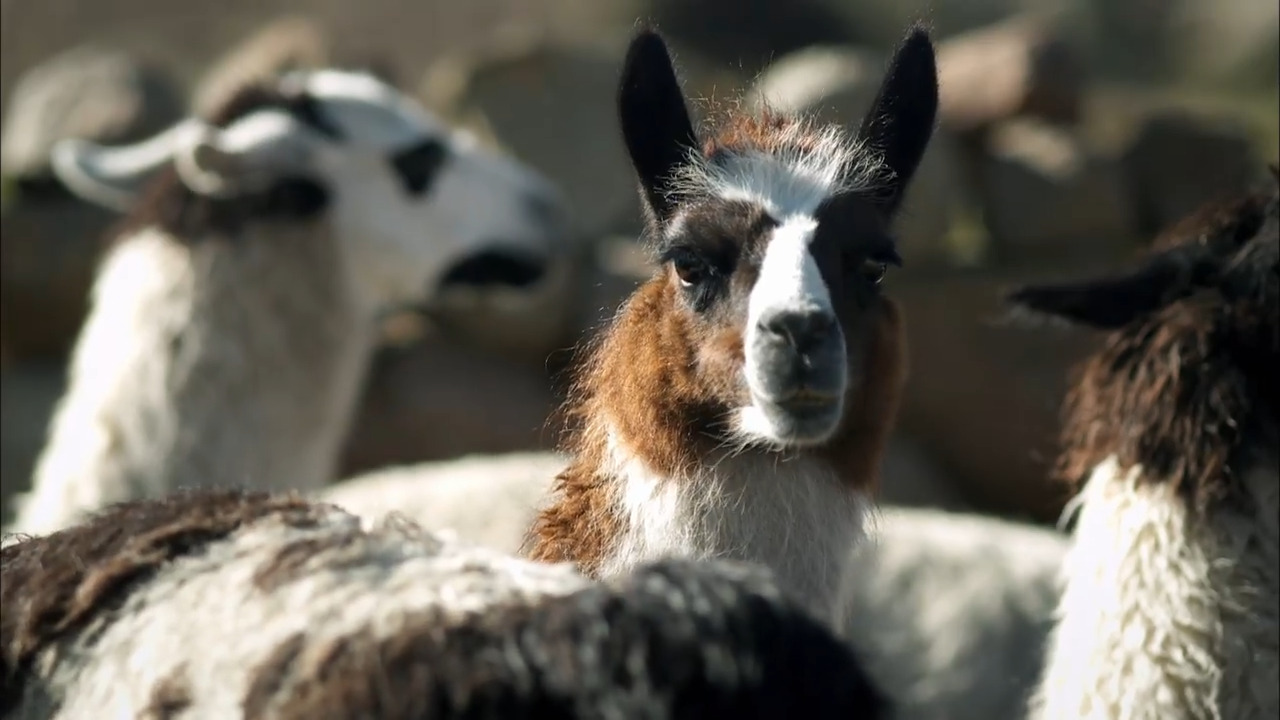
In How the Andes Shaped Life in South America, narrator Iain Stewart explains how the Andes have shaped South America in incredible ways, creating the Amazon River and its rainforest. One of the Andes’ most amazing residents is the llama, built for high-altitude life. But llamas didn’t originate in South America — they came from North America and crossed over millions of years ago when the continents connected. Today, just like the llamas once did, people bring new foods, technology, and ideas to the Andes, showing the world is more connected than ever! This video is excerpted from BBC’s Rise of the Continents, which uncovers how Earth’s continents formed and shaped life over millions of years.
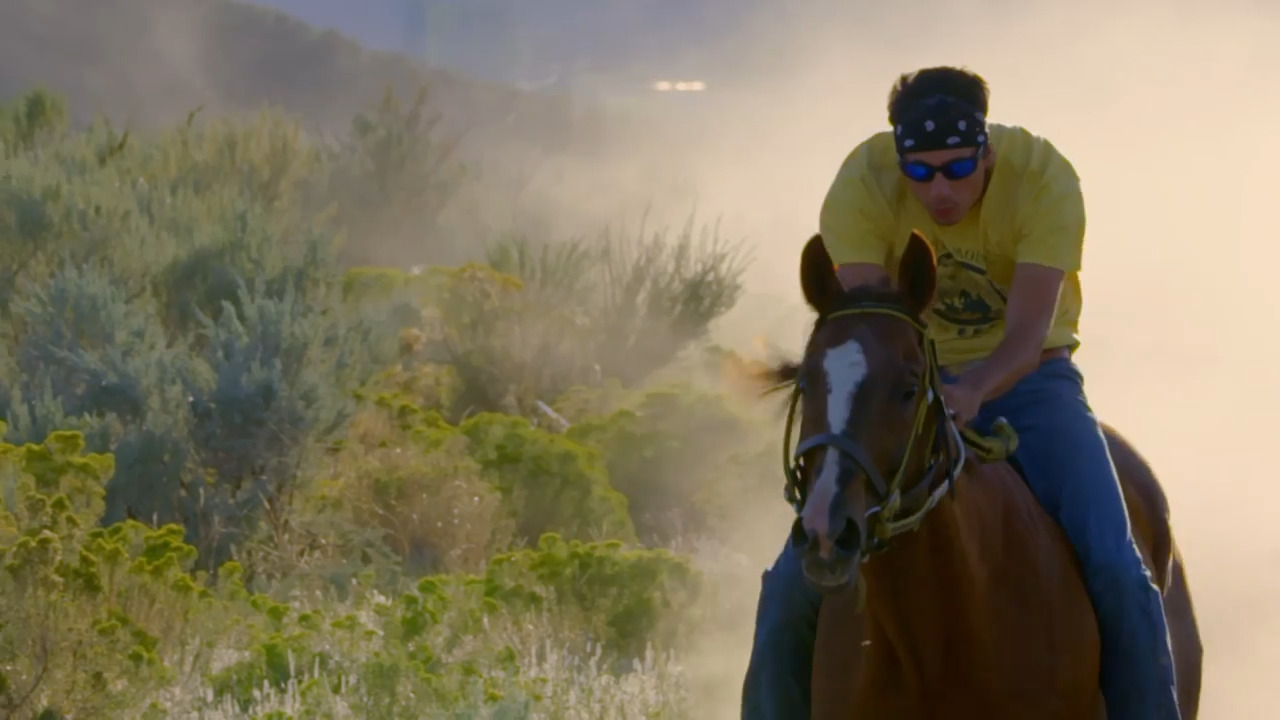
In Inside the Indian Relay Race, learn about the thrilling tradition of the Indian Relay, a horse race held in the Rockies. Oliver, a trainer, shares how he and his family prepare for the race, training for months to master the tricky skill of jumping from one horse to another — bareback! The relay is filled with excitement, as riders complete three laps while switching horses after each round. With skill, preparation, and a bit of tradition, Oliver and his family bring pride to their tribe as they race to victory! This video is excerpted from BBC’s Mountains: Life Above the Clouds, which showcases wildlife thriving in the world's highest mountains.

In Butterfly Tales, learn how butterflies bring joy and beauty to the world as they flutter into gardens and woods each spring. Dr. Bullman, a butterfly expert, shows how tracking butterflies helps scientists understand if the environment is healthy or not. She explains how to tell butterflies and moths apart — like how butterflies rest with their wings up, while moths rest with their wings flat. This video is excerpted from BBC’s Countryfile, which explores rural life and traditions of the countryside.
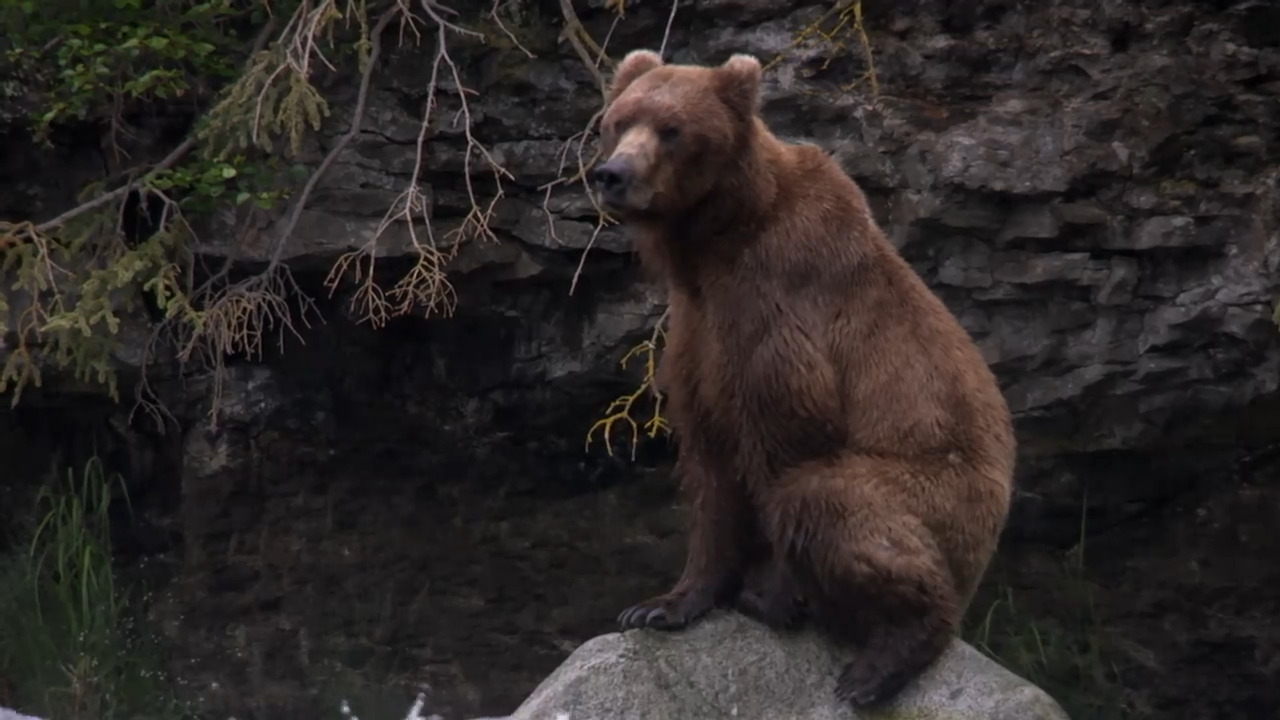
In The Epic Battle Between Salmon and Bears, narrator Andrew Scott describes how, as autumn arrives in southern Alaska, the landscape transforms along with the weather! Chilly temperatures and storms bring heavy rain, flooding the rivers just in time for one of nature’s greatest events. Millions of Pacific salmon make their epic journey upstream, leaping over waterfalls while hungry grizzly bears wait for their biggest feast of the year. The bears battle for the best spots, catching up to 30 salmon a day to pack on weight for the winter ahead — but for the salmon, it’s a life-or-death challenge to make it home. This video is excerpted from BBC’s Earth’s Great Seasons, which reveals how seasonal changes shape the planet and its wildlife.
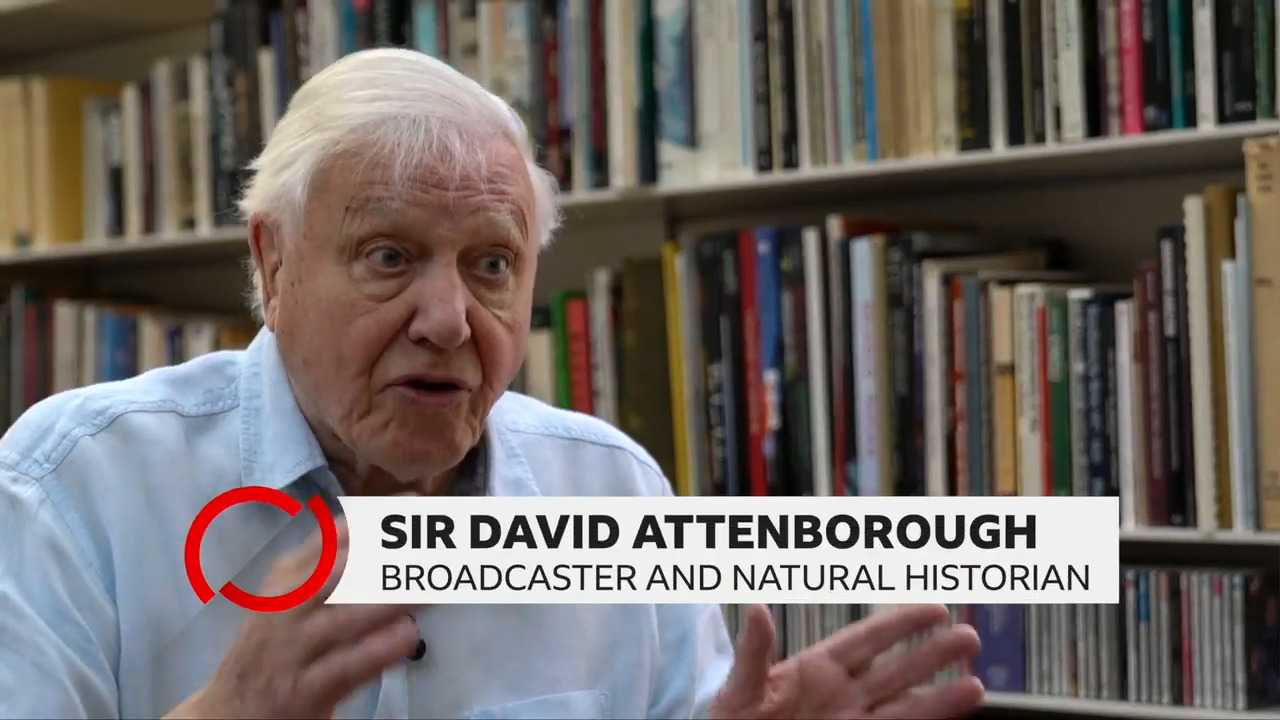
In Why Does News Keep Changing?, host Radzi Chinyanganya explores the way news stories develop and change over time. For example, the Australian bushfires became an international news story in 2019 and 2020. While the initial stories highlighted the destruction and death of people and animals, the media later looked at the impact of climate change as a cause of the fires. Disinformation also spread as the story developed. Some rumors said that the fires were started by environmentalists to bring awareness, but journalists were able to disprove these claims. As coverage expands, journalists must update their stories and correct any statements that were previously wrong. This video is excerpted from BBC’s My World, a program created for teenagers eager to learn more about the important stories shaping our world.

In Poison Dart Frog Piggyback Rides, learn how a male poison dart frog carefully nurtures his tadpoles. He rescues one of them from a dried-up pool and brings its mother to help feed it. This video is excerpted from BBC’s Seven Worlds, One Planet, a series featuring remarkable animal behavior from all seven continents.
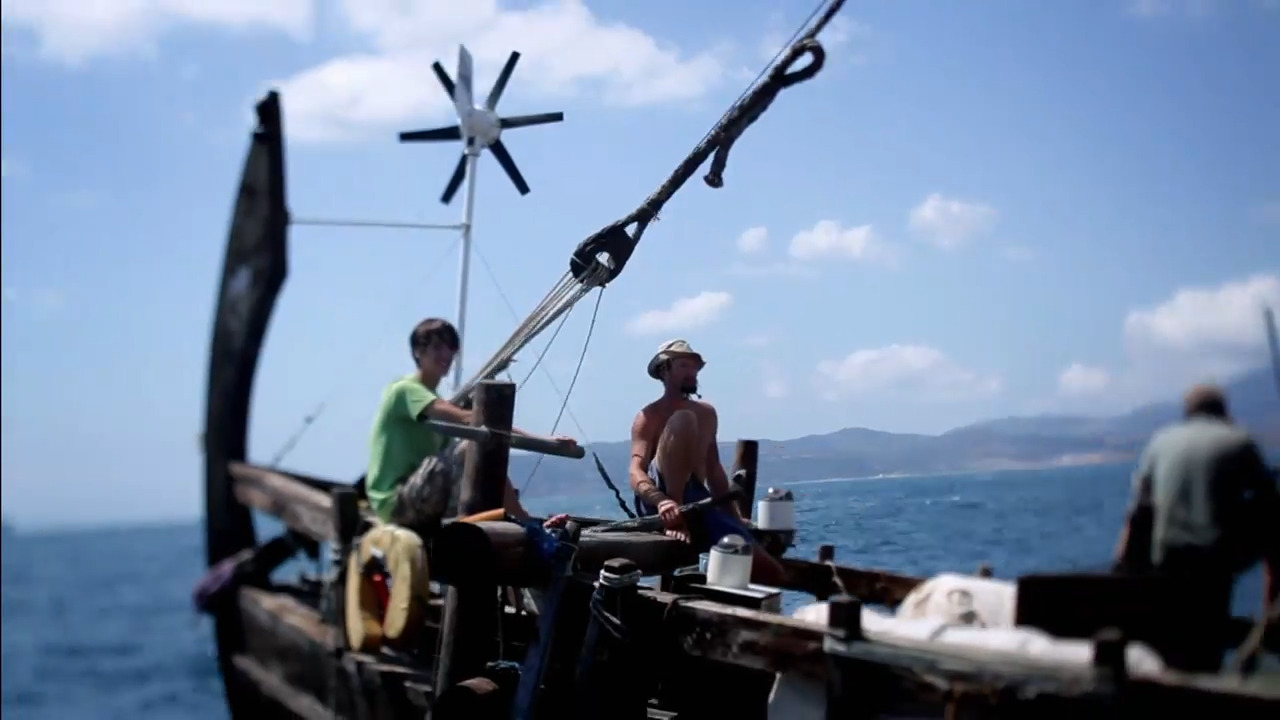
In Silver, Tribute, and the Fall of Assyria, archaeologist and historian Richard Miles explains the economic relationship between the Phoenicians and the Assyrians. As the Assyrians demanded more and more tribute from the Phoenicians, the Phoenicians were forced to the sea to bring back silver. Eventually, they brought so much silver that there was a surplus which destabilized the economy. This video is excerpted from BBC’s Ancient Worlds, an epic series with archaeologist and historian Richard Miles as he explores the roots of civilization from Mesopotamia to the fall of the Roman Empire.
The article "The Emancipation Proclamation: Abraham Lincoln's Declaration That Helped Bring About the End of Slavery" from BBC's HistoryExtra is about how President Lincoln's 1863 order declared freedom for enslaved people in the Confederacy. Although it didn’t free everyone at once, it shifted the Civil War’s focus to ending slavery and led to the 13th Amendment, which abolished slavery throughout the United States.
Dogs are superheroes! Well, kind of. They have a sort of superpower — an amazing ability to make people happy.
Now, they’re using that ability in hospitals to bring joy to patients, visitors, and employees who could use a smile. 11 therapy dogs make up a team that has completed over 800 hours of volunteer work at local hospitals, spreading joy to hospital staff and visitors and collecting belly scratches while they're at it. There have even been incredible reports of unconscious patients who stretch out for the dogs. Stock up on treats, because the network of hospitals hopes to add more dogs to the team soon. Thanks, Doctor! Or should we say, Dog-tor?
In the early 1800s, religious revivals and reform movements inspired Americans to challenge social inequalities. In 1848, women’s rights advocates Lucretia Mott and Elizabeth Cady Stanton helped organize the Seneca Falls Convention in New York, the first major women’s rights convention in the United States. About 300 people attended the gathering to discuss women’s legal, social, and political status.
At the convention, participants approved the Declaration of Sentiments, a document modeled on the Declaration of Independence that declared, “All men and women are created equal.” It outlined inequalities women faced, including the denial of voting rights and limited access to education, professions, and legal protections. One hundred people signed the declaration, helping bring greater attention to the women’s rights movement. The Seneca Falls Convention became an important milestone in the long struggle for gender equality.
Martin Luther was a German monk whose challenges to the Catholic Church helped spark the Protestant Reformation. In 1517, he published his 95 Theses, criticizing church practices, including the sale of indulgences. The printing press helped spread his ideas across Europe, bringing him into conflict with Pope Leo X. After refusing to recant his views, Luther was excommunicated in 1521. He later translated the New Testament into German, making scripture more accessible to German-speaking readers.
Luther’s ideas contributed to major religious and political changes across Europe, challenging the Catholic Church’s authority and helping establish new Protestant traditions. His legacy is complex: while his writings influenced Christianity for centuries, his later works also included condemnation of the Jewish faith. Examining Luther’s life reveals how religious dissent, new technology, and political conflict helped reshape European history.
In How the Andes Shaped Life in South America, narrator Iain Stewart explains how the Andes have shaped South America in incredible ways, creating the Amazon River and its rainforest. One of the Andes’ most amazing residents is the llama, built for high-altitude life. But llamas didn’t originate in South America — they came from North America and crossed over millions of years ago when the continents connected. Today, just like the llamas once did, people bring new foods, technology, and ideas to the Andes, showing the world is more connected than ever! This video is excerpted from BBC’s Rise of the Continents, which uncovers how Earth’s continents formed and shaped life over millions of years.
In Inside the Indian Relay Race, learn about the thrilling tradition of the Indian Relay, a horse race held in the Rockies. Oliver, a trainer, shares how he and his family prepare for the race, training for months to master the tricky skill of jumping from one horse to another — bareback! The relay is filled with excitement, as riders complete three laps while switching horses after each round. With skill, preparation, and a bit of tradition, Oliver and his family bring pride to their tribe as they race to victory! This video is excerpted from BBC’s Mountains: Life Above the Clouds, which showcases wildlife thriving in the world's highest mountains.
In Butterfly Tales, learn how butterflies bring joy and beauty to the world as they flutter into gardens and woods each spring. Dr. Bullman, a butterfly expert, shows how tracking butterflies helps scientists understand if the environment is healthy or not. She explains how to tell butterflies and moths apart — like how butterflies rest with their wings up, while moths rest with their wings flat. This video is excerpted from BBC’s Countryfile, which explores rural life and traditions of the countryside.
In The Epic Battle Between Salmon and Bears, narrator Andrew Scott describes how, as autumn arrives in southern Alaska, the landscape transforms along with the weather! Chilly temperatures and storms bring heavy rain, flooding the rivers just in time for one of nature’s greatest events. Millions of Pacific salmon make their epic journey upstream, leaping over waterfalls while hungry grizzly bears wait for their biggest feast of the year. The bears battle for the best spots, catching up to 30 salmon a day to pack on weight for the winter ahead — but for the salmon, it’s a life-or-death challenge to make it home. This video is excerpted from BBC’s Earth’s Great Seasons, which reveals how seasonal changes shape the planet and its wildlife.
In Why Does News Keep Changing?, host Radzi Chinyanganya explores the way news stories develop and change over time. For example, the Australian bushfires became an international news story in 2019 and 2020. While the initial stories highlighted the destruction and death of people and animals, the media later looked at the impact of climate change as a cause of the fires. Disinformation also spread as the story developed. Some rumors said that the fires were started by environmentalists to bring awareness, but journalists were able to disprove these claims. As coverage expands, journalists must update their stories and correct any statements that were previously wrong. This video is excerpted from BBC’s My World, a program created for teenagers eager to learn more about the important stories shaping our world.
In Poison Dart Frog Piggyback Rides, learn how a male poison dart frog carefully nurtures his tadpoles. He rescues one of them from a dried-up pool and brings its mother to help feed it. This video is excerpted from BBC’s Seven Worlds, One Planet, a series featuring remarkable animal behavior from all seven continents.
In Silver, Tribute, and the Fall of Assyria, archaeologist and historian Richard Miles explains the economic relationship between the Phoenicians and the Assyrians. As the Assyrians demanded more and more tribute from the Phoenicians, the Phoenicians were forced to the sea to bring back silver. Eventually, they brought so much silver that there was a surplus which destabilized the economy. This video is excerpted from BBC’s Ancient Worlds, an epic series with archaeologist and historian Richard Miles as he explores the roots of civilization from Mesopotamia to the fall of the Roman Empire.