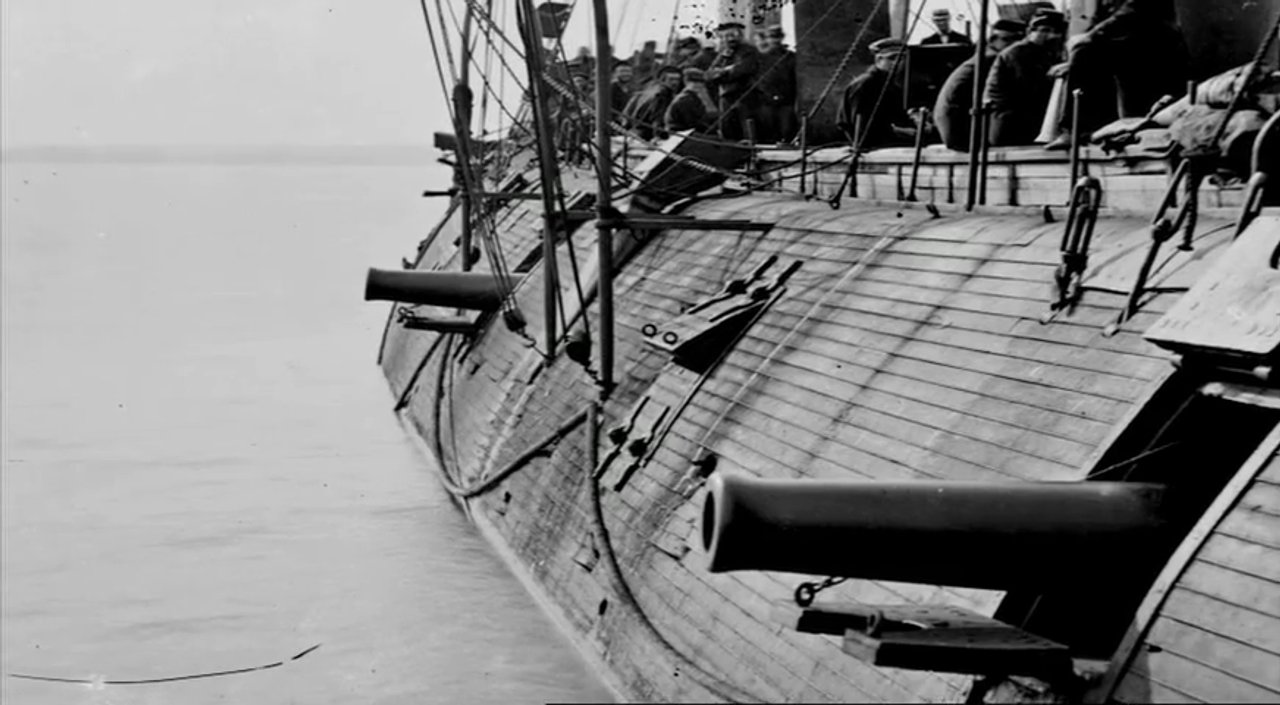
The American Civil War introduced new weapons and technologies that transformed warfare. The Gatling gun, a hand-cranked weapon with multiple rotating barrels, could fire far faster than the single-shot rifles commonly used by soldiers. Railroads helped armies transport troops, food, and ammunition over long distances, while ironclad warships used iron armor and heavy cannons to reshape naval combat. The Confederate submarine H. L. Hunley also made history in 1864 when it sank the Union warship Housatonic, becoming the first combat submarine to sink an enemy vessel.
The war also expanded the use of technology for reconnaissance and communication. Hot air and hydrogen balloons allowed observers to monitor enemy movements from above, and telegraph systems helped commanders share information quickly. These innovations changed how armies moved, gathered intelligence, and fought battles. Although many technologies were still experimental, their growing role in military strategy led historians to view the Civil War as an important transition toward modern warfare.
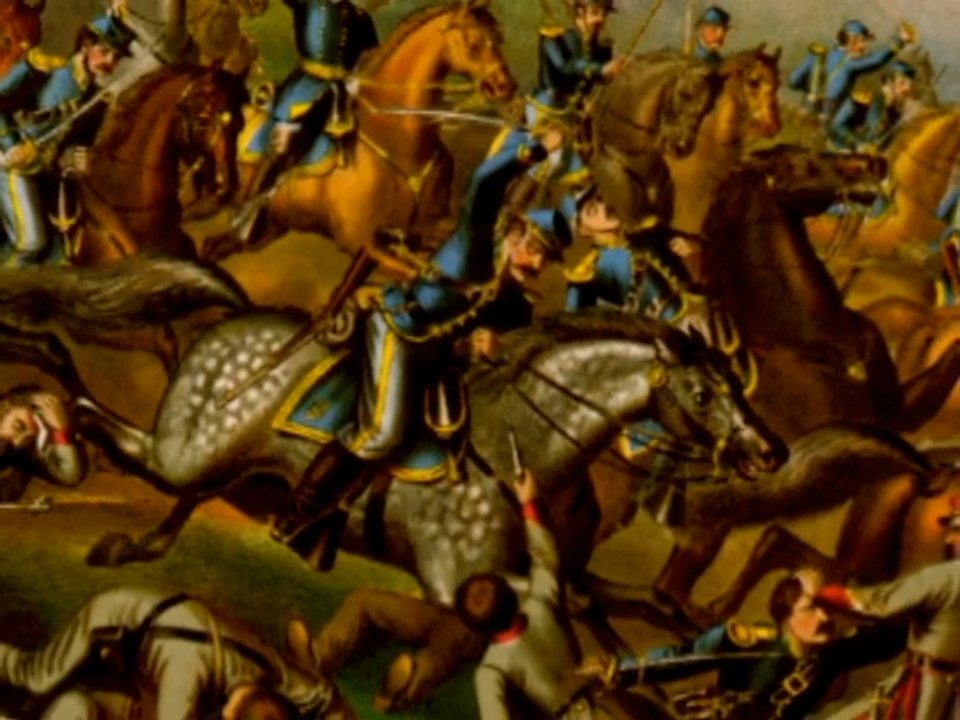
By the summer of 1863, the Civil War had lasted more than two years, with victories and defeats on both sides. In July, two major battles changed the course of the conflict. At Gettysburg, Pennsylvania, Union forces led by General George Meade repelled Confederate General Robert E. Lee’s invasion of the North. The failed Pickett’s Charge resulted in heavy Confederate losses and forced Lee’s army to retreat.
At the same time, Union General Ulysses S. Grant’s siege of Vicksburg, Mississippi, forced Confederate General John C. Pemberton to surrender. The Union victory secured control of the Mississippi River, dividing the Confederacy and disrupting its supply lines. Together, the defeats at Gettysburg and Vicksburg marked a turning point in the war, shifting momentum toward the Union.
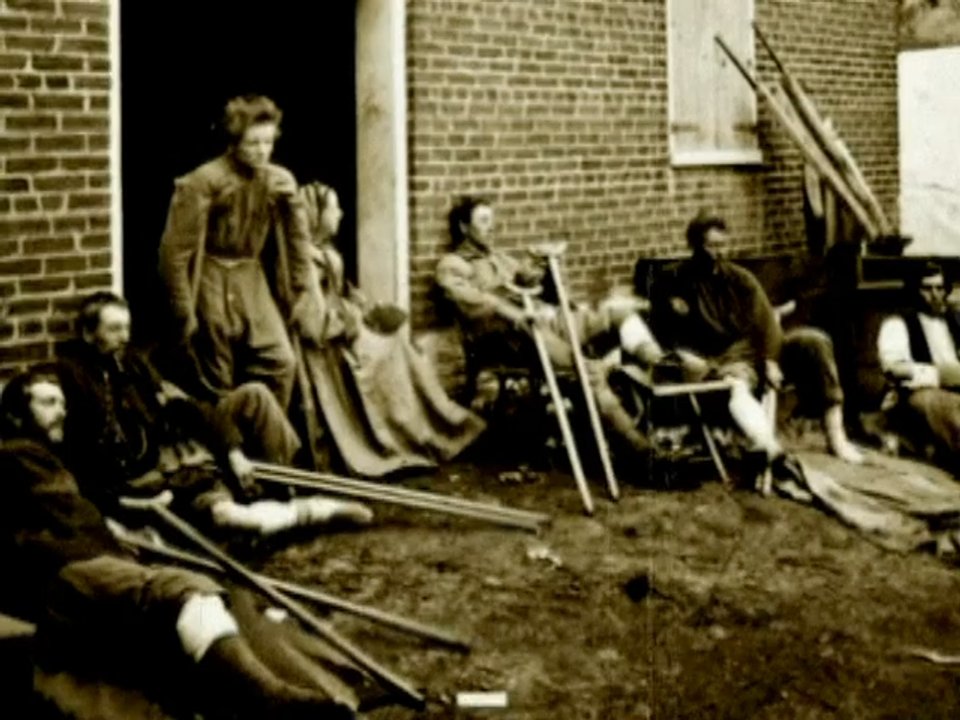
During the Civil War, weapons had advanced faster than battlefield medicine. Surgeons faced overwhelming numbers of wounded soldiers with limited training and few effective treatments. Anesthesia made surgery possible, but serious limb injuries often led to amputation, while infections remained a major threat.
Disease was an even greater danger. Twice as many soldiers died from disease as from battle wounds, as doctors did not yet understand the importance of sterile conditions and infection prevention. Military hospitals treated tens of thousands of wounded and sick soldiers, revealing the enormous human cost of the war.
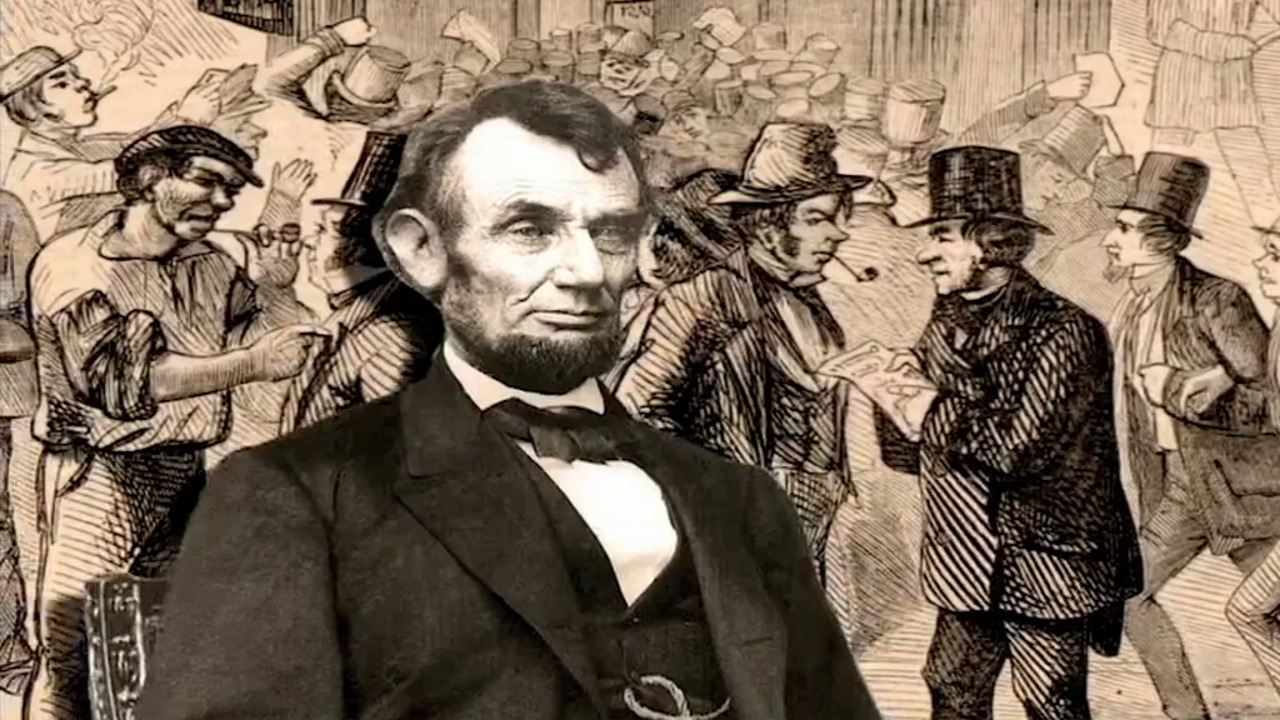
In Abraham Lincoln, the Road to the Confederacy, and the Civil War , learn how growing sectional divisions over slavery and politics led southern states to secede from the Union. After Abraham Lincoln’s election in 1860, seven states left the Union before he even took office, forming the Confederate States of America with Jefferson Davis as their president. Tensions erupted on April 12, 1861, when Confederate forces attacked Fort Sumter, officially beginning the Civil War.
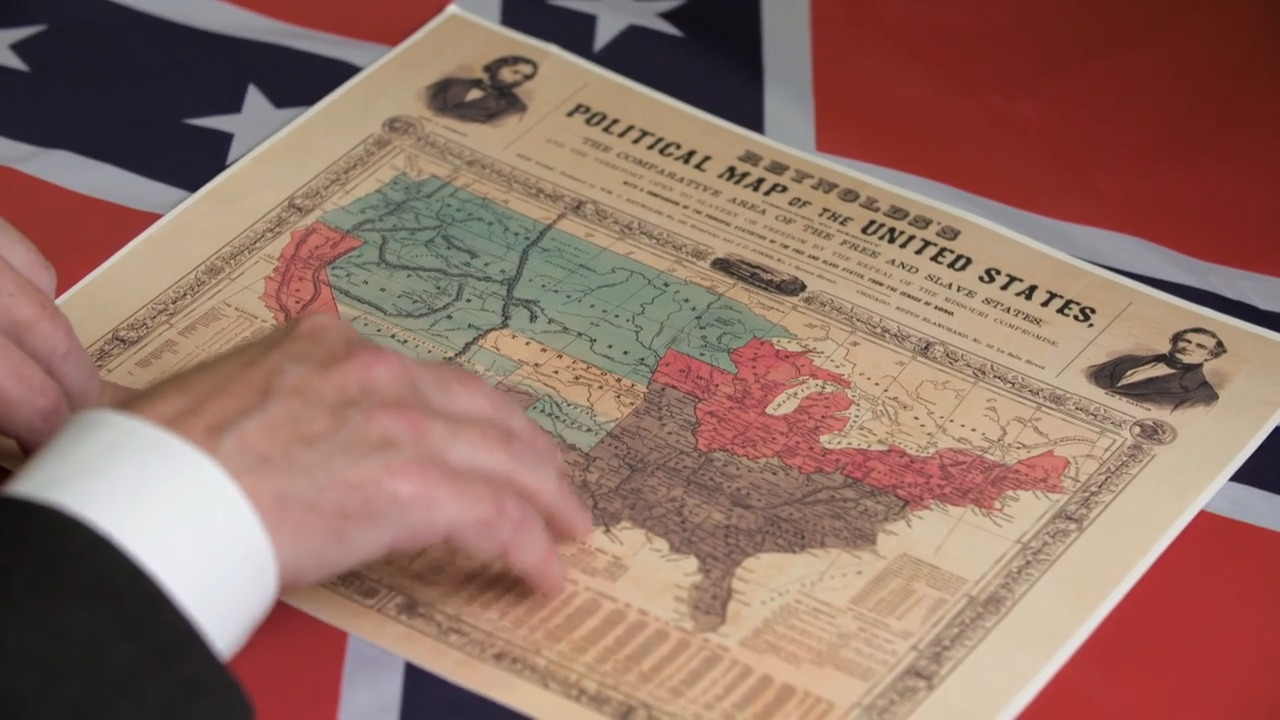
In How the American Civil War Really Started, historian Lucy Worsley investigates what America was like before the Civil War. It began as a clash between the 19 Northern states, which had abolished slavery, and 11 Southern states, where the economy was built on slave labor. New states were emerging in the West and both Northern and Southern states feared for their own economies. This video is excerpted from BBC's American History's Biggest Fibs with Lucy Worsley, in which Worsley reveals the myths and manipulations behind American history.

The article "How Lincoln's 1860 Election Sparked the Civil War" from BBC's HistoryExtra explores how Abraham Lincoln’s election as U.S. president in 1860 changed the course of American history. It explains the growing conflict over slavery, the breakdown of political parties, and how Lincoln's victory led to the secession of Southern states and the start of the Civil War.
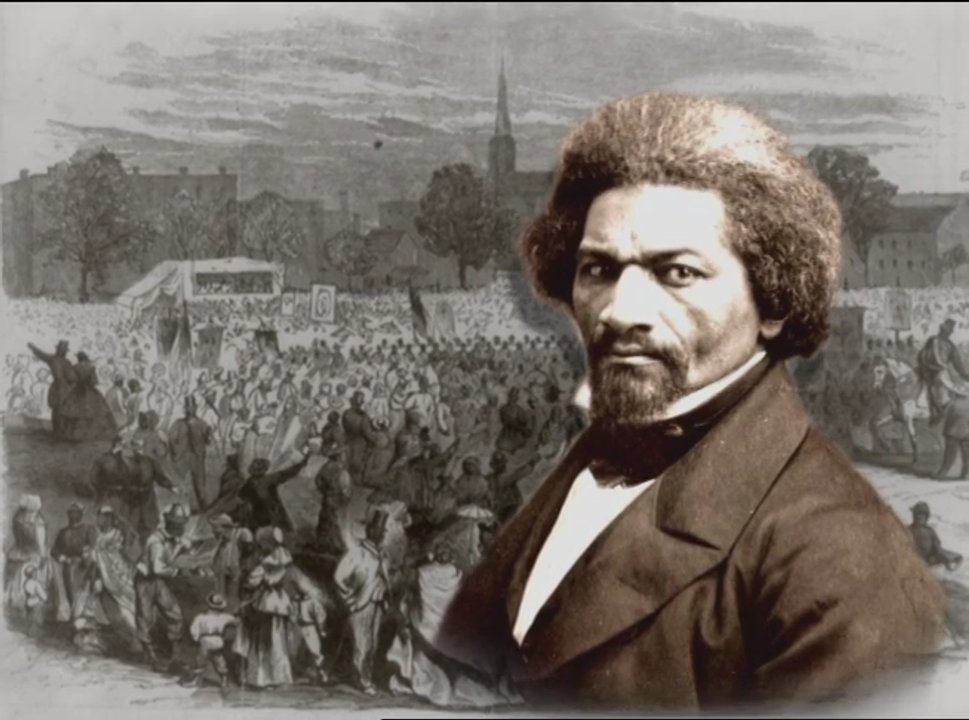
Frederick Douglass was born into slavery in Maryland in 1818 and secretly learned to read and write as a child. After escaping slavery in 1838, he became a leading abolitionist, sharing his experiences through powerful speeches and his newspaper, The North Star. His 1845 autobiography, Narrative of the Life of Frederick Douglass, an American Slave, challenged racist beliefs and exposed the brutality of slavery. The book gained international attention, and supporters in Britain helped secure his legal freedom.
During the Civil War, Douglass advised President Abraham Lincoln on emancipation and the treatment of Black soldiers in the Union Army. After the war, he continued working for civil rights and held several government positions, including U.S. minister to Haiti. Douglass died in 1895, leaving a lasting legacy as an influential writer, speaker, abolitionist, and advocate for equality. His life demonstrates the power of education, personal testimony, and public advocacy in the struggle for freedom and civil rights.
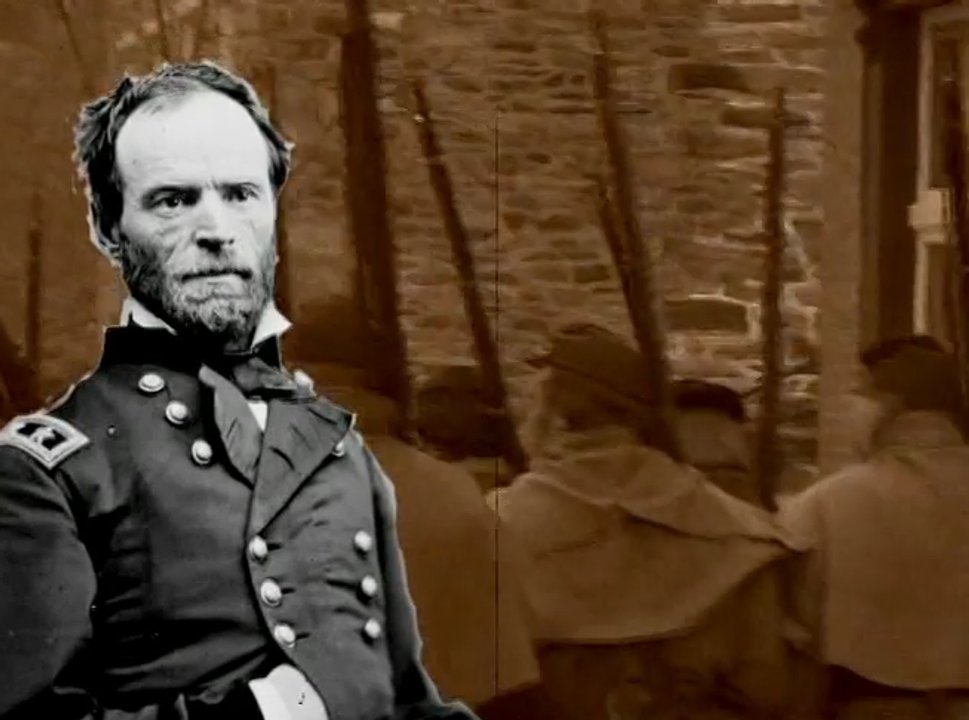
In 1864, Union General Ulysses S. Grant placed William Tecumseh Sherman in command of a major campaign to capture Atlanta, Georgia, an important Confederate railroad and industrial center. Sherman’s troops advanced from Chattanooga, Tennessee, pushing back Confederate forces led first by Joseph E. Johnston and later by John Bell Hood. As fighting intensified at places such as Kennesaw Mountain, Atlanta’s residents faced growing fear, shortages, and displacement.
After weeks of fighting and a prolonged siege, Union forces captured Atlanta on September 2, 1864, following the Confederate evacuation the previous night. Sherman ordered much of the city’s remaining military infrastructure destroyed, and fires damaged large parts of Atlanta. The victory dealt a significant blow to the Confederacy, disrupted its transportation and supply networks, and strengthened Northern morale. It also helped Lincoln’s reelection campaign, while the war continued until the Confederacy’s surrender in 1865.
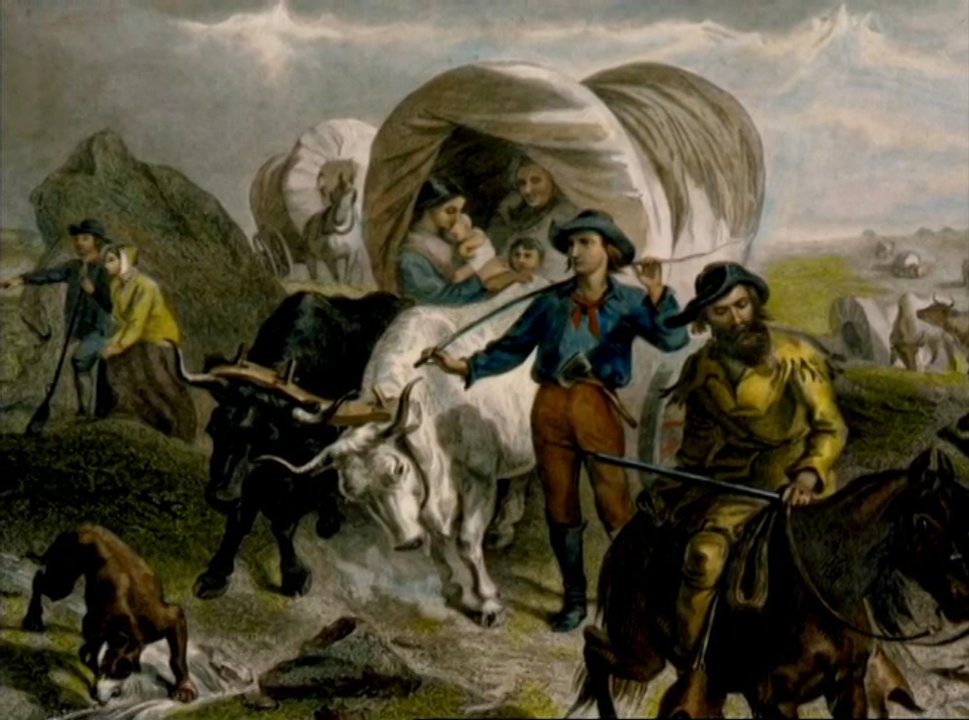
In 1821, trader William Becknell led a party from Missouri to Santa Fe, New Mexico, opening a route that became known as the Santa Fe Trail. Connecting the United States and newly independent Mexico, the trail developed into a major commercial highway, carrying goods across more than 900 miles and helping transform regional economies. Trade grew dramatically, connecting communities in the Southwest with markets as far away as New York, London, and Paris.
The Santa Fe Trail also played a strategic role during the Civil War, when Confederate forces attempted to gain control of New Mexico and its resources. Union troops defeated Confederate forces at the Battle of Glorieta Pass in 1862, protecting an important supply route through the Southwest. By 1880, expanding railroads had largely replaced the trail, but its legacy remained in the economic, cultural, and territorial development of the American West.
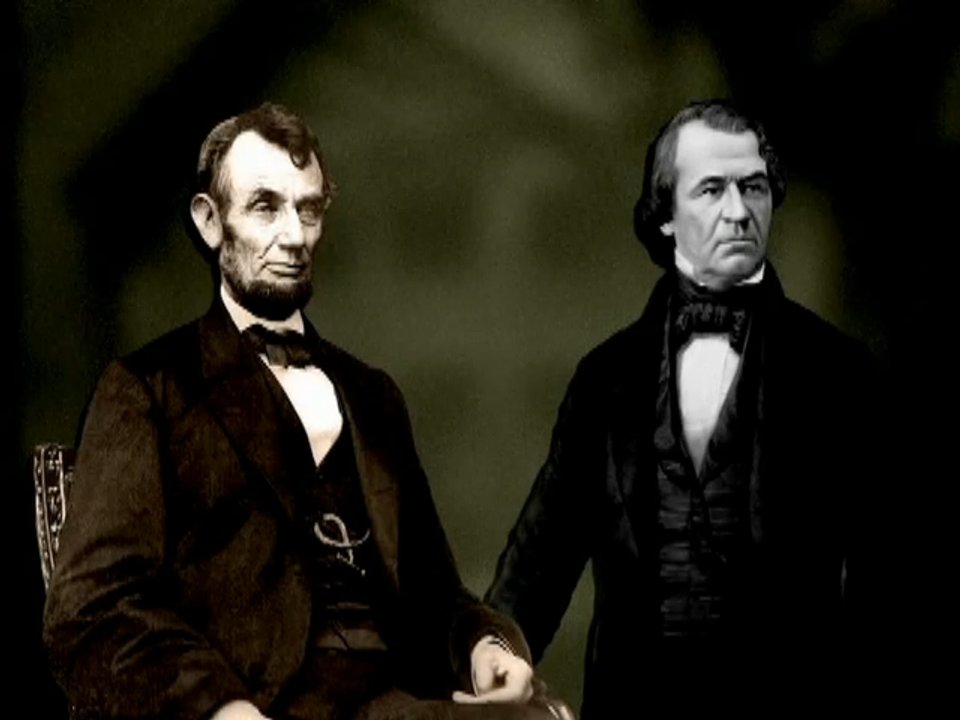
After the Civil War, the South faced major economic and social changes as slavery came to an end. Reconstruction aimed to reunite the country and establish a new political and social order. During Presidential Reconstruction, Presidents Abraham Lincoln and Andrew Johnson favored relatively lenient policies toward the former Confederate states. Disagreements with congressional Republicans led to a more forceful approach beginning in 1867, known as Radical Reconstruction. During this period, constitutional amendments abolished slavery, established birthright citizenship, and prohibited denying voting rights on the basis of race.
African Americans gained political representation, and Southern state governments introduced significant reforms. By the 1870s, however, support for Reconstruction weakened as white Southern Democrats known as Redeemers regained control of state governments. The withdrawal of federal troops in 1877 marked the end of Reconstruction and reduced federal enforcement of African Americans’ civil and political rights. Although Reconstruction brought important constitutional changes, its goals of securing lasting racial equality remained largely unrealized. The struggle for civil rights continued for generations and became a central focus of the Civil Rights Movement in the 1950s and 1960s.
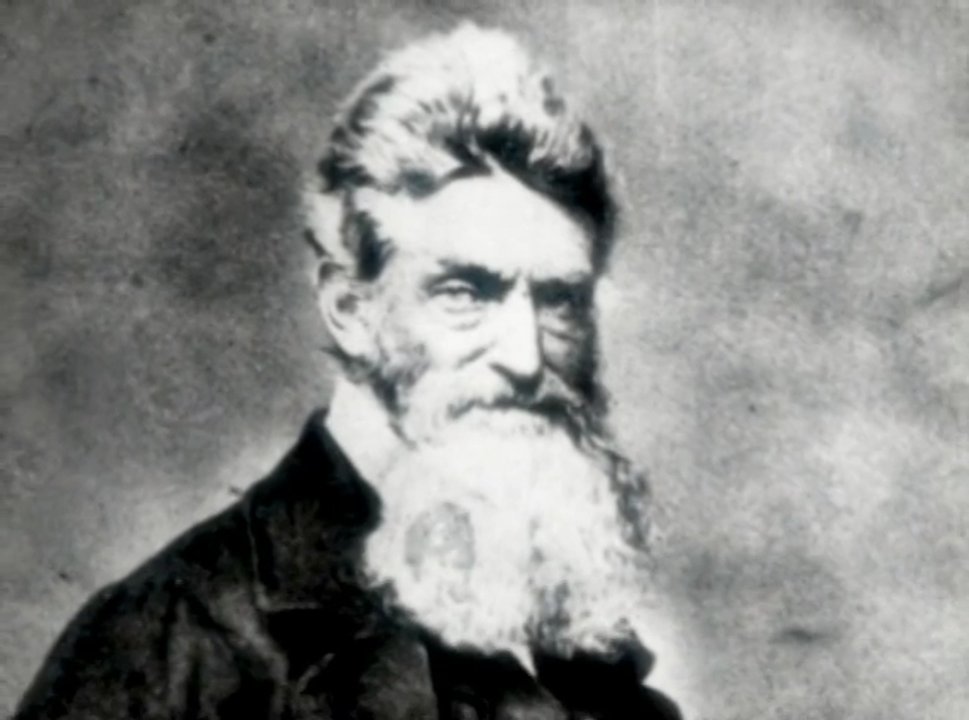
John Brown was a radical abolitionist who believed armed rebellion was necessary to end slavery. He gained national attention in 1856 when he and his followers killed five pro-slavery settlers during the violence in Kansas. In October 1859, Brown led a raid on the federal arsenal at Harpers Ferry, Virginia, intending to seize weapons and spark an uprising among enslaved people. The raid failed, and Brown was captured, tried for treason, and executed.
Although Brown failed to launch the uprising he envisioned, his raid intensified the national debate over slavery and deepened divisions between North and South. His actions remain controversial, with interpretations of his legacy ranging from condemnation of his use of violence to recognition of his commitment to ending slavery. His story illustrates the growing tensions that brought the United States closer to the Civil War.
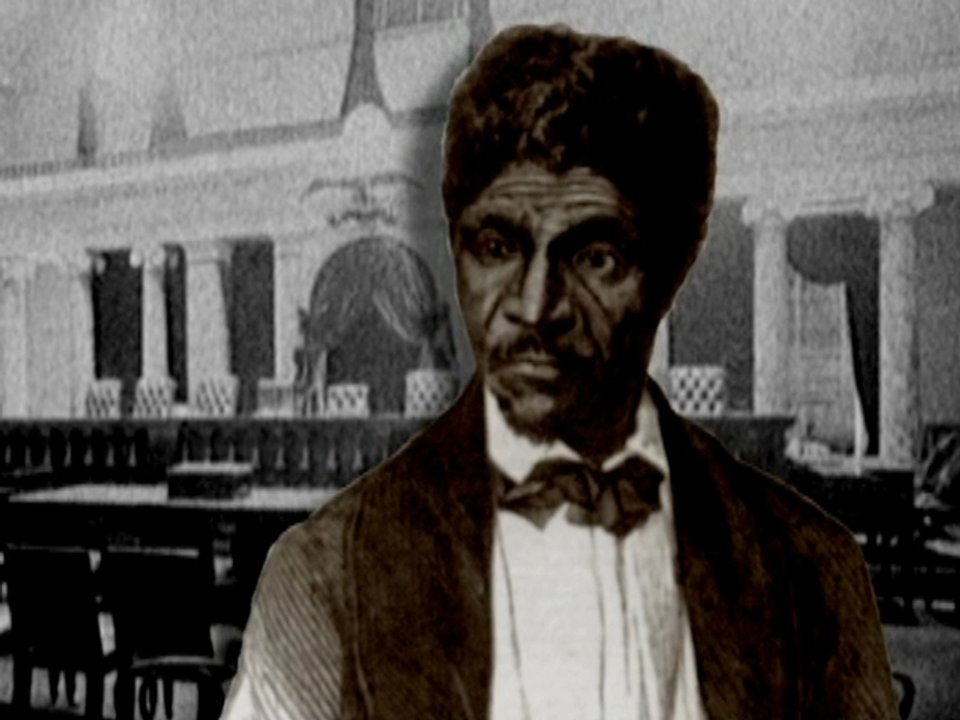
Dred Scott, an enslaved man, sued for his freedom in a case that eventually reached the U.S. Supreme Court in 1857. The Court ruled that Black Americans could not be U.S. citizens and that Scott had no right to sue in federal court. It also declared the Missouri Compromise unconstitutional, further intensifying the growing conflict over slavery.
The decision denied Scott his freedom and deepened divisions between the North and South. Although Scott was later freed by the family that had originally enslaved him, he died less than a year later. His case became a defining moment in the growing conflict over slavery that preceded the Civil War.
The American Civil War introduced new weapons and technologies that transformed warfare. The Gatling gun, a hand-cranked weapon with multiple rotating barrels, could fire far faster than the single-shot rifles commonly used by soldiers. Railroads helped armies transport troops, food, and ammunition over long distances, while ironclad warships used iron armor and heavy cannons to reshape naval combat. The Confederate submarine H. L. Hunley also made history in 1864 when it sank the Union warship Housatonic, becoming the first combat submarine to sink an enemy vessel.
The war also expanded the use of technology for reconnaissance and communication. Hot air and hydrogen balloons allowed observers to monitor enemy movements from above, and telegraph systems helped commanders share information quickly. These innovations changed how armies moved, gathered intelligence, and fought battles. Although many technologies were still experimental, their growing role in military strategy led historians to view the Civil War as an important transition toward modern warfare.
By the summer of 1863, the Civil War had lasted more than two years, with victories and defeats on both sides. In July, two major battles changed the course of the conflict. At Gettysburg, Pennsylvania, Union forces led by General George Meade repelled Confederate General Robert E. Lee’s invasion of the North. The failed Pickett’s Charge resulted in heavy Confederate losses and forced Lee’s army to retreat.
At the same time, Union General Ulysses S. Grant’s siege of Vicksburg, Mississippi, forced Confederate General John C. Pemberton to surrender. The Union victory secured control of the Mississippi River, dividing the Confederacy and disrupting its supply lines. Together, the defeats at Gettysburg and Vicksburg marked a turning point in the war, shifting momentum toward the Union.
During the Civil War, weapons had advanced faster than battlefield medicine. Surgeons faced overwhelming numbers of wounded soldiers with limited training and few effective treatments. Anesthesia made surgery possible, but serious limb injuries often led to amputation, while infections remained a major threat.
Disease was an even greater danger. Twice as many soldiers died from disease as from battle wounds, as doctors did not yet understand the importance of sterile conditions and infection prevention. Military hospitals treated tens of thousands of wounded and sick soldiers, revealing the enormous human cost of the war.
In Abraham Lincoln, the Road to the Confederacy, and the Civil War , learn how growing sectional divisions over slavery and politics led southern states to secede from the Union. After Abraham Lincoln’s election in 1860, seven states left the Union before he even took office, forming the Confederate States of America with Jefferson Davis as their president. Tensions erupted on April 12, 1861, when Confederate forces attacked Fort Sumter, officially beginning the Civil War.
In How the American Civil War Really Started, historian Lucy Worsley investigates what America was like before the Civil War. It began as a clash between the 19 Northern states, which had abolished slavery, and 11 Southern states, where the economy was built on slave labor. New states were emerging in the West and both Northern and Southern states feared for their own economies. This video is excerpted from BBC's American History's Biggest Fibs with Lucy Worsley, in which Worsley reveals the myths and manipulations behind American history.
The article "How Lincoln's 1860 Election Sparked the Civil War" from BBC's HistoryExtra explores how Abraham Lincoln’s election as U.S. president in 1860 changed the course of American history. It explains the growing conflict over slavery, the breakdown of political parties, and how Lincoln's victory led to the secession of Southern states and the start of the Civil War.
Frederick Douglass was born into slavery in Maryland in 1818 and secretly learned to read and write as a child. After escaping slavery in 1838, he became a leading abolitionist, sharing his experiences through powerful speeches and his newspaper, The North Star. His 1845 autobiography, Narrative of the Life of Frederick Douglass, an American Slave, challenged racist beliefs and exposed the brutality of slavery. The book gained international attention, and supporters in Britain helped secure his legal freedom.
During the Civil War, Douglass advised President Abraham Lincoln on emancipation and the treatment of Black soldiers in the Union Army. After the war, he continued working for civil rights and held several government positions, including U.S. minister to Haiti. Douglass died in 1895, leaving a lasting legacy as an influential writer, speaker, abolitionist, and advocate for equality. His life demonstrates the power of education, personal testimony, and public advocacy in the struggle for freedom and civil rights.
In 1864, Union General Ulysses S. Grant placed William Tecumseh Sherman in command of a major campaign to capture Atlanta, Georgia, an important Confederate railroad and industrial center. Sherman’s troops advanced from Chattanooga, Tennessee, pushing back Confederate forces led first by Joseph E. Johnston and later by John Bell Hood. As fighting intensified at places such as Kennesaw Mountain, Atlanta’s residents faced growing fear, shortages, and displacement.
After weeks of fighting and a prolonged siege, Union forces captured Atlanta on September 2, 1864, following the Confederate evacuation the previous night. Sherman ordered much of the city’s remaining military infrastructure destroyed, and fires damaged large parts of Atlanta. The victory dealt a significant blow to the Confederacy, disrupted its transportation and supply networks, and strengthened Northern morale. It also helped Lincoln’s reelection campaign, while the war continued until the Confederacy’s surrender in 1865.
In 1821, trader William Becknell led a party from Missouri to Santa Fe, New Mexico, opening a route that became known as the Santa Fe Trail. Connecting the United States and newly independent Mexico, the trail developed into a major commercial highway, carrying goods across more than 900 miles and helping transform regional economies. Trade grew dramatically, connecting communities in the Southwest with markets as far away as New York, London, and Paris.
The Santa Fe Trail also played a strategic role during the Civil War, when Confederate forces attempted to gain control of New Mexico and its resources. Union troops defeated Confederate forces at the Battle of Glorieta Pass in 1862, protecting an important supply route through the Southwest. By 1880, expanding railroads had largely replaced the trail, but its legacy remained in the economic, cultural, and territorial development of the American West.
After the Civil War, the South faced major economic and social changes as slavery came to an end. Reconstruction aimed to reunite the country and establish a new political and social order. During Presidential Reconstruction, Presidents Abraham Lincoln and Andrew Johnson favored relatively lenient policies toward the former Confederate states. Disagreements with congressional Republicans led to a more forceful approach beginning in 1867, known as Radical Reconstruction. During this period, constitutional amendments abolished slavery, established birthright citizenship, and prohibited denying voting rights on the basis of race.
African Americans gained political representation, and Southern state governments introduced significant reforms. By the 1870s, however, support for Reconstruction weakened as white Southern Democrats known as Redeemers regained control of state governments. The withdrawal of federal troops in 1877 marked the end of Reconstruction and reduced federal enforcement of African Americans’ civil and political rights. Although Reconstruction brought important constitutional changes, its goals of securing lasting racial equality remained largely unrealized. The struggle for civil rights continued for generations and became a central focus of the Civil Rights Movement in the 1950s and 1960s.
John Brown was a radical abolitionist who believed armed rebellion was necessary to end slavery. He gained national attention in 1856 when he and his followers killed five pro-slavery settlers during the violence in Kansas. In October 1859, Brown led a raid on the federal arsenal at Harpers Ferry, Virginia, intending to seize weapons and spark an uprising among enslaved people. The raid failed, and Brown was captured, tried for treason, and executed.
Although Brown failed to launch the uprising he envisioned, his raid intensified the national debate over slavery and deepened divisions between North and South. His actions remain controversial, with interpretations of his legacy ranging from condemnation of his use of violence to recognition of his commitment to ending slavery. His story illustrates the growing tensions that brought the United States closer to the Civil War.
Dred Scott, an enslaved man, sued for his freedom in a case that eventually reached the U.S. Supreme Court in 1857. The Court ruled that Black Americans could not be U.S. citizens and that Scott had no right to sue in federal court. It also declared the Missouri Compromise unconstitutional, further intensifying the growing conflict over slavery.
The decision denied Scott his freedom and deepened divisions between the North and South. Although Scott was later freed by the family that had originally enslaved him, he died less than a year later. His case became a defining moment in the growing conflict over slavery that preceded the Civil War.