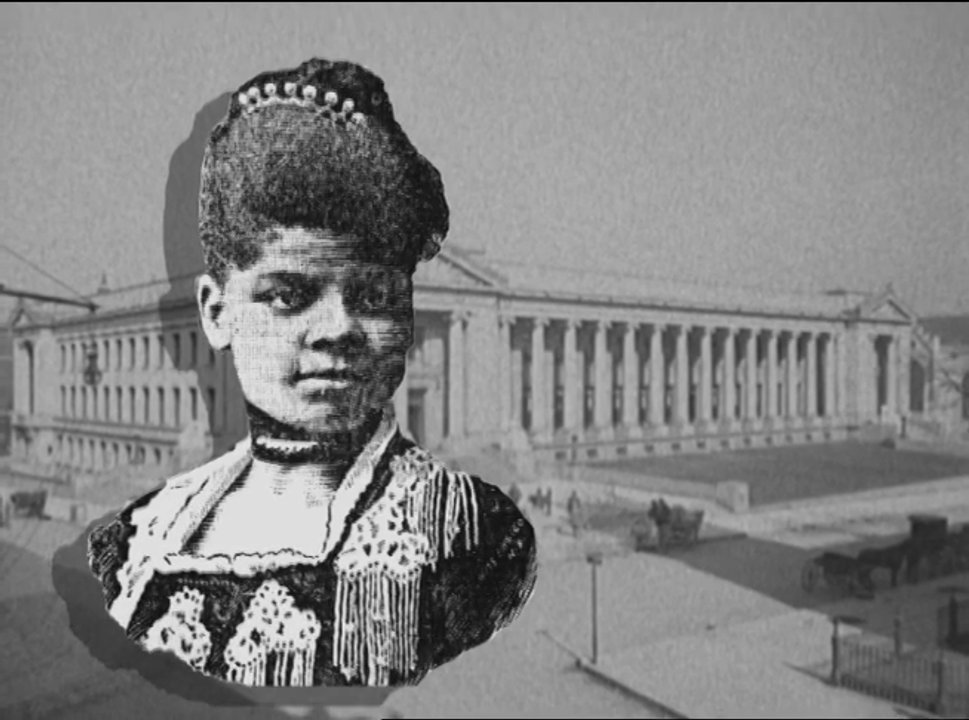
Ida B. Wells was a journalist, anti-lynching advocate, and civil rights activist who fought racial injustice and worked for women's suffrage. In 1892, she began a campaign against lynching, using her newspaper to expose violence against Black Americans and build support for federal action. She also challenged racial discrimination, including within the women's suffrage movement.
Wells was a founding member of the NAACP in 1909 and established organizations supporting Black communities and women's voting rights in Chicago. In 1930, she ran for the Illinois State Legislature, becoming one of the early Black women in the United States to seek public office. She died in 1931, leaving a lasting legacy in the fight for equality.
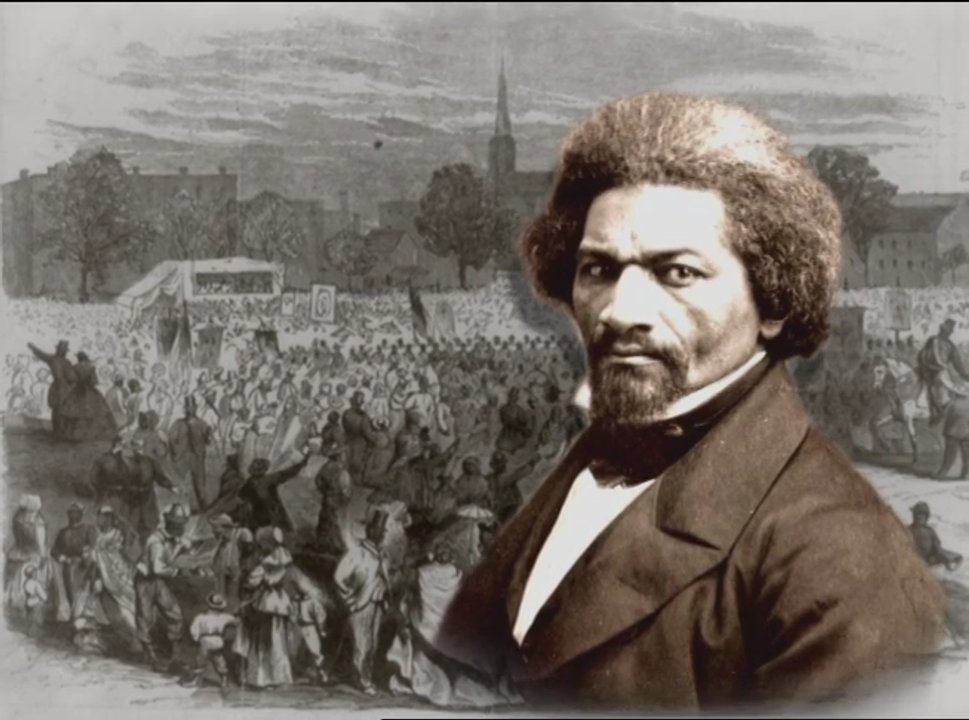
Frederick Douglass was born into slavery in Maryland in 1818 and secretly learned to read and write as a child. After escaping slavery in 1838, he became a leading abolitionist, sharing his experiences through powerful speeches and his newspaper, The North Star. His 1845 autobiography, Narrative of the Life of Frederick Douglass, an American Slave, challenged racist beliefs and exposed the brutality of slavery. The book gained international attention, and supporters in Britain helped secure his legal freedom.
During the Civil War, Douglass advised President Abraham Lincoln on emancipation and the treatment of Black soldiers in the Union Army. After the war, he continued working for civil rights and held several government positions, including U.S. minister to Haiti. Douglass died in 1895, leaving a lasting legacy as an influential writer, speaker, abolitionist, and advocate for equality. His life demonstrates the power of education, personal testimony, and public advocacy in the struggle for freedom and civil rights.
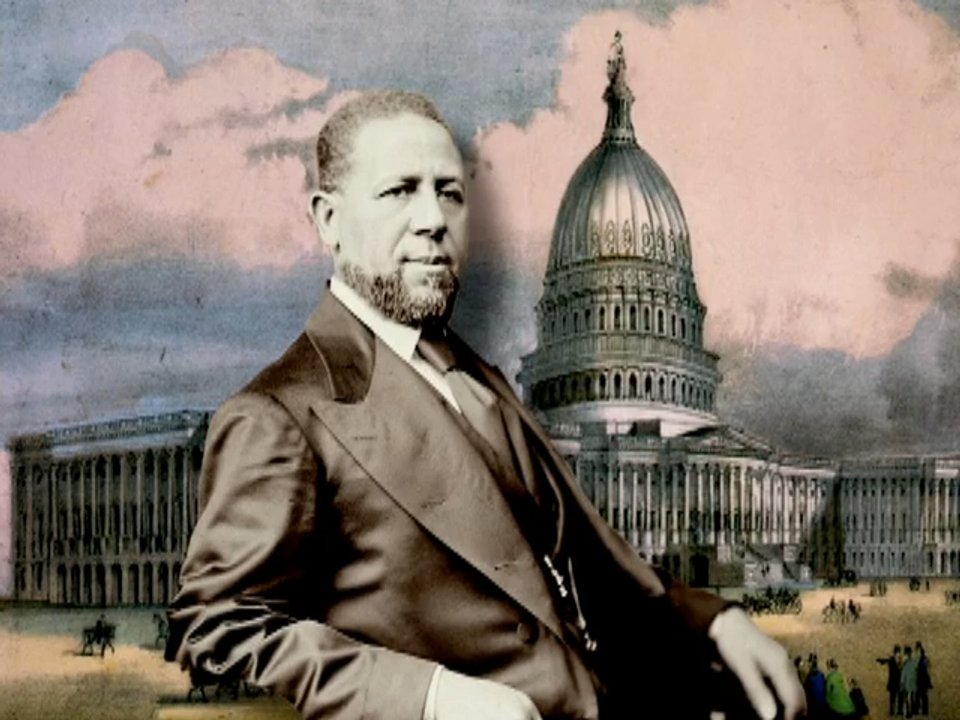
After the Civil War, Reconstruction brought major changes to the United States. The 13th, 14th, and 15th Amendments abolished slavery and extended citizenship and voting rights to African Americans. Black Americans also broke new ground in government, including Hiram Rhodes Revels, the first Black U.S. Senator, and Blanche Kelso Bruce, the first formerly enslaved person to serve a full Senate term. But
Reconstruction faced fierce opposition in the South, where many white leaders resisted federal authority and Black political and economic progress. The disputed presidential election of 1876 brought the era to an end, and federal troops withdrew from the South. Reconstruction governments collapsed, paving the way for Jim Crow laws and decades of legalized racial discrimination.
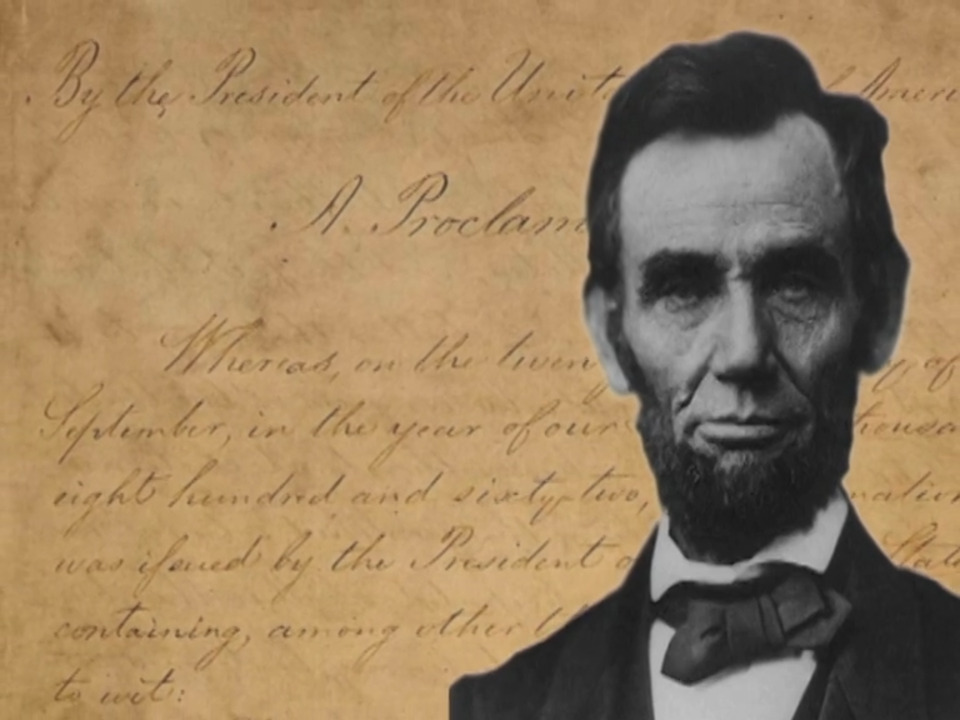
In Abraham Lincoln and the Emancipation Proclamation, learn how President Abraham Lincoln issued a bold declaration during the third year of the Civil War that all enslaved people in Confederate-held territories were to be free. While limited in immediate effect, the proclamation allowed Black men to join the Union Army and became one of the greatest documents of human freedom in U.S. history.
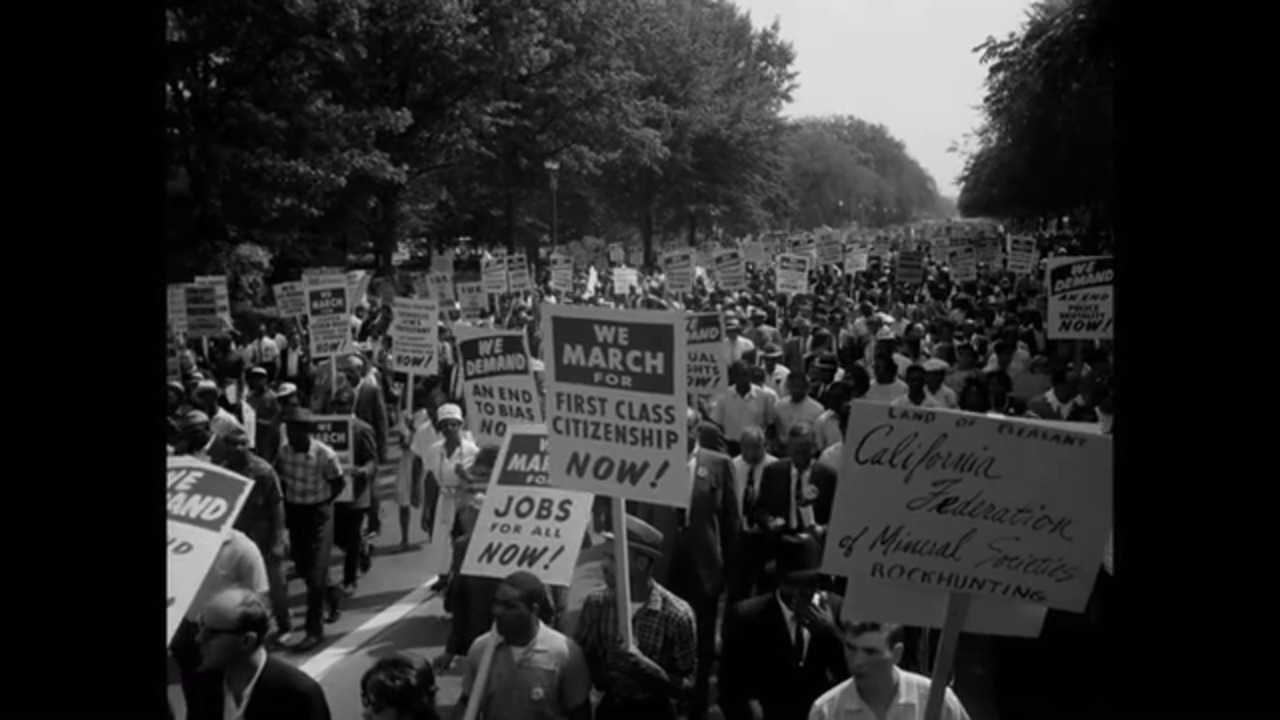
Martin Luther King Jr.’s Story in Song introduces students to Dr. Martin Luther King Jr. and the Civil Rights Movement through music, humor, and powerful historical images. Told as a song, the video shares key moments from Dr. King’s life and his leadership in the fight for equality in a way that is clear, memorable, and engaging for students.
Excerpted from BBC’s Horrible Histories — a multi-award-winning musical and sketch comedy series — this short video uses a familiar, student-friendly format to help make an important part of U.S. history easier to understand. The combination of lyrics, visuals, and real moments from the era helps students connect with the ideas of fairness, courage, and peaceful protest.
At just two and a half minutes, this video is ideal for classrooms. Use it as a quick introduction to Martin Luther King Jr., a lively entry point into the Civil Rights Movement, or a meaningful way to recognize Martin Luther King Jr. Day. It works well as a lesson opener, a review tool, or a discussion starter about how people have worked together to create change in a democracy.
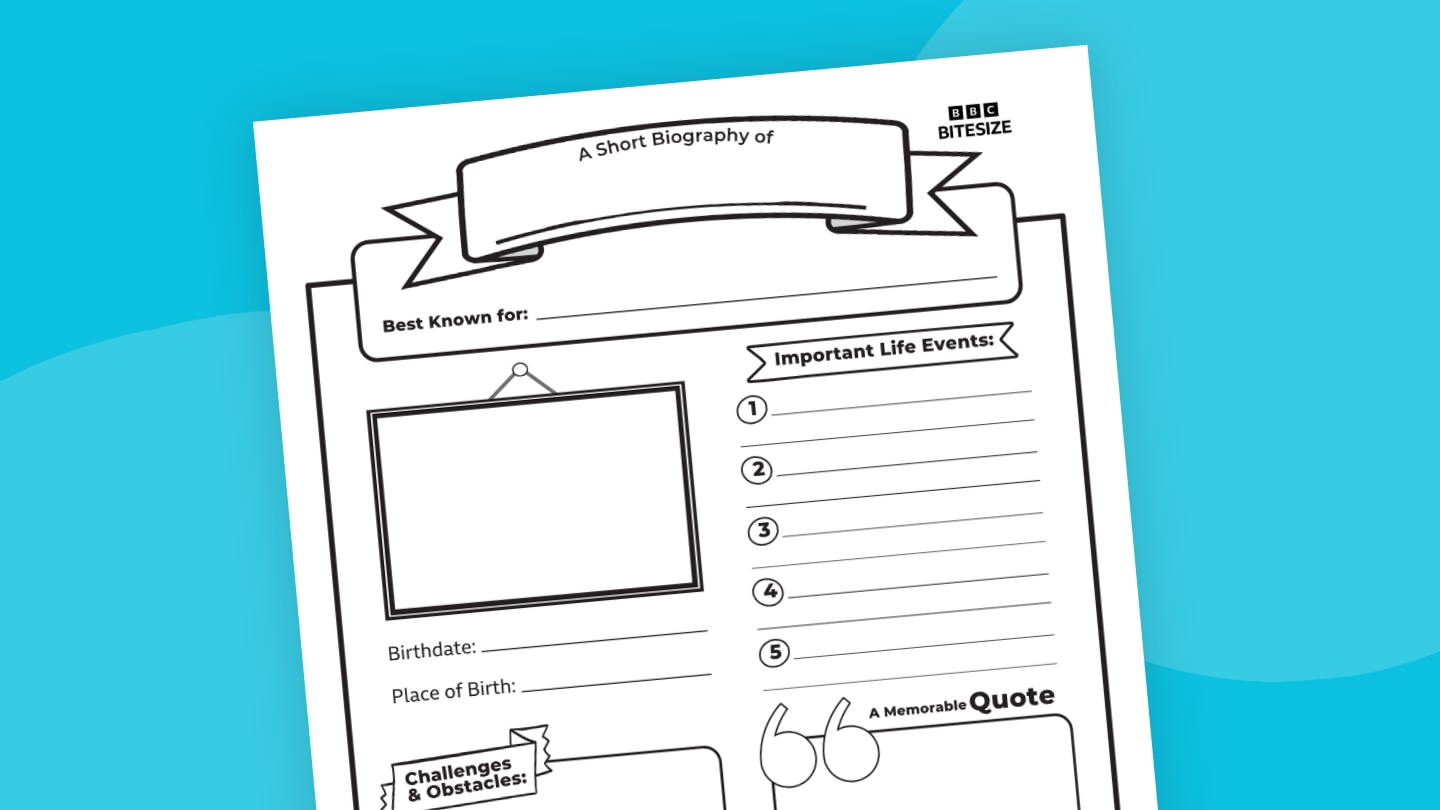
This mini biography template is a flexible, engaging tool designed to help students in Grades 3–8 explore the lives of important historical figures. With sections like Best Known For, Important Life Events, Challenges and Obstacles, Memorable Quote, and Legacy and Achievements, students are guided to think beyond basic facts and develop a deeper understanding of a person’s impact.
This template can be used with any historical figure and pairs especially well with video-based research. Encourage students to explore our BBC video library to gather key details, hear stories in context, and build stronger connections to the people they’re studying.
Here are a few ways you can use this template in your classroom:
- Celebrate special months: Have students research and complete biographies for influential figures during observances like Women’s History Month or Black History Month.
- Scientist spotlights: Use the template to profile important scientists, inventors, or innovators throughout history.
- “Living museum” projects: Have students complete the template, then present their figure in a short first-person speech or display as part of a classroom museum exhibit.
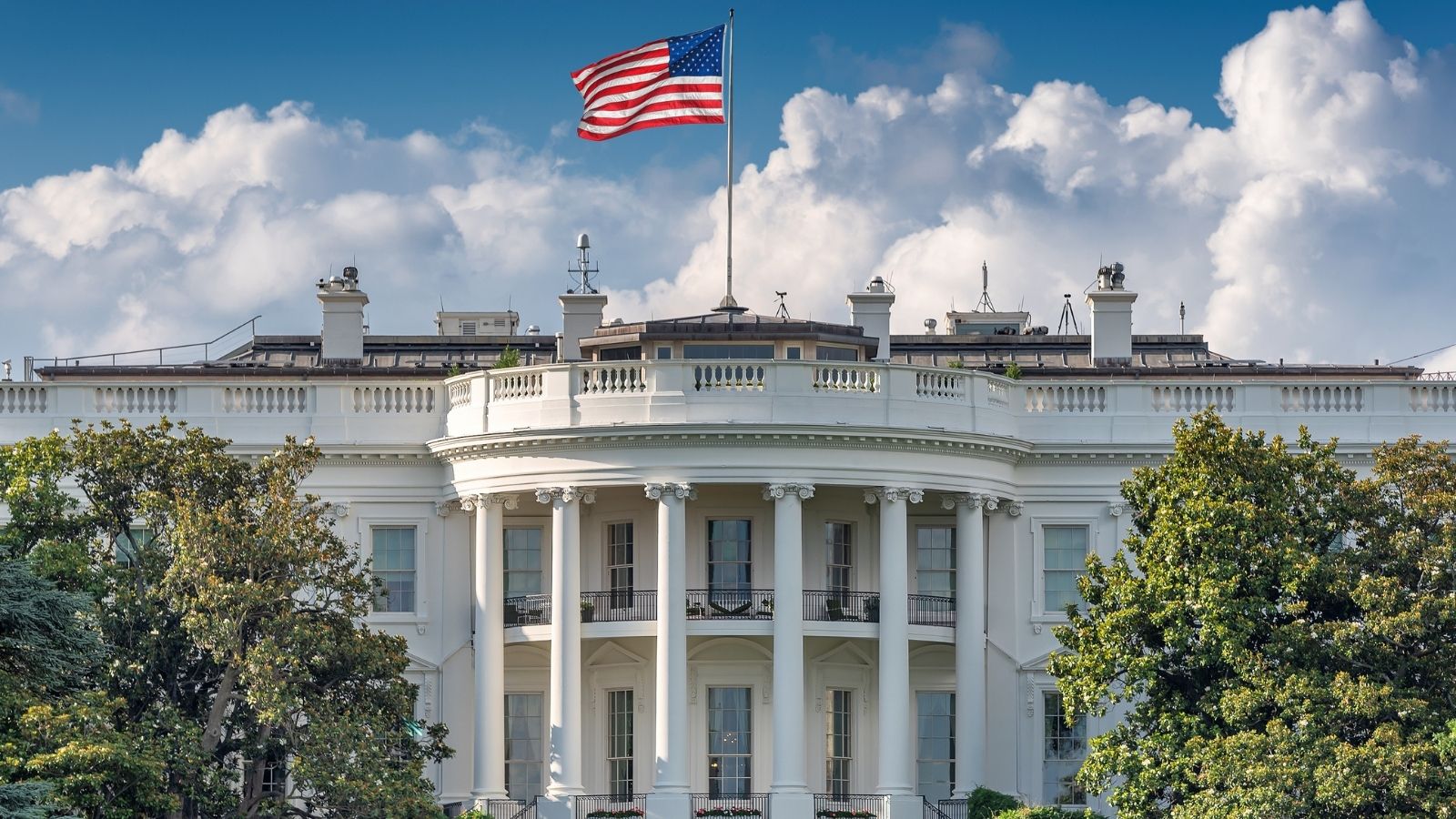
Meet the Leaders Who Shaped a Nation.
They were visionaries and leaders, but they were also imperfect people shaped by their times. From bold founders and wartime decision-makers to reformers and risk-takers, these U.S. presidents guided the nation through moments of hope, conflict, and change.
In this video playlist, explore BBC clips featuring George Washington, Thomas Jefferson, Abraham Lincoln, Theodore Roosevelt, and others, examining both their achievements and their shortcomings. A thoughtful playlist that encourages students to see history with nuance, question leadership, and understand that progress is often driven by complicated people making difficult choices.
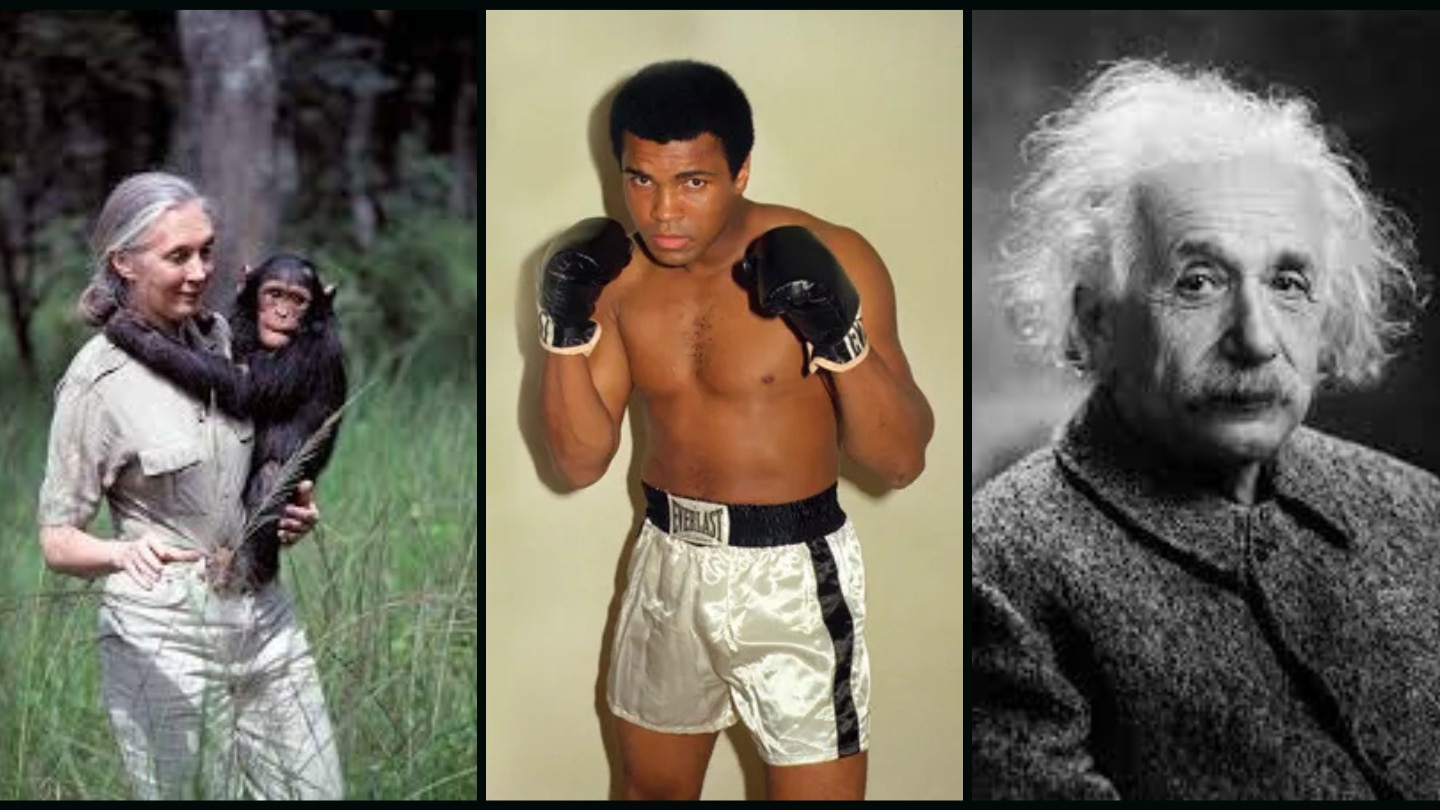
Meet the Icons of the 20th Century. From brilliant scientists and inspiring activists to legendary athletes and artists, these remarkable individuals changed the world in powerful ways. In this video playlist of clips from BBC's Icons: The Greatest Person of the 20th Century, meet Muhammad Ali, Helen Keller, Albert Einstein, Martin Luther King Jr., Pablo Picasso, Jane Goodall, Pelé, Billie Holiday and others — each a trailblazer who shaped history through courage, creativity, and conviction. A perfect playlist to inspire young minds to think big and act boldly!
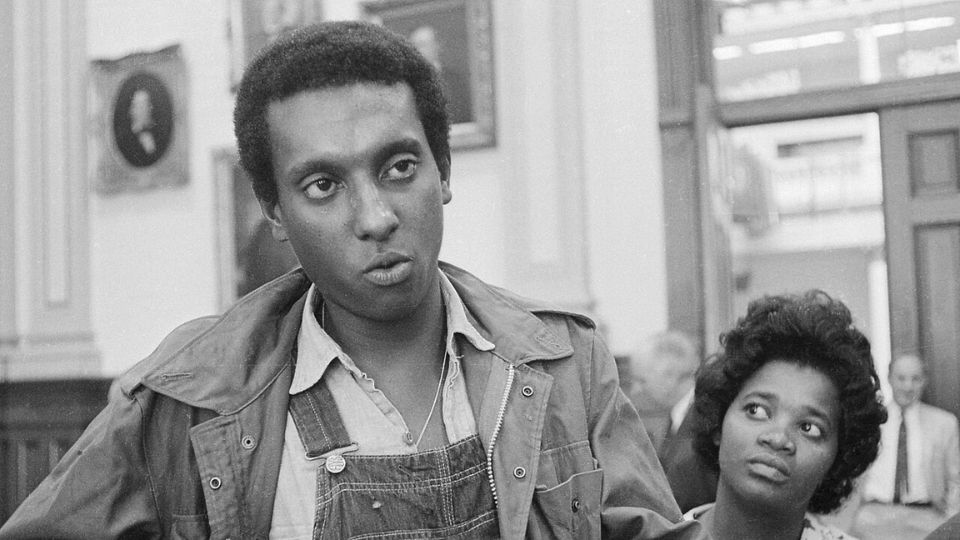
Explore the life and influence of Stokely Carmichael, a powerful voice in the shift from the Civil Rights Movement to the rise of the Black Power Movement. Students will learn how Carmichael challenged ideas about race, identity, equality, and political activism during a time of major change in the United States.
This Kahoot examines Carmichael’s role in student activism, voting rights campaigns, and the growing call for Black pride, self-determination, and social change during the 1960s and beyond. Students will build listening skills, expand vocabulary, and deepen their historical understanding while exploring how protest movements evolve and how leaders can influence public debate and culture.
Ideal for lessons on history, civil rights, culture, and social movements, this Kahoot encourages Grade 6–12 students to think critically about resistance, identity, and the continuing impact of activism today.
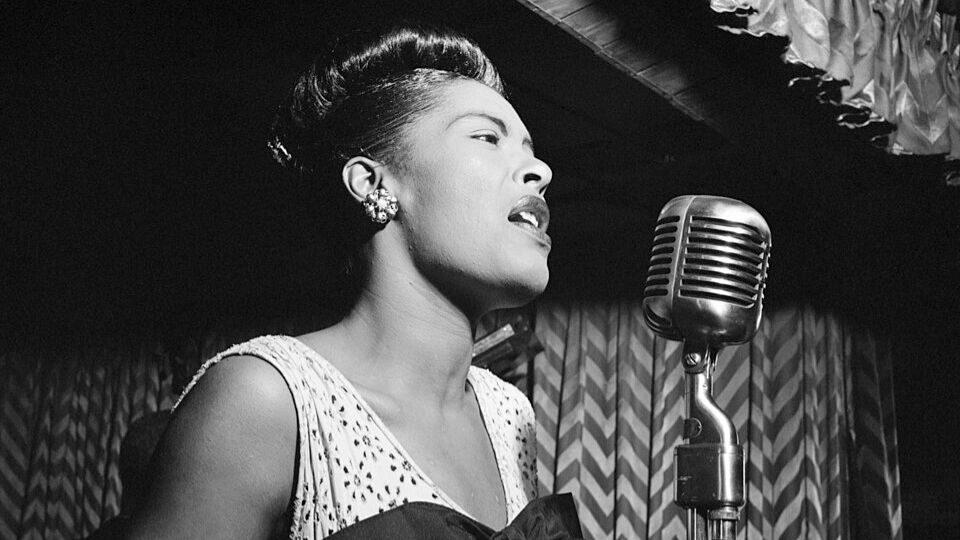
Discover the powerful story and lasting influence of Billie Holiday, one of the most important voices in American music history. Students will explore how her unforgettable style, emotional performances, and groundbreaking songs helped shape jazz culture while shining a light on the realities of segregation and racism in the United States.
This Kahoot examines Holiday’s life and music, including the rise of jazz clubs during the Harlem Renaissance, the challenges Black performers faced during segregation, and the impact of her famous protest song, "Strange Fruit." Students will build listening skills, expand vocabulary, and deepen their understanding of how music can inspire awareness, emotion, and social change.
Watch the related BBC videos (for mature viewers), Billie Holiday, a Voice Against Injustice and Billie Holiday and Strange Fruit, then invite your Grade 9–12 students to test their knowledge and explore the powerful connection between music, history, and culture.
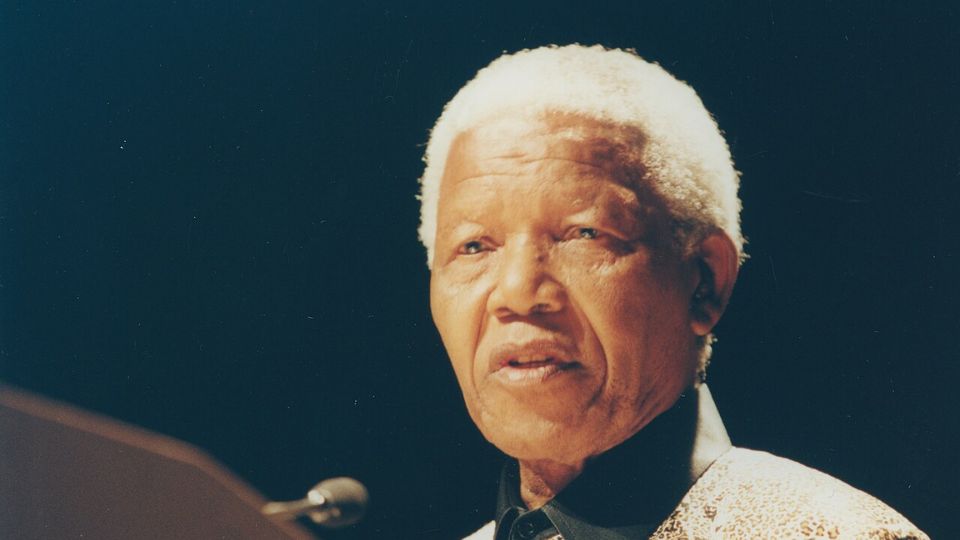
Follow the extraordinary life of Nelson Mandela, from his early fight against apartheid to his role in leading South Africa into a new era of democracy and reconciliation. Students will explore how Mandela stood up against injustice, endured years of imprisonment, and helped unite a divided nation through courage, perseverance, and forgiveness.
This Kahoot examines key moments in Mandela’s journey, including the struggle against apartheid, his 27 years in prison, his release in 1990, and his election as South Africa’s first Black president. Students will discover how his leadership, resilience, and commitment to equality continue to influence Black history and inspire people around the world today.
Watch the related BBC videos, The Remarkable Life of Nelson Mandela and Nelson Mandela Walks Free, then invite your Grade 6–12 students to test their knowledge and deepen their understanding of this iconic global leader.
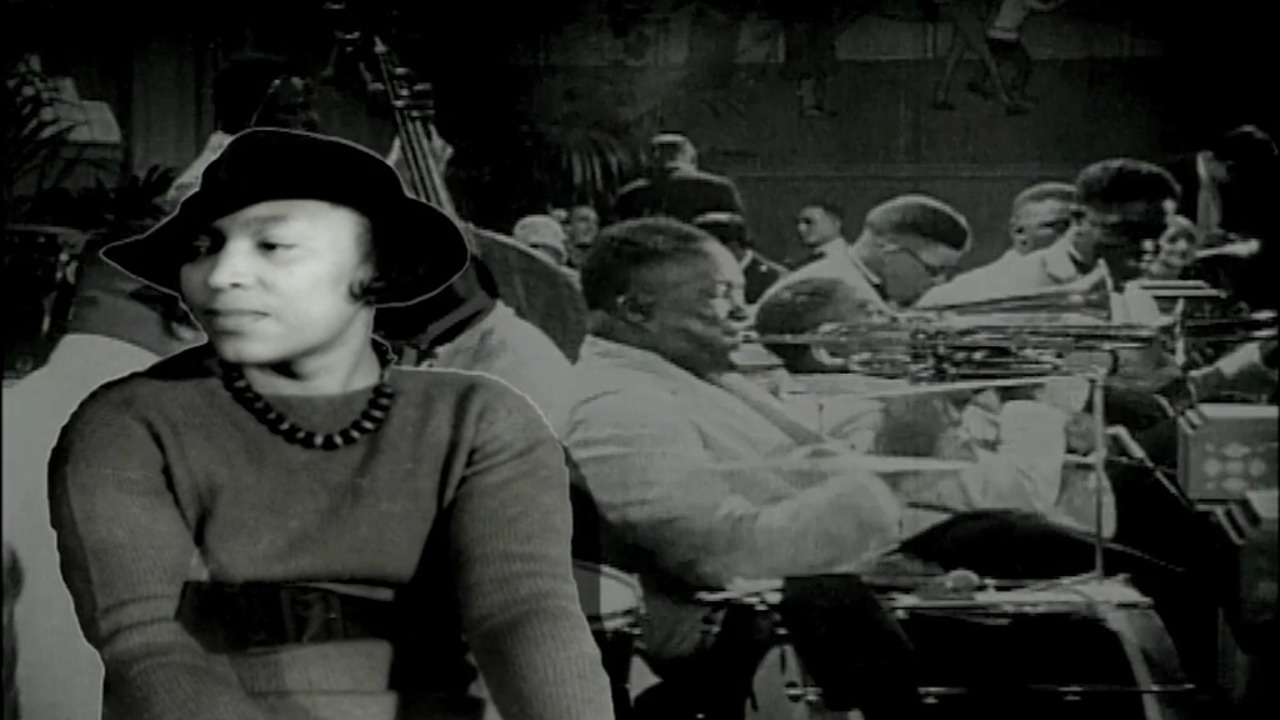
In Zora Neale Hurston and the Harlem Renaissance, explore the life and work of writer and anthropologist Zora Neale Hurston, from her Alabama childhood to her studies of African American folklore and culture. Though she died in obscurity, her legacy was revived by Alice Walker, restoring her place as a key figure in literature and the Harlem Renaissance.
Ida B. Wells was a journalist, anti-lynching advocate, and civil rights activist who fought racial injustice and worked for women's suffrage. In 1892, she began a campaign against lynching, using her newspaper to expose violence against Black Americans and build support for federal action. She also challenged racial discrimination, including within the women's suffrage movement.
Wells was a founding member of the NAACP in 1909 and established organizations supporting Black communities and women's voting rights in Chicago. In 1930, she ran for the Illinois State Legislature, becoming one of the early Black women in the United States to seek public office. She died in 1931, leaving a lasting legacy in the fight for equality.
Frederick Douglass was born into slavery in Maryland in 1818 and secretly learned to read and write as a child. After escaping slavery in 1838, he became a leading abolitionist, sharing his experiences through powerful speeches and his newspaper, The North Star. His 1845 autobiography, Narrative of the Life of Frederick Douglass, an American Slave, challenged racist beliefs and exposed the brutality of slavery. The book gained international attention, and supporters in Britain helped secure his legal freedom.
During the Civil War, Douglass advised President Abraham Lincoln on emancipation and the treatment of Black soldiers in the Union Army. After the war, he continued working for civil rights and held several government positions, including U.S. minister to Haiti. Douglass died in 1895, leaving a lasting legacy as an influential writer, speaker, abolitionist, and advocate for equality. His life demonstrates the power of education, personal testimony, and public advocacy in the struggle for freedom and civil rights.
After the Civil War, Reconstruction brought major changes to the United States. The 13th, 14th, and 15th Amendments abolished slavery and extended citizenship and voting rights to African Americans. Black Americans also broke new ground in government, including Hiram Rhodes Revels, the first Black U.S. Senator, and Blanche Kelso Bruce, the first formerly enslaved person to serve a full Senate term. But
Reconstruction faced fierce opposition in the South, where many white leaders resisted federal authority and Black political and economic progress. The disputed presidential election of 1876 brought the era to an end, and federal troops withdrew from the South. Reconstruction governments collapsed, paving the way for Jim Crow laws and decades of legalized racial discrimination.
In Abraham Lincoln and the Emancipation Proclamation, learn how President Abraham Lincoln issued a bold declaration during the third year of the Civil War that all enslaved people in Confederate-held territories were to be free. While limited in immediate effect, the proclamation allowed Black men to join the Union Army and became one of the greatest documents of human freedom in U.S. history.
Martin Luther King Jr.’s Story in Song introduces students to Dr. Martin Luther King Jr. and the Civil Rights Movement through music, humor, and powerful historical images. Told as a song, the video shares key moments from Dr. King’s life and his leadership in the fight for equality in a way that is clear, memorable, and engaging for students.
Excerpted from BBC’s Horrible Histories — a multi-award-winning musical and sketch comedy series — this short video uses a familiar, student-friendly format to help make an important part of U.S. history easier to understand. The combination of lyrics, visuals, and real moments from the era helps students connect with the ideas of fairness, courage, and peaceful protest.
At just two and a half minutes, this video is ideal for classrooms. Use it as a quick introduction to Martin Luther King Jr., a lively entry point into the Civil Rights Movement, or a meaningful way to recognize Martin Luther King Jr. Day. It works well as a lesson opener, a review tool, or a discussion starter about how people have worked together to create change in a democracy.
This mini biography template is a flexible, engaging tool designed to help students in Grades 3–8 explore the lives of important historical figures. With sections like Best Known For, Important Life Events, Challenges and Obstacles, Memorable Quote, and Legacy and Achievements, students are guided to think beyond basic facts and develop a deeper understanding of a person’s impact.
This template can be used with any historical figure and pairs especially well with video-based research. Encourage students to explore our BBC video library to gather key details, hear stories in context, and build stronger connections to the people they’re studying.
Here are a few ways you can use this template in your classroom:
- Celebrate special months: Have students research and complete biographies for influential figures during observances like Women’s History Month or Black History Month.
- Scientist spotlights: Use the template to profile important scientists, inventors, or innovators throughout history.
- “Living museum” projects: Have students complete the template, then present their figure in a short first-person speech or display as part of a classroom museum exhibit.
Meet the Leaders Who Shaped a Nation.
They were visionaries and leaders, but they were also imperfect people shaped by their times. From bold founders and wartime decision-makers to reformers and risk-takers, these U.S. presidents guided the nation through moments of hope, conflict, and change.
In this video playlist, explore BBC clips featuring George Washington, Thomas Jefferson, Abraham Lincoln, Theodore Roosevelt, and others, examining both their achievements and their shortcomings. A thoughtful playlist that encourages students to see history with nuance, question leadership, and understand that progress is often driven by complicated people making difficult choices.
Meet the Icons of the 20th Century. From brilliant scientists and inspiring activists to legendary athletes and artists, these remarkable individuals changed the world in powerful ways. In this video playlist of clips from BBC's Icons: The Greatest Person of the 20th Century, meet Muhammad Ali, Helen Keller, Albert Einstein, Martin Luther King Jr., Pablo Picasso, Jane Goodall, Pelé, Billie Holiday and others — each a trailblazer who shaped history through courage, creativity, and conviction. A perfect playlist to inspire young minds to think big and act boldly!
Explore the life and influence of Stokely Carmichael, a powerful voice in the shift from the Civil Rights Movement to the rise of the Black Power Movement. Students will learn how Carmichael challenged ideas about race, identity, equality, and political activism during a time of major change in the United States.
This Kahoot examines Carmichael’s role in student activism, voting rights campaigns, and the growing call for Black pride, self-determination, and social change during the 1960s and beyond. Students will build listening skills, expand vocabulary, and deepen their historical understanding while exploring how protest movements evolve and how leaders can influence public debate and culture.
Ideal for lessons on history, civil rights, culture, and social movements, this Kahoot encourages Grade 6–12 students to think critically about resistance, identity, and the continuing impact of activism today.
Discover the powerful story and lasting influence of Billie Holiday, one of the most important voices in American music history. Students will explore how her unforgettable style, emotional performances, and groundbreaking songs helped shape jazz culture while shining a light on the realities of segregation and racism in the United States.
This Kahoot examines Holiday’s life and music, including the rise of jazz clubs during the Harlem Renaissance, the challenges Black performers faced during segregation, and the impact of her famous protest song, "Strange Fruit." Students will build listening skills, expand vocabulary, and deepen their understanding of how music can inspire awareness, emotion, and social change.
Watch the related BBC videos (for mature viewers), Billie Holiday, a Voice Against Injustice and Billie Holiday and Strange Fruit, then invite your Grade 9–12 students to test their knowledge and explore the powerful connection between music, history, and culture.
Follow the extraordinary life of Nelson Mandela, from his early fight against apartheid to his role in leading South Africa into a new era of democracy and reconciliation. Students will explore how Mandela stood up against injustice, endured years of imprisonment, and helped unite a divided nation through courage, perseverance, and forgiveness.
This Kahoot examines key moments in Mandela’s journey, including the struggle against apartheid, his 27 years in prison, his release in 1990, and his election as South Africa’s first Black president. Students will discover how his leadership, resilience, and commitment to equality continue to influence Black history and inspire people around the world today.
Watch the related BBC videos, The Remarkable Life of Nelson Mandela and Nelson Mandela Walks Free, then invite your Grade 6–12 students to test their knowledge and deepen their understanding of this iconic global leader.
In Zora Neale Hurston and the Harlem Renaissance, explore the life and work of writer and anthropologist Zora Neale Hurston, from her Alabama childhood to her studies of African American folklore and culture. Though she died in obscurity, her legacy was revived by Alice Walker, restoring her place as a key figure in literature and the Harlem Renaissance.