
The article "Clara Barton: The Angel of the Battlefield Who Changed Medicine Forever" from BBC's HistoryExtra is a powerful look at Barton's lifelong devotion to helping others. From nursing wounded Civil War soldiers to founding the American Red Cross, she broke barriers in healthcare, women's rights, and disaster relief, earning her the title “Angel of the Battlefield.”
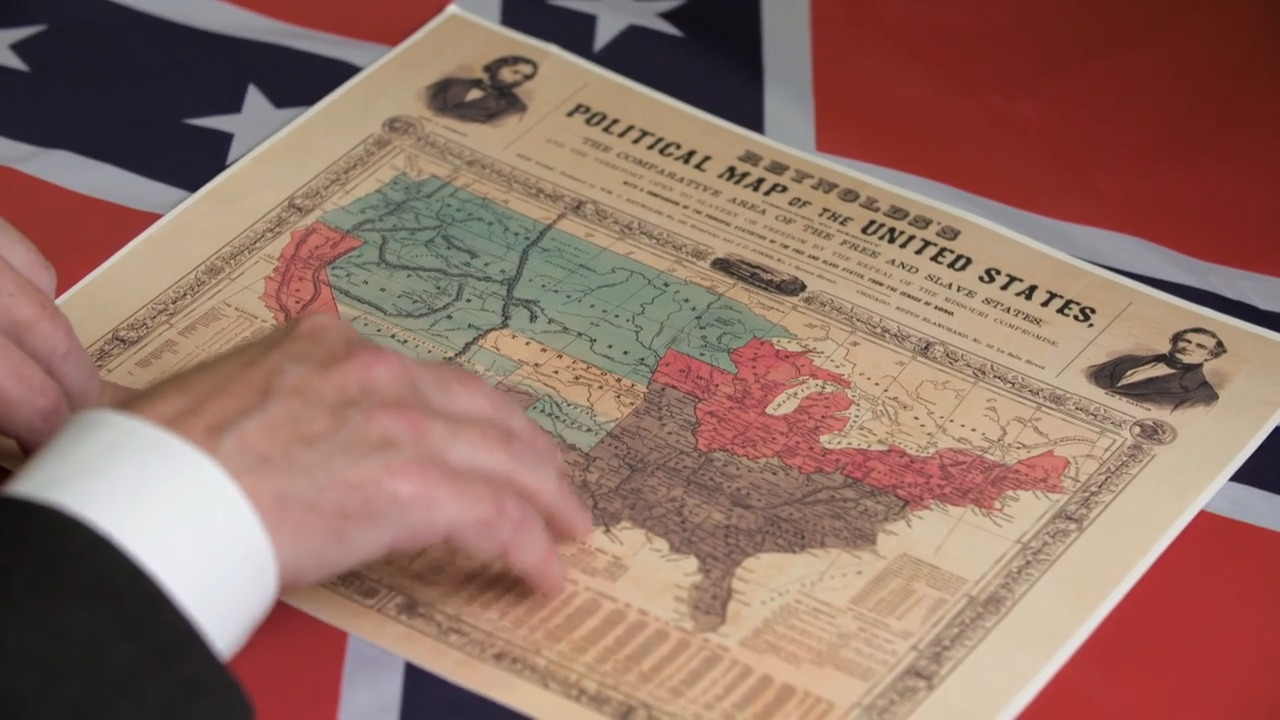
In How the American Civil War Really Started, historian Lucy Worsley investigates what America was like before the Civil War. It began as a clash between the 19 Northern states, which had abolished slavery, and 11 Southern states, where the economy was built on slave labor. New states were emerging in the West and both Northern and Southern states feared for their own economies. This video is excerpted from BBC's American History's Biggest Fibs With Lucy Worsley, in which Worsley reveals the myths and manipulations behind American history.
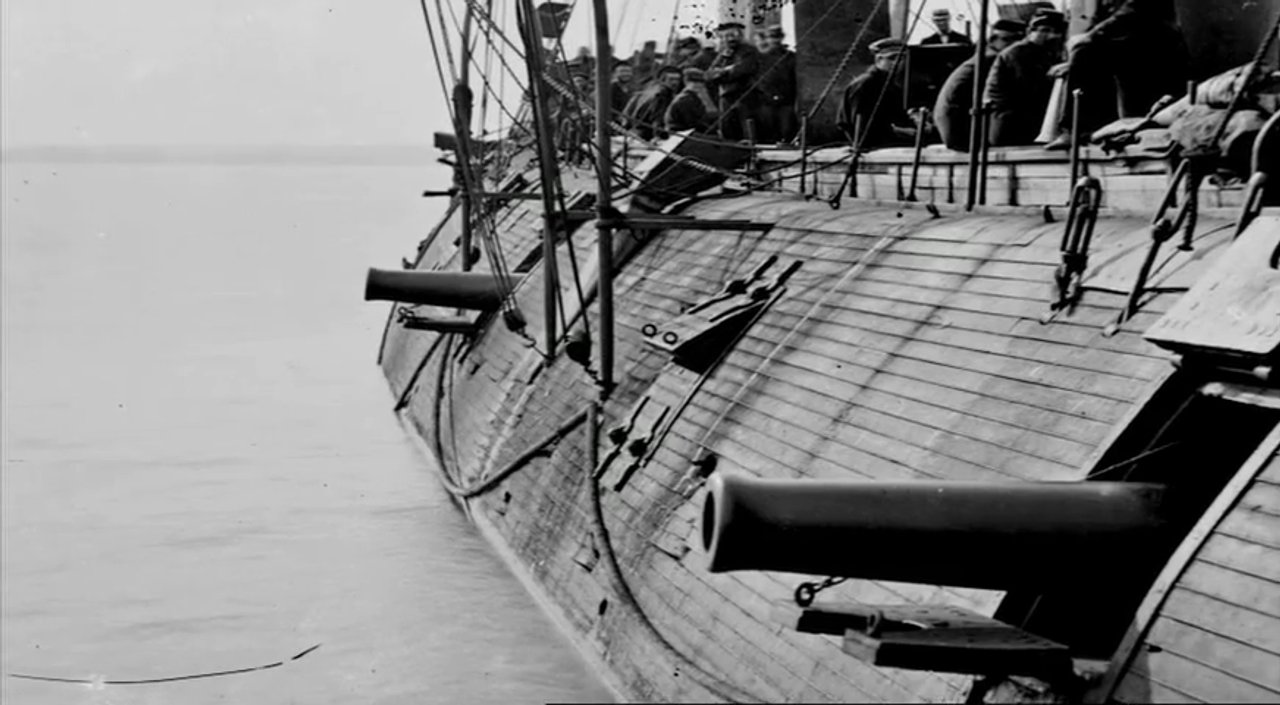
The American Civil War introduced new weapons and technologies that transformed warfare. The Gatling gun, a hand-cranked weapon with multiple rotating barrels, could fire far faster than the single-shot rifles commonly used by soldiers. Railroads helped armies transport troops, food, and ammunition over long distances, while ironclad warships used iron armor and heavy cannons to reshape naval combat. The Confederate submarine H. L. Hunley also made history in 1864 when it sank the Union warship Housatonic, becoming the first combat submarine to sink an enemy vessel.
The war also expanded the use of technology for reconnaissance and communication. Hot air and hydrogen balloons allowed observers to monitor enemy movements from above, and telegraph systems helped commanders share information quickly. These innovations changed how armies moved, gathered intelligence, and fought battles. Although many technologies were still experimental, their growing role in military strategy led historians to view the Civil War as an important transition toward modern warfare.
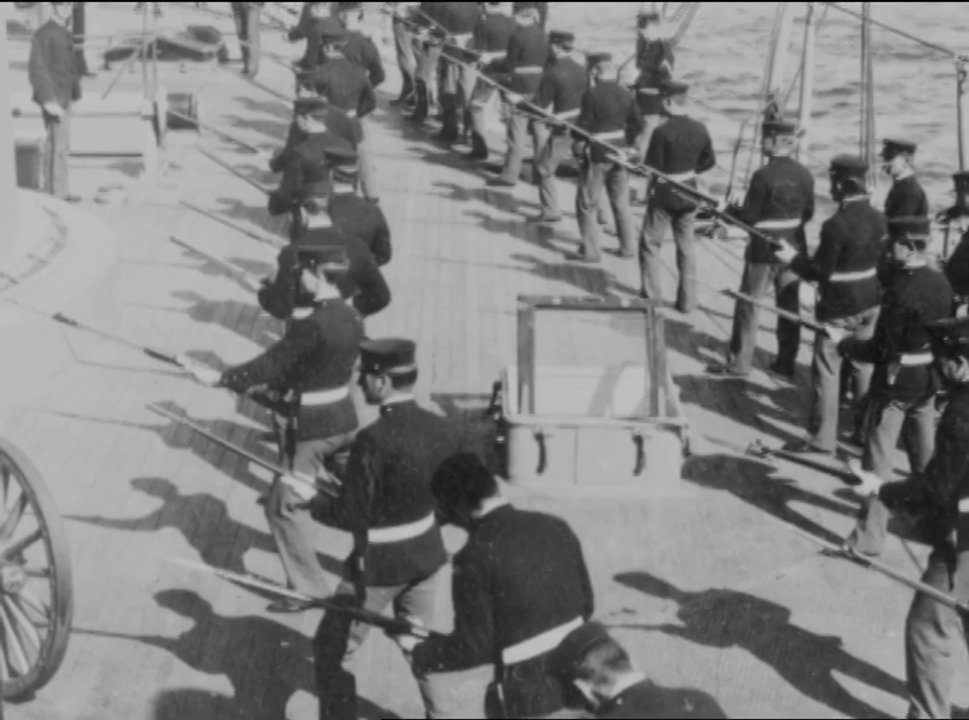
In 1893, U.S. Marines landed on the Hawaiian island of Oahu. American settlers overthrew the Hawaiian monarchy and established a new government. A few years later, Hawaii was annexed by the United States, marking the beginning of a new era of American expansion overseas. After the Civil War, most Americans focused on rebuilding the South, industrializing, and settling the West.
By the 1880s, however, more Americans wanted the United States to become a global power. They sought new overseas markets, worried about competition from other nations, and embraced ideas such as Social Darwinism, which viewed nations as competing for survival and power. By the early 20th Century, the United States was ready to expand its influence around the world.
From the founding of the United States to the Civil War and beyond, American presidents have led the country through moments of conflict, expansion, crisis, and change.
This BBC video playlist explores figures including George Washington, Thomas Jefferson, Abraham Lincoln, Theodore Roosevelt, and others, examining the decisions, ideas, and events that defined their presidencies.
Look beyond familiar stories to consider both their achievements and shortcomings. How did the challenges of their eras influence their choices, and how should we understand the complicated legacies of leaders who helped shape American history?
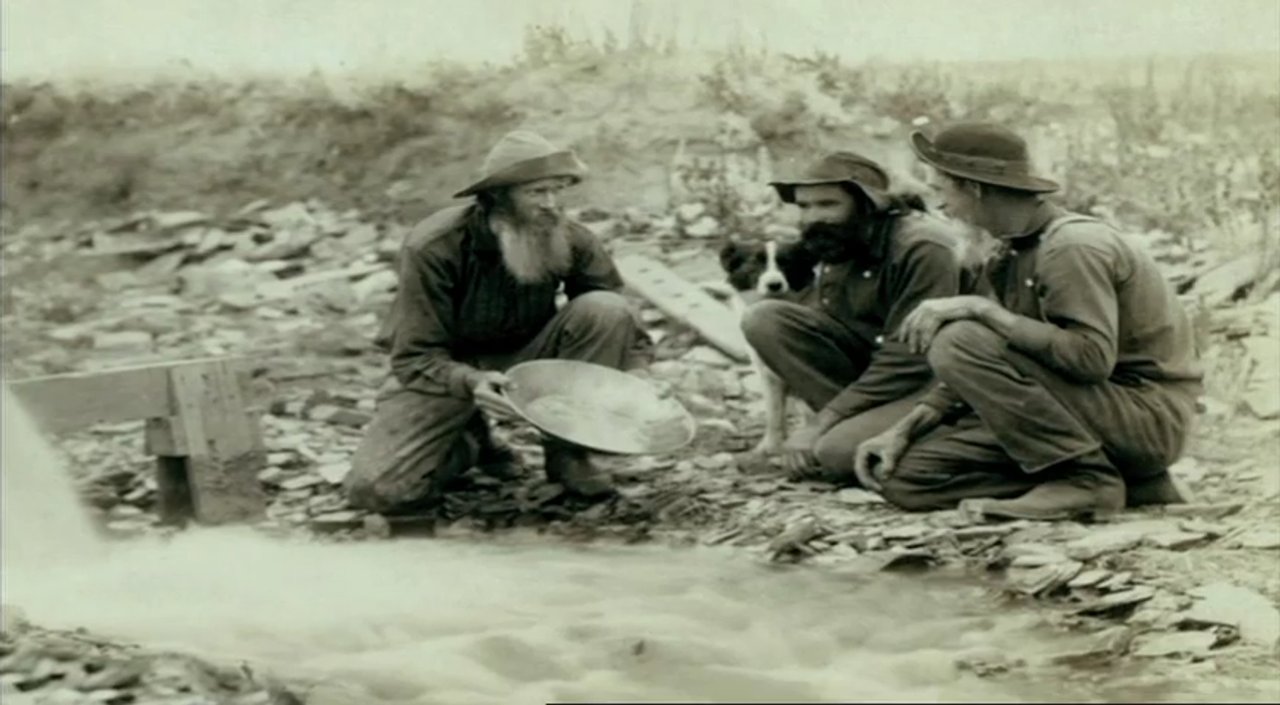
In 1859, gold and silver were discovered in Nevada’s Comstock Lode, one of the richest mineral deposits in U.S. history. Thousands of prospectors rushed to the area, and the boomtown of Virginia City quickly grew into a major settlement. From 1859 to 1878, the Comstock Lode produced hundreds of millions of dollars in gold and silver, helping fuel the growth of the American West and supporting the Union during the Civil War.
The mining boom eventually ended as the mines were depleted. By the late 1800s, Virginia City had declined into a ghost town. Today, it is a historic district that preserves the legacy of the Comstock mining boom.
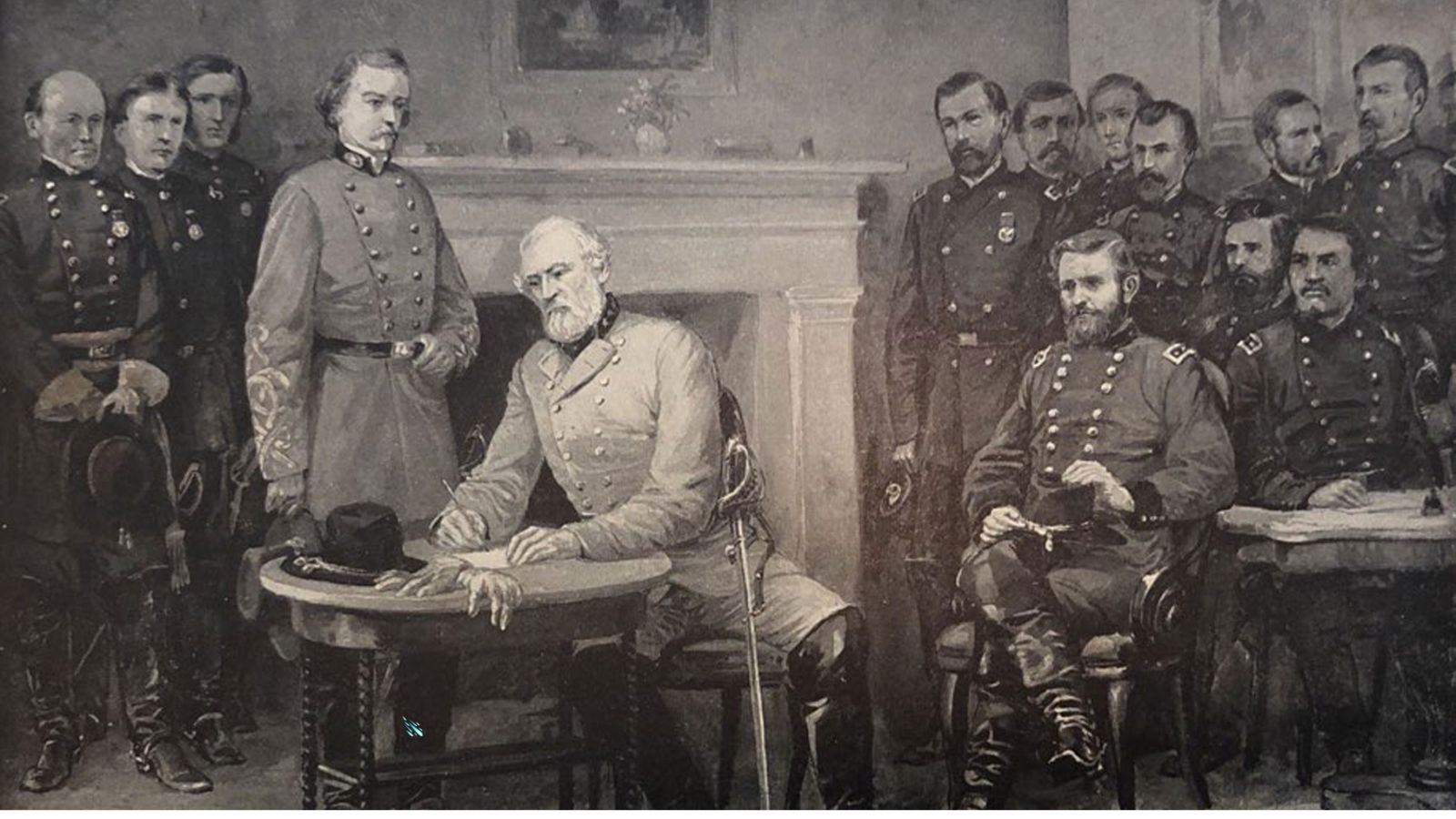
When Lincoln issued the Emancipation Proclamation in 1863, the war to preserve the Union also became a war against slavery. How much Lincoln meant it that way is still debated, and this playlist takes up that question directly. It also covers the new technology that changed how armies fought, the medical crisis in which disease killed twice as many soldiers as combat, the turning-point battles of 1863, and Sherman’s campaign through Georgia. The second half follows the country through Reconstruction: lenient early policies gave way to Radical Reconstruction and constitutional amendments that abolished slavery and guaranteed citizenship and voting rights. It then traces how those gains were rolled back as white Southern Democrats regained power and federal troops withdrew in 1877.
Each video comes with discussion questions, vocabulary, a writing prompt, and classroom activities — all printable from the video page. Questions include why the Emancipation Proclamation didn’t free all enslaved people, why historians call the Civil War the first modern war, and whether Lincoln believed in racial equality.
Teachers and Parents: The playlist picks up where The Road to War leaves off, so together the two playlists cover the full unit for ages 11–18. Videos 1 and 2 work as a pair: a straightforward account of the Emancipation Proclamation followed by historian Lucy Worsley’s case that Lincoln’s main goal was saving the Union. That sets up a strong source-comparison or debate lesson. Lincoln’s Legacy extends the discussion through Frederick Douglass’s reassessment of Lincoln. It contains discriminatory language, so preview it before assigning. The last three videos form a short Reconstruction sequence: The Three Phases of Reconstruction gives the overview, and the next two focus on Black Americans' political gains and the deal that ended federal enforcement, a natural lead-in to Jim Crow and the Civil Rights Movement. Use the "Share With Students" feature to assign videos directly or "Add to Playlist" to build your own sequence.
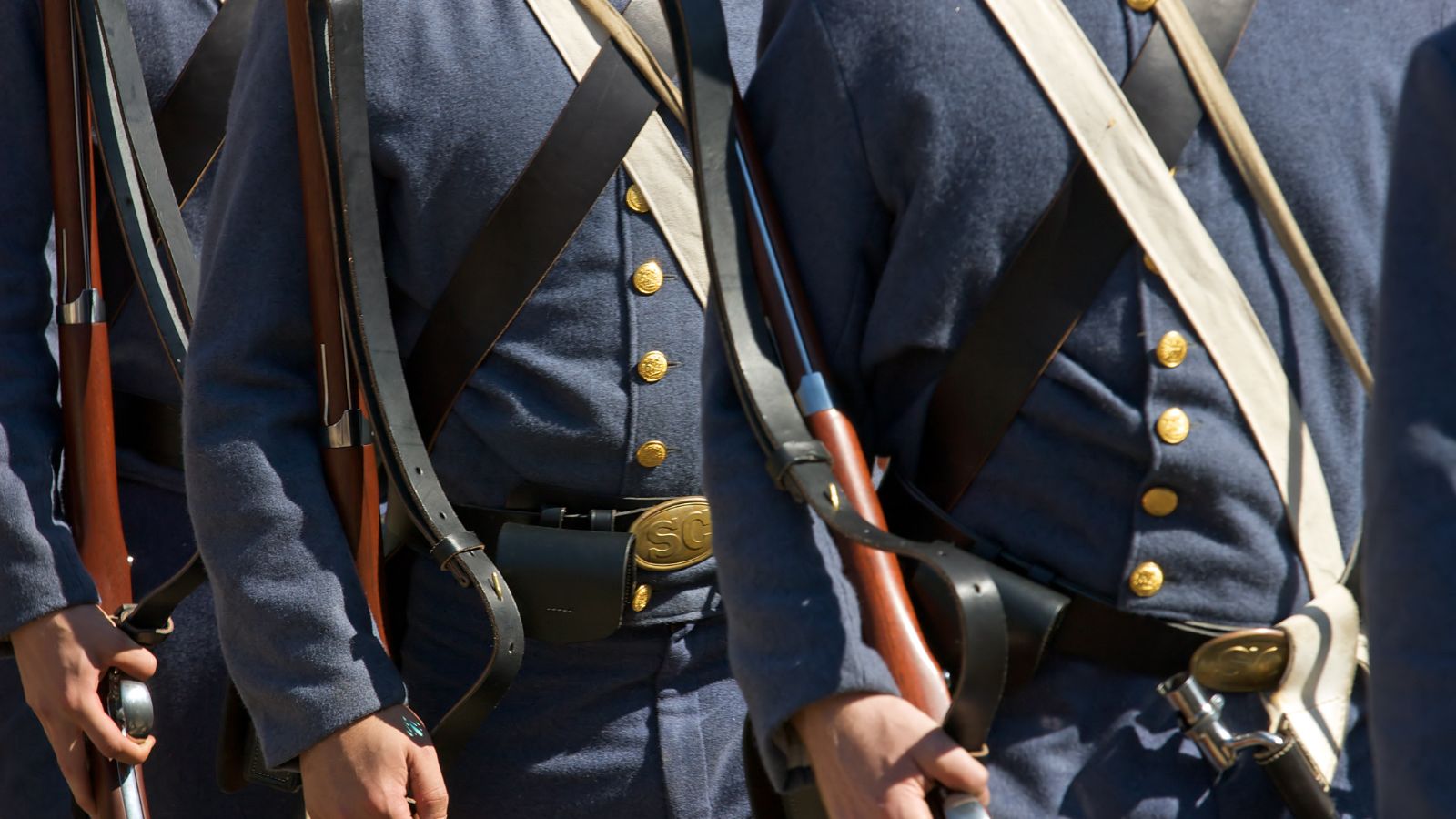
By 1860, the United States had been arguing over slavery for decades. This playlist follows that argument as it hardened into war. It covers the people who resisted slavery, the court case that denied Black Americans citizenship, a raid that pushed the country closer to the edge, and the election that led seven states to secede before Lincoln took office. Each video runs a few minutes and focuses on a single turning point, so the series can be watched start to finish or one video at a time.
Each video comes with discussion questions, vocabulary, a writing prompt ,and classroom activities — all printable from the video page. Questions include why Southern states seceded after Lincoln’s election and how the Civil War split families in border states.
Teachers and Parents: The videos are in chronological order and work as a full unit introduction for students 11–18. They can also be assigned individually to set up a specific lesson. The opening video, from BBC’s American History’s Biggest Fibs With Lucy Worsley, puts slavery at the center of the conflict and gives students a framework for the rest of the list. The Kentucky video closes the list and leads into the companion playlist, The Civil War and Its Aftermath, which runs from the Emancipation Proclamation through the end of Reconstruction. Use the "Share With Students" feature to assign videos directly or "Add to Playlist" to build your own sequence.

The article "How Lincoln's 1860 Election Sparked the Civil War" from BBC's HistoryExtra explores how Abraham Lincoln’s election as U.S. president in 1860 changed the course of American history. It explains the growing conflict over slavery, the breakdown of political parties, and how Lincoln's victory led to the secession of Southern states and the start of the Civil War.
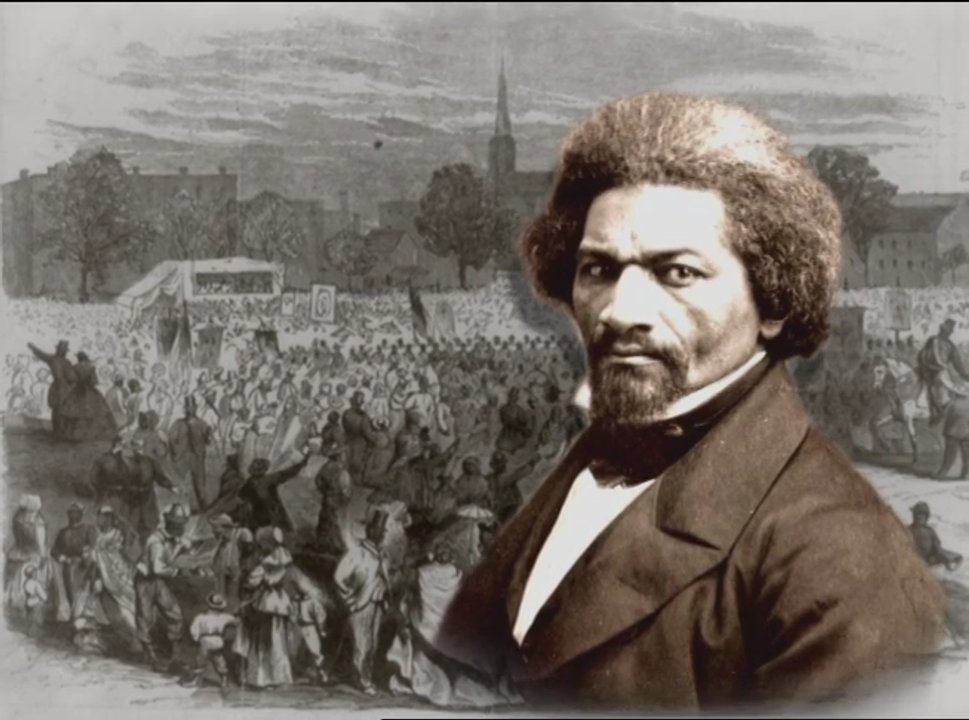
Frederick Douglass was born into slavery in Maryland in 1818 and secretly learned to read and write as a child. After escaping slavery in 1838, he became a leading abolitionist, sharing his experiences through powerful speeches and his newspaper, The North Star. His 1845 autobiography, Narrative of the Life of Frederick Douglass, an American Slave, challenged racist beliefs and exposed the brutality of slavery. The book gained international attention, and supporters in Britain helped secure his legal freedom.
During the Civil War, Douglass advised President Abraham Lincoln on emancipation and the treatment of Black soldiers in the Union Army. After the war, he continued working for civil rights and held several government positions, including U.S. minister to Haiti. Douglass died in 1895, leaving a lasting legacy as an influential writer, speaker, abolitionist, and advocate for equality. His life demonstrates the power of education, personal testimony, and public advocacy in the struggle for freedom and civil rights.
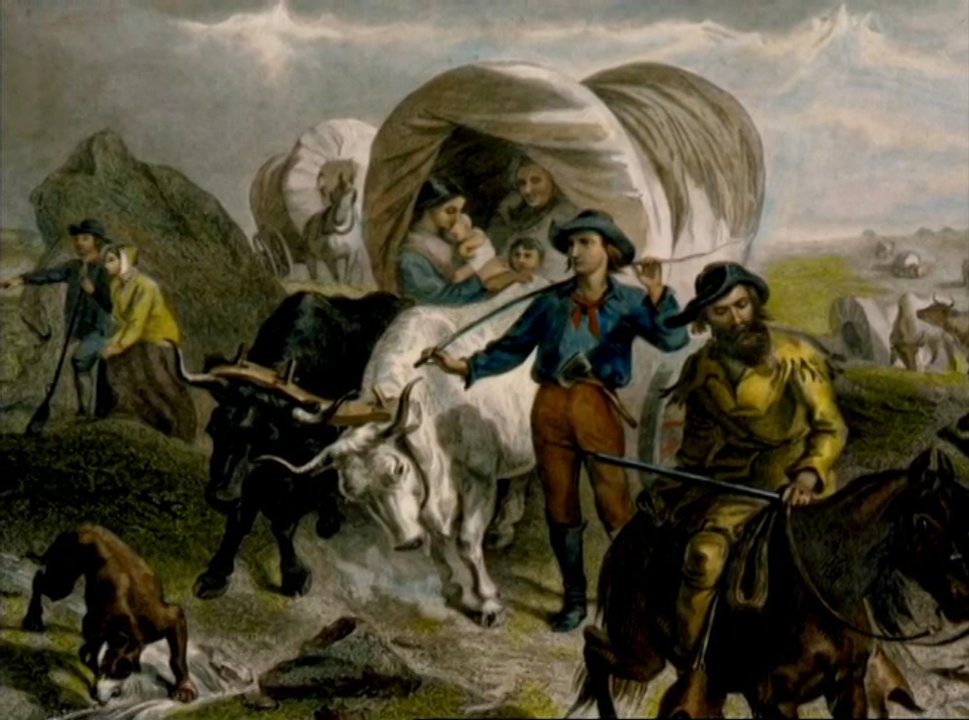
In 1821, trader William Becknell led a party from Missouri to Santa Fe, New Mexico, opening a route that became known as the Santa Fe Trail. Connecting the United States and newly independent Mexico, the trail developed into a major commercial highway, carrying goods across more than 900 miles and helping transform regional economies. Trade grew dramatically, connecting communities in the Southwest with markets as far away as New York, London, and Paris.
The Santa Fe Trail also played a strategic role during the Civil War, when Confederate forces attempted to gain control of New Mexico and its resources. Union troops defeated Confederate forces at the Battle of Glorieta Pass in 1862, protecting an important supply route through the Southwest. By 1880, expanding railroads had largely replaced the trail, but its legacy remained in the economic, cultural, and territorial development of the American West.
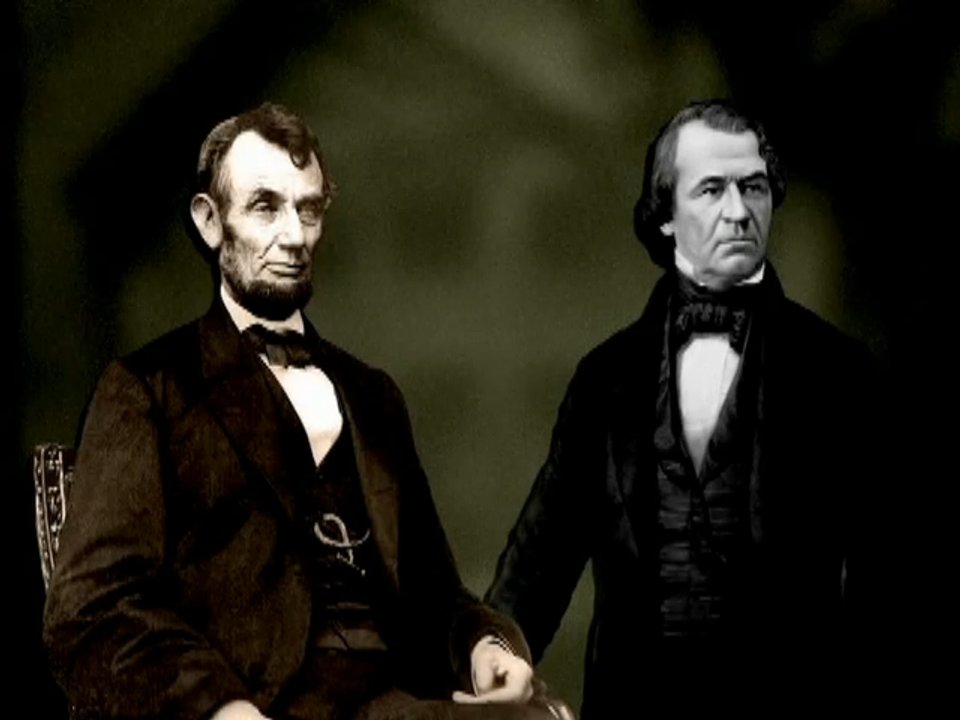
After the Civil War, the South faced major economic and social changes as slavery came to an end. Reconstruction aimed to reunite the country and establish a new political and social order. During Presidential Reconstruction, Presidents Abraham Lincoln and Andrew Johnson favored relatively lenient policies toward the former Confederate states. Disagreements with congressional Republicans led to a more forceful approach beginning in 1867, known as Radical Reconstruction. During this period, constitutional amendments abolished slavery, established birthright citizenship, and prohibited denying voting rights on the basis of race.
African Americans gained political representation, and Southern state governments introduced significant reforms. By the 1870s, however, support for Reconstruction weakened as white Southern Democrats known as Redeemers regained control of state governments. The withdrawal of federal troops in 1877 marked the end of Reconstruction and reduced federal enforcement of African Americans’ civil and political rights. Although Reconstruction brought important constitutional changes, its goals of securing lasting racial equality remained largely unrealized. The struggle for civil rights continued for generations and became a central focus of the Civil Rights Movement in the 1950s and 1960s.
The article "Clara Barton: The Angel of the Battlefield Who Changed Medicine Forever" from BBC's HistoryExtra is a powerful look at Barton's lifelong devotion to helping others. From nursing wounded Civil War soldiers to founding the American Red Cross, she broke barriers in healthcare, women's rights, and disaster relief, earning her the title “Angel of the Battlefield.”
In How the American Civil War Really Started, historian Lucy Worsley investigates what America was like before the Civil War. It began as a clash between the 19 Northern states, which had abolished slavery, and 11 Southern states, where the economy was built on slave labor. New states were emerging in the West and both Northern and Southern states feared for their own economies. This video is excerpted from BBC's American History's Biggest Fibs With Lucy Worsley, in which Worsley reveals the myths and manipulations behind American history.
The American Civil War introduced new weapons and technologies that transformed warfare. The Gatling gun, a hand-cranked weapon with multiple rotating barrels, could fire far faster than the single-shot rifles commonly used by soldiers. Railroads helped armies transport troops, food, and ammunition over long distances, while ironclad warships used iron armor and heavy cannons to reshape naval combat. The Confederate submarine H. L. Hunley also made history in 1864 when it sank the Union warship Housatonic, becoming the first combat submarine to sink an enemy vessel.
The war also expanded the use of technology for reconnaissance and communication. Hot air and hydrogen balloons allowed observers to monitor enemy movements from above, and telegraph systems helped commanders share information quickly. These innovations changed how armies moved, gathered intelligence, and fought battles. Although many technologies were still experimental, their growing role in military strategy led historians to view the Civil War as an important transition toward modern warfare.
In 1893, U.S. Marines landed on the Hawaiian island of Oahu. American settlers overthrew the Hawaiian monarchy and established a new government. A few years later, Hawaii was annexed by the United States, marking the beginning of a new era of American expansion overseas. After the Civil War, most Americans focused on rebuilding the South, industrializing, and settling the West.
By the 1880s, however, more Americans wanted the United States to become a global power. They sought new overseas markets, worried about competition from other nations, and embraced ideas such as Social Darwinism, which viewed nations as competing for survival and power. By the early 20th Century, the United States was ready to expand its influence around the world.
From the founding of the United States to the Civil War and beyond, American presidents have led the country through moments of conflict, expansion, crisis, and change.
This BBC video playlist explores figures including George Washington, Thomas Jefferson, Abraham Lincoln, Theodore Roosevelt, and others, examining the decisions, ideas, and events that defined their presidencies.
Look beyond familiar stories to consider both their achievements and shortcomings. How did the challenges of their eras influence their choices, and how should we understand the complicated legacies of leaders who helped shape American history?
In 1859, gold and silver were discovered in Nevada’s Comstock Lode, one of the richest mineral deposits in U.S. history. Thousands of prospectors rushed to the area, and the boomtown of Virginia City quickly grew into a major settlement. From 1859 to 1878, the Comstock Lode produced hundreds of millions of dollars in gold and silver, helping fuel the growth of the American West and supporting the Union during the Civil War.
The mining boom eventually ended as the mines were depleted. By the late 1800s, Virginia City had declined into a ghost town. Today, it is a historic district that preserves the legacy of the Comstock mining boom.
When Lincoln issued the Emancipation Proclamation in 1863, the war to preserve the Union also became a war against slavery. How much Lincoln meant it that way is still debated, and this playlist takes up that question directly. It also covers the new technology that changed how armies fought, the medical crisis in which disease killed twice as many soldiers as combat, the turning-point battles of 1863, and Sherman’s campaign through Georgia. The second half follows the country through Reconstruction: lenient early policies gave way to Radical Reconstruction and constitutional amendments that abolished slavery and guaranteed citizenship and voting rights. It then traces how those gains were rolled back as white Southern Democrats regained power and federal troops withdrew in 1877.
Each video comes with discussion questions, vocabulary, a writing prompt, and classroom activities — all printable from the video page. Questions include why the Emancipation Proclamation didn’t free all enslaved people, why historians call the Civil War the first modern war, and whether Lincoln believed in racial equality.
Teachers and Parents: The playlist picks up where The Road to War leaves off, so together the two playlists cover the full unit for ages 11–18. Videos 1 and 2 work as a pair: a straightforward account of the Emancipation Proclamation followed by historian Lucy Worsley’s case that Lincoln’s main goal was saving the Union. That sets up a strong source-comparison or debate lesson. Lincoln’s Legacy extends the discussion through Frederick Douglass’s reassessment of Lincoln. It contains discriminatory language, so preview it before assigning. The last three videos form a short Reconstruction sequence: The Three Phases of Reconstruction gives the overview, and the next two focus on Black Americans' political gains and the deal that ended federal enforcement, a natural lead-in to Jim Crow and the Civil Rights Movement. Use the "Share With Students" feature to assign videos directly or "Add to Playlist" to build your own sequence.
By 1860, the United States had been arguing over slavery for decades. This playlist follows that argument as it hardened into war. It covers the people who resisted slavery, the court case that denied Black Americans citizenship, a raid that pushed the country closer to the edge, and the election that led seven states to secede before Lincoln took office. Each video runs a few minutes and focuses on a single turning point, so the series can be watched start to finish or one video at a time.
Each video comes with discussion questions, vocabulary, a writing prompt ,and classroom activities — all printable from the video page. Questions include why Southern states seceded after Lincoln’s election and how the Civil War split families in border states.
Teachers and Parents: The videos are in chronological order and work as a full unit introduction for students 11–18. They can also be assigned individually to set up a specific lesson. The opening video, from BBC’s American History’s Biggest Fibs With Lucy Worsley, puts slavery at the center of the conflict and gives students a framework for the rest of the list. The Kentucky video closes the list and leads into the companion playlist, The Civil War and Its Aftermath, which runs from the Emancipation Proclamation through the end of Reconstruction. Use the "Share With Students" feature to assign videos directly or "Add to Playlist" to build your own sequence.
The article "How Lincoln's 1860 Election Sparked the Civil War" from BBC's HistoryExtra explores how Abraham Lincoln’s election as U.S. president in 1860 changed the course of American history. It explains the growing conflict over slavery, the breakdown of political parties, and how Lincoln's victory led to the secession of Southern states and the start of the Civil War.
Frederick Douglass was born into slavery in Maryland in 1818 and secretly learned to read and write as a child. After escaping slavery in 1838, he became a leading abolitionist, sharing his experiences through powerful speeches and his newspaper, The North Star. His 1845 autobiography, Narrative of the Life of Frederick Douglass, an American Slave, challenged racist beliefs and exposed the brutality of slavery. The book gained international attention, and supporters in Britain helped secure his legal freedom.
During the Civil War, Douglass advised President Abraham Lincoln on emancipation and the treatment of Black soldiers in the Union Army. After the war, he continued working for civil rights and held several government positions, including U.S. minister to Haiti. Douglass died in 1895, leaving a lasting legacy as an influential writer, speaker, abolitionist, and advocate for equality. His life demonstrates the power of education, personal testimony, and public advocacy in the struggle for freedom and civil rights.
In 1821, trader William Becknell led a party from Missouri to Santa Fe, New Mexico, opening a route that became known as the Santa Fe Trail. Connecting the United States and newly independent Mexico, the trail developed into a major commercial highway, carrying goods across more than 900 miles and helping transform regional economies. Trade grew dramatically, connecting communities in the Southwest with markets as far away as New York, London, and Paris.
The Santa Fe Trail also played a strategic role during the Civil War, when Confederate forces attempted to gain control of New Mexico and its resources. Union troops defeated Confederate forces at the Battle of Glorieta Pass in 1862, protecting an important supply route through the Southwest. By 1880, expanding railroads had largely replaced the trail, but its legacy remained in the economic, cultural, and territorial development of the American West.
After the Civil War, the South faced major economic and social changes as slavery came to an end. Reconstruction aimed to reunite the country and establish a new political and social order. During Presidential Reconstruction, Presidents Abraham Lincoln and Andrew Johnson favored relatively lenient policies toward the former Confederate states. Disagreements with congressional Republicans led to a more forceful approach beginning in 1867, known as Radical Reconstruction. During this period, constitutional amendments abolished slavery, established birthright citizenship, and prohibited denying voting rights on the basis of race.
African Americans gained political representation, and Southern state governments introduced significant reforms. By the 1870s, however, support for Reconstruction weakened as white Southern Democrats known as Redeemers regained control of state governments. The withdrawal of federal troops in 1877 marked the end of Reconstruction and reduced federal enforcement of African Americans’ civil and political rights. Although Reconstruction brought important constitutional changes, its goals of securing lasting racial equality remained largely unrealized. The struggle for civil rights continued for generations and became a central focus of the Civil Rights Movement in the 1950s and 1960s.