
The article "Martin Luther King’s Dream: The Speech That Changed America" from BBC's HistoryExtra explores the origins, message, and legacy of the iconic “I Have a Dream” speech. Delivered during the 1963 March on Washington, King’s words captured the hopes of the civil rights movement. The article examines the speech’s impact, historical setting, rhetorical power, and enduring relevance today.

The article "5 Key Events That Changed the U.S. Civil Rights Movement" from BBC's HistoryExtra explores five defining moments that shaped the fight for racial equality in America.

The article "Can Eating Chili Peppers Help You Live Longer?" from BBC's Science Focus reveals research that links regular chili pepper consumption with lower chances of dying from heart disease, cancer, or any cause. Drawing from large-scale studies across several countries, the findings suggest spicy food could play a role in improving overall health.

The article "Lost Nile River Branch May Explain How the Great Pyramids Were Built" from BBC's Science Focus showcases how archaeologists found a long-lost river under the desert, which might have helped the Egyptians move giant stones to build the pyramids. This discovery highlights the importance of the Nile and how environmental changes shaped history.

The article "The Chernobyl Disaster: How a Nuclear Experiment Went Horribly Wrong" from BBC's HistoryExtra explains how a dangerous test at the Chernobyl nuclear plant in Ukraine led to a catastrophic explosion. It describes the causes, tragic aftermath, and global consequences of the world’s worst nuclear disaster.

The article "Clara Barton: The Angel of the Battlefield Who Changed Medicine Forever" from BBC's HistoryExtra is a powerful look at Barton's lifelong devotion to helping others. From nursing wounded Civil War soldiers to founding the American Red Cross, she broke barriers in healthcare, women's rights, and disaster relief, earning her the title “Angel of the Battlefield.”

The article "How Lincoln's 1860 Election Sparked the Civil War" from BBC's HistoryExtra explores how Abraham Lincoln’s election as U.S. president in 1860 changed the course of American history. It explains the growing conflict over slavery, the breakdown of political parties, and how Lincoln's victory led to the secession of Southern states and the start of the Civil War.
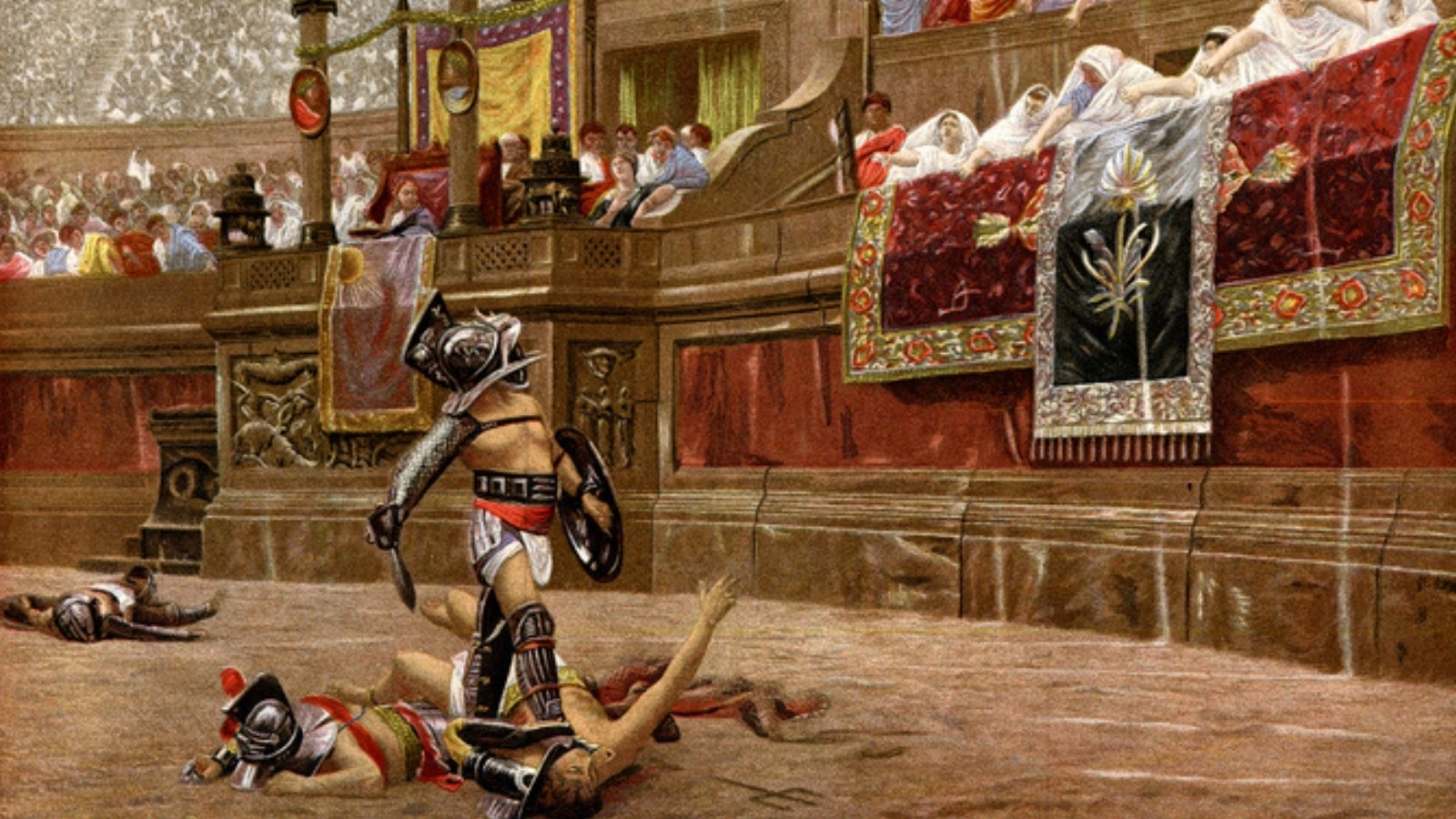
The article "Blood and Fame: Shocking Moments in Ancient Gladiator History" from BBC's HistoryExtra explores the history of gladiator combat in ancient Rome. It traces its origins to Etruscan funeral rituals and details how Julius Caesar, the emperors, and other political figures used these deadly games to gain power and favor.

The article "What Was It Like to Be a Kid in the Middle Ages?" from BBC's HistoryExtra explores what life was like for children during the Middle Ages. The article highlights how children's lives were shaped by age, gender, class, and religion. It also reveals surprising facts about literacy, mortality rates, and how children played, worked, and were disciplined.

The article "Alice Marble: Tennis Legend, War Hero, and Wonder Woman" from BBC's HistoryExtra tells the incredible life story of Alice Marble. She rose to tennis fame in the 1930s, overcame personal tragedy, edited comics, spied during WWII, and later fought for equality in sports. Her legacy lives on through her fierce determination, fearless activism, and groundbreaking contributions to tennis and beyond.

The article "Who Really Owns Greenland? A Land of Ice, Vikings, and Global Power Plays" from BBC's HistoryExtra explores Greenland’s long and complex history of ownership. It traces the island’s journey from early Inuit inhabitants to Viking explorers, Danish missionaries, and Cold War military bases — highlighting how Greenland has become a key player in global politics.

The article "Isaac Newton: From Apple Myths to Scientific Genius" from BBC's HistoryExtra tells the story of Newton’s journey from a lonely farm boy to one of the greatest scientists of all time. It explores his most famous discoveries — including gravity, motion, and calculus — as well as his struggles, rivalries (especially with Robert Hooke), and unusual experiments.
The article "Martin Luther King’s Dream: The Speech That Changed America" from BBC's HistoryExtra explores the origins, message, and legacy of the iconic “I Have a Dream” speech. Delivered during the 1963 March on Washington, King’s words captured the hopes of the civil rights movement. The article examines the speech’s impact, historical setting, rhetorical power, and enduring relevance today.
The article "5 Key Events That Changed the U.S. Civil Rights Movement" from BBC's HistoryExtra explores five defining moments that shaped the fight for racial equality in America.
The article "Can Eating Chili Peppers Help You Live Longer?" from BBC's Science Focus reveals research that links regular chili pepper consumption with lower chances of dying from heart disease, cancer, or any cause. Drawing from large-scale studies across several countries, the findings suggest spicy food could play a role in improving overall health.
The article "Lost Nile River Branch May Explain How the Great Pyramids Were Built" from BBC's Science Focus showcases how archaeologists found a long-lost river under the desert, which might have helped the Egyptians move giant stones to build the pyramids. This discovery highlights the importance of the Nile and how environmental changes shaped history.
The article "The Chernobyl Disaster: How a Nuclear Experiment Went Horribly Wrong" from BBC's HistoryExtra explains how a dangerous test at the Chernobyl nuclear plant in Ukraine led to a catastrophic explosion. It describes the causes, tragic aftermath, and global consequences of the world’s worst nuclear disaster.
The article "Clara Barton: The Angel of the Battlefield Who Changed Medicine Forever" from BBC's HistoryExtra is a powerful look at Barton's lifelong devotion to helping others. From nursing wounded Civil War soldiers to founding the American Red Cross, she broke barriers in healthcare, women's rights, and disaster relief, earning her the title “Angel of the Battlefield.”
The article "How Lincoln's 1860 Election Sparked the Civil War" from BBC's HistoryExtra explores how Abraham Lincoln’s election as U.S. president in 1860 changed the course of American history. It explains the growing conflict over slavery, the breakdown of political parties, and how Lincoln's victory led to the secession of Southern states and the start of the Civil War.
The article "Blood and Fame: Shocking Moments in Ancient Gladiator History" from BBC's HistoryExtra explores the history of gladiator combat in ancient Rome. It traces its origins to Etruscan funeral rituals and details how Julius Caesar, the emperors, and other political figures used these deadly games to gain power and favor.
The article "What Was It Like to Be a Kid in the Middle Ages?" from BBC's HistoryExtra explores what life was like for children during the Middle Ages. The article highlights how children's lives were shaped by age, gender, class, and religion. It also reveals surprising facts about literacy, mortality rates, and how children played, worked, and were disciplined.
The article "Alice Marble: Tennis Legend, War Hero, and Wonder Woman" from BBC's HistoryExtra tells the incredible life story of Alice Marble. She rose to tennis fame in the 1930s, overcame personal tragedy, edited comics, spied during WWII, and later fought for equality in sports. Her legacy lives on through her fierce determination, fearless activism, and groundbreaking contributions to tennis and beyond.
The article "Who Really Owns Greenland? A Land of Ice, Vikings, and Global Power Plays" from BBC's HistoryExtra explores Greenland’s long and complex history of ownership. It traces the island’s journey from early Inuit inhabitants to Viking explorers, Danish missionaries, and Cold War military bases — highlighting how Greenland has become a key player in global politics.
The article "Isaac Newton: From Apple Myths to Scientific Genius" from BBC's HistoryExtra tells the story of Newton’s journey from a lonely farm boy to one of the greatest scientists of all time. It explores his most famous discoveries — including gravity, motion, and calculus — as well as his struggles, rivalries (especially with Robert Hooke), and unusual experiments.